In today's glass manufacturing landscape, the selection of a suitable Glass Heat Soak Oven is crucial. Industry reports indicate that up to 40% of glass products face quality issues due to inadequate heat processing. Renowned expert Dr. Emily Carter states, "Choosing the right Glass Heat Soak Oven can significantly enhance product safety and durability." This insight underscores the importance of understanding your specific needs before making a purchase.
When evaluating options, consider different factors such as oven capacity, temperature accuracy, and cycle time. Each production environment has unique demands. For example, architectural glass and automotive glass may require distinct heating profiles to prevent breakage. Reports show that improper thermal processing can lead to costly failures, impacting both safety and revenue.
Moreover, a myriad of brands and models exist in the market, making the choice overwhelming. It's essential to weigh features against your production requirements and budget. Reflecting on the capabilities of various ovens will help in making an informed decision. In a sector where precision and reliability are non-negotiable, making the right choice in Glass Heat Soak Ovens cannot be understated.
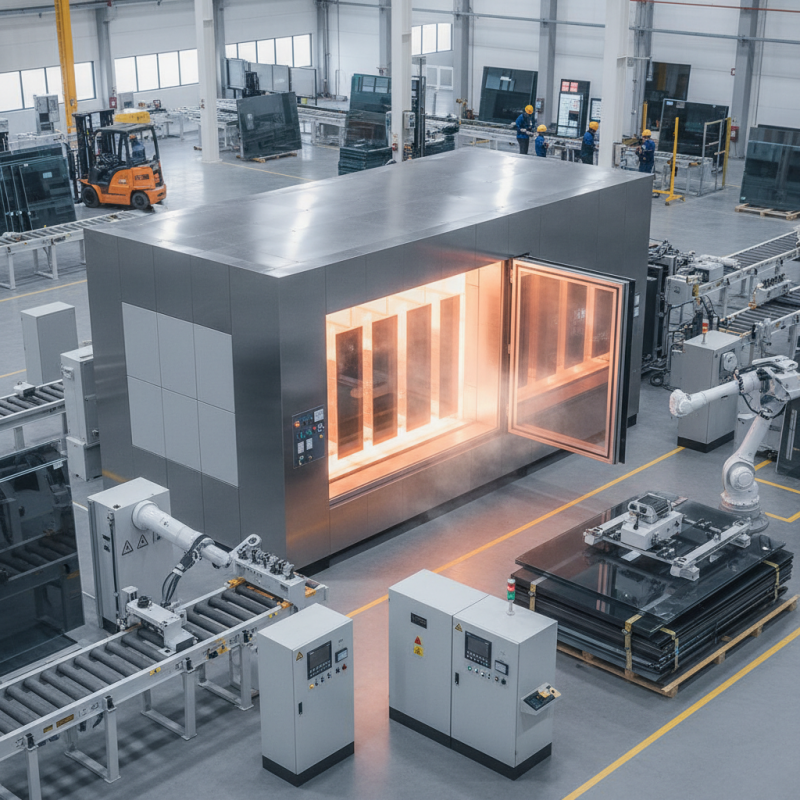
Glass heat soak ovens play a crucial role in enhancing the safety and durability of glass products. These specialized ovens are designed to temper glass by controlling temperature and duration during the heat soak process. According to industry reports, approximately 70% of glass breakage incidents occur due to spontaneous fracture. This emphasizes the importance of using a heat soak oven to minimize risks.
When selecting a glass heat soak oven, understanding its features is essential. Ideal ovens provide precise temperature control, ensuring uniform heat distribution. Studies indicate that any temperature variation can lead to insufficient tempering, which may compromise glass integrity. With proper operation, heat soak ovens can significantly reduce the occurrence of these defects by up to 90%, thereby enhancing product reliability.
Additionally, the capacity and size of the oven must cater to specific production needs. A larger oven allows for processing more glass simultaneously, which can improve efficiency. However, larger ovens can also lead to higher energy consumption. Balancing these aspects is vital for optimizing production while ensuring safety and quality standards are met. Evaluating these factors carefully can help manufacturers make informed decisions.
When choosing a glass heat soak oven, several key features demand careful consideration. The size of the oven is crucial. A larger capacity allows for bigger glass sheets, but it may take up more space. Assess your available workspace. An appropriately sized oven can make a considerable difference in operational efficiency.
Temperature control is another vital factor. Look for ovens with precise temperature settings. This ensures even heating, which is critical for successful heat soaking. A reliable temperature monitoring system can prevent potential glass defects. Additionally, insulation plays an essential role. Good insulation means more energy efficiency, saving on operating costs.
Finally, consider the user interface. An intuitive control panel makes operation easier. However, some complex features might overwhelm a novice user. Think about your operational skill level. Each feature can affect your workflow, so do not overlook these details. Reflect on your needs carefully before making a decision.
When selecting a glass heat soak oven, size and capacity are critical factors. A common misconception is that bigger is always better. However, the right size depends on your specific production needs. According to industry reports, a medium-sized oven can handle approximately 80-120 sheets of glass per batch, making it ideal for small to medium enterprises. An oversized oven might lead to higher energy costs and inefficient use of space. It's essential to balance capacity with the actual demands of your production line.
Consider the dimensions of the glass you frequently work with. If your glass pieces are larger, you will need an oven with sufficient interior capacity. A typical oven's interior measurement should allow for at least a couple of inches of clearance around each piece. Also, it's vital to factor in the frequency of production runs. Smaller operations may benefit from a compact model, while larger factories might require a robust system to meet high-volume demands. Using the wrong size can lead to inadequate heat distribution, potentially compromising the quality of the final product.
Understanding your workflow is crucial. Overestimating the required capacity can lead to financial strain, while underestimating can disrupt production schedules. Always evaluate your output consistency and future growth potential. Reassessing size and capacity needs regularly can help maintain optimal performance and efficiency in your glass processing operations.
| Model | Size (Width x Depth x Height, in inches) | Capacity (Cubic Feet) | Temperature Range (°F) | Power Requirement (kW) |
|---|---|---|---|---|
| Model A | 30 x 30 x 40 | 20 | 100 - 1200 | 9.5 |
| Model B | 36 x 36 x 48 | 30 | 100 - 1350 | 12.0 |
| Model C | 24 x 24 x 36 | 15 | 100 - 1150 | 7.5 |
| Model D | 40 x 40 x 50 | 35 | 100 - 1500 | 15.0 |
| Model E | 28 x 28 x 42 | 22 | 100 - 1250 | 10.5 |
When choosing a glass heat soak oven, energy efficiency is a crucial factor. Many models claim to reduce energy consumption, but the actual savings can vary. Look for ovens with better insulation. This helps maintain heat and uses less power. Using less energy not only cuts costs but also lowers your carbon footprint.
Operating costs are tied closely to energy consumption. An efficient unit may have a higher upfront cost, but it pays off over time. Calculate your expected energy bills based on usage. If an oven uses less energy, it might compensate for those higher initial expenses. Keep an eye on the wattage. Lower wattage can lead to lower costs but check performance reviews.
Don't ignore maintenance costs either. Regular servicing ensures efficient operation and reduces unexpected expenses. An oven that’s not maintained can become energy-hungry. It's essential to weigh the initial investment against long-term savings. Researching real user experiences can provide insights. Everyone’s needs differ. What works perfectly for one may not suit another. Balance efficiency with your specific demands before making a decision.
When selecting a glass heat soak oven, brand reputation and customer support are crucial elements to consider. Research indicates that 72% of consumers rely on brand reputation when making purchase decisions in the kitchen equipment sector. A reputable brand often signifies both quality and reliability, which are vital for achieving consistent results in glass treatment processes.
Customer support options also play a significant role. A survey revealed that 65% of buyers prioritize brands that offer reliable customer service. Prompt and efficient support can save time and reduce frustrations during equipment setup and maintenance. When assessing brands, look for those providing comprehensive warranties and readily available technical assistance.
Tips: Check online reviews and ratings to gauge customer experiences. Engage in forums or social media groups to gather insights about user support. Always question the transparency of warranty terms offered by a brand. Brands might seem trustworthy, but hidden conditions could lead to challenges later.
: Size and temperature control are essential. Larger ovens offer more capacity, but require more space.
Temperature control is vital for even heating. Accurate settings prevent defects in the glass.
Yes, good insulation increases energy efficiency. It leads to lower operational costs over time.
Research online reviews and ratings. Check customer experiences on forums or social media.
Reliable support can save time during setup and maintenance. It reduces frustration with the equipment.
Ensure terms are transparent. Hidden conditions may cause issues later. Always verify the details provided.
Yes, an easy-to-use interface simplifies operation. However, complex features may confuse new users.
Larger ovens require more workspace. They might not be suitable for all operational areas.
Think about your skill level and workspace. Assess how features align with your workflow requirements.
Don't rush your decision. Consider all features and potential operational impacts before committing.
Choosing the right Glass Heat Soak Oven is essential for ensuring the safety and durability of glass products during the heating process. Understanding the importance of these ovens reveals their role in eliminating the risk of breakage due to thermal stress. When selecting a heat soak oven, one should consider key features such as temperature accuracy, uniformity, and programmable settings to meet specific requirements.
Determining the right size and capacity is crucial, as it directly impacts production efficiency. Additionally, assessing energy efficiency and operating costs can lead to significant savings over time. Finally, exploring a manufacturer’s reputation and their customer support options ensures that you receive reliable service and support for your glass heat soak oven. This comprehensive approach will help you make an informed decision tailored to your needs.

Yabo CNC