The upcoming China Import and Export Fair will feature innovations in the manufacturing sector, including the Stepped IGU Production Line. This advanced technology has shown a significant increase in production efficiency, with recent reports indicating a 20% rise in output for manufacturers adopting such systems. Furthermore, industry experts suggest that streamlined processes will reduce waste and improve product quality, critical in today's competitive market.
The introduction of AI-enhanced solutions during the fair supports this evolution. With smart navigation and search features, buyers can find suppliers efficiently. This technology allows for quick access to companies meeting specific standards, such as ISO or CE certifications. It is projected that these innovations will enhance the experience for over 150,000 visitors and exhibitors.
However, challenges remain. The adoption of technology may lead to a skills gap among workers who are essential for operating advanced production lines like the Stepped IGU Production Line. Continuous training and investment in human resources will be necessary to fully leverage these advancements. As the fair approaches, the focus will be on bridging these gaps while showcasing cutting-edge production capabilities.
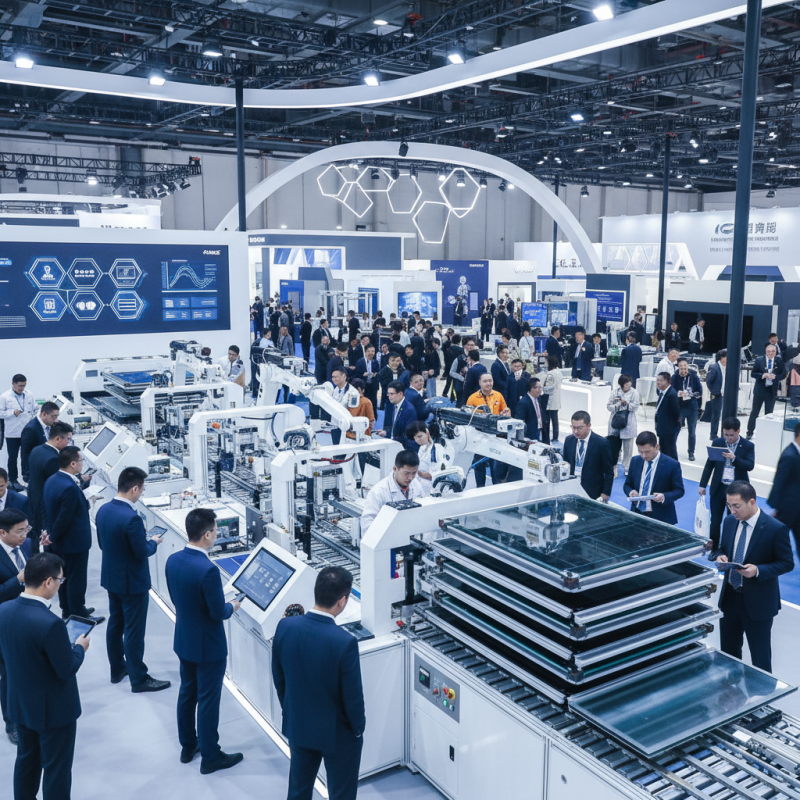
The Stepped IGU Production Line at the China Import and Export Fair showcased innovative approaches to glass manufacturing. Visitors were drawn to the display of advanced technology. Machines operated with precision, producing insulated glass units efficiently. The layout of the production line was practical yet chaotic at times. Some processes appeared to have room for improvement, sparking discussions among attendees.
During the fair, the benefits of stepped production methods became clear. These techniques enhance energy efficiency and reduce waste. Demonstrations highlighted the speed of the machinery, but there were delays at certain stages. Observers noted that optimizing workflow could enhance overall productivity. Attendees engaged in dialogue, sharing insights and suggestions for better integration.
Additionally, the fair provided a platform for learning. Industry experts presented on evolving trends within glass manufacturing. Yet, some ideas seemed tentative and required further exploration. The atmosphere encouraged curiosity and collaboration. Feedback from participants reflected a desire for innovation in the IGU sector, emphasizing the need for adaptability amidst market changes.
The production of stepped Insulated Glass Units (IGUs) is a vital process in modern construction. This process utilizes several key technologies. One primary technology is the use of advanced automated cutting machines. These machines enhance precision in glass cutting, reducing waste during the manufacturing phase. They ensure that each piece fits perfectly into the final assembly.
Another significant technology is the application of high-performance sealants. These sealants play a crucial role in the longevity of IGUs. They help maintain energy efficiency and reduce condensation. However, finding the right sealant can be challenging. Improper application or selection may lead to failures over time.
Furthermore, specialized tempering furnaces are used to increase the structural integrity of the glass. These furnaces operate at specific temperatures to ensure optimal strength. Yet, monitoring the temperature and timing requires constant attention. Any oversight could result in defects. Each step in the production line requires careful consideration. The integration of these technologies reflects an ongoing evolution, but there's always room for improvement and learning.
Stepped Insulated Glass Units (IGUs) are becoming a trend in modern construction. These units stand out due to their unique design. They allow for enhanced energy efficiency in buildings. According to industry reports, energy-efficient windows can reduce heating costs by up to 30%. This is significant for residential and commercial spaces alike.
One major advantage is their improved thermal performance. The stepped design facilitates better air circulation. This can lead to more stable indoor temperatures. In fact, well-designed IGUs can cut down energy consumption significantly. A study found that building energy consumption can decrease by as much as 15% with proper window designs.
However, there are challenges to consider. Installation requires precise engineering and skilled labor. Mishapped mounts can lead to air leakage, diminishing energy savings. Maintenance of stepped IGUs may also differ from standard units. These factors must be accounted for in planning stages. Overall, while the benefits are clear, careful thought is essential.
Stepped Insulated Glass Units (IGUs) are gaining traction in the construction industry. A recent report by Grand View Research indicates a projected growth rate of 8.5% in the global IGU market by 2027. This surge is largely driven by the rising demand for energy-efficient building materials. Consumers increasingly prefer products that enhance energy savings and comfort.
In the context of market trends, stepped IGUs have become popular for their unique design and improved thermal performance. The National Fenestration Rating Council (NFRC) has reported that buildings using IGUs can achieve energy savings of up to 30%. However, some manufacturers struggle with production consistency. Quality control remains a significant challenge, impacting the overall market perception.
Furthermore, the competitive landscape is evolving. Increased collaboration among manufacturers is emerging. However, many producers still lack advanced technology. This can lead to inconsistent product quality. Feedback from industry professionals suggests a need for better training and investment in modern equipment. The market demand for stepped IGUs continues to grow, but without addressing these challenges, future growth could stall.
The future of IGU manufacturing in China looks promising, but it also presents challenges. As demand for high-performance building materials increases, manufacturers need to adapt. Innovations in technology are essential. However, many companies still rely on outdated methods.
Sustainability is a critical factor. Eco-friendly materials should be prioritized in the production process. Unfortunately, not all manufacturers are equipped to make this shift. There is a growing need for training programs. Workers must understand new technologies and sustainability practices.
Market competition is fierce. Companies are pushing for faster production while maintaining quality. This balance is tough. Some may cut corners, leading to long-term issues. Future prospects depend on embracing change, investing in skills, and focusing on sustainable practices. The path forward is not straightforward but full of potential.
: Advanced automated cutting machines enhance precision in glass cutting and reduce waste.
Sealants maintain energy efficiency and longevity but must be carefully selected and applied.
They increase glass strength but require constant attention to temperature and timing.
They enhance energy efficiency, potentially reducing heating costs by up to 30%.
The stepped design improves air circulation, leading to more stable indoor temperatures.
Precise engineering and skilled labor are essential to avoid air leakage.
It is promising but requires adaptation to technology and sustainability trends.
Embracing innovations and prioritizing eco-friendly materials is essential for success.
Companies strive for faster production, which can lead to quality compromises.
Workers need to understand new technologies and sustainability practices to adapt effectively.
The article provides a comprehensive overview of the Stepped IGU Production Line showcased at the China Import and Export Fair. It highlights the key technologies employed in the production process, emphasizing innovations that enhance efficiency and quality. The Stepped IGU offers numerous benefits in modern construction, including improved thermal insulation and energy efficiency, making it an increasingly popular choice among architects and builders.
Additionally, the article discusses current market trends and the rising demand for Stepped IGU, indicating a shift towards more sustainable building materials. As the construction industry evolves, the future prospects for IGU manufacturing in China appear promising, with advancements in technology likely driving further growth and development. Overall, the Stepped IGU Production Line represents a pivotal advancement in construction technology, catering to the needs of a modern, energy-conscious market.

Yabo CNC