Glass Bottle Production Line, Glass Kiln for Glass Containers, Glass Machnery Customized

Still deciding? Get samples of $ !
Order Sample

Product Description

i

Basic Information

Model NO.
MK-MM2488
Production Line
Comprehensive
Production Scope
Product Line
Flexible Production
Intelligent Manufacturing
Certification
ISO, CE
Condition
New
Automation
Automatic
After-sales Service
Overseas Service Available
Transport Package
Wooden Case
Specification
Customized
Origin
China
Production Capacity
1,000,000/Year
📦

Packaging & Delivery

Package Size
200.00cm * 300.00cm * 200.00cm
Gross Weight
200,000.000kg

Product Description

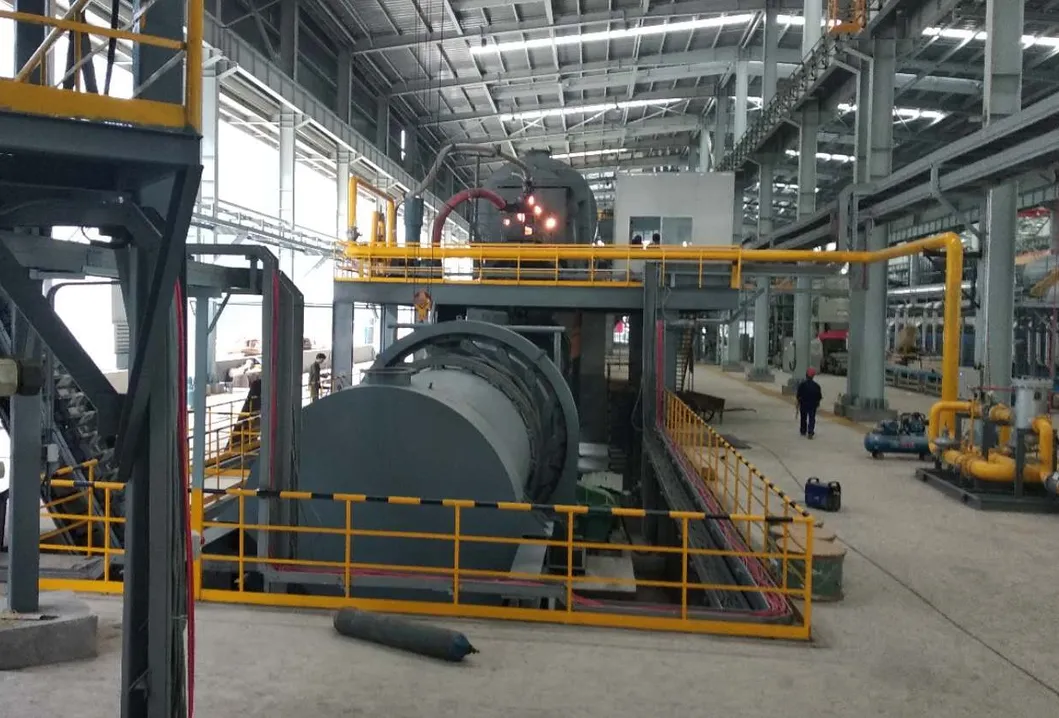
Glass Bottle Production Line,
Glass Kiln for Glass Containers,
Glass Machinery Customized

1. Production process flow:

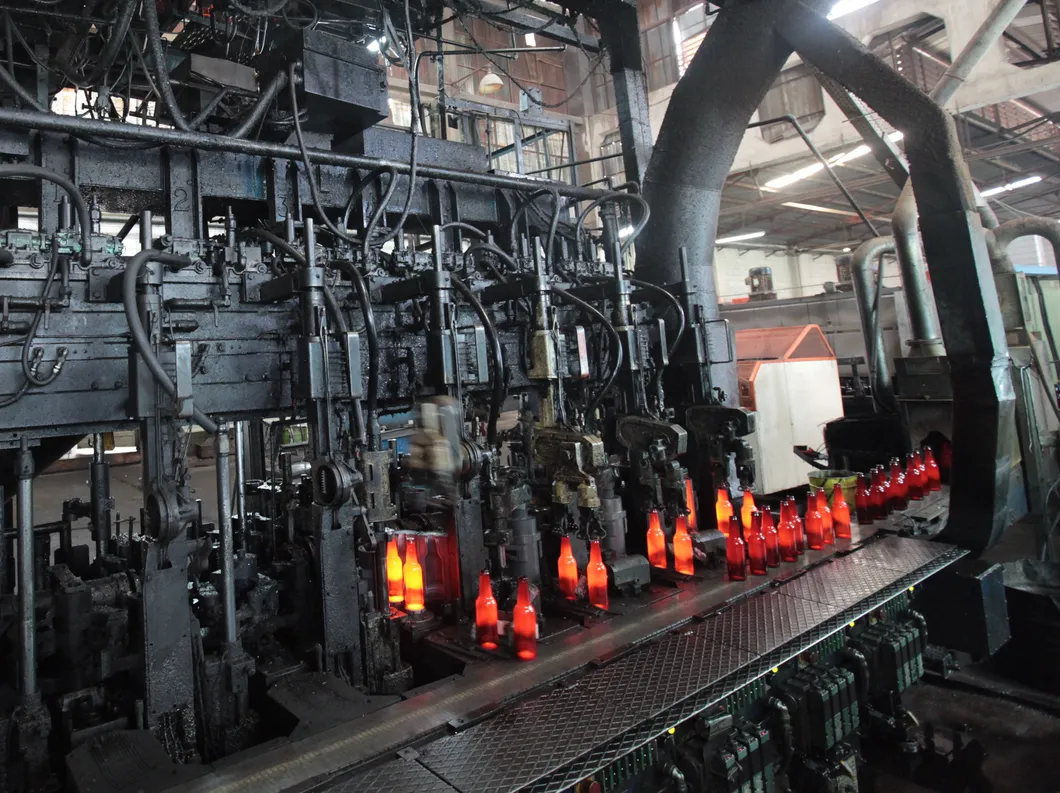
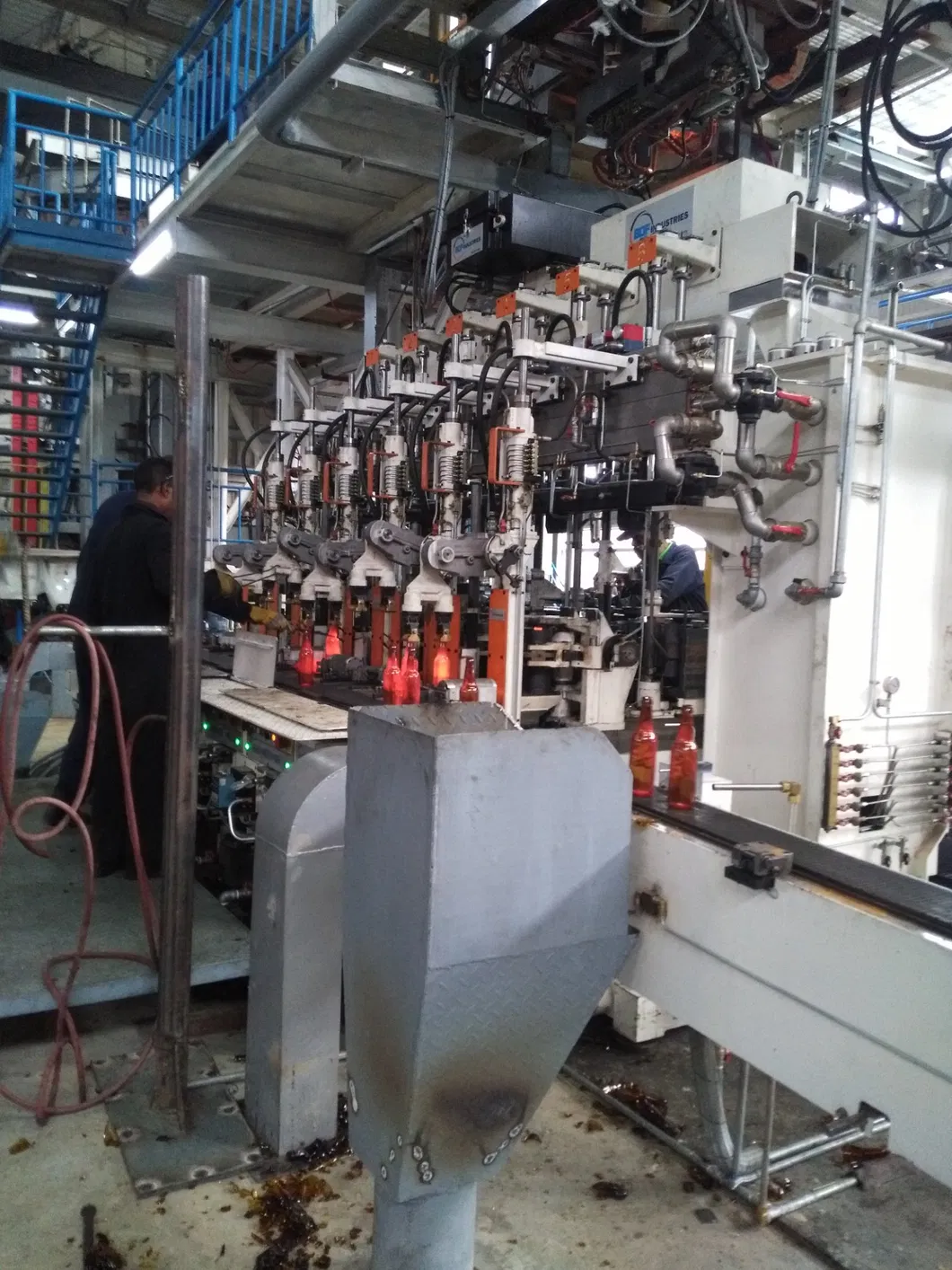
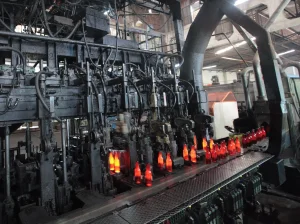
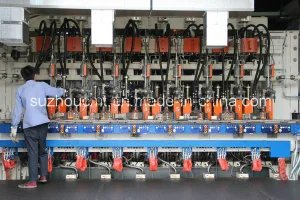
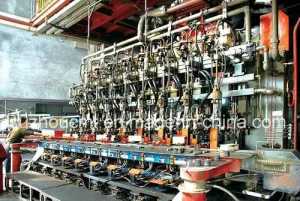
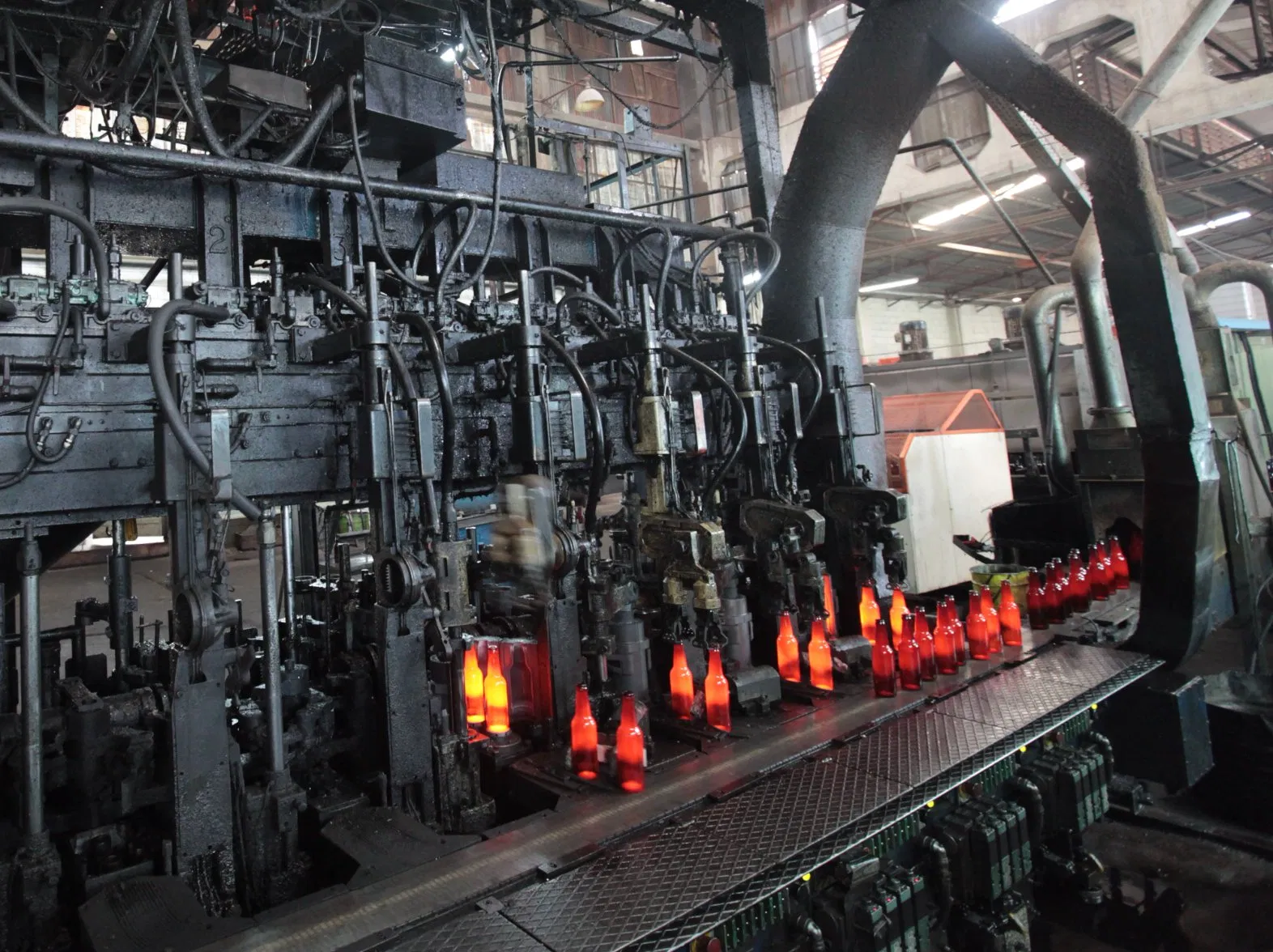
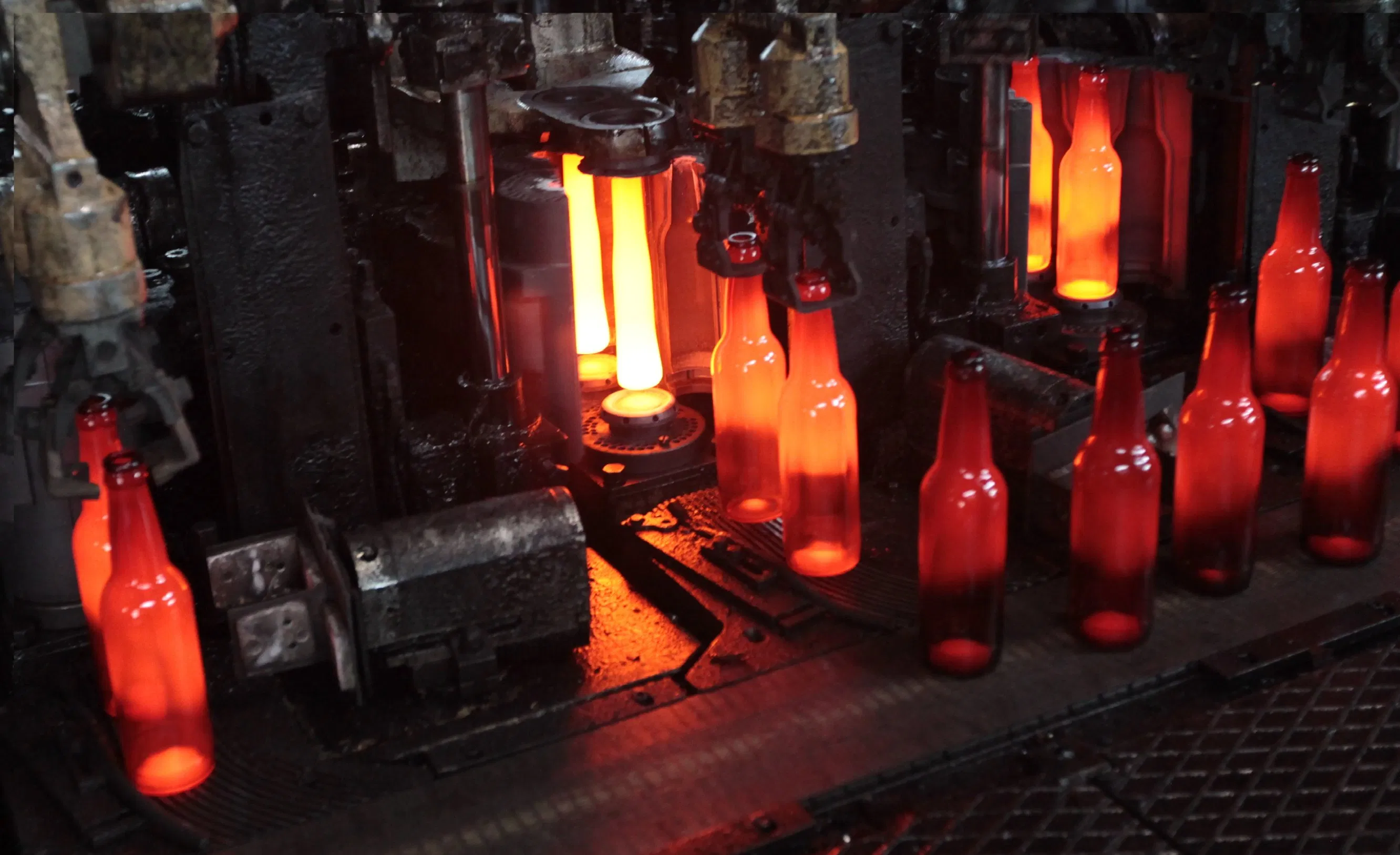
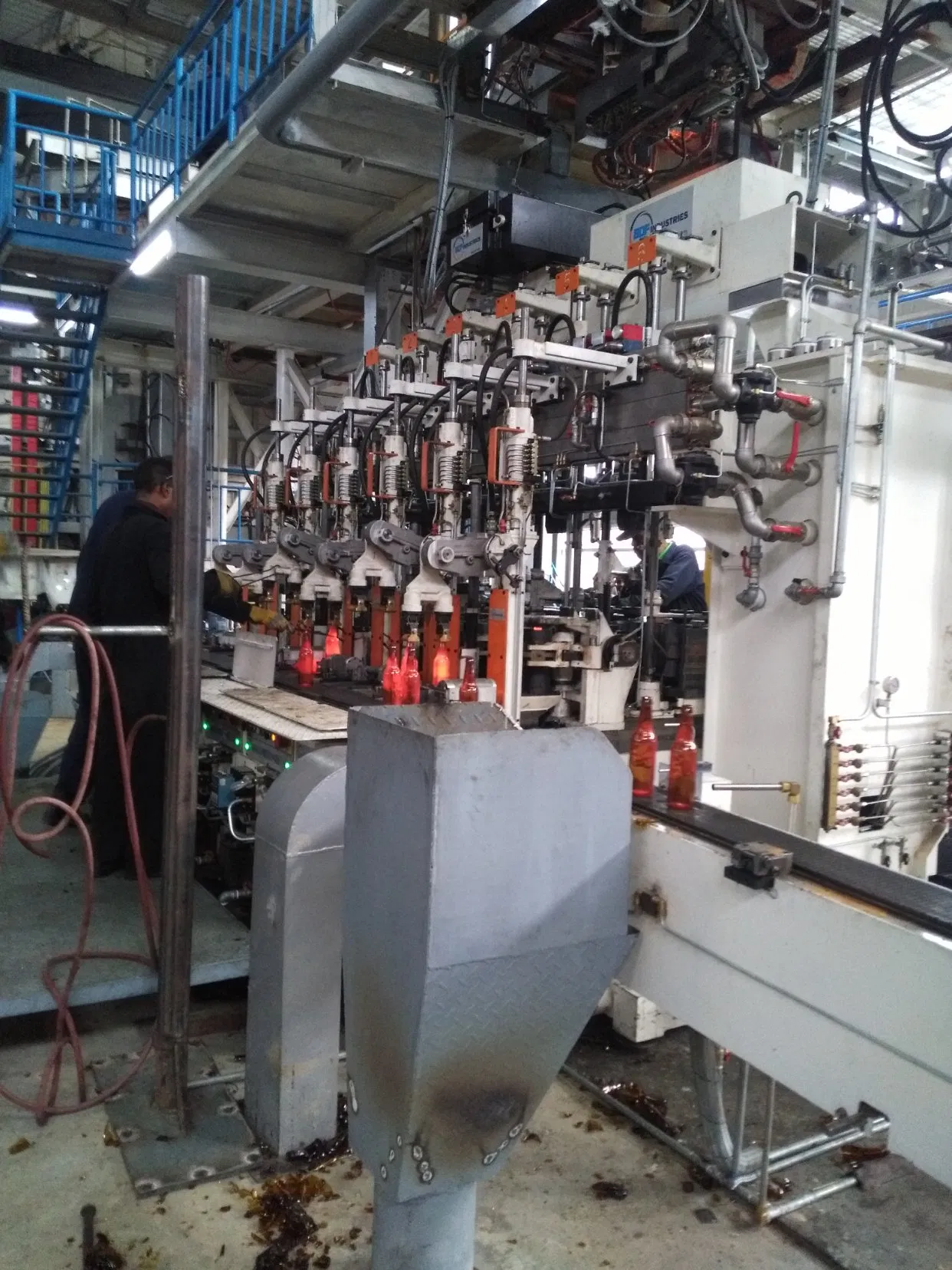
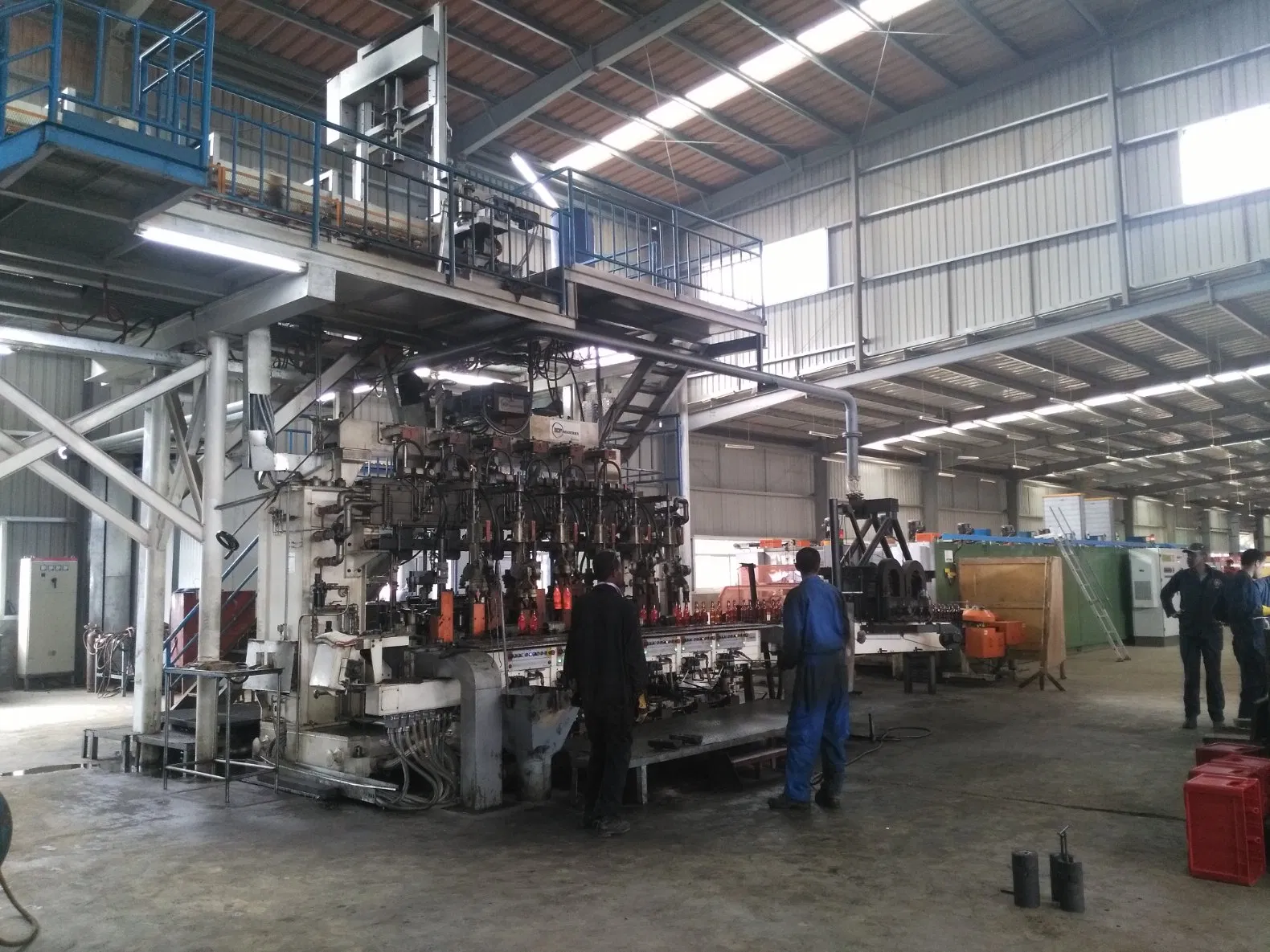
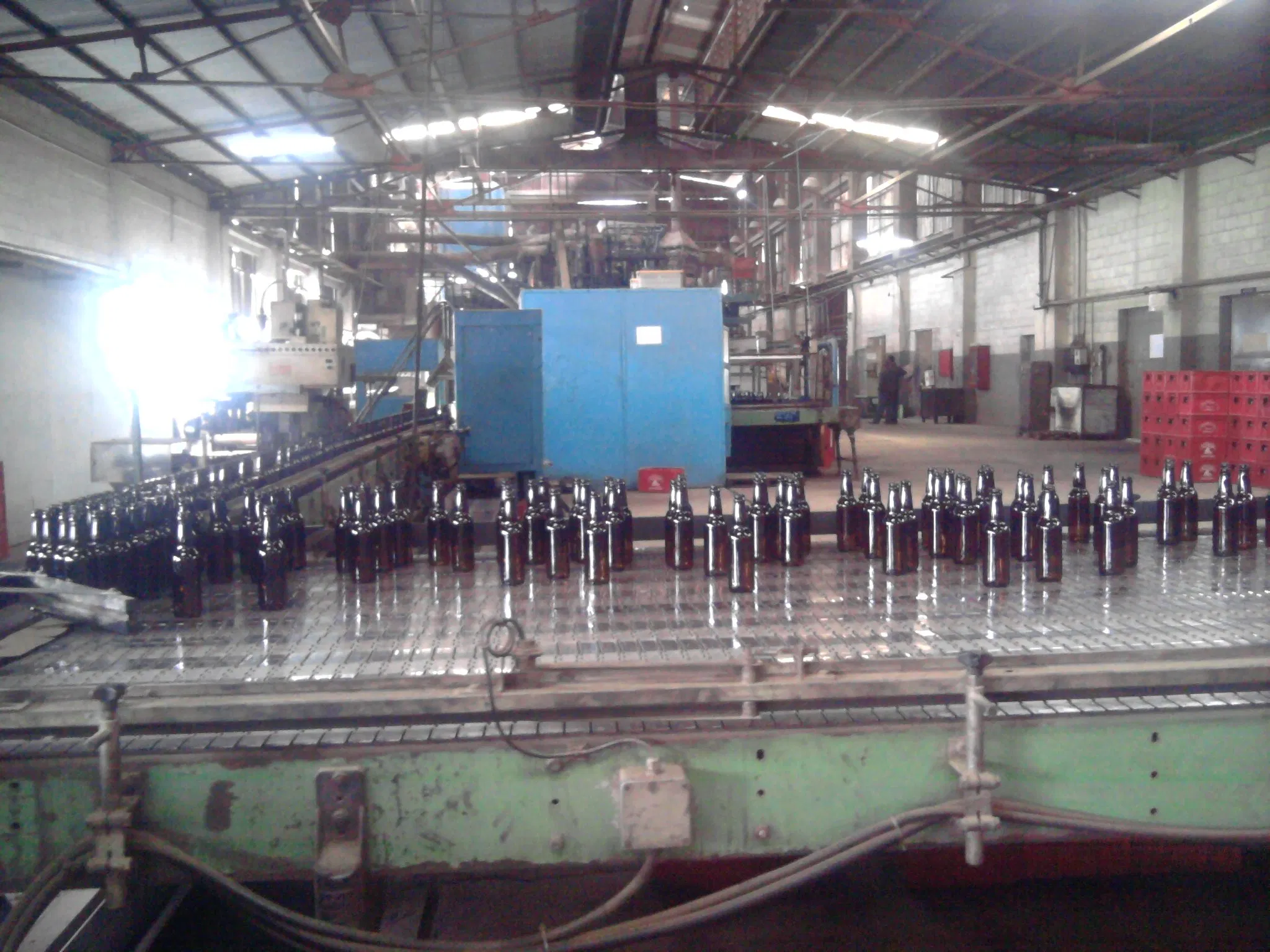
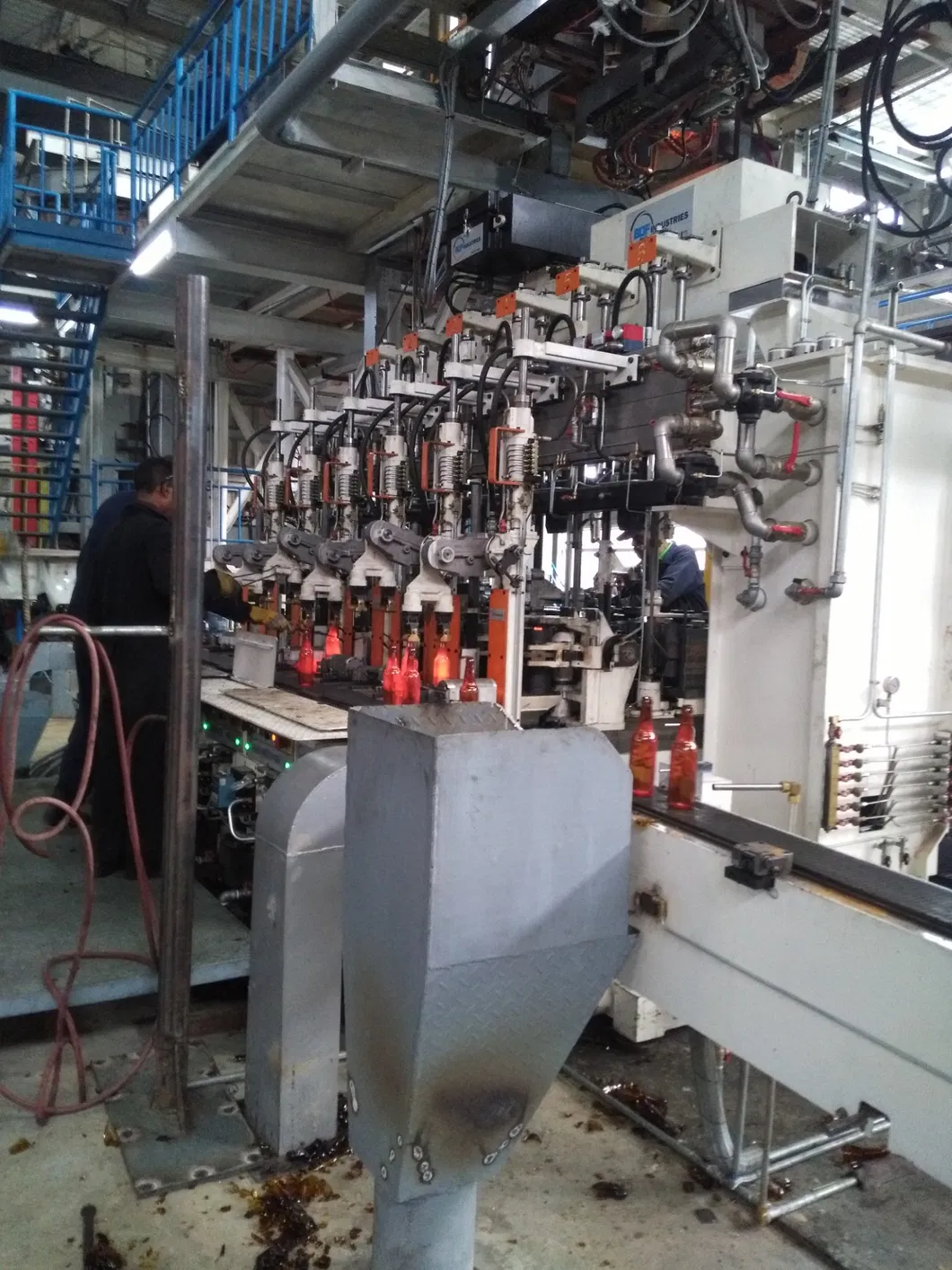
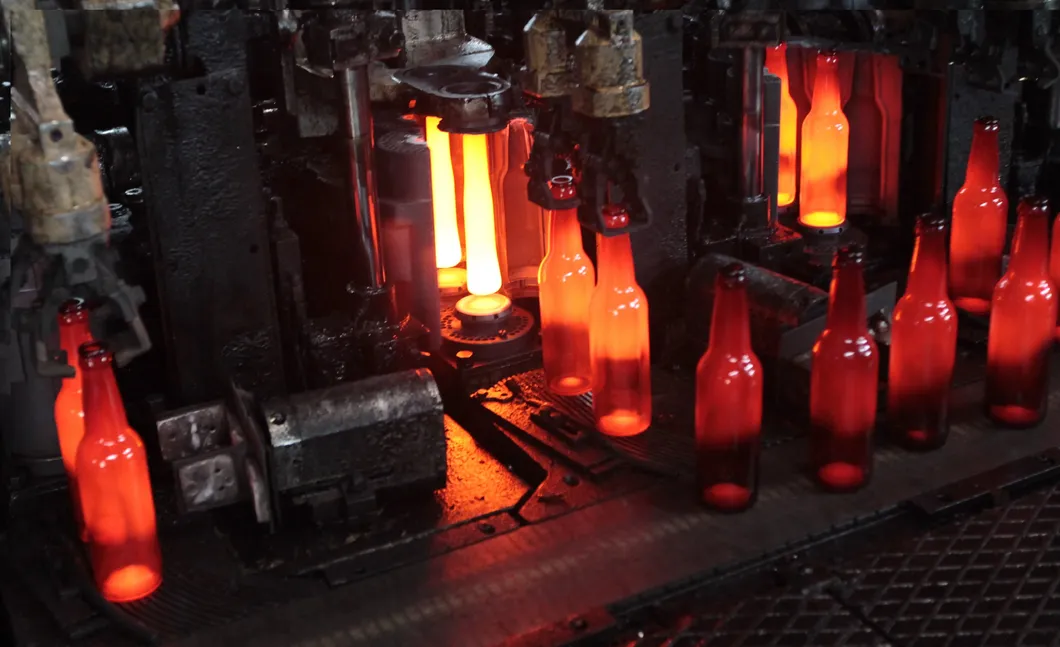
Raw material weighing - - preparation of batches - transportation of batches - lifting of batches - addition of batches - melting of glass - feeding (glass liquid) --- line machine (bottle making) --- conveying of bottles --- annealing of bottles --- manual inspection and packaging.

2. Main technical indicators of 60-ton electric melting furnace:

  • Melting area: 27m³
  • Melting rate: 2.2 t/m³/d
  • Melting pool unit consumption: ≤1.05 KWh/Kg (broken glass ≥20%, ≤40%)
  • Design life of electric melting furnace: ≥24 months
  • Daily feed volume: 60 tons/day
  • Electrode arrangement: 12 top plugs + 6 bottom plugs + 31 non-melting flat plugs
  • Feeding method: automatic feeding machine feeding
  • Forehearth heating method: two forehearths / glass liquid electrode heating / space electric heating
  • Material quality level: up to the national standard GB/T24694-2009

3. Main technical scheme of 60 electric melting furnace

3.1 Kiln structure

The melting part of the furnace adopts a 12-sided stepped design, and the upper part is the melting area. The lower part is the clarification and homogenization area, which adopts a polygonal structure to reduce the heat dissipation area and the dead angle of liquid flow, and effectively reduce the energy consumption of clarification and homogenization. The thickness of the zirconium corundum brick on the wall of the melting pool is designed to be 250mm, and the cooling air duct is added to the transition layer to ensure a service life of ≥24 months.

3.2 Configuration of key materials of the kiln

3.2.1 Considering the cost performance, the corundum bricks on the melting pool wall are divided into four layers:

  • The first layer is in the raw material layer area, the temperature is lower, and it is designed as 33#AZS.
  • The second layer is the high-temperature main melting zone, which is designed as 41#AZS. This part is in the scouring and high-temperature zone, and the liquid flow velocity is fast. It is required that the brick joint in this part is less than 0.5mm.
  • The third layer is the transition layer, which is used to interrupt the longitudinal liquid flow and create the transverse liquid flow to ensure the residence time of the glass liquid in the furnace. This part is designed with 41#AZS, and the external design is air-cooled.
  • The fourth layer is the clarification and homogenization zone, the temperature is relatively low, and there is no liquid scouring, and the design adopts 33#AZS.

The liquid flow hole is the throat of the kiln, and the flow rate of the glass liquid is fast. It is required that the corundum brick in this part is at least 41#AZS, and the brick gap is ≤0.3mm to ensure the overall life of the kiln.

The forehearth design adopts 33#WS-AZS zirconium corundum brick. The forehearth structure is designed to be open, the space (including the material basin space) is heated by electricity, and the glass liquid is heated by molybdenum electrodes, which reduces the longitudinal temperature difference of the glass liquid and avoids the generation of temperature difference lines and crystallization; the forehearth is equipped with 3 temperature zones to control. To ensure the convenience of temperature control operation and use, constant current control is adopted, and the control accuracy is ±1A.

3.2.2 The external thermal insulation design adopts tertiary high alumina, thermal insulation brick, sillimanite, mullite hook brick, aluminum silicate wool and other refractory materials.

Physical and chemical properties, production, processing and appearance requirements of fused cast zirconium corundum bricks:
?

Frequently Asked Questions

What is the daily production capacity of the MK-MM2488 production line?
The 60-ton electric melting furnace has a daily feed volume of 60 tons per day, with an overall annual production capacity of approximately 1,000,000 units.
What certifications does this glass machinery hold?
The equipment is fully certified with ISO and CE standards, ensuring compliance with international quality and safety regulations.
How long is the design life of the electric melting furnace?
The electric melting furnace is designed for a service life of at least 24 months, utilizing high-quality zirconium corundum bricks.
What heating methods are used for the forehearth?
The forehearth employs a combination of glass liquid electrode heating and space electric heating to ensure temperature uniformity.
Is the production line fully automated?
Yes, the line features automatic feeding machine feeding and is designed for intelligent manufacturing and comprehensive automatic operation.
What type of packaging is used for international transport?
The machinery is securely packed in professional wooden cases to ensure safety during transport, with a total package weight of approximately 200,000kg.

Related Products