Top 10 Benefits of Automated Glass Production Lines for Buyers?

Time:2026-09-03 Author:Amelia
0%

In today's competitive market, manufacturers constantly seek efficiency. One major advancement is the adoption of automated glass production lines. These systems enhance productivity while ensuring quality. Buyers often wonder, "What are the benefits of automated glass production lines?"

Automation reduces human error significantly. This results in more consistent product quality. Moreover, it increases production speed, allowing companies to meet rising demands. Reduced labor costs are another crucial advantage. With fewer workers needed on the floor, expenses decrease.

However, full automation isn't without challenges. Initial investment costs can be high. Training staff to operate new technology may require time and resources. Additionally, ongoing maintenance is essential to prevent breakdowns. These factors warrant careful consideration. Ultimately, the benefits can outweigh these concerns, especially for long-term growth.
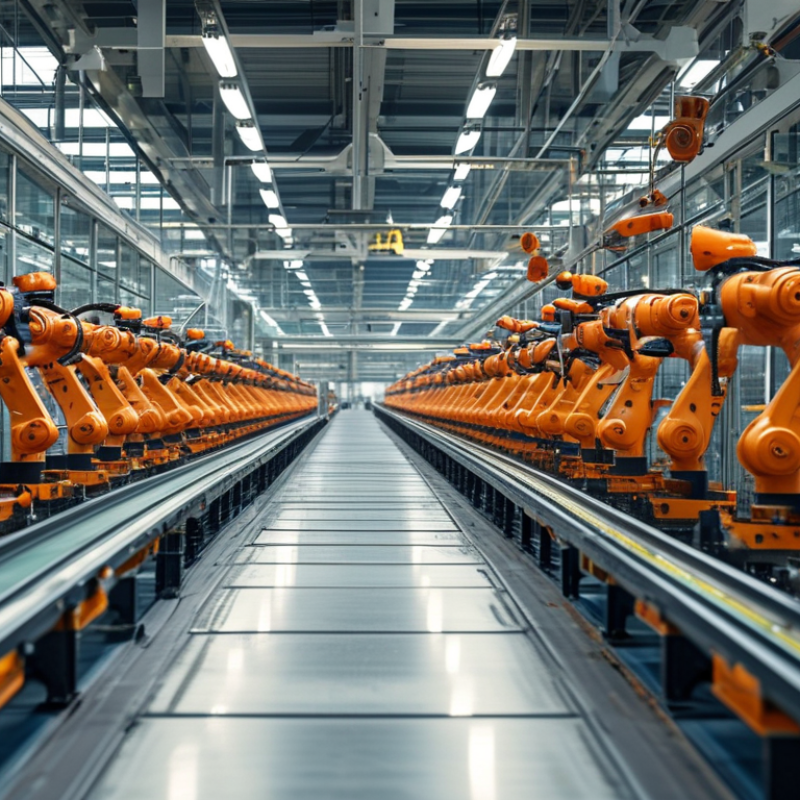
Top 10 Benefits of Automated Glass Production Lines for Buyers?

Advantages of Increased Efficiency in Automated Glass Production

Automated glass production lines are revolutionizing the industry by enhancing efficiency and reducing operational costs. According to a recent report by Industry Research, automation increases production speeds by up to 30%. This efficiency means faster turnaround times for customers and a greater ability to meet high demand. As a result, manufacturers can optimize their resources, leading to lower labor costs and minimal waste.

Moreover, automated systems significantly reduce human errors, which account for approximately 15% of production defects in manual setups. With advanced robotics and control systems, manufacturers achieve higher precision. Reports show that improved accuracy can decrease rework rates by up to 40%. However, these benefits come with a challenge; companies must invest in staff training to handle these complex systems, ensuring that the transition to automation doesn't introduce new issues.

Increased efficiency also fosters innovation. With faster production cycles, companies can experiment with new designs and techniques. While this could lead to exciting product developments, it also necessitates a strong feedback loop to assess the impact of these innovations. Balancing speed with quality remains a key consideration.

Cost Savings Achieved Through Automation in Glass Manufacturing

Automating glass production lines brings substantial cost savings to manufacturers. By minimizing manual labor, companies can reduce wages and associated training costs. Automation also enhances productivity by ensuring consistent output. This efficiency leads to fewer errors and material wastage, directly impacting the bottom line.

Investing in automated technology can be daunting. Initial setup costs may be high, and maintenance requires specialized knowledge. However, the long-term benefits often outweigh these challenges. Operators can focus on overseeing processes rather than executing every task. This shift allows skilled workers to engage in more critical areas of production, fostering innovation.

Automation does not eliminate the need for human oversight. It requires ongoing adjustments and quality checks. Some processes may still lag in efficiency, demanding continuous improvement. Addressing these gaps is essential for maximizing savings and maintaining competitiveness in the market.

Improved Quality Control in Automated Glass Production Processes

Automated glass production processes are transforming industry standards, particularly in quality control. According to a 2023 industry report by Glass Magazine, companies that have adopted automated lines report a 30% reduction in defects. This significant improvement is critical for maintaining customer satisfaction and ensuring product reliability. Advanced machinery uses sensors to monitor every stage of production, allowing real-time adjustments that enhance overall quality.

Data from the International Glass Association indicates that automated systems can increase production speed by up to 25%. Higher efficiency often leads to fewer errors and less waste. Less scrap means a tangible cost reduction, which benefits the bottom line. However, while automation greatly improves consistency, it requires robust maintenance protocols to avoid unexpected downtime. Neglect in machine upkeep can lead to quality discrepancies that challenge production efficiency.

Moreover, automated lines enable detailed tracking and analysis of production data. This capability allows manufacturers to identify potential issues before they escalate. Yet, reliance on technology means companies must continually adapt to evolving software and machinery standards. Balancing innovation with human oversight can pose challenges but remains essential for achieving optimal quality outcomes.

Environmental Benefits of Automated Glass Production Systems

Automated glass production systems offer notable environmental benefits. These systems significantly reduce waste by optimizing material usage. Reports indicate that automated lines can lower raw material waste by up to 35%. This reduction directly contributes to less landfill contribution, addressing a critical environmental concern.

Energy consumption is another area where automation shines. By integrating advanced technologies, manufacturers can reduce energy usage by up to 50%. For glass production, this means lower carbon emissions and a smaller overall carbon footprint. Moreover, automated systems often employ recycling methods that enhance sustainability. Studies show that up to 90% of glass can be reused in the production process.

Investment in automated glass production is not just about efficiency. It's also about creating a responsible manufacturing environment. However, transitioning to automation requires careful planning. Companies must evaluate their existing systems to identify areas for improvement. There is an ongoing need for industry players to weigh the costs against potential environmental benefits, ensuring a balanced approach to modernization.

Enhanced Flexibility and Scalability in Production Lines for Buyers

Automated glass production lines offer significant flexibility for buyers. These systems can adapt to various glass types and sizes, allowing for quick changes in production. They enable manufacturers to respond to market demand efficiently. This adaptability reduces downtime. Buyers can easily switch between different products without undergoing major overhauls.

Scalability is another key advantage. As businesses grow, production lines can expand with minimal disruption. Companies can increase their output by adding more modules or machines. This scalable approach supports long-term planning. Investment in automated systems becomes more justifiable, as future expansion needs are easily met.

Despite these advantages, challenges remain. Initial investments can be substantial, which may deter some buyers. Understanding the technology's operational needs is crucial. Additionally, the integration of automation into existing workflows can present difficulties. Ongoing training and adjustments are necessary for optimal functionality. Buyers must consider these factors carefully while reaping the benefits of automation.

Top 10 Benefits of Automated Glass Production Lines for Buyers

FAQS

: What are the main benefits of automating glass production?

: Automation improves efficiency, reduces operational costs, and increases production speeds by up to 30%.

How does automation impact production defects?

Automated systems reduce human errors, which account for about 15% of defects in manual setups, enhancing precision.

Can automation help in reducing waste?

Yes, automation minimizes material wastage, ensuring a more efficient use of resources during glass production.

What challenges come with implementing automated systems?

Companies must invest in staff training to prevent new issues from arising during the transition to automation.

How does automation influence innovation in glass manufacturing?

Faster production cycles allow manufacturers to experiment with new designs, but balancing speed and quality is crucial.

Are training costs a concern with automated systems?

Yes, initial training costs can be significant, but they are often outweighed by long-term savings and efficiency gains.

Does automation eliminate the need for human oversight?

No, human oversight remains necessary for adjustments, quality checks, and addressing inefficiencies in some processes.

What should companies consider before investing in automation?

Companies should weigh the high initial setup costs against potential long-term productivity benefits and cost savings.

How can companies maximize their savings with automation?

Continuous improvement and addressing efficiency gaps are essential for maximizing savings and maintaining market competitiveness.

Is it easy to implement automated systems?

Implementation can be complex and requires specialized knowledge for maintenance and operation adjustment.

Conclusion

Automated glass production lines offer numerous advantages that significantly benefit buyers in the manufacturing sector. One of the primary benefits is the increased efficiency achieved through automation, which streamlines processes and boosts productivity. This heightened efficiency often leads to substantial cost savings, allowing manufacturers to reduce labor expenses and minimize waste. Moreover, automated systems enhance quality control measures, ensuring that products meet stringent standards consistently.

Additionally, these production lines contribute to environmental sustainability by optimizing resource usage and reducing energy consumption. Flexibility and scalability are also key benefits for buyers, as automated systems can easily adapt to varying production demands and expand as needed. In summary, understanding "what are the benefits of automated glass production lines" reveals a compelling case for their adoption in modern manufacturing, reflecting the industry's move towards innovation and efficiency.

Amelia

Amelia

Amelia is a seasoned marketing professional with a wealth of expertise in our company’s core offerings. With an unwavering passion for driving growth and innovation, she plays a pivotal role in shaping our marketing strategies and enhancing brand visibility. A key aspect of her responsibilities......