Best Continuous Glass Tempering Furnace Features and Benefits?

Time:2026-03-20 Author:Aria
0%

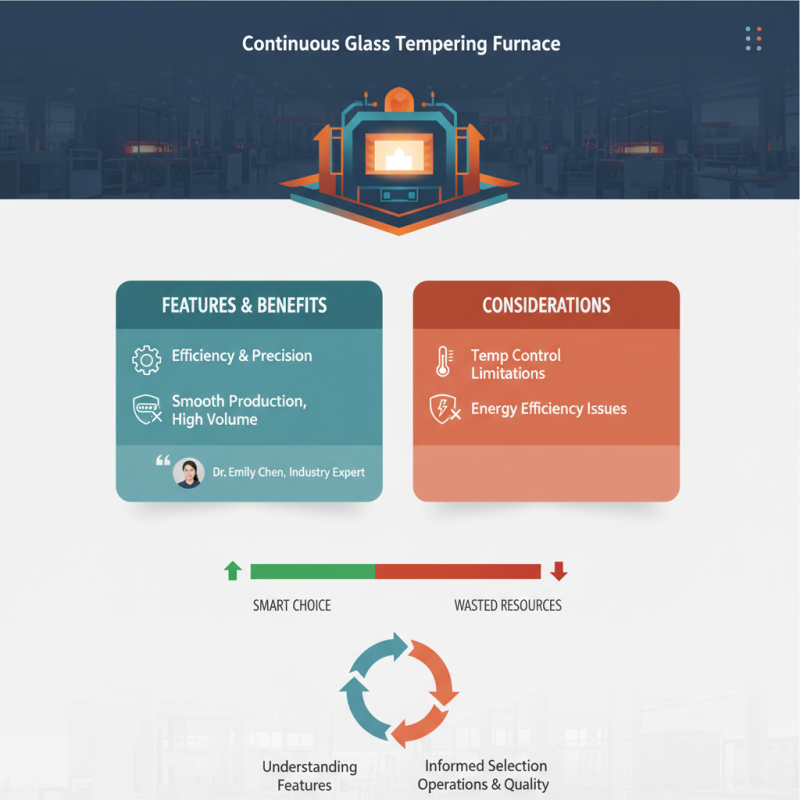
In the world of glass manufacturing, the "Continuous Glass Tempering Furnace" plays a crucial role. As noted by industry expert Dr. Emily Chen, "The right furnace can significantly enhance glass quality and durability." This highlights the importance of understanding these furnaces' features and benefits.

Continuous Glass Tempering Furnaces stand out for their efficiency and precision. They allow for a smooth production process. For instance, they can handle large volumes with consistent results. However, not all furnaces are created equal. Some may have limitations in temperature control or energy efficiency, which can affect production.

In exploring the best features, we must also recognize the potential shortcomings. Companies can overlook certain aspects, leading to wasted resources. Striking the right balance is vital. Understanding both advantages and drawbacks ensures smarter choices in furnace selection. This awareness can lead to improved operations and better-quality glass products.
Best Continuous Glass Tempering Furnace Features and Benefits?

Key Features of Continuous Glass Tempering Furnaces

Continuous glass tempering furnaces are essential in the glass manufacturing industry. They enhance glass strength and thermal stability. Key features include adjustable heating zones. These allow for precise temperature control. Reports indicate that a minor adjustment can improve efficiency by 15%.

Another notable aspect is the online monitoring system. This feature provides real-time data analytics. It helps identify potential issues before they escalate. Continuous furnaces also have faster processing times. Industry data shows that they can increase production rates by 30%.

**Tips:** Regular maintenance is vital. Check the heating elements frequently. Even small inconsistencies can lead to quality issues. Additionally, ensure that the furnace is properly calibrated. A well-calibrated furnace guarantees optimal performance. Continuous improvement in operations is crucial in maintaining quality.

Advantages of Using Continuous Glass Tempering Furnaces

Continuous glass tempering furnaces offer many advantages for the glass manufacturing industry. One key benefit is their ability to provide consistent product quality. This consistency results from controlled heating and cooling processes. Such precision helps in reducing defects and increasing the overall strength of the glass. Companies achieve better results, but they may overlook initial setup challenges.

Energy efficiency is another important feature. Continuous furnaces often use advanced technology to minimize energy consumption. This can reduce operational costs significantly, but initial investments can be high. Companies must balance costs with long-term savings, which requires careful analysis.

Additionally, the design allows for high production rates. Continuous processing means less downtime between batches. However, the complexity of these systems can lead to maintenance issues. Regular maintenance is essential to prevent unexpected failures. Operators need training to handle these systems effectively. Businesses may face difficulties in finding skilled personnel, reflecting a gap in workforce readiness.

How Continuous Glass Tempering Works: A Step-by-Step Process

Continuous glass tempering is a precise process that enhances the strength and durability of glass. The process begins with feeding glass sheets into a furnace, where they are heated uniformly. This heating stage is crucial. Studies show that optimal heating can improve compressive strength by up to 30%.

After reaching the required temperature, the glass sheets undergo rapid cooling. This cooling stage is called quenching. Here, air jets cool the glass quickly. This temperature difference creates residual stress, making the glass tougher. Reports indicate that properly tempered glass can withstand impacts better than non-tempered glass by approximately 4-5 times.

While continuous glass tempering offers many benefits, it also presents challenges. Maintaining uniform temperatures along the entire length of the furnace can be tricky. Variations in temperature can lead to uneven tempering, weakening some areas. Optimization of furnace settings is essential for achieving consistency in quality. The technology is improving, but there’s still room for enhancement in control systems. Knowing these details helps in recognizing the importance of mastering each step in the tempering process.

Applications of Continuous Glass Tempering in Industries

Continuous glass tempering is widely used across various industries. One primary application is in architecture. Tempered glass enhances safety and durability for buildings. It withstands thermal stress better than regular glass. This makes it perfect for windows and façades, providing aesthetic appeal and energy efficiency.

Automotive manufacturing also benefits from continuous glass tempering. Car windows require high durability to ensure passenger safety. Tempered glass can endure impacts without shattering. Additionally, it can enhance the car's aesthetic. However, the processes can be quite complex. Some manufacturers might overlook the importance of precise temperature control.

Tips: When selecting a tempering furnace, consider energy efficiency. It can significantly reduce operating costs over time. Regular maintenance is essential to ensure optimal performance. Small issues can lead to larger problems later on. Keeping your furnace in top shape minimizes downtime and improves product quality.

Maintenance Tips for Optimal Performance of Tempering Furnaces

When operating a continuous glass tempering furnace, maintenance is key. Proper care ensures optimal performance and longevity. Regular inspections can prevent unexpected failures. Pay close attention to heating elements. Inspect them for wear and ensure they are calibrated accurately.

Tips for Maintenance:
- Schedule routine cleaning for the furnace. Dust can accumulate, affecting efficiency.
- Check the cooling system regularly. Overheating can compromise glass quality.
- Monitor software updates for control systems. They can enhance performance and fix bugs.

Sometimes, little issues may go unnoticed. For example, minor temperature fluctuations can lead to inconsistent glass quality. Regular monitoring and timely repairs might feel tedious but are essential. Neglecting small problems can escalate costs and downtime. Maintaining the furnace's optimal condition requires vigilance and care.

Best Continuous Glass Tempering Furnace Features and Benefits

Feature Description Benefits Maintenance Tips
Rapid Heating Allows quick temperature rise to optimize production time. Increases efficiency and reduces cycle time. Regularly check heating elements for wear and tear.
Uniform Temperature Control Ensures even heat distribution across glass sheets. Reduces the risk of thermal stress and breakage. Calibrate temperature sensors regularly for accuracy.
Automatic Control Systems Integrates advanced software for process management. Enhances precision and reduces manual errors. Update software to the latest version for optimal performance.
Energy Efficiency Design minimizes energy consumption during operation. Reduces operational costs and environmental impact. Perform routine energy audits and maintain insulation.
High Throughput Capable of processing large volumes of glass. Meets high demand for production scalability. Schedule downtime for maintenance to prevent bottlenecks.

FAQS

: What is the main function of continuous glass tempering furnaces?

: They enhance glass strength and thermal stability for improved product quality.

How do adjustable heating zones benefit the process?

They allow for precise temperature control, increasing efficiency by up to 15%.

What role does the online monitoring system play?

It provides real-time data analytics, helping to identify potential issues early.

Can continuous furnaces increase production rates?

Yes, they can improve production rates by approximately 30% due to faster processing times.

Why is regular maintenance crucial for these furnaces?

Inspections can prevent unexpected failures and maintain optimal performance.

What are some common maintenance tips?

Schedule routine cleaning and check heating elements for wear and calibration.

How does energy efficiency affect operational costs?

Continuous furnaces minimize energy use, potentially lowering costs but may require high initial investments.

What challenges might companies face with continuous furnaces?

The complexity can lead to maintenance issues and finding skilled personnel can be difficult.

What can happen if small issues are ignored?

Minor problems can escalate, leading to increased costs and downtime.

How important is operator training for these systems?

Effective training is vital for handling complexities and ensuring smooth operations.

Conclusion

A Continuous Glass Tempering Furnace is an advanced solution for producing high-strength tempered glass. Key features of these furnaces include precise temperature control, efficient heating and cooling cycles, and continuous processing capabilities, which significantly enhance productivity. The major advantages are improved safety, durability, and thermal performance of the glass, making it ideal for various applications across industries such as architecture, automotive, and electronics.

The continuous glass tempering process involves a systematic heating and cooling phase, ensuring uniform tempering and enhancing the glass's strength. Proper maintenance is essential for optimal performance; regular checks and adherence to operational guidelines can prolong the lifespan of the furnace. With their diverse applications and efficiency, Continuous Glass Tempering Furnaces play a crucial role in modern glass manufacturing.

Aria

Aria

Aria is a dedicated marketing professional with a deep passion for innovative strategies and a keen understanding of our company's product offerings. With a wealth of experience in the industry, Aria excels at crafting engaging content that highlights the unique features and benefits of our......