10 Best Ways to Enhance Fault Tolerance and Stability in Automation?

Time:2026-05-19 Author:Oliver
0%

The automation industry is rapidly evolving, and enhancing fault tolerance and stability of automated production lines has never been more critical. According to a recent report by McKinsey, companies with high fault tolerance can increase production efficiency by up to 30%. This statistic underscores the importance of robust systems that can withstand disruptions. Experts emphasize that implementing measures to avoid operational failures is essential for maintaining productivity.

Jean-Marie Ghuich, a renowned automation specialist, once stated, "In automation, the key to progress lies in our ability to minimize failures." His insights reflect a common understanding within the industry. Many production lines operate with outdated systems that struggle to cope with modern demands. Companies must evaluate their current setups to identify vulnerabilities.

As the demand for high-quality goods grows, the need for reliable automation systems increases. Businesses risk falling behind if they overlook strategies to enhance fault tolerance and stability. Adopting advanced technologies, conducting regular assessments, and training staff can create a more resilient manufacturing environment. Embracing these changes is vital for staying competitive today.
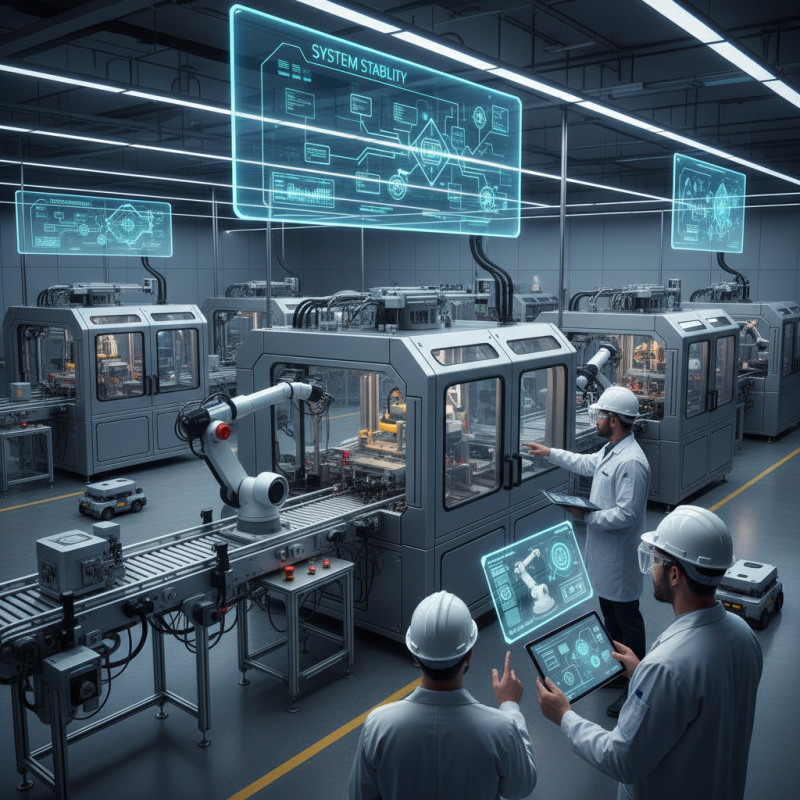
10 Best Ways to Enhance Fault Tolerance and Stability in Automation?

Understanding Fault Tolerance in Automation Systems

Fault tolerance is crucial in automation systems. It ensures that operations continue smoothly despite unexpected failures. According to a report by the International Society of Automation, about 90% of automation failures stem from software errors rather than hardware malfunctions. This statistic highlights the need for robust error-handling mechanisms in automated environments.

Many organizations overlook redundancy. Redundant systems can take over when primary systems fail. Research from the University of Illinois indicates that embracing redundancy can increase system availability by over 30%. This is a significant enhancement, especially in critical sectors like healthcare and manufacturing. However, simply adding more components does not guarantee stability. It requires careful planning and integration.

Monitoring is another essential aspect. Real-time systems should constantly assess their operational health. The recovery time can be significantly reduced with proactive monitoring. A study by McKinsey & Company found that companies with real-time monitoring can reduce downtime by 50%. On the other hand, lack of proper analytics tools can lead to severe disruptions. Many organizations still rely on outdated methods, reflecting a need for improvement and evolution in their fault tolerance strategies.

Implementing Redundancy Strategies for Enhanced Stability

Implementing redundancy strategies is vital for enhancing stability in automation systems. Redundancy can reduce the risk of system failure. It involves creating duplicate components or processes. According to a recent report by the International Society of Automation, organizations that implement redundancy experience a 30% decrease in downtime. This statistic highlights how valuable redundancy can be for operational continuity.

One practical approach is using dual controllers. These can monitor each other, ensuring seamless operation. In cases where one controller fails, the other can take over immediately. This setup minimizes disruptions. However, not all organizations adopt this strategy due to cost concerns. A study from the Automation Research Institute showed that around 40% of manufacturers still rely on single-controller systems. It’s a reminder that balance between cost and reliability is essential.

Examine your current infrastructure. Identify critical failure points. Implementing a failover system can be complex but necessary. Over 65% of companies that conducted failure analysis reported they could have avoided massive losses with better redundancy. While the upfront investment might appear daunting, the long-term benefits of stability and fault tolerance are undeniable.

Regular System Monitoring and Data Integrity Checks

Regular system monitoring is crucial for ensuring automation stability. By continuously overseeing system performance, teams can quickly identify any irregularities. This proactive approach helps catch issues before they escalate into significant problems. Daily checks can reveal patterns that indicate potential failures. It’s not enough to react; being vigilant is key.


Data integrity checks are equally essential. They validate that the data being processed remains consistent and accurate. Inconsistent data can lead to incorrect outputs, impacting overall operations. Implementing automated checks can streamline this process. However, it's important to recognize that these systems can also generate false positives. Frequent reviews of these alerts can help in fine-tuning the monitoring process.


Moreover, balancing thoroughness and efficiency in monitoring is a challenging task. Teams may struggle with alert fatigue if too many notifications flood in. Adjusting thresholds and focusing on critical systems can mitigate this. Developing a culture of openness about monitoring challenges encourages shared learning and improvement. Emphasizing these practices can better prepare organizations for unforeseen disruptions.

Utilizing Automated Recovery Techniques for Quick Resilience

Automated recovery techniques are crucial for enhancing fault tolerance in modern automation systems. According to a 2022 report by IT Research Group, 70% of companies experienced downtime that impacted their operations in the last year. This highlights the need for effective resilience strategies. Automated recovery allows systems to revert to a stable state rapidly. This minimizes downtime and mitigates losses.

One effective technique is self-healing automation. This process identifies failures and initiates corrective actions without human intervention. For instance, a study from Tech Insights found that organizations implementing self-healing systems reduced recovery time by up to 85%. This capability is becoming essential. However, reliance on automation also introduces vulnerabilities. A single failure could lead to widespread issues if systems do not have robust safeguards.

Combining automated recovery with predictive analytics can improve stability. By analyzing patterns, organizations can anticipate potential failures. This proactive approach allows for timely interventions. Research indicates that predictive maintenance can lower operational costs by 25%. Nevertheless, organizations must remain vigilant. Over-reliance on technology can lead to complacency. Continuous testing and refinement of recovery procedures are necessary to ensure resilience in an ever-evolving landscape.

Building a Culture of Continuous Improvement and Learning

Continuous improvement and learning are vital in enhancing fault tolerance and stability in automation processes. Research indicates that organizations fostering a culture of ongoing development can experience up to 30% lower downtime in their automated systems. This proactive approach encourages teams to regularly evaluate and refine their practices. Teams should engage in open dialogues about failures and successes. This transparency builds trust and encourages innovation.

Reflective practices such as regular reviews can significantly aid in uncovering areas for improvement. A 2021 study found that 70% of automation failures were linked to inadequate training and skill gaps. Investing in training programs tailored to employee needs not only increases competence but also promotes a sense of ownership. Implementing peer-led workshops can be an effective way to share insights and foster collaboration.

Furthermore, it’s essential to acknowledge that mistakes are part of the learning journey. When teams feel comfortable discussing errors, they can collectively identify solutions. Incorporating feedback loops into automation processes will enable ongoing adjustments, ultimately leading to more resilient systems. Embracing this culture of learning ensures that organizations are better positioned to adapt to challenges.

10 Best Ways to Enhance Fault Tolerance and Stability in Automation

Method Description Benefits Implementation Tips
Redundancy Implementing duplicate systems to ensure availability. Minimizes downtime during failures. Identify critical components and provide backups.
Automated Monitoring Real-time system monitoring for early fault detection. Quick response to issues, preventing system crashes. Use reliable monitoring tools and set alerts.
Failover Systems Switching to a backup system in case of failure. Enhances reliability and uptime. Regularly test the failover process.
Regular Software Updates Keeping software up to date to fix vulnerabilities. Improves security and system performance. Schedule updates during low-traffic periods.
Error Handling Strategies Developing robust procedures for error management. Boosts system resilience during unexpected events. Document error responses and regularly train staff.
Load Balancing Distributing workloads across multiple resources. Prevents excessive load on a single component. Utilize load balancing tools to manage traffic effectively.
Disaster Recovery Planning Preparing a strategy for data loss and system failures. Ensures business continuity in critical situations. Conduct regular drills and update plans as needed.
Training and Development Investing in employee knowledge and skills enhancement. Empowers staff to handle issues effectively. Provide continuous learning opportunities and workshops.
User Feedback Loops Collecting user feedback to improve systems. Identifies areas of improvement before they become critical. Incorporate feedback mechanisms into the workflow.
Performance Testing Simulating various loads and failure scenarios. Reveals weaknesses in the system before real issues arise. Schedule regular performance tests and report findings.

FAQS

: Why is fault tolerance important in automation systems?

: Fault tolerance ensures smooth operations despite unexpected failures, crucial for maintaining productivity.

What causes most automation failures?

About 90% of automation failures arise from software errors, not hardware malfunctions.

How can redundancy improve system availability?

Redundant systems can take over from failures, increasing availability by over 30% in critical sectors.

What role does monitoring play in automation systems?

Real-time monitoring helps assess operational health, significantly reducing recovery time during failures.

How can automated recovery techniques help organizations?

Automated recovery minimizes downtime by allowing systems to revert to stable states rapidly.

What is self-healing automation?

Self-healing automation identifies failures and initiates corrections without human intervention, improving efficiency.

How do predictive analytics contribute to stability?

Predictive analytics helps anticipate failures, allowing timely interventions and reducing operational costs.

What is the impact of a culture of continuous improvement?

A continuous improvement culture can lead to up to 30% lower downtime in automation systems.

Why is training important for automation teams?

Inadequate training leads to 70% of automation failures, so investing in tailored training is essential.

How can discussing mistakes benefit teams?

Open discussions about errors foster trust and innovation, helping teams collectively find solutions.

Conclusion

To enhance fault tolerance and stability of automated production lines, it is crucial to understand the principles of fault tolerance in automation systems. This involves implementing effective redundancy strategies, which can ensure that operations continue seamlessly in the event of a failure. Regular system monitoring and data integrity checks play a vital role in preemptively identifying potential issues, thereby maintaining system reliability.

In addition, employing automated recovery techniques can significantly improve resilience, allowing systems to quickly restore functionality after an error has occurred. Cultivating a culture of continuous improvement and learning among team members further contributes to a robust automation environment. By integrating these approaches, businesses can create a more stable and resilient automated production line, ensuring efficiency and minimizing downtime.

Oliver

Oliver

Oliver is a seasoned marketing professional with a wealth of expertise in driving brand awareness and engagement. With a deep understanding of our company's product offerings, he consistently delivers high-quality content that enriches our professional blog. His insights not only shed light on......