In the glass handling industry, reducing deformation and damage is a critical priority. According to Dr. Emily Carter, a leading expert in glass engineering, "Implementing the right handling techniques can significantly limit glass defects." Her insights highlight the importance of careful handling in maintaining product integrity.
Efficient methods to reduce deformation and damage during glass handling are essential for manufacturers. The glass material is inherently fragile, demanding specialized techniques. From using padded equipment to training employees on best practices, every detail matters. Many facilities still struggle with minor damage during transport. This not only impacts production efficiency but also increases costs.
A thorough understanding of how to reduce deformation and damage during glass handling can greatly enhance operational outcomes. Investing in better handling equipment is vital. However, vigilance in employee training often determines success. Manufacturers must reflect on their processes and take proactive measures. Continuous improvement in this area can lead to a substantial decrease in waste and increased customer satisfaction.
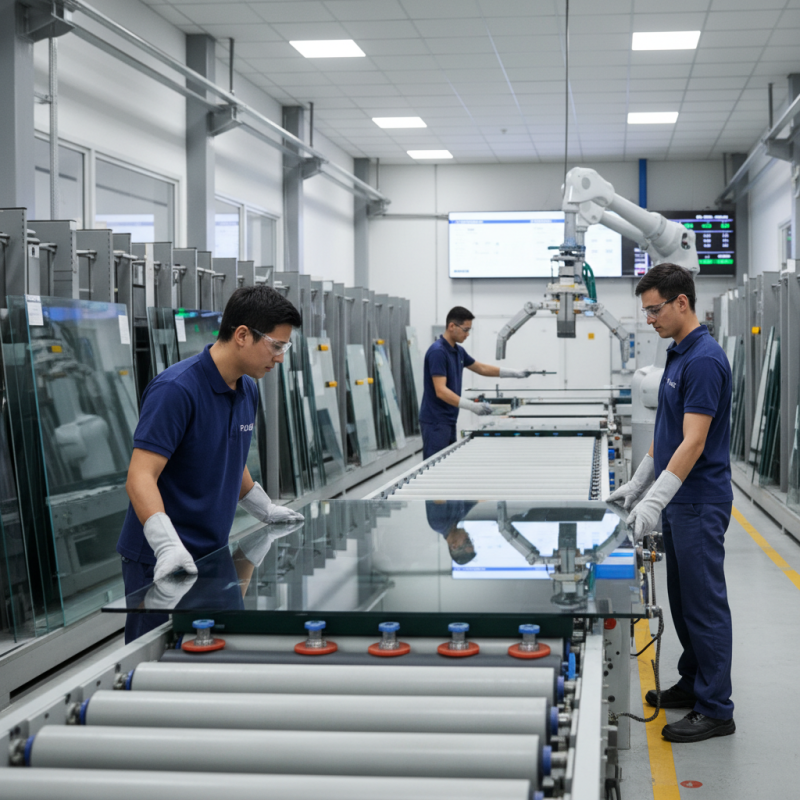
When it comes to transporting glass, careful packaging is essential. Proper cushioning can significantly reduce the risk of damage. Using materials like foam or bubble wrap provides an extra layer of protection. Ensure that glass items fit snugly within their packaging. This limits movement during transit. It’s surprising how often inadequate packing leads to breakage.
Consider the orientation of glass during transport. Always indicate ‘This Side Up’ on the boxes. However, not all staff might notice these markings. Training and reminders can help mitigate this issue. Regular quality checks on packaging materials are necessary. Over time, they can lose effectiveness, leading to potential risks.
Lastly, labeling is vital. Clear, concise labels can avert confusion. Yet, some packages still arrive with unclear instructions. A small oversight can lead to significant damage. Reflecting on past shipments can help improve future practices. It's a continuous learning process in glass handling.
: Temperature changes can cause deformation and cracking in glass. Rapid shifts create internal stress, risking damage.
Always allow glass to acclimate to its surroundings. This reduces the risk of thermal stress-related damage.
Maintain consistent temperatures, use protective padding, and train staff on temperature-related risks.
Knowledgeable staff can identify potential issues early. Proper training helps minimize risks and damage during handling.
Most damage occurs during transportation and installation phases. These points need careful procedural assessments.
Yes, using specialized equipment reduces damage rates significantly. Manual lifting often leads to more accidents.
Evaluating and reflecting on current methods can reveal hidden inefficiencies. Continuous improvement is essential for safety.
Proper training is often overlooked. Many employees are unaware of best practices for lifting and moving glass.
Employees may stick to familiar techniques, compromising safety and efficiency. Awareness and training can change this.
Using protective padding helps reduce the effects of thermal shock during handling and transportation of glass.
In the pursuit of optimizing glass handling, the article "2026 Best Ways to Reduce Deformation and Damage in Glass Handling" outlines several key practices essential for minimizing risks associated with glass transportation. Emphasizing the importance of proper glass packaging during transit, it explores how effective packaging can significantly reduce deformation and damage during glass handling. Moreover, it examines the impact of temperature variations on glass integrity, highlighting how fluctuations can lead to cracking and other forms of damage.
Additionally, the article discusses the effective use of protective materials that serve as a first line of defense against potential impacts. Technological innovations in glass handling equipment are also addressed, showcasing advancements that enhance the safety and efficiency of the process. Finally, a statistical analysis reveals damage rates in commercial glass handling operations, providing valuable insights into areas needing improvement. By integrating these practices, businesses can greatly reduce deformation and damage during glass handling, ensuring safer operations and better product integrity.

 Yabo CNC