The glass manufacturing industry faces complex challenges. A critical question emerges: "What factors affect the cost of a glass production line?" Understanding this question is vital for manufacturers and investors alike.
Expert David Thompson, a leading consultant in glass production, states, "Raw material quality and technology choices directly impact costs." His insight shines a light on the many dimensions influencing production expenses. For instance, the choice of raw materials can dramatically alter the overall budget. High-quality materials may raise initial costs but can improve product durability and efficiency.
Additionally, technology advancements play a significant role. Investment in innovative machinery can be costly but might yield higher production rates. However, the balance of cost and benefit remains a constant consideration. For many, the decision is not straightforward. Each factor can lead to different paths, making it essential to analyze strengths and potential drawbacks.
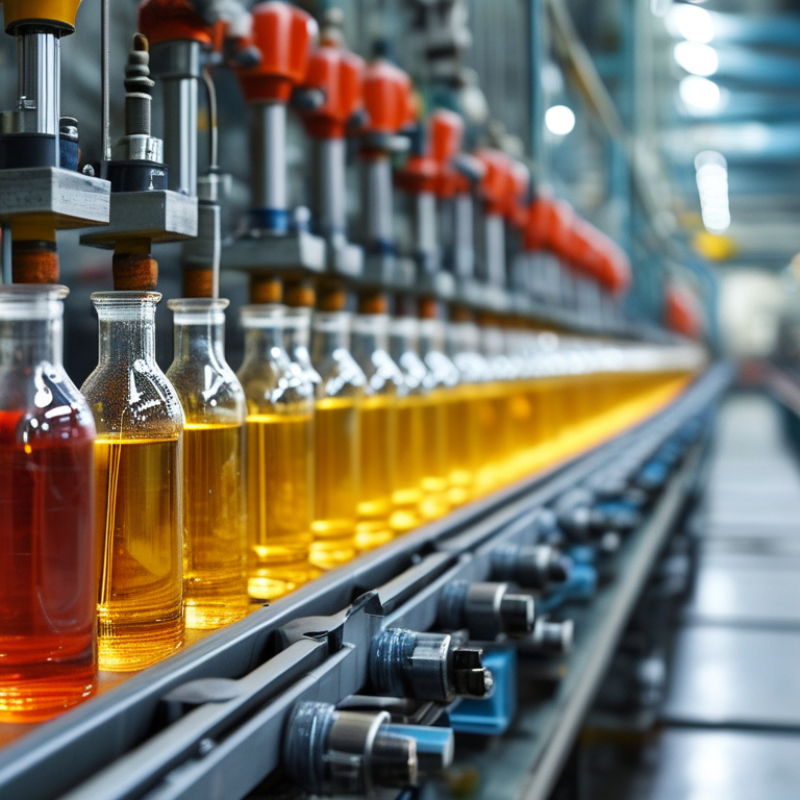
Factors Influencing the Cost of Glass Production Lines
The cost of a glass production line varies significantly due to several key factors. One major aspect is technology and equipment. According to the Glass Manufacturing Industry Council, advanced manufacturing technologies can increase initial costs by as much as 30%. However, these technologies often lead to higher efficiency and lower operational costs over time.
Labor costs are another considerable factor. The labor market's volatility can impact wages for skilled workers. Reports from the Bureau of Labor Statistics indicate that the average hourly wage for glass manufacturing workers has increased by 4% in recent years. This factor can contribute to an overall rise in production line costs, especially in areas with a high demand for skilled labor.
Additionally, raw material prices fluctuate and influence the overall budget for a production line. The price of silica sand, a vital ingredient, saw a 15% increase last year. Such variations can affect long-term planning and investment decisions. Despite these challenges, many manufacturers realize the importance of balancing cost with quality and efficiency. This ongoing pursuit often requires reflections on previous decisions and adaptations to market trends.
Types of Glass Production Lines and Their Cost Differences
The cost of glass production lines varies significantly based on the type and technology used. Float glass production lines, commonly employed for manufacturing flat glass, can range from $15 million to over $50 million. This variation depends on factors like line capacity, automation levels, and energy efficiency features.
In contrast, container glass production lines are typically more cost-effective. Their prices generally fall between $5 million and $30 million. The complexity of the production process, including mold systems and inspection technologies, influences these costs. For example, advanced automation systems can raise initial investments but offer long-term savings through reduced labor costs.
Furthermore, specialty glass production lines, which cater to unique market demands, may incur higher costs. These lines require specialized equipment and expertise, often leading to expenditures exceeding $60 million. As a result, understanding the specific needs of the glass type you intend to produce is crucial for accurate budgeting and investment planning. Despite the diverse cost factors, manufacturers should reflect on the pressing need for sustainable practices, especially as environmental regulations tighten globally.
Why Does the Cost of a Glass Production Line Vary? - Types of Glass Production Lines and Their Cost Differences
| Type of Glass Production Line |
Initial Investment Cost (USD) |
Operational Cost (USD/month) |
Production Capacity (units/day) |
Key Features |
| Float Glass Production Line |
$5,000,000 |
$50,000 |
8000 |
High precision, low distortion, large sizes |
| Container Glass Production Line |
$3,500,000 |
$40,000 |
12000 |
High efficiency, fast cycle time, automated |
| Flat Glass Production Line |
$4,500,000 |
$45,000 |
6000 |
Energy efficient, variety of thicknesses |
| Specialty Glass Production Line |
$6,000,000 |
$60,000 |
2000 |
Custom shapes, high quality, low volume |
Technology and Automation in Glass Manufacturing Cost Variations
The glass manufacturing industry showcases a diverse range of technologies and automation techniques. These elements significantly influence the overall cost of a production line. Advanced machinery can streamline processes, but it increases initial investments. Robotic systems, for instance, enhance efficiency but may require training and ongoing maintenance.
Additionally, the integration of automated systems can vary by region. Labor costs, energy prices, and technological access shape the financial landscape. In some areas, investing in cutting-edge equipment might pay off in the long run. However, smaller manufacturers may struggle to justify such expenses. Balancing cost and innovation is crucial.
It's essential to reflect on the evolving nature of glass production. As technology improves, what was once state-of-the-art can quickly become outdated. Companies must continuously invest and adapt to stay competitive. Yet, there can be a risk in over-automation. It might lead to job losses and a lack of skilled operators. Thus, the cost of a glass production line remains a complex interplay of technology, labor, and market demands.
Market Demand Impact on Glass Production Line Pricing
The cost of a glass production line can fluctuate widely due to various factors. One significant element is market demand. When demand is high, manufacturers often raise prices to maximize profits. This creates a ripple effect throughout the industry, affecting even the smallest players. For instance, if construction projects surge, the need for glass windows and façades increases. This impacts production line costs directly.
Conversely, during economic downturns, demand can plummet. Glass producers might lower their prices to attract buyers, leading to tighter profit margins. A manufacturer might invest in newer technology when demand is robust. However, if the market shifts unexpectedly, those investments may not yield expected returns. It’s a delicate balance, one that requires constant market analysis and adaptability.
Understanding these dynamics can help stakeholders make informed decisions. Diligently monitoring trends is essential. However, over-reliance on market data can lead to miscalculations. Industry fluctuations can be unpredictable. This uncertainty means that producers must remain flexible and ready to adjust their strategies as needed.
Maintenance and Durability Considerations in Glass Production Costs
The cost of a glass production line is heavily influenced by maintenance and durability factors. A reliable production line requires significant investment in both technology and upkeep. Industry reports indicate that regular maintenance can reduce downtime by up to 30%. On the other hand, neglecting maintenance can lead to substantial losses. Equipment failures often require costly repairs and can escalate operational costs.
Durability plays a crucial role in determining long-term expenses. High-quality materials and construction can significantly enhance equipment lifespan. According to a 2022 industry analysis, lines designed with durable components last up to 20% longer than their cheaper counterparts. This initial investment tends to pay off through lower operational disruptions and replacement needs. However, companies sometimes overlook these aspects, leading to increased long-term costs.
Maintenance protocols can vary. Some might implement rigorous schedules, while others may adopt a more reactive approach. Balancing these strategies is critical. Reports suggest that companies with proactive maintenance strategies spend 15% less over five years compared to those that follow a reactive model. Emphasizing maintenance and durability is essential for anyone considering a glass production line investment.
Cost Factors in Glass Production Lines
FAQS
: Key factors include technology, labor costs, and raw material prices.
Advanced technologies can raise initial costs by about 30%, but improve efficiency over time.
The labor market's variability affects skilled worker wages, which have risen by 4% recently.
Prices of vital materials, like silica sand, can fluctuate. For instance, it increased by 15% last year.
High demand often leads to increased prices, while downturns can force producers to lower prices.
Over-automation can lead to job losses and a lack of skilled workers, complicating operations.
Market trends impact investment decisions. Constant analysis helps avoid potential miscalculations.
Technologies can quickly become outdated, risking competitiveness without constant investment and adaptation.
They must carefully reflect on investments and assess their long-term value against current market conditions.
Over-reliance on data can lead to incorrect decisions. Market fluctuations are often unpredictable.
Conclusion
The cost of a glass production line varies significantly due to several key factors. Important considerations include the type of glass production line, as different types utilize various materials and processes that influence overall expenses. Additionally, the level of technology and automation integrated within the line plays a crucial role, with more advanced systems often leading to higher costs but potentially improving efficiency and output quality.
Market demand is another critical factor affecting pricing; high demand might lead to increased costs due to the intervention of supply and economic conditions. Finally, maintenance and durability considerations can impact the long-term costs associated with glass production lines, as investing in higher quality equipment may reduce future maintenance expenses. Overall, understanding "what factors affect the cost of a glass production line" is essential for manufacturers to make informed investment decisions.

 Yabo CNC