In the glass production industry, understanding the distinction between different production lines is crucial. When discussing this, John Smith, a renowned industry expert, states, "The choice between float and tempered glass can profoundly affect performance and safety." So, what is the difference between float and tempered glass production lines?
Float glass production involves a process where molten glass is floated on molten tin. This method results in a smooth, uniform sheet ideal for various applications. In contrast, tempered glass production applies heat treatment to strengthen the glass. This process enhances durability and safety, making it suitable for high-stress environments. Each method serves different needs and applications, showcasing technological advancements in glass manufacturing.
Both production lines have unique characteristics. Understanding these differences helps manufacturers select the right type for their projects. Professionals often overlook the implications of their choices, leading to safety and efficiency issues later. Knowledge is key in this field, and the importance of these distinctions cannot be understated.
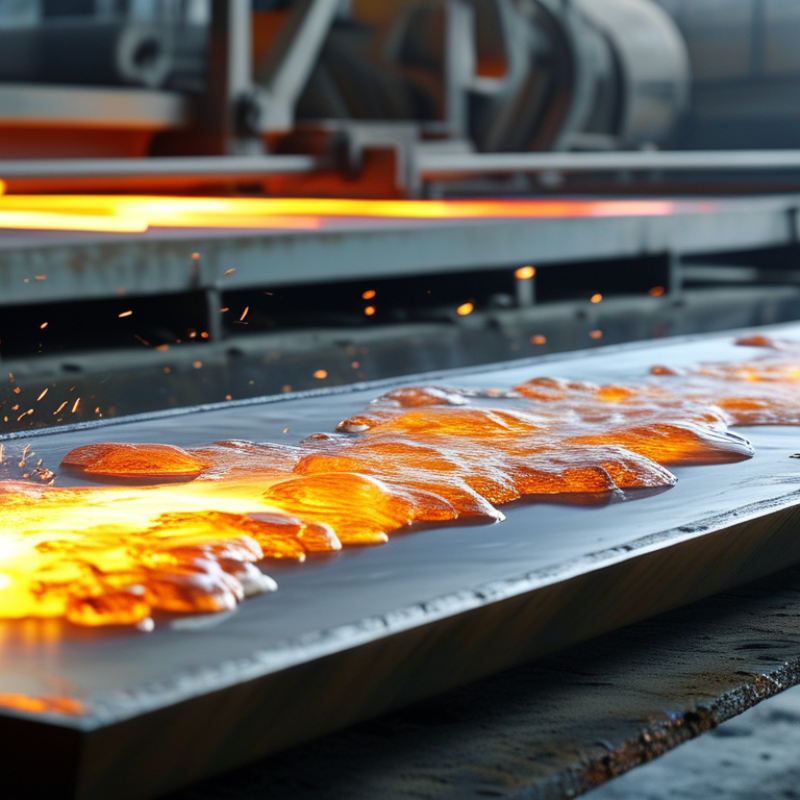
Overview of Float Glass Production Process
The float glass production process is a fascinating journey from raw materials to finished products. It begins with melting silica sand, soda ash, and limestone in a furnace at high temperatures. The molten glass then flows onto a pool of molten tin. This method ensures a smooth and flat surface. Gravity and surface tension perfect the thickness, which typically ranges from 2mm to 19mm.
Temperature control is crucial throughout the process. A constant balance ensures optimal cooling, preventing defects. The cooling stage, known as annealing, helps relieve internal stresses. This step determines the glass's final properties. Defects like bubbles or uneven thickness can occur. Mistakes in timing or temperature can lead to losses in production quality.
Tip: Ensure you maintain precise temperature settings. Small deviations can lead to significant quality issues.
The challenge is in producing large batches uniformly. Even slight variations can affect strength and clarity. Monitoring the quality at each stage is vital. Regular inspections help catch flaws early. While innovative technologies enhance productivity, the fundamentals remain. Timely adjustments and ongoing training for operators are essential.
Tip: Always have a feedback loop in place. Continuous improvement drives the success of the production line.
Key Stages in Tempered Glass Manufacturing
Tempered glass manufacturing involves several key stages. Each stage plays a vital role in producing high-quality tempered glass. The process begins with cutting and preparing the float glass. This glass is selected for its uniform thickness and clarity. Precision in this stage ensures the final product meets strict standards.
After cutting, the glass undergoes a cleaning process. Any dust or residues can compromise the final quality. Next, the glass is heated in a furnace. This stage is crucial. The glass reaches temperatures of about 620°C to 700°C. The rapid heating prepares it for the cooling phase.
The cooling process is equally important. The glass is subjected to cool air blasts. This rapid cooling increases its strength. It's fascinating how this method transforms the glass structure at a molecular level. However, inconsistencies can occur, leading to weak points. Regular monitoring is essential to avoid such flaws in production. Each step must be executed with precision and care to ensure the best outcome.
Difference Between Float and Tempered Glass Production Lines
| Stage |
Float Glass Production |
Tempered Glass Production |
| Raw Material Preparation |
Silica Sand, Soda Ash, and Limestone |
Silica Sand, Soda Ash, and Limestone |
| Melting |
Glass Batch melted at ~1700°C |
Glass Batch melted at ~1700°C |
| Forming |
Float process on molten tin |
Cutting and edge finishing required |
| Annealing |
Slow cooling in the lehr |
Not applicable; goes to tempering process |
| Tempering |
Not applicable |
Rapid heating and cooling for strength |
| Finishing |
Cut to size and packaging |
Polishing edges and packaging |
Comparison of Raw Materials Used in Both Processes
In the glass manufacturing industry, raw materials play a critical role in defining quality and performance. Float glass production relies heavily on silica sand, soda ash, and limestone as its primary components. Silica sand constitutes about 70% of the raw material mix. This composition ensures a smooth surface finish, essential for applications like windows and mirrors. Reports indicate that the global market for float glass is projected to reach $167 billion by 2024, driven mostly by rising construction activities.
On the other hand, tempered glass requires a different formulation. It commonly includes the same base materials but adds varying levels of alumina and magnesium oxide. This results in enhanced thermal and mechanical properties. The tempering process itself increases strength and safety. A recent study highlighted that tempered glass is up to five times stronger than standard glass, making it suitable for high-stress environments like skyscraper facades or shower doors.
While both types of glass share similar base ingredients, the differences lie in their specific compositions and treatment processes. Notably, the environmental impact of raw material sourcing raises concerns. Poorly managed silica sand extraction can lead to habitat destruction and water depletion. This is a critical reflection point for manufacturers aiming for sustainability amid rising demand. This dilemma highlights the need for improvements and alternatives in material sourcing.
Quality Control Measures in Float vs. Tempered Glass
Quality control is crucial in the production of float and tempered glass. Float glass production involves a process that requires precise temperature control and uniformity. Research shows that about 90% of defects arise from inconsistencies during this stage. Specific measures include monitoring the tin bath temperature and ensuring proper glass thickness. It is essential to conduct regular checks to maintain quality standards and minimize variations.
In contrast, tempered glass undergoes a heating and cooling process that strengthens it. The essential quality control measures include ensuring even heating and rapid cooling. Studies indicate that improper tempering can cause unexpected fractures. Operators must regularly test the glass for stress points. Documenting temperature records and performing breakage tests can prevent failures. Even minor oversights can lead to significant safety hazards.
Understanding the differences in these control measures can enhance production quality. Float glass may face more issues during initial formation, while tempered glass requires deeper checks throughout its thermal processes. Both types demand a commitment to monitoring and data analysis. Unattended aspects in either process can lead to substantial setbacks. It's vital to foster a culture of rigorous quality checks to uphold standards.
Applications and Uses of Float and Tempered Glass
Float glass and tempered glass serve diverse architectural and industrial applications.
Float glass is known for its smooth, flat surface and high clarity.
It is often used in windows, doors, and mirrors. Its production method involves
floating molten glass on liquid tin, creating a uniform thickness. This process results in
a product ideal for applications that require visibility and aesthetics.
Tempered glass, on the other hand, is engineered for strength and safety.
The manufacturing process involves heating and rapidly cooling the glass. This treatment
increases its resistance to thermal stress and physical impact. Tempered glass finds use in
shower doors, glass doors, and facades. The added strength also makes it suitable for
high-rise buildings and other structures where safety is a concern. However, it can shatter into small pieces rather than sharp shards,
presenting both advantages and possible challenges in certain scenarios.
In practice, understanding the differences between these glass types can be complex. While float glass offers beauty,
it lacks the strength of tempered glass. Choosing the right type requires careful
consideration of safety, aesthetics, and the intended application. Each choice presents unique challenges,
demanding thoughtful reflection on the specific needs of a project.
FAQS
: The first step involves cutting and preparing float glass for uniform thickness and clarity.
Cleaning removes dust and residues that could compromise the final glass quality.
Glass is heated to about 620°C to 700°C before cooling.
Rapid cooling increases the glass's strength by altering its structure at a molecular level.
Ensuring even heating, rapid cooling, and regular testing for stress points are essential.
Improper tempering can lead to unexpected fractures, posing safety risks.
Float glass is often used in windows, doors, and mirrors due to its high clarity.
Its increased resistance to thermal stress and physical impact enhances safety in constructions.
When shattered, it breaks into small pieces instead of sharp shards, which can be both a risk and a benefit.
Careful consideration of safety, aesthetics, and application is crucial for selecting the right type.
Conclusion
The article titled "Difference Between Float and Tempered Glass Production Lines?" provides a comprehensive comparison of the two distinct glass manufacturing processes. It begins with an overview of the float glass production process, detailing how molten glass is floated on tin to create flat, smooth surfaces. The key stages in tempered glass manufacturing are also outlined, emphasizing the heating and rapid cooling steps that enhance its strength and safety features.
Furthermore, the article compares the raw materials used in both processes, showcasing variations that affect the final product's characteristics. It also discusses quality control measures specific to float and tempered glass, highlighting the rigorous testing standards each type must meet. Finally, the applications and uses of both float and tempered glass are examined, illustrating their unique roles in architecture and design. In conclusion, the article answers the critical question: what is the difference between float and tempered glass production lines?

 Yabo CNC