In the world of industrial glass manufacturing, equipment maintenance is critical. Effective maintenance can significantly reduce operational downtime. This leads to improved productivity and cost savings. However, maintenance processes can often be complex and time-consuming.
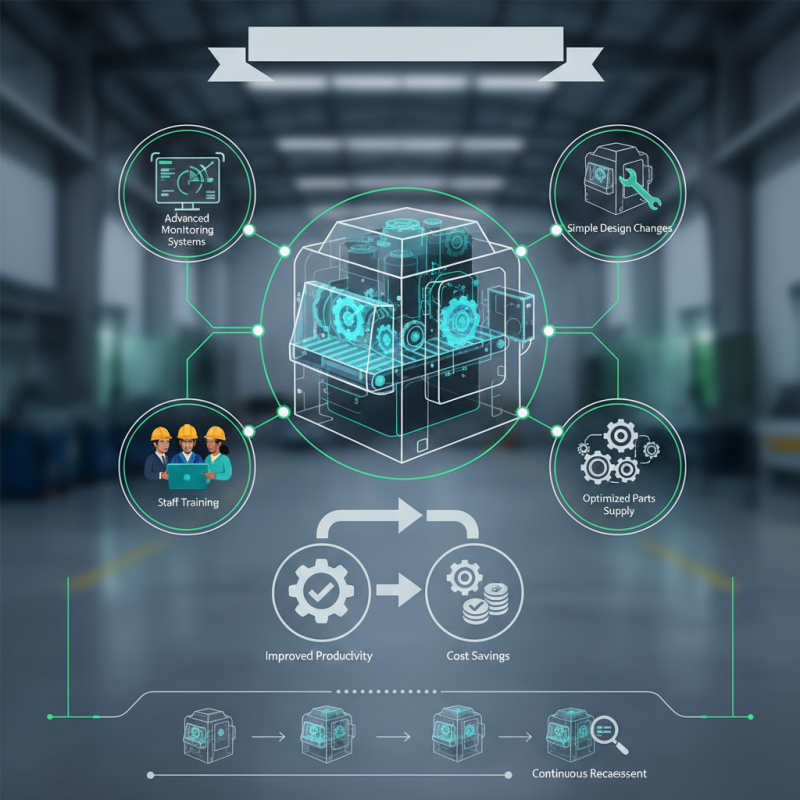
To enhance maintenance convenience for industrial glass machines, companies must adopt a strategic approach. This includes using advanced monitoring systems that track equipment performance in real-time. Simple design changes can also facilitate easier access to essential components. Another factor is training staff to recognize common issues quickly.
Despite advancements, challenges remain. Some machines still have outdated designs that hinder maintenance. Furthermore, reliance on specific parts can cause delays in repairs. Companies need to continuously reassess and improve their maintenance strategies. By focusing on these aspects, it is possible to enhance maintenance convenience for industrial glass machines effectively.
Maintenance convenience is critical for industrial glass machines. These machines face demanding operational environments. Regular maintenance can prevent unexpected downtimes. A well-maintained machine can enhance productivity and reduce costs. Understanding maintenance convenience can help operators make informed decisions.
Tips: Utilize a maintenance checklist. This ensures no step is overlooked. Keeping parts organized can save time during repairs. Training staff on machine specifics is crucial. They should know how to perform basic maintenance tasks.
Sometimes, despite best efforts, machines may still face issues. Operators might overlook signs of wear. Regular inspection schedules can help catch problems early. This proactive approach can save money in the long run. It's essential to remember that effective maintenance is not just a one-time effort; it requires continuous attention.
When considering the maintenance of industrial glass machines, specific features significantly impact convenience. Key aspects include accessibility, design, and modularity. Machines designed with accessible components allow quicker inspection and repair. This reduces downtime. Technicians can easily reach critical areas without the need for extensive disassembly.
Another critical feature is modularity. Machines with modular parts enable easy replacement or upgrades. This can save time during maintenance and enhance overall performance. For instance, parts that can be quickly swapped out streamline repairs, ensuring processes remain efficient. Machine design often reflects user input, highlighting the importance of functional ergonomics in maintenance.
However, not all machines prioritize these features. Some industrial glass machines may have complex configurations that complicate maintenance. This can lead to increased service costs. Regular assessments of machine design are essential. Identifying potential flaws can improve maintenance strategies and enhance overall reliability. The balance between innovation and maintenance convenience is crucial for long-term operational success.
| Feature | Description | Impact on Maintenance | Example Solutions |
|---|---|---|---|
| Easy Access | Design allows quick access to components for inspection and repair. | Reduces downtime and improves repair speed. | Modular designs, hinged panels. |
| Automated Diagnostics | Built-in diagnostic tools for self-assessment of machine health. | Helps in early detection of issues, minimizing unexpected failures. | Integrated software that alerts operators to potential problems. |
| User-Friendly Interfaces | Intuitive control panels and monitors. | Simplifies operation and troubleshooting processes. | Touchscreen controls, clear visual indicators. |
| Modular Components | Components that can be replaced or upgraded independently. | Facilitates easier maintenance and upgrades. | Interchangeable parts, snap-fit designs. |
| Preventive Maintenance Alerts | Notifications for scheduled maintenance tasks. | Helps in preventing major breakdowns by keeping maintenance on schedule. | Email/text alerts, maintenance scheduling software. |
Regular maintenance of glass processing equipment is vital for operational efficiency. Scheduled inspections should be a routine practice. Technicians must assess the condition of each machine component. This includes checking for wear and tear on belts, gears, and blades. A detailed log helps track maintenance tasks and issues.
Routine cleaning is another essential task. Dust and glass particles can accumulate, affecting the machinery's performance. Cleaning the work area regularly prevents excessive wear. Technicians should utilize appropriate cleaning agents that don’t harm the equipment. In some cases, operators may overlook simple yet impactful maintenance steps.
Training staff is also crucial. Employees need to understand the correct operation of machinery. Misuse can lead to damage or accidents. Regular training sessions reinforce proper techniques and highlight maintenance best practices. Gathering feedback from operators is helpful to improve maintenance procedures. Continuous improvement is necessary for optimal performance.
Maintaining industrial glass machines can be a complex task. Innovative tools and technologies have emerged to simplify this process. One key advancement is predictive maintenance software. This technology uses sensors and data analytics to anticipate equipment failures before they occur. According to a recent report, predictive maintenance can reduce maintenance costs by up to 30% and improve machinery uptime by 20%.
Another area of focus is remote monitoring tools. These allow technicians to oversee machine performance from anywhere. With real-time data access, issues can be diagnosed swiftly and precisely. A survey showed that 70% of maintenance teams reported increased efficiency with remote monitoring.
However, challenges remain. Many organizations still struggle to integrate these new technologies effectively. Training staff on new systems can take time. Additionally, relying solely on technology may lead to oversight of basic maintenance practices. Balancing innovative tools while ensuring proper hands-on maintenance is crucial. Each tool has its place, but relying too heavily on them can be detrimental.
Training and support systems play a crucial role in enhancing operator maintenance efficiency for industrial glass machines. According to a recent report by the International Society of Glass, about 70% of maintenance issues stem from operator error rather than equipment failure. This highlights the need for effective training programs tailored to the specific machinery. A hands-on training approach can significantly reduce operational mistakes, increasing both safety and productivity by up to 25%.
However, training alone may not be sufficient. Three out of five operators report feeling unsupported post-training, impacting their performance. Implementing a mentorship program within organizations can bridge this gap. A seasoned technician can provide real-time feedback and help troubleshoot issues, fostering a culture of continuous improvement. This method not only enhances skills but also builds confidence among operators, which is vital for effective maintenance.
Moreover, predictive maintenance strategies require skilled personnel who understand data analysis. A recent survey indicated that companies utilizing predictive analytics saw a 15% reduction in maintenance costs. Training operators to interpret data can lead to timely interventions, preventing potential failures before they occur. Yet, many facilities overlook this aspect, risking unexpected downtime that could have been avoided. Such missed opportunities for improvement indicate a need for a more robust support framework.
: Maintenance convenience is vital as it prevents unexpected downtimes and enhances productivity while reducing costs.
Operators can use a maintenance checklist to avoid overlooking any crucial steps during the process.
Accessible components in machine design allow quicker inspections, reducing downtime and improving repair efficiency.
Machines with modular parts enable easy replacement, saving time and enhancing overall performance during maintenance.
Effective training can reduce operator errors, boosting safety and productivity by as much as 25%.
Many operators report feeling unsupported after training, which can negatively affect their performance and confidence.
Mentorship can provide operators with real-time feedback, helping troubleshoot issues and fostering continuous improvement.
Skilled personnel using predictive analytics can identify issues early, reducing maintenance costs by about 15%.
Many facilities overlook training operators to interpret data, risking unexpected downtimes that could have been avoided.
Regular evaluation of machine design is essential to identify flaws that could complicate maintenance and increase costs.
Enhancing maintenance convenience for industrial glass machines is crucial for ensuring operational efficiency and minimizing downtime. This involves understanding key features of these machines that can influence maintenance processes, such as ease of access to components and the design of maintenance-friendly interfaces. Implementing best practices for regular maintenance, including scheduled inspections and timely repairs, can significantly prolong the lifespan of the equipment.
Moreover, the adoption of innovative tools and technologies can simplify maintenance tasks. Incorporating advanced diagnostic systems and user-friendly maintenance software can provide real-time insights and streamline troubleshooting. Additionally, establishing comprehensive training and support systems for operators is essential to enhance their efficiency in carrying out maintenance tasks, ultimately leading to a more effective and convenient maintenance regime for industrial glass machines.

Yabo CNC