Enhancing wear resistance of key components in glass machines is crucial for longevity and performance. Glass production involves harsh conditions. Abrasive materials and high temperatures can wear down machine parts. This wear leads to increased maintenance costs and equipment downtime.
To address these challenges, manufacturers must explore advanced materials and surface treatments. Research indicates that specific coating techniques can significantly improve durability. For instance, diamond-like carbon (DLC) coatings have shown promise in increasing hardness and reducing friction. However, not all solutions are universally effective. Factors like material compatibility and environmental conditions must be considered.
Moreover, selecting the right alloys can also play a crucial role. Some metals exhibit greater resistance to wear but may be cost-prohibitive. Therefore, finding a balance between cost and performance is essential. As manufacturers strive to enhance wear resistance, ongoing evaluation and adaptation will be necessary. The goal remains clear: to enhance wear resistance of key components in glass machines effectively.
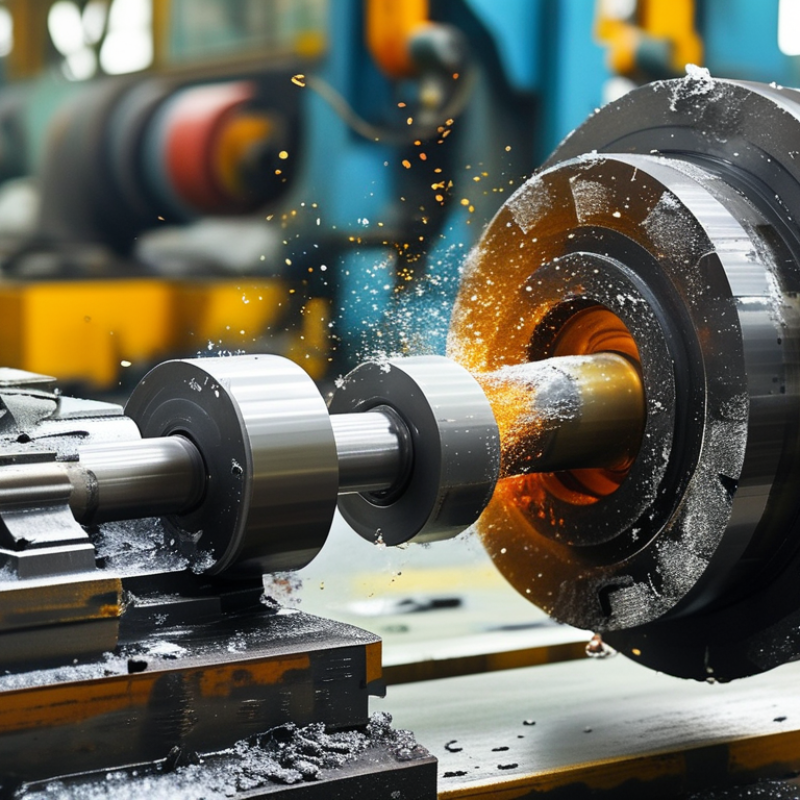
In the glass manufacturing industry, wear resistance is crucial for machine components. Selecting the right materials can drastically enhance their longevity. Research indicates that glass machinery often faces wear from abrasives like sand and glass shards. In fact, approximately 25% of equipment downtime is attributable to component wear, leading to substantial financial losses.
When choosing materials, consider those with high hardness and toughness values. For example, ceramics and refractory metals show excellent wear resistance. A report from the Glass Industry Institute highlighted that using alumina ceramic liners can reduce maintenance costs by up to 40%. Evaluate the operational conditions as well; factors such as temperature and chemical exposure significantly affect material performance.
Tips: Regularly assess and test the performance of components in real conditions. Even high-performing materials may not meet expectations if used incorrectly. Consider investing in advanced coatings that can provide added protection against wear. Regular maintenance checks will help identify early signs of wear, allowing for timely interventions. Always explore new materials and technologies that emerge in the industry, as they can offer unexpected advantages.
Surface treatments play a critical role in enhancing the wear resistance of glass components in machinery. These treatments can significantly improve the lifespan of parts subjected to constant friction and pressure. For instance, applying a layer of hard coating can increase the surface hardness, thus reducing wear. This method involves advanced techniques such as chemical vapor deposition or plasma spraying.
Different types of surface treatments result in varying levels of durability and wear resistance. Certain coatings can repel abrasives effectively, while others might merely create a barrier. It’s essential to choose the right treatment based on the operational environment of the glass components. The challenge lies in balancing cost-efficiency with the desired performance improvements.
Despite advancements, there are limitations and potential downsides with some treatments. Incompatibility with specific types of glass can lead to fractures or degradation over time. Moreover, the application process itself may introduce imperfections. Therefore, careful evaluation and testing are necessary. These factors must be addressed to optimize wear resistance effectively in glass machine components.
| Surface Treatment | Hardness (HV) | Wear Rate (mm³/Nm) | Coefficient of Friction | Lifespan Increase (%) |
|---|---|---|---|---|
| Heat Treatment | 800 | 0.05 | 0.4 | 30 |
| Coating (SiC) | 1200 | 0.02 | 0.3 | 50 |
| Burnishing | 900 | 0.04 | 0.35 | 40 |
| Chemical Etching | 950 | 0.03 | 0.33 | 45 |
| Plasma Treatment | 1100 | 0.01 | 0.25 | 60 |
Coatings play a vital role in enhancing the durability of glass machine parts. They provide a protective barrier against wear and tear caused by abrasive materials. Different types of coatings can be applied, each offering unique benefits. For example, ceramic coatings can resist high temperatures. Meanwhile, polymer coatings may offer flexibility and corrosion resistance.
Tips: Choose a coating based on the specific challenges your components face. Consider the material interactions as well. Testing the coatings in real-world conditions can reveal their strengths and weaknesses.
The application process is crucial. Surface preparation impacts the adhesion of coatings significantly. A clean, roughened surface generally yields better results. Regular monitoring of the coating's performance over time can help identify any deterioration or failure.
Tips: Schedule routine maintenance checks. Assess the effectiveness of coatings and look for signs of wear. Gathering data will inform any necessary adjustments. A proactive approach ensures the longevity of glass machine parts.
In glass machining, wear resistance is critical. Operating conditions significantly influence wear mechanisms. Factors such as temperature, pressure, and lubrication can alter the longevity of components. A study by the Glass and Ceramics Research Institute revealed that high temperatures can reduce wear resistance by up to 30%. This finding highlights the importance of monitoring heat during production.
Pressure also plays a vital role in wear rates. Increased pressure often accelerates wear, leading to frequent component replacement. A recent analysis showed that wear can escalate by 15% for each additional bar of pressure. These statistics underline the need for careful management of operating conditions to enhance durability.
Lubrication methods impact wear as well. Proper lubrication can double the life expectancy of glass machine parts. Conversely, inadequate lubrication often leads to increased friction, resulting in significant wear. Understanding these wear mechanisms is crucial to improving the overall performance of glass machining systems.
Innovative design techniques play a vital role in enhancing the longevity of glass machine components. One effective approach is the use of advanced materials. Materials formulated with high-grade ceramics can withstand extreme wear. These ceramics can be integrated into critical wear points, providing improved resistance to abrasive forces.
Another significant method is optimizing the geometry of components. Streamlined shapes can minimize stress concentration. This design can reduce failure rates over time. By implementing finite element analysis, engineers can predict potential weak spots in machinery. Often, overlooked areas become the most vulnerable to wear.
Regular maintenance should not be neglected. Even the most innovative designs require attention and care. Improper maintenance can lead to unexpected failures. Investing time in routine checks can complement design improvements. Often, a small oversight can lead to significant breakdowns. In the quest for longer-lasting glass equipment, continuous evaluation of both design and upkeep is essential.
: Coatings provide a protective barrier against wear and tear. They enhance durability by resisting erosion from abrasive materials.
Clean, rough surfaces boost coating adhesion. Proper application ensures better protection and longevity of the coatings.
High temperatures can reduce wear resistance significantly. Monitoring heat during production is crucial to manage this risk.
Increased pressure can accelerate wear rates. A rise of just one bar can increase wear by 15%, leading to more frequent replacements.
Proper lubrication can double the life expectancy of components. Inadequate lubrication often leads to increased friction and more wear.
Using high-grade ceramics and optimizing component geometry can minimize wear. Streamlined shapes reduce stress concentration and failure rates.
Finite element analysis can help identify potential weak areas. Often, overlooked spots are the most vulnerable to wear.
Even innovative designs need attention. Neglecting maintenance can lead to unexpected failures and costly breakdowns.
Assess the specific challenges components face, material interactions, and conduct real-world testing to determine coating effectiveness.
A proactive approach with routine checks and data gathering can help manage coating performance and operating conditions effectively.
The article "How to Enhance Wear Resistance in Glass Machine Components?" explores various strategies to enhance wear resistance of key components in glass machines. It emphasizes the importance of selecting high-performance materials that can withstand the rigors of glass manufacturing. Surface treatments and coatings are discussed as effective methods for improving the durability of glass machinery, significantly reducing wear and tear over time.
In addition, the article analyzes how different operating conditions contribute to wear mechanisms, highlighting the need for tailored approaches based on specific environments. Innovative design techniques are also presented as vital for extending the longevity of glass equipment, ensuring efficient operation and reduced maintenance costs. Overall, this comprehensive overview provides valuable insights into optimizing the performance and lifespan of glass machine components.

Yabo CNC