How to Extend the Lifespan of Glass Tempering Furnaces?

Time:2026-08-09 Author:Liam
0%

In the glass manufacturing industry, the longevity of glass tempering furnaces is critical. Reports indicate that proper maintenance can enhance their lifespan by up to 30%. "How to maintain glass tempering furnaces for long service life" involves regular assessments and adjustments. John Smith, a recognized expert in furnace maintenance, emphasizes, "Preventative care is key to efficiency and durability."

Routine checks for calibration and performance are essential. Data from industry studies show that neglecting these practices can lead to costly repairs and down-time. While many operators focus on production, overlooking furnace care can prove detrimental.

Understanding the complexities of furnace operations is crucial. It’s not just about heat levels; it’s about maintaining consistent temperatures and airflow. This can be challenging, and many facilities struggle with these nuances. It’s vital to stay informed and adapt new technologies in maintenance strategies. Balancing production demands with maintenance needs is tough, yet necessary for long-term success.
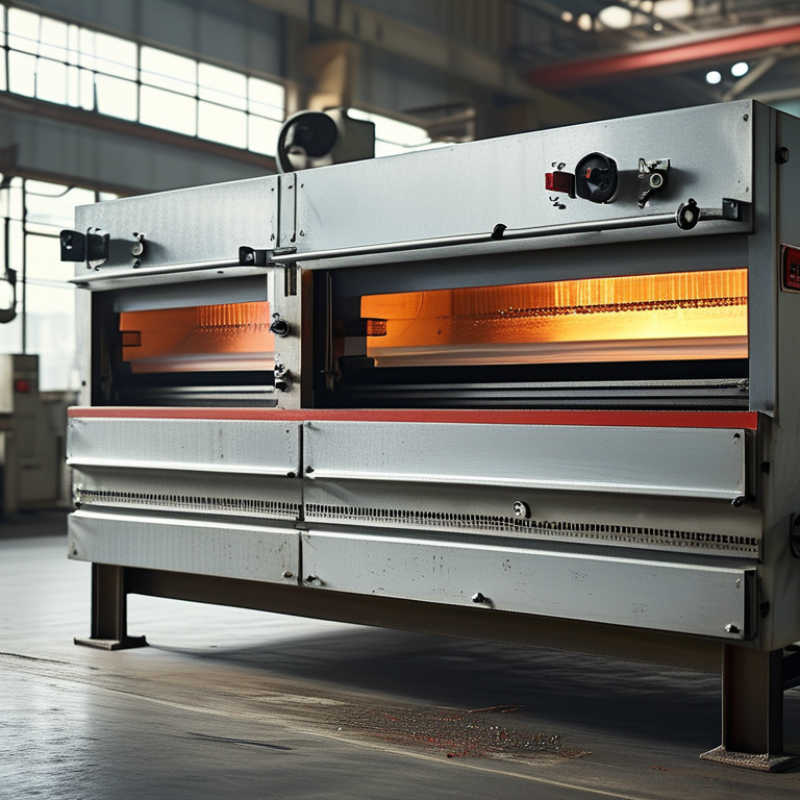
How to Extend the Lifespan of Glass Tempering Furnaces?

Understanding Glass Tempering Furnaces and Their Importance

Glass tempering furnaces are essential in the production of strong, durable glass. Their role in manufacturing safety glass is critical. According to industry reports, properly tempered glass can be up to five times stronger than standard glass. This strength makes it ideal for applications in architecture and automotive industries. These furnaces utilize precise heating and cooling processes. However, this complexity also means they require careful maintenance.

Temperature uniformity is vital. Variations can lead to weak spots in the glass. A recent survey indicated that 30% of production defects are due to furnace inconsistencies. Regular calibration can mitigate these issues. Operators need to monitor key parameters, like temperature and pressure. Keeping detailed logs helps identify patterns. At times, issues may arise in areas that seem unrelated. An unexpected downtime can be costly, often leading to significant production delays.

Additionally, selecting the proper insulation materials for the furnace is crucial. Insulation affects energy efficiency directly. According to data from the Glass Manufacturing Industry Council, improving insulation can reduce energy consumption by 15% to 20%. Nevertheless, many furnaces still operate with outdated materials. Upgrading may require significant investment upfront, yet it can lead to long-term savings. It's essential to weigh the pros and cons carefully before proceeding. This reflection ensures optimal performance and longevity of the equipment.

Key Factors Influencing the Lifespan of Tempering Furnaces

The lifespan of glass tempering furnaces significantly depends on various factors. Proper maintenance, operational conditions, and environmental influences play critical roles. Regular checks for wear and tear can prevent unexpected breakdowns. This involves inspecting the heating elements, insulation, and cooling systems. Timely repairs are essential for enhancing durability.

Tips for extending furnace life include maintaining consistent temperature settings and avoiding rapid temperature fluctuations. This practice encourages uniform heat distribution, reducing stress on the glass. Training staff on best operational practices minimizes operational errors. Even small mistakes can lead to substantial damage over time.

Another key factor is the ambient environment. Excessive dust and humidity can corrode components. Regular cleaning is necessary to keep the furnace in optimal condition. Neglecting this aspect can lead to costly repairs later on. Investing in proper ventilation and air filtration can also improve performance and extend the lifespan of the equipment. A proactive approach yields better long-term results.

Regular Maintenance Practices to Enhance Furnace Durability

Regular maintenance practices are essential to enhance the durability of glass tempering furnaces. One crucial aspect is routine inspections. Inspecting heating elements, thermocouples, and control systems helps identify potential issues. Frequent checks can prevent unexpected breakdowns, leading to costly downtime. Keeping a detailed log of these inspections can also provide insights into performance trends.

Cleaning is another significant component. Dust and debris can accumulate and affect heating efficiency. Regularly removing contaminants from the furnace interior and exterior ensures optimal operation. Additionally, ensuring proper ventilation and airflow around the furnace can prevent overheating. Operators sometimes overlook these details, leading to reduced lifespan and efficiency.

Calibrating the furnace regularly is also vital. Proper calibration ensures accuracy in temperature regulation, which directly impacts glass quality. Neglecting this may lead to quality issues, causing wastage and rework. Each of these maintenance tasks demands attention and discipline from the operators. Without a structured maintenance schedule, furnaces may perform below expectations, leading to frustration. Regular and attentive maintenance reflects a commitment to quality and operational excellence.

Common Issues and Repairs for Glass Tempering Furnaces

Glass tempering furnaces are essential in the glass manufacturing industry. They ensure that glass products have strength and durability. However, common issues can arise that may hinder their performance. Regular maintenance and timely repairs are crucial for extending the lifespan of these systems.

One common issue is temperature inconsistency. Fluctuations can lead to uneven tempering, which affects the final product. It’s important to regularly calibrate temperature sensors. Check for any obstructions in the heating elements, as these may cause hot spots. Also, maintain consistent airflow to ensure an even distribution of heat.

Another frequent problem is wear and tear on the conveyor belts. Over time, these belts can become misaligned or frayed. Inspect them regularly for signs of damage. Lubricating the moving parts can reduce friction and prolong their life. Routine inspections can prevent unexpected breakdowns, saving time and money.

Tips: Keep a detailed log of furnace performance. Identify patterns that may signal underlying issues. Perform regular cleaning to remove residue, which may impact functionality. Remember, even small adjustments can lead to significant improvements in performance. Each repair teaches valuable lessons about your furnace operations. Reflect on what each problem reveals about your processes.

Upgrading Technologies to Improve Furnace Longevity

Upgrading technologies is crucial for extending the lifespan of glass tempering furnaces. The latest research indicates that furnaces operating with modern control systems can last up to 15% longer than those with outdated models. Implementing programmable logic controllers (PLCs) significantly enhances precision in temperature control, ensuring consistent quality in production. Consistency, paired with optimal temperature regulation, can reduce wear and tear on furnace components.

Regular maintenance is equally important. A comprehensive report by the Glass Manufacturing Industry Council shows that 40% of furnace failures result from insufficient maintenance. By incorporating predictive maintenance practices, facilities can identify potential issues before they lead to costly downtime. Predictive analytics tools can forecast equipment failures with 85% accuracy, allowing timely interventions.

Investing in upgraded insulation materials can also play a significant role in longevity. High-quality insulation minimizes heat loss, improving energy efficiency. Research suggests that effective insulation can lower energy consumption by up to 30%. However, many facilities overlook this aspect, missing out on potential savings. Reflecting on these advancements offers a chance to optimize operations and improve furnace longevity.

FAQS

: What factors influence the lifespan of a tempering furnace?

: Maintenance, operational conditions, and environmental factors are critical for furnace longevity.

How can I prevent unexpected breakdowns?

Regular checks for wear, including heating elements and insulation, are essential for prevention.

Why is maintaining consistent temperatures important?

Stable temperatures reduce stress on glass, ensuring uniform heat distribution.

What environmental conditions should I consider?

Excessive dust and humidity can corrode components, so cleaning the furnace is necessary.

How can I ensure the furnace operates efficiently?

Regular cleaning and ventilation checks are vital to prevent overheating and inefficiency.

What are common issues with tempering furnaces?

Temperature inconsistencies and conveyor belt wear are frequent problems that need attention.

How important is calibration for the furnace?

Regular calibration ensures accurate temperature control, which impacts glass quality significantly.

What should I log for furnace performance?

Keeping a detailed performance log helps identify patterns and potential issues over time.

How can cleaning affect furnace longevity?

Removing dust and debris ensures optimal operation and can prevent costly repairs.

How do small mistakes impact furnace operation?

Even minor errors can lead to serious damage, highlighting the need for careful operational practices.

Conclusion

Glass tempering furnaces play a crucial role in the production of safety glass, and their longevity is essential for operational efficiency. To understand "how to maintain glass tempering furnaces for long service life," it is vital to consider several key factors that influence their durability, including regular maintenance practices and awareness of common issues that may arise. Implementing consistent maintenance routines, such as cleaning, inspecting heating elements, and ensuring proper calibration, can significantly enhance the furnace’s lifespan.

Moreover, staying updated with upgrading technologies can lead to improvements in performance and longevity. Identifying and addressing common repairs promptly will also help in preventing more significant problems that could shorten the furnace's service life. By following these guidelines, operators can ensure that their glass tempering furnaces remain efficient and reliable over time.

Liam

Liam

Liam is a dedicated marketing professional with a profound expertise in the industry, where he excels at highlighting the unique advantages of our core products. With a keen understanding of market trends and consumer needs, Liam frequently updates our company’s professional blog, providing......