The glass processing industry plays a crucial role in construction, automotive, and electronics. Ensuring the efficiency of glass processing machinery is vital. This machinery faces wear and tear, impacting production capacity and costs. According to industry analyses, poorly maintained machines can lead to a decline in productivity by up to 30%. This highlights the need to extend service life and durability of glass processing machinery.
Preventive maintenance is key. Regular inspections and timely repairs can significantly prolong machinery lifespan. A 2022 report from the Glass Manufacturing Industry Council noted that companies investing in maintenance saw service life extension of 25% or more. However, many operators overlook this. They often ignore simple maintenance tasks, leading to costly machine failures.
Investing in high-quality materials also plays a role in durability. Machinery parts made from superior materials resist wear better, leading to fewer breakdowns. Yet, financial constraints often push companies to opt for cheaper components, inadvertently reducing the machinery's service life. Achieving a balance between cost and quality is essential. Addressing these challenges can significantly enhance operational efficiency.
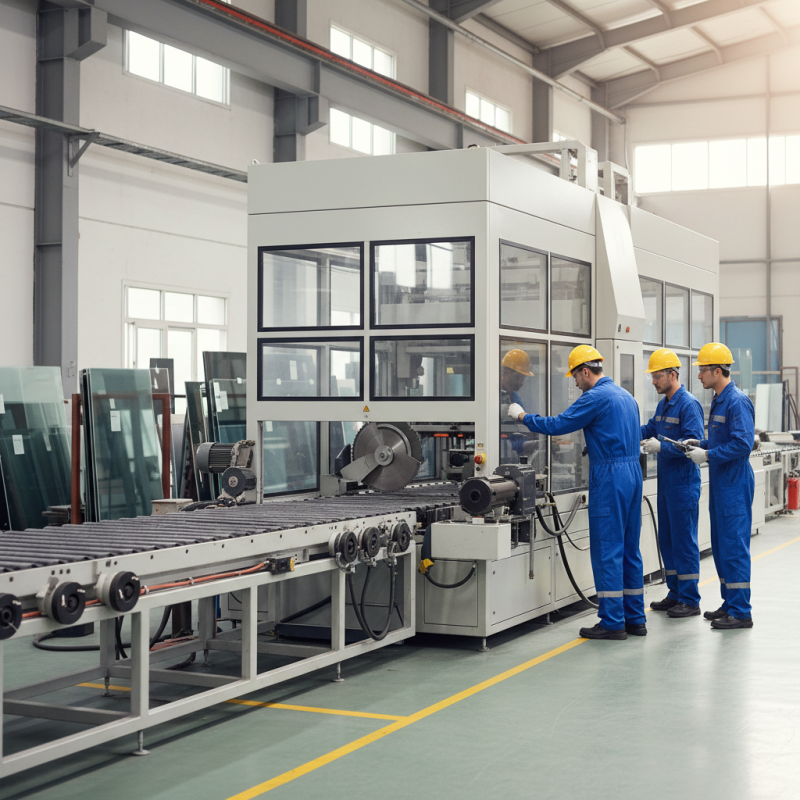
Regular maintenance is essential for extending the service life of glass processing machinery. This machinery performs high-precision tasks, and wear and tear can occur over time. Operators should maintain a routine schedule for inspection and repairs to prevent unexpected breakdowns. A proactive approach can significantly enhance durability and efficiency.
Tips for maintenance: Always check for loose bolts and ensure alignment is correct. Inspect belts and pulleys regularly; they are often overlooked. Cleaning machines after use is crucial. Dust and debris can cause immense wear. Regular lubrication of moving parts minimizes friction and prolongs machinery life.
Operators should note that even small issues can escalate. For instance, ignoring a minor leak can lead to major failures later. Create a log of all maintenance activities and report anomalies. This practice aids in identifying recurring problems, allowing for targeted improvements. By embedding these best practices into daily routines, operators can achieve a reliable and efficient glass processing operation.
The durability of glass processing machinery heavily relies on the quality of its components. High-quality parts may initially cost more, but they lead to longer service life. For instance, using premium bearings can reduce friction and wear. This not only improves efficiency but also minimizes the chance of unexpected breakdowns.
Regular maintenance is also crucial. Even the best components wear out over time if not cared for. Operators should prioritize inspections to ensure all parts are functioning smoothly. Skipping these checks could lead to costly repairs. Quality components can last longer, but neglecting them will inevitably lead to failures.
Another aspect to consider is the choice of materials. High-grade stainless steel or reinforced plastics can withstand harsh conditions. However, not all machinery is built to the same standards. Knowing the right materials helps in making informed decisions. This enhances reliability, yet it requires a critical eye to spot differences in quality. Investing in superior components is not just smart; it’s essential for the longevity of glass processing machinery.
Training operators is crucial for the longevity of glass processing machinery. Knowledgeable staff can significantly reduce wear and tear. Regular training sessions help workers understand machinery intricacies. They learn optimal operating procedures to maximize efficiency. This training fosters a strong understanding of the equipment's capabilities and limitations.
Providing hands-on experience is vital. Operators who practice routine maintenance tasks are more confident in their skills. They can easily identify issues before they escalate. Over time, this prevents costly repairs and extends machinery service life. Operators also become more adaptive when unexpected challenges arise.
Regular feedback loops enhance training effectiveness. Operators should feel empowered to share experiences. Their insights can lead to improved training modules. It's essential to recognize areas for improvement continuously. Balancing proficiency and safety requires ongoing efforts. Mistakes will occur, but they offer learning opportunities that shape a more resilient workforce.
| Aspect | Description | Best Practices |
|---|---|---|
| Regular Maintenance | Routine checks to ensure all components are functioning optimally. | Schedule monthly inspections and replace worn parts promptly. |
| Operator Training | Teaching operators how to properly use machinery to avoid damage. | Conduct regular training sessions and provide manuals. |
| Lubrication | Using appropriate lubricants to reduce friction and wear. | Apply lubricant to moving parts as per manufacturer’s instructions. |
| Dust and Debris Management | Keeping the work environment clean to prevent contamination. | Implement daily cleaning routines and use dust covers. |
| Monitoring Performance | Keeping track of the equipment's performance indicators. | Use software solutions to analyze performance data regularly. |
Implementing advanced technologies is crucial for enhancing the longevity of glass processing machinery. Recent industry reports indicate that machinery equipped with IoT sensors can reduce downtime by up to 30%. These sensors provide real-time data on machine performance. This data allows for proactive maintenance, preventing unexpected failures.
Moreover, automation in glass processing has shown significant promise. A study published by the International Journal of Advanced Manufacturing Technology suggests that automated systems can extend machinery life by 20%. They minimize human error and optimize operational parameters. However, integrating such technologies requires careful planning and training. Nurturing a skilled workforce is essential for maximizing the benefits of automation.
Nevertheless, many manufacturers face challenges when implementing these technologies. Data overload can occur, leading to decision paralysis. Furthermore, not all companies can afford advanced machinery upgrades, creating a disparity in technology adoption. These hurdles highlight the need for ongoing investment in technology and workforce development. The journey towards enhanced machinery longevity is complex, but the rewards can significantly outweigh the challenges.
Routine inspections and upgrades are essential for glass processing machinery. Establishing a fixed schedule ensures that all components receive timely attention. Regular inspections allow operators to identify wear and tear before it escalates into costly repairs. A simple visual check can reveal loose bolts, damaged seals, or misaligned parts. These small issues often go unnoticed but can significantly impact performance.
Upgrading machinery components can enhance efficiency and longevity. Incorporating new technologies can improve precision and reduce energy consumption. Yet, many operators hesitate to implement upgrades. There’s often uncertainty about the costs involved or how it could disrupt operations. It’s vital to weigh the risks against potential benefits. Just maintaining the status quo can lead to bigger problems down the line.
Making routine inspections a part of daily operations encourages a proactive approach. Employees should be trained to spot potential issues and report them promptly. However, not everyone may recognize minor signs of malfunction. Regular training sessions can reinforce the importance of these checks. Embracing a culture of maintenance can prevent equipment failure and extend the life of glass processing machinery.
: Regular maintenance extends the service life of machinery and prevents unexpected breakdowns. It enhances durability and efficiency.
Operators should check for loose bolts, inspect belts and pulleys, and ensure correct alignment.
Cleaning machines after use removes dust and debris, reducing wear and improving longevity. This step is often neglected.
Small issues can escalate into major failures. Ignoring a minor leak can lead to significant breakdowns later.
High-quality components may cost more but lead to a longer service life and reduce unexpected failures. They are worth the investment.
Using high-grade materials can withstand harsh conditions and enhance reliability. A critical eye is needed to spot quality differences.
Technologies like IoT sensors provide real-time data, allowing for proactive maintenance and reducing downtime significantly.
Automation minimizes human error and optimizes parameters, potentially extending machinery life by up to 20%.
Data overload and costs can hinder technology adoption. Not all manufacturers can afford upgrades, creating disparities in implementation.
Creating a maintenance log and conducting regular inspections help identify issues early, allowing for targeted improvements in operations.
To extend service life and durability of glass processing machinery, implementing best practices for regular maintenance is crucial. Regular inspections and proactive upgrades play a significant role in identifying potential issues before they escalate. Utilizing quality components can also enhance machinery longevity, ensuring that the equipment operates efficiently and withstands wear and tear.
Furthermore, training operators on the optimal use and care of glass processing equipment is essential. Well-informed operators can prevent mishandling and misuse, which often leads to unnecessary damage. Embracing advanced technologies not only simplifies maintenance tasks but also maximizes performance, ultimately contributing to the extended lifespan of the machinery. By prioritizing these strategies, facilities can effectively sustain their glass processing operations for years to come.

Yabo CNC