Glass production equipment operates under heat, abrasion, vibration, and constant pressure. These conditions gradually weaken critical components. Rollers may develop surface scoring. Seals can harden beside furnace doors. Thermocouples may drift before they fail completely. Heating elements often lose efficiency after repeated thermal cycles.
What is the lifespan of key parts in glass production equipment? The answer depends on temperature, load, glass composition, maintenance quality, and operating hours. A conveyor roller might serve for several years in stable conditions. A refractory lining may require earlier inspection near high-wear zones. Sensors and seals usually need more frequent replacement. These are practical ranges, not promises.
Reliable planning combines manufacturer guidance with plant-specific evidence. Maintenance teams should record replacement dates, operating temperatures, vibration readings, and visible wear. A small crack around a seal, for example, can become a costly heat-loss problem. Early inspection matters.
There is no perfect universal schedule. Even experienced engineers can misjudge service life when production conditions change. A clean spreadsheet can still hide irregular furnace behavior. That is why condition monitoring remains valuable in 2026. Infrared checks, vibration analysis, and calibration tests help confirm whether a part is truly near failure.
This guide examines the expected service life of key glass equipment parts. It also explains warning signs, maintenance intervals, and replacement decisions. The goal is practical guidance, not false precision. Performance history should always influence the final decision.
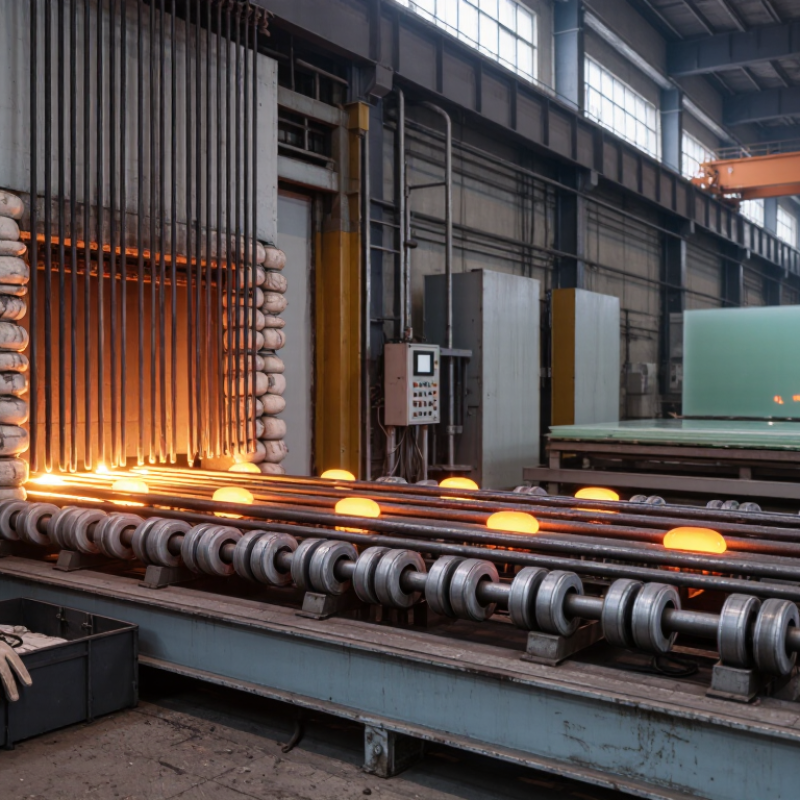
How Long Do Key Glass Equipment Parts Last in 2026?
Key glass equipment parts include furnace refractories, burners, thermocouples, feeder channels, molds, seals, conveyors, and inspection sensors. Their working lives differ sharply. The European Commission’s Best Available Techniques Reference Document for glass manufacturing reports furnace campaigns commonly lasting about 8–12 years, depending on design, glass chemistry, and operating discipline. Burners and sensors usually require earlier replacement. Some fail quietly first.
Molds face repeated thermal shock, pressure, and contact with molten glass. Their useful life may range from several weeks to many months, depending on production speed, cooling, coating quality, and maintenance. The Glass Packaging Institute notes that melting temperatures approach 1,500°C, explaining why small cracks can become expensive stoppages. FEVE’s 2024 industry reporting also emphasizes that recycled glass lowers melting energy demand, but contamination can increase wear and process instability. That link is often underestimated.
A practical 2026 maintenance plan should track cycles, temperature drift, vibration, and surface damage, not calendar age alone. Replace parts before failure when inspection evidence supports it. However, prediction is imperfect. A clean-looking seal may harden internally, while an older refractory may remain stable. Records from each production run create stronger evidence than supplier estimates. The weak point is often the assumption that every part ages uniformly.
How Long Do Key Glass Equipment Parts Last in 2026?
Typical Service Life of Furnaces, Forming Tools, and Glass Contact Parts
A glass furnace commonly serves for 8 to 15 years, depending on design, temperature, and operating hours. Refractory wear often appears around charging areas, burner zones, and the glass line. Daily observations matter. Small cracks, rising fuel use, or unstable glass temperature can signal deeper damage. In practice, service life estimates are only starting points. A poorly controlled thermal cycle may shorten furnace life by several years.
Forming tools usually last from several months to five years. Their life depends on glass composition, production speed, cooling quality, and maintenance discipline. Molds, plungers, and rings can develop scratches, distortion, or poor release surfaces. These defects may create uneven walls or visible marks on containers. Tool steel can look acceptable while dimensional accuracy is already declining. That is an easy mistake to miss.
Tips: Record tool changes, furnace temperatures, and defect patterns together. Inspect glass contact parts, such as feeder channels, tubes, and orifices, during planned stops. Some parts last weeks; others last several years. Abrasion, thermal shock, and chemical attack decide the difference. Keep spare parts ready for critical lines. Replacement timing should follow measured wear, not habit alone. A conservative schedule may cost more, but an unexpected failure can damage production quality and operator confidence.
How Long Do Key Glass Equipment Parts Last in 2026?
How Heat, Wear, Corrosion, and Usage Affect Part Longevity
Glass equipment rarely fails because of age alone. Heat, abrasion, corrosion, and operating cycles usually work together. The European Commission’s 2013 Best Available Techniques Reference Document reports that glass furnace campaign life varies widely with furnace design, glass type, and operating conditions. Refractories may serve for several years, while thermocouples, seals, rollers, and inspection windows often require earlier replacement. Melting zones can exceed 1,500°C. Repeated heating and cooling creates tiny cracks before operators notice them.
Wear increases when abrasive particles travel across rollers, guides, or feeder components. Corrosive vapors can attack metal housings and electrical connections. The NACE IMPACT study estimated global corrosion costs at 3.4% of worldwide GDP, while preventive practices could reduce losses by 15–35%. That figure is not a glass-specific forecast. Still, it shows why small leaks and damaged coatings deserve attention. A clean component may still be weakening internally. This is where estimates become imperfect.
Tips: Record temperature peaks, cycle counts, vibration, and cleaning chemicals. Inspect seals for hardening, rollers for grooves, and refractories for spalling. Use infrared checks where practical. Replace parts according to condition, not only calendar age. A maintenance log should include photos and failure causes. It sounds basic. It is often missed. Review the data after each production campaign, because one unusually hot run can change the expected service life.
Glass equipment parts rarely fail on a fixed calendar. Their service life depends on heat, chemical exposure, pressure, cleaning quality, and operating cycles. A properly maintained sight glass may remain reliable for years, while a stressed seal can fail within months. Maintenance should begin with a written inspection routine, not with a breakdown.
Operators can check for clouding, chips, hairline cracks, discoloration, and loose fittings before each shift. Small changes matter. Record readings and photographs when conditions are normal. Keep records. This creates a useful baseline for later comparison.
Clean glass surfaces with approved, non-abrasive materials and compatible solutions. Grit can create scratches that weaken the surface over time. Avoid sudden temperature changes, especially when rinsing hot components with cold water. Thermal shock is easy to overlook.
Inspect gaskets, clamps, ports, and protective shields at scheduled intervals. Replace parts showing flattening, hardening, swelling, or uneven contact. Do not overtighten fittings; excessive force can produce hidden stress around the glass edge.
Technicians should verify torque practices against equipment specifications and record every replacement. Calibration and leak checks also protect connected glass parts. A drifting pressure reading may signal a wider equipment problem.
Keep spare seals and approved replacement components in clean, dry storage. Training matters, but supervision matters too.
No schedule is perfect. Reviewing failures honestly can reveal rushed cleaning, poor storage, or unclear handovers. Safety inspections should always determine whether a part remains fit for use.
A fixed lifespan rarely fits glass-processing equipment. Heat, dust, vibration, cooling water, and production speed change failure patterns. Bearings, belts, seals, thermocouples, and cutting blades deserve condition-based inspections, not calendar guesses. A worn seal may need repair when leakage is localized and the shaft remains true. Replacement is safer when vibration rises, tolerances drift, or failures repeat.
The European Commission’s Joint Research Centre reports that glass melting can consume roughly 60–80% of a plant’s energy. That makes furnace insulation, burners, controls, and thermocouples upgrade candidates when energy use climbs without higher output. The U.S. Department of Energy’s 2022 Industrial Decarbonization Roadmap also identifies process heating as about 51% of industrial energy demand. A control upgrade may therefore repay its cost faster than another short-term repair.
Look closely at the evidence. A washing-machine pump with clean bearings may deserve rebuilding, while a cracked housing deserves replacement. Replace cutting components when edge quality becomes inconsistent, not only after failure. Upgrade when spare parts are obsolete, safety monitoring is weak, or downtime costs exceed the investment. Technicians should record temperature, vibration, energy use, and defect rates monthly. That sounds disciplined. Real factories miss records. Recheck the decision after one production cycle.
A furnace commonly lasts 8 to 15 years. Heat, design, operating hours, and thermal control affect its service life. Small cracks matter.
Check charging areas, burner zones, and the glass line regularly. Rising fuel use or unstable temperatures may indicate deeper refractory damage.
Molds, plungers, and rings may last several months to five years. Glass composition, production speed, cooling, and maintenance strongly affect durability.
Look for scratches, distortion, poor release, uneven walls, and visible container marks. Tool steel may appear acceptable while dimensions quietly decline.
Inspect feeder channels, tubes, orifices, seals, and fittings during planned stops. Record wear patterns and keep critical spare parts clean and dry.
Use approved, non-abrasive materials and compatible cleaning solutions. Avoid rinsing hot parts with cold water. Thermal shock is easy to overlook.
Repair localized leakage when alignment remains stable. Replace parts when vibration rises, tolerances drift, cracks appear, or failures repeat.
Consider upgrades when energy use rises without higher output. Obsolete spares, weak safety monitoring, and costly downtime also support upgrading.
Track temperatures, vibration, energy use, defect rates, tool changes, and replacement dates monthly. Add photographs taken under normal conditions. Keep records.
No schedule is perfect. Real factories miss records or rush cleaning. Review failures honestly, then adjust inspections after one production cycle.
The service life of key glass production equipment parts depends on their design, operating conditions, material quality, and maintenance routine. What is the lifespan of key parts in glass production equipment? Furnaces commonly serve for several years, while forming tools and glass contact parts may require more frequent inspection or replacement because they face repeated heating, cooling, pressure, abrasion, and chemical exposure. Components such as molds, feeders, channels, seals, and heating elements can deteriorate at different rates, even within the same production line.
Heat damage, corrosion, mechanical wear, production intensity, and improper adjustment can shorten component life. Regular cleaning, temperature control, lubrication where appropriate, alignment checks, and scheduled inspections help identify problems before they cause major downtime. Repair is suitable when wear is limited and the part remains structurally reliable; replacement is safer when cracks, distortion, severe corrosion, or unstable performance appear. Upgrading may be worthwhile when newer parts improve energy efficiency, durability, safety, or production consistency.

Yabo CNC