Coated glass appears in low-E windows, shower doors, display cases, and architectural façades. Its invisible layer may improve insulation, reduce glare, or repel water. However, that layer can be thinner and less durable than the glass beneath it. Scrubbing too hard may create fine marks or reduce its performance.
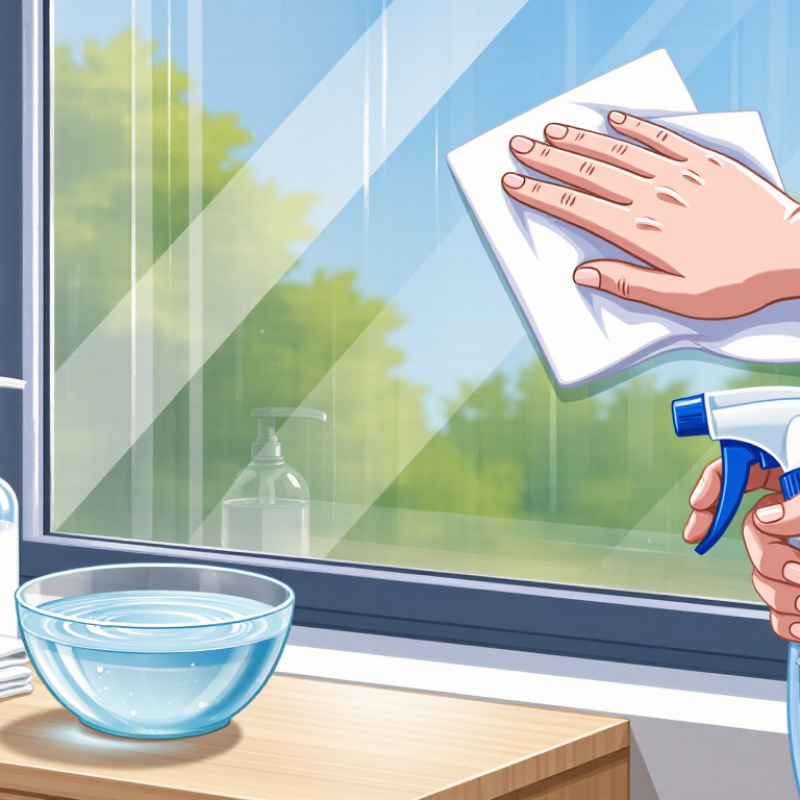
What is the best way to clean coated glass without damaging it? The safest approach combines the manufacturer’s instructions with gentle, controlled cleaning. Remove loose dust with a clean microfiber cloth before using liquid. Then apply lukewarm water mixed with a small amount of pH-neutral soap. Spray the cloth, not the glass, to prevent liquid from reaching seals and frames. Wipe with light, overlapping strokes. Dry the surface with a second lint-free cloth.
Avoid abrasive pads, powdered cleaners, razor blades, strong solvents, and ammonia unless the manufacturer specifically approves them. These products can attack coatings or leave microscopic scratches. Hard water can also create stubborn mineral spots. Distilled water may help in areas with heavy mineral content.
Test the method on a hidden corner. Small details matter. Never clean hot glass under direct sunlight, because fast drying can leave streaks. A soft cloth may still contain grit, so inspect it before use. My earlier assumption was that more pressure removed marks faster; it often made them worse. If the coating type is unknown, pause and check the product guide or contact the glass supplier. Careful cleaning is slower, but replacement is far more expensive.
Understanding Coated Glass and Its Protective Surface
Coated glass has a functional surface, not just a transparent one. A thin layer may reduce heat transfer, limit glare, or repel water. This coating can sit on the inside or outside of the glass. Its position matters during cleaning. A surface that looks clear may still be sensitive.
I learned this after using a rough cloth on a treated window. The glass looked clean, but fine marks appeared in strong sunlight. That mistake changed my routine. Remove loose dust with a soft brush or clean microfiber cloth. Then use lukewarm water and a mild, pH-neutral cleaner. Spray the cloth, not the glass, to prevent liquid from reaching seals and edges. Wipe gently in straight passes. Rinse the cloth often.
Keep it simple.
Avoid scouring pads, razor blades, powdered cleaners, and strong solvents. They can scratch the coating or leave cloudy patches. Even paper towels may shed fibers or create light abrasion. For mineral spots, do not scrub harder immediately. Test a small hidden area with diluted cleaning solution, then rinse thoroughly. Hard-water deposits sometimes need professional treatment, especially on large panels.
Cleaning in direct sunlight is another common error. The solution can dry before you wipe it away, leaving streaks. I still occasionally miss a corner, particularly near a frame. That is a reminder to inspect the glass from several angles. Cleaning instructions can differ between coatings, so the original care guidance remains the safest reference.
Preparing Safe Tools and Cleaning Solutions
Coated glass needs a gentler setup than ordinary window glass. The coating may be thin, yet it can react badly to friction and harsh chemicals. Start with clean hands. Remove rings or watches that could touch the pane. Choose two soft, lint-free microfiber cloths, a clean bucket, and a rubber-edged squeegee. Inspect every tool first. One trapped grain of grit can leave a permanent-looking line. Use a freshly washed cloth, not one used on floors or kitchens.
Mix lukewarm distilled water with a small amount of mild, pH-neutral detergent. Less soap is safer. A cloudy mixture often leaves more residue, not more cleaning power. Avoid powders, ammonia, strong solvents, vinegar-heavy formulas, and products containing abrasive particles. Never combine cleaning chemicals. Spray the solution onto the cloth, rather than directly onto the glass. This limits moisture near seals, edges, and electronic parts. Keep a separate container of plain water for rinsing the cloth.
Before cleaning the visible area, test the solution on a small corner. Wait several minutes and check for haze, streaking, or color changes. Follow the glass manufacturer’s care instructions when they are available. I once assumed a familiar household cleaner was harmless. It left a dull film. That shortcut was avoidable. Work in the shade, because warm glass dries too quickly and exposes every mark. Fold the cloth into quarters, using a clean section for each pass. Stop if grit appears. Rinse the cloth, then continue gently.
Removing Dust and Loose Debris Without Scratching
Dust is the first enemy of coated glass.
Tiny mineral particles can act like sand during wiping. I have seen light haze become permanent after one careless pass. The U.S. Department of Energy reports that windows may account for 25–30% of residential heating and cooling energy use. Preserving the coating therefore supports both appearance and performance.
Start by checking the manufacturer’s care instructions.
If unavailable, use the gentlest method. Close the window and rinse the surface with clean water. This loosens grit before any contact. For dry dust, use a soft, clean air bulb or a non-contact vacuum nozzle. Never drag a dry cloth across the coating. ASTM C1036 guidance emphasizes avoiding surface damage during glass handling, which supports a low-pressure cleaning approach.
Tips:
Work from top to bottom. Use distilled water where hard-water marks are common. Choose a new, lint-free microfiber cloth. Do not reuse cloths from floors or frames. They may carry grit. Keep the cloth damp, not dripping. Rinse it often. Stop if you feel roughness. I sometimes rush this stage, and that is exactly where mistakes happen. One overlooked grain can leave a fine line. The Glass and Glazing Federation also advises testing cleaning methods on a small, hidden area first. That small test feels unnecessary, but it can prevent a costly repair.
Washing the Coated Glass With Gentle, Even Movements
How to Clean Coated Glass Without Damaging It
Washing coated glass requires gentle, even movements from the first rinse. Start with clean water to remove loose dust and grit. Otherwise, particles can drag across the surface like fine sandpaper. I used to press harder when marks remained. That habit was wrong. Coatings need controlled contact, not extra force.
Use a pH-neutral glass cleaner and a soft, lint-free microfiber cloth. Work in small sections with overlapping strokes. Keep the surface wet. Move vertically, then horizontally, without circular scrubbing. Rinse the cloth often, because trapped grit can create tiny scratches. The U.S. Department of Energy estimates that windows can influence about 25% to 30% of residential heating and cooling energy use. Preserving a coated surface supports its intended optical and thermal performance. The National Fenestration Rating Council also emphasizes that window ratings depend on measured properties, including solar heat gain and visible transmittance.
Tips: Clean during shade, not under hot sunlight. Heat can dry cleaner unevenly and leave mineral spots. Test any unfamiliar solution on a hidden edge. Avoid abrasive pads, razor blades, ammonia-heavy formulas, and excessive pressure. A simple two-bucket method works well: one bucket for rinsing, one for the cleaning solution. Inspect the glass from different angles. Some streaks only appear after the surface dries. The final wipe may need patience. That part is easy to underestimate.
Coated glass should be cleaned with clean water or a mild, near-neutral cleaner and a soft microfiber cloth. Apply light, even strokes instead of concentrated pressure. The pH values shown are approximate typical values; always check the coating manufacturer’s care instructions before using any chemical cleaner.
Drying and Inspecting the Surface Without Leaving Marks
Drying coated glass deserves more attention than the washing stage. Water left behind can carry minerals, salts, or detergent into visible rings. The U.S. Department of Energy estimates that windows may represent 25–30% of residential heating and cooling energy use. Preserving a low-emissivity coating therefore supports more than appearance. It protects a functional part of the building envelope. After washing, remove water with a clean, soft silicone squeegee. Work from the top down with overlapping strokes. Wipe the blade after each pass. Then dry the edges with a lint-free microfiber cloth. Do not press hard. Pressure can spread grit across the surface.
Inspect the glass in changing light. View the pane from several angles, especially near corners and seals. A flashlight held sideways can reveal streaks hidden by direct daylight. The International Energy Agency’s Buildings report states that buildings consume about 30% of global final energy. Careful maintenance matters when coatings help control solar heat and heat loss. Still, a spotless view does not prove safe cleaning. Check for trapped fibers, cloudy patches, scratches, and water spots. If a mark remains, wet the area again. Repeated dry rubbing is a common mistake. Even trained cleaners can miss one corner.
Tips: Keep separate cloths for glass and frames. For mineral-heavy water, purified water can reduce spotting, but follow the glass care instructions. Never inspect only at arm’s length. A second look helps. One imperfect habit remains worth challenging: rushing the final wipe. That is where many marks begin.
Conclusion
Coated glass has a delicate protective surface that can be affected by abrasive tools, harsh chemicals, and excessive pressure. What is the best way to clean coated glass without damaging it? Start by checking the surface and preparing clean, soft microfiber cloths, lukewarm water, and a mild, non-abrasive cleaning solution. Avoid rough sponges, sharp tools, strong solvents, and products containing particles that may wear down the coating.
Before washing, gently remove dust and loose debris with a soft brush or light air flow to prevent scratching. Clean the glass using gentle, even movements, working from top to bottom without pressing too hard. Rinse away any remaining solution, then dry the surface with a fresh microfiber cloth using smooth strokes. Finally, inspect the glass from different angles in good lighting to find streaks, spots, or trapped debris, and correct them carefully without repeated scrubbing.

 Yabo CNC