Achieving high standards in mass glass production is crucial for manufacturers. To improve consistency and uniformity of mass glass production, companies must navigate various challenges in their processes. Small deviations in temperature, material quality, or operational techniques can lead to significant variations in the final product. This inconsistency not only affects quality but also customer satisfaction.
Understanding the importance of uniformity requires expertise in glass production methods. Experienced professionals know that even minor adjustments can drastically impact results. It is fundamental to establish robust quality control measures and engage in continuous monitoring. Collaborating with skilled technicians can help identify sources of variability and implement solutions.
However, perfection is often elusive. Many manufacturers struggle to maintain uniformity in their output. The quest for consistency reveals areas for improvement in machinery, training, and workflow. By embracing a mindset of reflection and adaptation, the glass industry can take meaningful steps toward enhancing mass production practices while acknowledging the complexities involved.
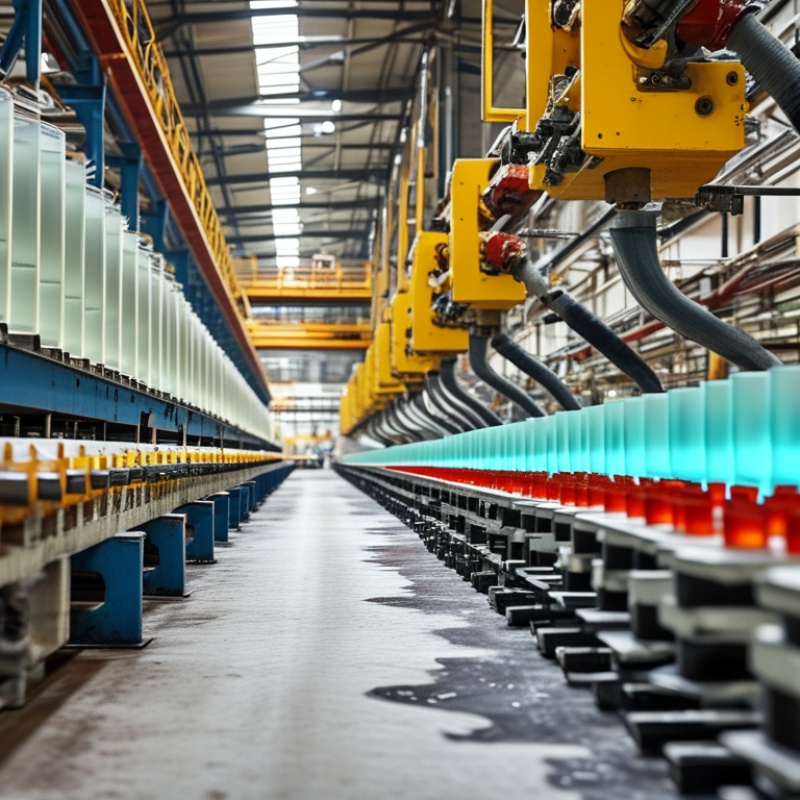
Techniques for Enhancing Quality Control in Glass Production
In mass glass production, maintaining high quality requires strict quality control techniques. One effective approach is the implementation of real-time monitoring systems. These systems track variables like temperature and viscosity during the melting process. By using high-precision sensors, manufacturers can spot inconsistencies early. This allows for immediate adjustments, minimizing defects.
Another vital technique involves employee training. Skilled workers play a key role in the production line. They should be familiar with equipment and aware of common issues. Regular training sessions help keep the staff updated on best practices. However, even trained staff can make mistakes. Creating a culture of continuous feedback can help identify recurring errors.
Quality checks should not be an afterthought. Incorporating them into every stage is essential. Random sampling during production can catch defects before they escalate. Although rigorous checks are beneficial, they also slow down production. Striking a balance between speed and quality is a persistent challenge. Companies must constantly evaluate their processes to ensure they don't sacrifice quality for efficiency.
Importance of Standardization in Mass Glass Manufacturing Processes
In mass glass manufacturing, standardization plays a crucial role. It ensures that every piece produced meets the same quality and specifications. Uniformity in design and performance directly enhances customer satisfaction. When manufacturers adhere to specific standards, they can reduce defects and waste. This is vital for maintaining profitability.
A rigid standardization process can limit creativity. It may stifle innovation as designers feel confined by strict guidelines. Striking a balance between uniformity and creativity is essential. Regular assessments and feedback can help identify areas needing improvement. Consistent training for employees can also maintain high standards while fostering a culture of creativity.
The implementation of standardized processes requires constant evaluation. Manufacturers must be willing to adapt and refine their practices. Over time, relying too heavily on established standards may lead to stagnation. Continuous learning and flexibility are key to evolving in the competitive glass industry. By embracing both standardization and innovation, manufacturers can better navigate challenges.
Utilizing Advanced Technology for Consistent Glass Quality
In the glass manufacturing industry, consistency and uniformity are vital for product quality. Utilizing advanced technologies can greatly enhance these aspects. A recent report shows that implementing automated systems can reduce defects by up to 30%. Automation ensures that every stage of production follows precise measurements and settings. This minimizes human error, which is a common source of variance in quality.
Incorporating real-time monitoring technologies can also improve glass quality. Sensors can track temperature, viscosity, and other critical parameters. This data allows for immediate adjustments, ensuring uniformity across batches. A study highlighted that companies using these technologies reported a 20% increase in output without sacrificing quality.
Tip: Invest in training staff to understand new technologies. It's essential that employees adapt to these systems, as their expertise can enhance the technology’s effectiveness. Regular workshops can build confidence in using advanced equipment.
Another tip: Regularly review and analyze production data. Identifying trends can reveal areas needing improvement. This practice can prevent recurring issues before they escalate, promoting a culture of continuous improvement. Monitoring practices ensure sustainability and pave the way for innovation in production processes.
Training and Development for Skilled Workforce in Glass Production
In the glass production industry, developing a skilled workforce is crucial for ensuring both consistency and quality. Training programs can be tailored to address specific technical skills required in mass glass production. A report by the Glass Manufacturing Industry Council highlights that extensive training can improve product yield by up to 25%. This emphasizes the importance of investing in workforce development.
Workforce training should cover both fundamental knowledge and advanced techniques. For instance, understanding the melting process is vital for producing uniform glass. Simulation and hands-on training can enhance this understanding. However, many companies lack structured training plans. According to industry surveys, 40% of glass manufacturers admit they do not have sufficient training programs in place. This gap leads to inconsistent quality and higher defect rates.
Additionally, on-the-job training can offer immediate feedback. Employees benefit from real-time experience, yet this method can sometimes be unstructured. It often depends on the expertise of existing staff, which can vary significantly. There is a call for better mentorship programs, as only 30% of companies report having effective mentorship in place. Improving these areas is necessary to develop a robust workforce capable of maintaining high standards in glass production.
Implementing Feedback Loops for Continuous Improvement in Glass Output
In mass glass production, feedback loops play a crucial role. By collecting data at each stage of production, companies can identify patterns that affect consistency. For instance, variations in temperature and cooling times can lead to inconsistent glass quality. Establishing regular reviews of this data helps teams adjust processes in real time.
Continuous improvement requires embracing imperfections. Not every batch will meet the desired standards. Analyzing failures can reveal underlying issues. For example, if a specific glass type consistently shows defects, revising the composition or production method could address this.
Incorporating team insights is vital. Workers on the floor often spot problems before management. Creating an environment where feedback is encouraged can lead to valuable suggestions. Regular brainstorming sessions may unearth innovative solutions to persistent challenges, further enhancing uniformity in glass output.
How to Improve Consistency and Uniformity in Mass Glass Production? - Implementing Feedback Loops for Continuous Improvement in Glass Output
| Production Batch |
Glass Type |
Defects (%) |
Feedback Score |
Improvements Implemented |
| Batch 001 |
Borosilicate |
2.5% |
4.2 |
Adjusted melting temperature |
| Batch 002 |
Tempered Glass |
1.8% |
4.5 |
Enhanced cooling process |
| Batch 003 |
Laminated Glass |
3.0% |
3.9 |
Refined interlayer material |
| Batch 004 |
Float Glass |
1.2% |
4.8 |
Optimized raw material mix |
| Batch 005 |
Frosted Glass |
2.0% |
4.1 |
Improved surface treatment |
FAQS
: Standardization ensures quality and uniformity in glass production, enhancing customer satisfaction and reducing defects.
Yes, strict guidelines can limit designers' creativity. Balancing standardization with innovation is necessary for growth.
Extensive training can improve product yield and ensure consistency. Investing in workforce development is essential.
Training should include both fundamental knowledge and advanced techniques, such as understanding the melting process.
Many companies lack structured training programs, leading to inconsistent quality and higher defect rates in glass products.
Feedback loops collect data to identify issues affecting quality, allowing for real-time process adjustments.
Analyzing failures can reveal issues in the process. It is crucial to address defects by revising methods.
Workers often identify issues before management. Encouraging feedback leads to innovative solutions and better processes.
Over-reliance on established standards can lead to stagnation. Continuous learning and adaptability are crucial for success.
Conclusion
To improve consistency and uniformity of mass glass production, it is essential to implement robust quality control techniques, which ensure that each batch meets the established standards. Standardization of manufacturing processes minimizes variability and enhances efficiency, leading to superior product quality. The adoption of advanced technologies, such as automation and precision monitoring systems, further aids in achieving consistent glass characteristics.
Moreover, investing in the training and development of a skilled workforce is crucial. Employees well-versed in production techniques are better equipped to maintain quality standards. Implementing feedback loops enables organizations to gather insights for continuous improvement, thereby enhancing overall glass output and reinforcing consistency in production practices.

 Yabo CNC