How to Increase Production Efficiency in Insulating Glass Lines?

Time:2026-03-20 Author:Madeline
0%

In the competitive landscape of the glass manufacturing industry, improving production efficiency of insulating glass manufacturing lines is crucial. Recent studies show that up to 30% of production time is often lost to inefficiencies. This indicates a significant opportunity for manufacturers to enhance output and reduce costs.

Consider the role of automation and advanced technology. Implementing automated processes can drastically reduce human error and streamline workflows. For instance, using robotics in glass handling can cut down cycle times by as much as 20%. Yet, many facilities still rely on outdated methods. This reluctance to adapt can hinder progress and increase operational costs.

Moreover, effective training of personnel is equally important. Employees must be skilled in using new technologies to maximize their productivity. Unfortunately, many companies overlook this aspect. A lack of proper training not only slows down production but may also lead to higher rates of rejection of defective glass. A focused approach on these elements can directly impact the overall performance of insulating glass lines.
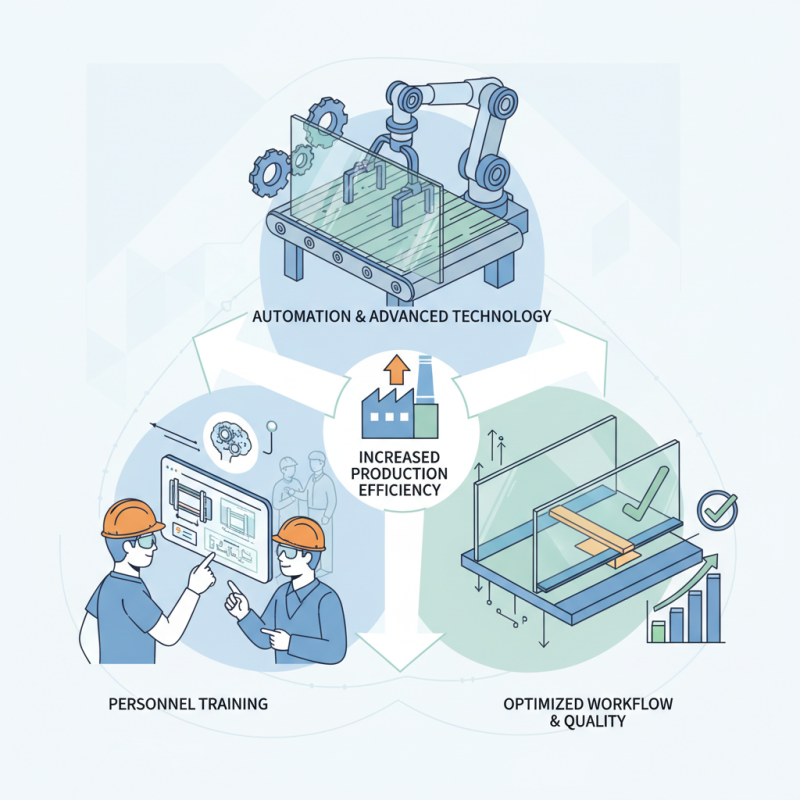
How to Increase Production Efficiency in Insulating Glass Lines?

Understanding the Current Challenges in Insulating Glass Production

Insulating glass production faces several challenges today. Many manufacturers encounter issues with fluctuating material quality. Variations in raw materials can lead to inconsistent product performance. This inconsistency hampers quality and increases waste. A careful assessment of suppliers can mitigate these problems, guiding improvements in material selection.

Another challenge is the inefficiency in the production process. Many factories still rely on outdated machinery and workflows. This reliance can lead to bottlenecks, affecting overall output. Some employees struggle with repetitive tasks, resulting in lower morale. Addressing these issues requires investment in training and technology. For instance, automation can streamline operations, yet it might still face resistance from the workforce. Balancing innovation and employee acceptance is crucial.

Lastly, communication gaps between teams contribute to delays and errors. Misunderstandings can occur frequently on the production floor. Encouraging a culture of open dialogue could enhance collaboration. Regular meetings can help, but they should be concise and focused. Sometimes, the feedback loop is weak, leading to unresolved problems. Identifying these gaps is necessary for continuous improvement.

Key Metrics to Measure Production Efficiency in Glass Lines

In the world of insulating glass production, measuring efficiency is crucial. Key metrics help pinpoint areas for improvement. One essential metric is the cycle time. This indicates how long it takes to complete one production run. Shorter cycle times typically mean increased productivity. Analyze your current cycle time regularly. Are there bottlenecks slowing you down?


Another critical metric is yield rate. This measures the ratio of good products to the total produced. A low yield rate can signal quality issues. Identify where defects occur most often. It may be beneficial to adjust processes or materials. Continuous monitoring is necessary for improvement.


Tips: Invest in training for your team. A skilled workforce can significantly enhance efficiency. Foster open communication to encourage suggestions. Regular check-ins can uncover hidden inefficiencies. Allow your team to share their thoughts on production flow. Addressing their ideas may lead to unexpected improvements.

Implementing Technology Innovations to Streamline Production Processes

In today's competitive market, streamlining production processes in insulating glass lines is crucial. Implementing technology innovations can greatly enhance efficiency. Embracing automation is one way to achieve this. Automated machinery can reduce human error and increase speed. For instance, using robotic arms for assembly can quickly handle large glass sheets.

Tips: Consider evaluating your current production line. Identify bottlenecks and inefficiencies. It’s essential to engage with employees. They often provide insights on obstacles in their workflow. Gathering this feedback can help shape future innovations.

Another area for improvement is data analytics. Monitoring production metrics helps identify performance trends. It can reveal patterns in machinery breakdowns or slow production periods. Using this data, managers can make informed decisions about maintenance and upgrades.

Tips: Schedule regular training on new technologies. Ensure your team is not left behind. Introducing innovations can be daunting, so fostering a culture of continuous learning is key. Such efforts may remind us of the gap between technology and human capability. Thus, reflections should lead to proactive solutions rather than overlooking potential issues.

How to Increase Production Efficiency in Insulating Glass Lines?

Innovation Technology Description Expected Benefits Implementation Timeframe
Automated Cutting Machines Machines that automatically cut glass sheets to required dimensions. Increased precision, reduced waste, and faster cutting times. 3-6 months
Robotic Handling Systems Robots that handle glass sheets from cutting to packaging. Improved safety, reduced labor costs, and enhanced speed. 6-12 months
Real-Time Monitoring Systems Software that monitors machine performance and production flow. Immediate identification of issues and improved decision-making. 1-3 months
Glass Quality Inspection Systems Automated systems that inspect the quality of the glass. Higher quality assurance and reduced return rates. 3-6 months

Training and Skill Development for Workforce Optimization

In the insulating glass industry, workforce training plays a vital role in enhancing production efficiency. Skilled workers reduce errors and improve output quality. According to a recent report by the Glass Industry Association, poorly trained employees can account for up to 30% of production downtime. Investing in training not only helps workers develop essential skills but also promotes a culture of continuous improvement.

Tips for effective workforce training include hands-on workshops and mentorship programs. Implementing a buddy system can enhance learning. Experienced employees can guide newcomers, which fosters collaboration and communication. Besides, regular assessments can identify skill gaps and help tailor training.

However, not every training program yields immediate results. Some workers may struggle to grasp new concepts quickly, leading to frustration. Flexibility in training methods is essential. Adapting to diverse learning styles can ensure that all employees reach their potential. Continuous feedback loops can also address issues early on, promoting a more efficient workflow.

Strategies for Continuous Improvement in Glass Manufacturing Efficiency

Improving production efficiency in insulating glass lines is essential for maximizing output. Continuous improvement strategies can lead to significant gains. Focus on workflow optimization. Small changes can have a big impact.


One effective tip is to conduct regular team meetings. Involve all staff in identifying bottlenecks. Sometimes, the solution is right in front of you. Another area to improve is equipment maintenance. Scheduled checks help prevent unexpected downtimes. A machine that breaks down can halt production for hours.


Consider training programs for employees. Skilled workers contribute to smoother operations. Instead of relying solely on manuals, hands-on training offers valuable experience. Implementing feedback loops is also crucial. Gather input from floor workers about real issues they face. Their insights can reveal gaps in processes that management may overlook. Continuous reflection on these practices can drive real change in production efficiency.

FAQS

: Why is streamlining production processes important in the insulating glass industry?

: It enhances efficiency and competitiveness. Efficient processes help reduce costs and increase output.

How can automation benefit production lines?

Automation reduces human error and speeds up processes. Robotic arms can efficiently handle large glass sheets.

What is a crucial first step for improving production lines?

Evaluate your current production for bottlenecks. Identifying inefficiencies can lead to targeted improvements.

How can employee feedback impact production innovations?

Employees often know workflow obstacles. Their insights can guide the development of future innovations.

Why is data analytics essential in the production process?

It helps track performance trends and machinery issues. Informed decisions can be made for maintenance and upgrades.

What role does training play in workforce optimization?

Skilled workers minimize errors and boost quality. Proper training ensures employees are equipped to handle challenges.

What are some effective workforce training methods?

Hands-on workshops and mentorship programs are beneficial. A buddy system can foster collaboration and learning.

What challenges might arise from training programs?

Some employees may struggle to adapt, which can be frustrating. Flexibility in training methods is crucial to address this.

How can continuous feedback enhance training effectiveness?

Regular feedback can identify issues early. It helps to ensure all employees improve their skills over time.

What might happen if training is not properly executed?

Inadequate training can lead to production downtime. Skills gaps persist, ultimately affecting overall productivity.

Conclusion

To improve production efficiency of insulating glass manufacturing lines, it is essential to first understand the current challenges faced in the production process. By identifying common bottlenecks and inefficiencies, manufacturers can strategically target areas for improvement. Key metrics such as cycle times, yield rates, and defect rates should be established to measure performance accurately.

In addition, implementing technology innovations can significantly streamline production processes. Automation, real-time monitoring, and advanced data analytics are critical tools that can enhance workflow and reduce downtime. Equally important is the training and skill development of the workforce, which ensures that employees are equipped with the necessary skills to operate new technologies efficiently. Finally, adopting a culture of continuous improvement through regular assessments and feedback can sustain enhancements in production efficiency, driving overall success in insulating glass manufacturing.

Madeline

Madeline

Madeline is a dedicated marketing professional with a wealth of expertise in our company's core offerings. With a keen understanding of the industry, she brings a unique perspective to her role, consistently delivering high-quality content that highlights the superior aspects of our products. As......