How to Meet Environmental Requirements for Glass Factories

Time:2026-11-21 Author:Madeline
0%

Glass manufacturing depends on intense heat, steady raw-material handling, and careful control of emissions. A furnace may run continuously, while mixers, conveyors, and cutting lines create dust, noise, and waste. What are the environmental requirements for glass production plants? The answer depends on the process, fuel, location, and applicable permits. Still, most facilities need to manage air emissions, water use, solid waste, energy consumption, and workplace conditions together.

Air controls often focus on particulate matter and combustion-related pollutants, including nitrogen oxides and sulfur oxides. Operators may use suitable burners, filtration equipment, and routine stack testing to track performance. Small details matter. A loose transfer point can send fine dust across a loading area. Water plans should identify where process water, cooling water, and stormwater go, then check for leaks or contamination. Recycling cullet can reduce demand for raw materials and furnace energy, but only when it meets product-quality needs. It is not a perfect fix.

Reliable compliance starts with site-specific measurements, clear operating procedures, maintenance records, and trained staff. Environmental specialists can help interpret permit conditions and select monitoring methods, while plant teams provide practical knowledge of daily operations. Requirements vary across jurisdictions and may change, so generic checklists are only a starting point. A polished report cannot replace honest measurements. Some improvements also require trade-offs: a control system may lower emissions while increasing energy use or maintenance demands. A sound environmental plan makes those trade-offs visible, reviews results regularly, and corrects gaps before they become routine.
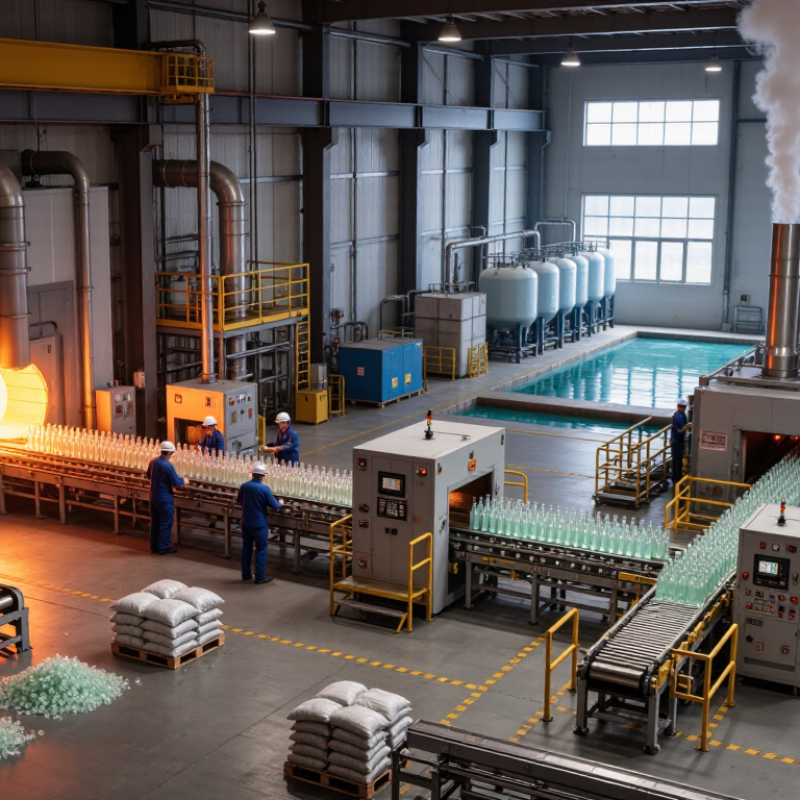
How to Meet Environmental Requirements for Glass Factories

Identify Applicable Environmental Laws and Permit Requirements

A glass factory’s environmental obligations depend on its location, production capacity, fuel, and processes. Start by listing each site activity: furnace operation, batch mixing, cullet storage, glass forming, cooling, and equipment cleaning. Then check the environmental rules of the relevant national, regional, and local authorities. Small details matter.

Ask the environmental agency which permits apply before building, expanding, or changing fuel or furnace equipment. Air permits may address particulate matter, nitrogen oxides, sulfur compounds, and monitoring or reporting duties. Also review wastewater discharge approvals, stormwater controls, waste handling rules, and any site-specific assessment requirements. A cooling-water system or outdoor cullet pile can trigger obligations that are easy to overlook.

Use official agency guidance and confirm requirements directly with regulators; permit names and thresholds vary by jurisdiction. Keep a written register showing each permit, responsible contact, renewal date, and operating condition. Compare permit limits with actual production and monitoring records. An initial review can miss a local rule, or a small process change. Recheck requirements when equipment, materials, output, or site boundaries change, and document what prompted the review.

How to Meet Environmental Requirements for Glass Factories

U.S. Federal Air-Permit Screening Thresholds

These federal Clean Air Act thresholds are screening benchmarks based on a facility’s potential to emit, not measured emissions. Title V and PSD thresholds can be lower in nonattainment areas or under state and local rules. The PSD threshold is 100 tons per year for listed source categories and 250 tons per year for other sources. Confirm applicable permits and requirements with the relevant permitting authority.

Assess Air Emissions, Wastewater, Noise, and Resource Use

Environmental control in a glass factory begins with mapping each process that creates emissions. Melting furnaces can release nitrogen oxides, particulate matter, and other pollutants. Batch composition and fuel changes may shift readings. Measure emissions under representative operating conditions, using maintained instruments and trained staff.

A single clean test is not enough.

Wastewater may come from cooling systems, glass cutting, and equipment cleaning. Collect suspended glass fines before water leaves the process area. Check pH, temperature, and relevant contaminants against site requirements. Keep separate records for routine samples and unusual events.

A neat monthly spreadsheet can still hide a poor production shift.

Noise often comes from cullet crushers, fans, compressors, and vehicle movement. Measure levels near equipment and at site boundaries, then inspect worn bearings, loose panels, and ineffective enclosures. Some fixes are simple; others compete with production needs.

Track energy use per tonne of glass, water use, cullet recovery, and rejected products. Clean cullet can reduce melting demand, but contamination limits its value. Data gaps happen, so note them and review how monitoring can improve.

Install Controls to Reduce Pollution and Improve Efficiency

How to Meet Environmental Requirements for Glass Factories

Glass factories can reduce pollution and energy use by treating process controls as part of daily production. Furnace combustion systems should be tuned to maintain stable oxygen and fuel levels. Poor adjustment can waste fuel and increase emissions. Small changes matter. Operators can track furnace temperature, oxygen readings, and fuel consumption together, then investigate unusual shifts. Lower-emission burner designs may also help, but their performance depends on the furnace and operating conditions.

Dust controls are important where raw materials are stored, mixed, and moved. Enclosed transfer points and well-maintained extraction systems can limit visible dust around conveyors and batch areas. At the furnace exhaust, suitable particulate collection equipment needs regular checks for leaks, pressure changes, and worn components. Simple records help reveal patterns.

Reusing clean glass cullet can reduce the amount of raw material that must be melted, often lowering energy demand. Cooling water can also circulate through closed-loop systems, reducing fresh-water use. Still, equipment does not run perfectly forever. A filter may lose efficiency between inspections, and one reading cannot describe every shift.

Staff should review monitoring data, maintenance logs, and site conditions together, with qualified environmental personnel checking performance against applicable permit limits.

Manage Glass Waste and Hazardous Materials Safely

Glass plants create cullet, refractory fragments, filter dust, and packaging waste. Keep each stream separate at the point of generation. Place clean, dry cullet in covered, clearly labeled bins; moisture and mixed debris can make reuse harder. In its 2018 waste assessment, the U.S. Environmental Protection Agency estimated that 12.3 million tons of glass entered the municipal waste stream, with about 25% recycled. That figure is not factory-specific, but it shows how much glass can be lost when sorting fails.

Hazardous materials need tighter controls. Store oils, cleaning agents, and maintenance chemicals in closed, compatible containers with readable labels and secondary containment. Keep incompatible substances apart, and make spill kits easy to reach. The European Commission’s Glass Manufacturing Industry reference document identifies dust and process residues among the waste streams that facilities should manage.

Use extraction and sealed collection where appropriate; never sweep fine dust into open walkways. Dust travels. Train workers to follow site procedures, use suitable protective equipment, and report damaged containers promptly.

A daily walk-through can catch cracked drums, overflowing bins, or unlabeled residues before they become bigger problems. Record waste quantities and destinations, and check that contractors receive accurate material descriptions. Small details matter: a damp cullet pile may look harmless, yet contamination can reduce its value. Even good systems drift. Review them after process changes, spills, or near misses.

Monitor Environmental Performance and Maintain Compliance Records

Environmental monitoring in a glass factory works best when measurements follow real production conditions. Record furnace emissions, such as particulate matter and nitrogen oxides, at the intervals required by site permits. Note furnace load, fuel use, and operating changes beside each result. This context helps explain unusual readings. Numbers alone can mislead.

Keep calibration certificates, sampling reports, maintenance notes, and wastewater test results in one controlled record system. Each entry should show the date, instrument or sampling point, responsible staff member, and any follow-up action. Use consistent units. Keep it traceable. For example, a dust reading after a filter repair should link to the repair record and a later verification test.

Review results on a set schedule, and compare them with permit limits and the factory’s own operating targets. Flag missing data promptly rather than filling gaps with estimates. That can feel tedious, but it protects the record’s credibility. No log is perfect; handwritten shift notes can be unclear, and a rushed entry may lack context. Correct errors transparently, preserve the original entry, and document who made the change and why. Repeated increases in water use or stack readings deserve investigation, even when individual results remain within limits.

FAQS

Which environmental requirements should a glass factory check?

Requirements depend on location, production capacity, fuel, and processes. Review furnace operation, batch mixing, cullet storage, forming, cooling, and cleaning. Small details matter.

When should a factory ask about permits?

Check with local environmental authorities before building, expanding, changing fuel, or modifying furnace equipment. Permit names and thresholds vary by location.

What records help manage permits?

Keep a register of permits, contacts, renewal dates, and operating conditions. Compare permit limits with production and monitoring records. A checklist can still miss something.

Which emissions may require monitoring?

Air permits may cover particulate matter, nitrogen oxides, and sulfur compounds. They may also require monitoring or reporting.

How should glass waste be sorted?

Separate cullet, refractory fragments, filter dust, and packaging waste where each is generated. Store clean, dry cullet in covered, labeled bins. Keep it dry.

How should oils and chemicals be stored?

Use closed, compatible, clearly labeled containers with secondary containment. Separate incompatible materials, and keep spill kits easy to reach.

How can workers reduce dust risks?

Use extraction and sealed collection where appropriate. Avoid sweeping fine dust into open walkways. Train workers to follow site procedures and use suitable protective equipment.

What should a daily walk-through look for?

Check for cracked drums, overflowing bins, unlabeled residues, and damaged containers. Record waste quantities and destinations. Even good systems drift.

When should environmental procedures be reviewed?

Review them after process changes, spills, or near misses. Recheck requirements when equipment, materials, output, or site boundaries change. Document why.

Conclusion

What are the environmental requirements for glass production plants? They generally include identifying the environmental laws and permits that apply to a facility, then assessing its air emissions, wastewater, noise, and use of energy and water. A thorough assessment helps operators understand where impacts arise and which activities need controls, monitoring, or operational improvements.

Factories can reduce pollution and improve efficiency through suitable emission-control systems, wastewater treatment, noise reduction measures, and resource-saving practices. Glass waste should be separated, handled, and reused or recycled where practical, while hazardous materials must be stored, labeled, and managed safely. Regularly monitoring environmental performance and keeping clear records of permits, inspections, maintenance, waste handling, and monitoring results helps a facility track progress, address issues promptly, and demonstrate ongoing compliance.

Madeline

Madeline

Madeline is a dedicated marketing professional with a wealth of expertise in our company's core offerings. With a keen understanding of the industry, she brings a unique perspective to her role, consistently delivering high-quality content that highlights the superior aspects of our products. As......