How to Optimize Automation Level for Glass Processing Equipment?

Time:2026-05-01 Author:Oliver
0%

In today's rapidly evolving manufacturing landscape, it is crucial to "Optimize automation level for glass deep-processing equipment." Industry expert Dr. Lisa Thompson emphasizes this by stating, "The right automation can elevate efficiency while maintaining quality in glass processing."

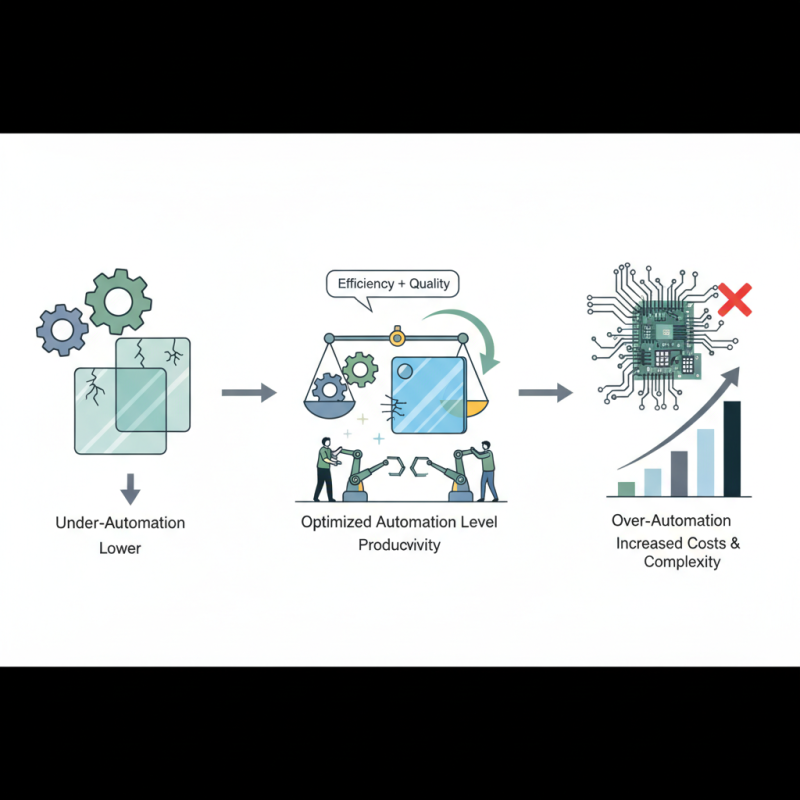
Advancements in technology allow businesses to enhance their production methods. Automation plays a vital role in achieving this goal. However, finding the ideal level of automation can be challenging. Each company's needs and existing systems differ. Over-automation may lead to increased costs and complexity. Conversely, under-automation might hinder productivity.

Assessing the specific demands of glass processing is essential. It involves understanding machinery capabilities, workforce skill sets, and production goals. By integrating smart automation solutions, companies can adapt strategies that suit their unique environments. The goal remains clear: improve efficiency without compromising the high standards of deep glass processing. Striking this balance is necessary for success in a competitive industry.
How to Optimize Automation Level for Glass Processing Equipment?

Understanding the Role of Automation in Glass Processing Equipment

Automation plays a crucial role in glass processing equipment. It enhances efficiency, reduces errors, and optimizes production. According to industry reports, automating glass processing can lead to a reduction of production costs by up to 30%. This significant improvement makes automation an attractive option for manufacturers.

Tips: Evaluate your current processes. Identify tasks that can be automated for better efficiency. Small changes can yield big results.

Moreover, automation increases the precision of cutting and finishing. This is vital for meeting customer demands for high-quality glass products. Reports indicate that automated systems can achieve accuracy levels of 0.1 mm. This level of precision often surpasses human capabilities.

Tips: Invest in training for your team. Understanding new automation technologies is key. This ensures a smoother transition and optimal use of the equipment.

While automation offers many benefits, not every process should be automated. Some tasks require human intuition and creativity. Balancing automation and human input can create a more flexible and adaptable production line. Continuous assessment of processes helps determine the right level of automation.

Assessing Current Automation Levels in Glass Processing Operations

Assessing the current automation levels in glass processing operations is vital for achieving efficiency. Start by documenting existing workflows and identifying areas that rely on manual labor. This process reveals bottlenecks and inefficiencies. Employee input is crucial; they can highlight challenges faced during daily tasks. Understanding the limits of current equipment allows for informed decision-making.

Gather data on production rates, quality control issues, and downtime. Analyze this information to determine trends over time. For instance, frequent quality defects might indicate a need for enhanced automation in quality checks. Evaluate safety procedures too. Assessing how automation can reduce human error is key for improving worker safety and overall productivity.

Regular reviews of existing automation technologies are essential. The landscape is constantly evolving, with new innovations emerging. Relying solely on past equipment can hinder growth. Engage with industry experts and use their knowledge to guide your evaluation process. This approach fosters a culture of continuous improvement, ensuring your automation levels align with industry best practices.

Identifying Key Areas for Automation Improvement in Glass Processing

Identifying key areas for automation improvement in glass processing is crucial for enhancing production efficiency. According to recent industry studies, approximately 30% of glass manufacturers still rely on manual processes. This leads to increased labor costs and potential errors. Automating material handling, cutting, and inspection processes can significantly reduce these risks.

Data from a report by the Glass Manufacturing Industry Association indicates that automating cutting lines can increase productivity by 40%. This type of investment not only speeds up production but also improves precision. However, many companies face challenges in workforce training and technology integration. Finding skilled workers who can operate advanced systems is becoming increasingly difficult.

Moreover, monitoring systems for quality control show promise. Implementing sensors and cameras can help detect flaws early in production. Yet, there’s a gap; many facilities still use outdated methods for quality checks. Transitioning to smarter solutions requires time and resources, which can deter progress. The need for a balanced approach is essential, as companies seek to navigate their automation journey effectively.

Implementing Technology Solutions to Enhance Automation

Automation in glass processing is no longer optional. Implementing the right technology solutions can significantly improve efficiency and precision. Equipment can now be integrated with advanced software for real-time monitoring. This technology allows operators to track processes and identify potential issues. With the right tools, problems can be addressed before they escalate.

Monitoring systems can enhance safety, yet some challenges remain. Human oversight is still required to manage complexities that machines cannot handle. Additionally, the transition to automated systems can be daunting for some workers. Training is essential to ease their concerns. A focus on user-friendly interfaces can help bridge the gap between technology and practical application.

There’s always room for improvement. Companies should regularly evaluate their automation strategies. Feedback from operators can uncover areas for enhancement. Emphasizing continuous improvement leads to better solutions. Balancing automation with human ingenuity creates a resilient system. This approach fosters innovation while minimizing disruption in traditional practices.

Measuring the Impact of Automation on Glass Processing Efficiency

Measuring the impact of automation on glass processing efficiency is crucial for optimizing operations. Recent industry reports indicate that automating glass processing can lead to efficiency improvements of up to 30%. Automation reduces human error and speeds up production while maintaining quality. However, not all processes benefit equally from automation. Some tasks may require skilled labor for precision work.

Implementing automation isn't just about adding machines; it’s about strategic placement. For instance, using automation for repetitive tasks can free up skilled workers for more complex roles. Tracking production metrics before and after automation can help identify key areas for improvement. A recent study highlighted that 40% of manufacturers struggle with integrating automated solutions effectively. This raises questions about current strategies and their execution.

**Tips:** Start small with automation in select areas. Monitor the adjustments and their impacts closely. Invest in training for your workforce to handle new technologies. Consider the balance between automation and skilled labor to avoid over-reliance on machines. Without careful planning, automation can lead to unwelcome disruptions in workflow.

Impact of Automation Level on Glass Processing Efficiency

FAQS

: Why is assessing automation levels in glass processing important?

: It reveals inefficiencies and bottlenecks. This information helps in making informed decisions.

How can employee input help in improving automation?

Employees can share daily challenges. Their insights highlight areas that need attention and improvement.

What role does data play in evaluating automation needs?

Data on production rates and quality issues identifies trends. It helps determine where automation is necessary.

What are some common areas for automation in glass processing?

Key areas include material handling, cutting, and inspection processes. These improvements reduce labor costs and errors.

What barriers do companies face when automating processes?

Challenges include workforce training and technology integration. Finding skilled workers for advanced systems is increasingly difficult.

How can monitoring systems enhance production quality?

Sensors and cameras detect flaws early. Yet, many still rely on outdated quality check methods.

Why is user-friendly technology important in automation?

It helps workers adapt to new systems. Simplifying interfaces eases concerns and encourages usage.

How can companies ensure continuous improvement in automation?

Regular evaluations and operator feedback are crucial. This process uncovers areas needing enhancement.

What balance should companies strive for in automation?

Balancing automation with human ingenuity is essential. This creates a resilient system and fosters innovation.

How often should companies review their automation strategies?

Regular reviews keep strategies aligned with advancements. Continuous evaluation leads to better and innovative solutions.

Conclusion

The article "How to Optimize Automation Level for Glass Processing Equipment?" explores the critical role of automation in enhancing the efficiency of glass processing operations. It begins by assessing the current automation levels in various glass processing environments, providing insights into existing practices and the potential for improvement. The discussion then identifies key areas where automation can significantly impact processes, focusing on technological advancements that can be implemented to enhance automation.

Furthermore, the article emphasizes the importance of measuring the effects of these automation enhancements on overall processing efficiency. By adopting these strategies, businesses can effectively optimize the automation level for glass deep-processing equipment, leading to reduced operational costs, increased productivity, and improved product quality in the competitive glass industry.

Oliver

Oliver

Oliver is a seasoned marketing professional with a wealth of expertise in driving brand awareness and engagement. With a deep understanding of our company's product offerings, he consistently delivers high-quality content that enriches our professional blog. His insights not only shed light on......