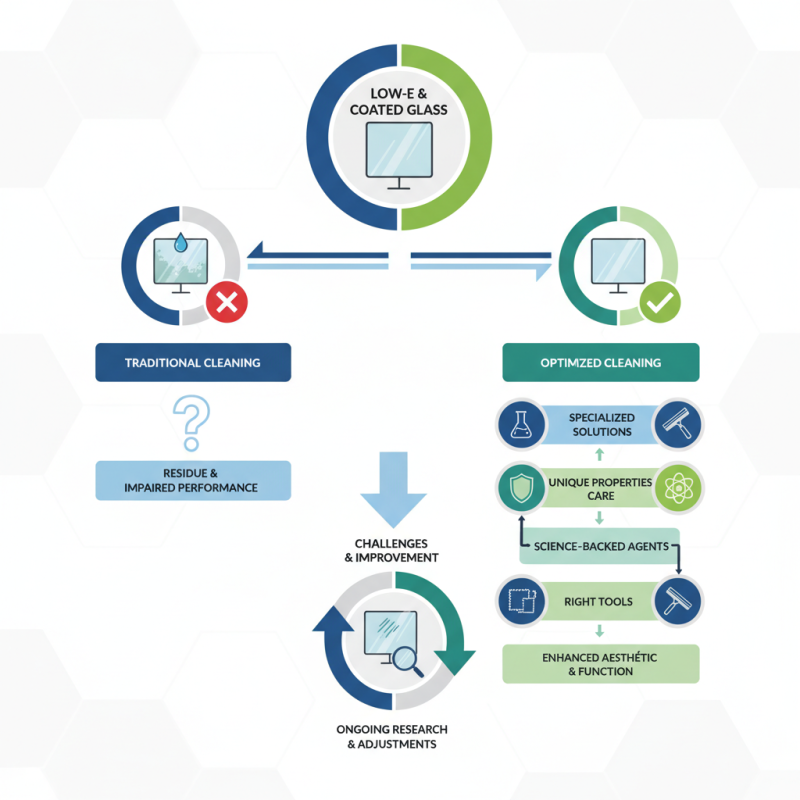
In the realm of building maintenance, ensuring optimal cleanliness of low-E and coated glass surfaces is paramount. Expert glass technician John Smith emphasizes, "To optimize cleaning effect for low-E and coated glass surfaces, specific techniques and solutions are essential." Low-E and coated glasses have unique properties that require specialized care to maintain their performance.
When cleaning these surfaces, traditional cleaning methods may fall short. Standard cleaners can leave residues, impairing the glass's insulating properties. Therefore, understanding the science behind low-E coatings is crucial. The right cleaning agents and tools can profoundly impact both the glass's aesthetic and functional qualities.
Despite advancements in cleaning technology, challenges remain. For instance, streaking can occur even with the best products. This highlights the need for ongoing research and adjustments to cleaning practices. Recognizing these flaws fosters improvement, truly optimizing the cleaning effect for low-E and coated glass surfaces.
Understanding Low E Coated Glass and Its Properties
Low E coated glass is a popular choice for modern architecture. Its unique properties include energy efficiency and UV protection. These features stem from a thin, transparent coating that reflects heat while allowing light. This property makes Low E glass ideal for climate control in buildings. It helps to maintain stable indoor temperatures and reduces energy costs.
Cleaning Low E glass requires a careful approach. Using abrasive materials can damage the coating. Instead, soft cloths and specific cleaning solutions are recommended. It’s also important to avoid harsh chemicals. This can ensure the glass retains its energy-saving properties. However, finding the right cleaning routine can be a challenge. Some methods may seem effective but can compromise the glass’s performance over time.
Moreover, exposure to natural elements can affect the glass. Rain, dust, and pollen accumulate on the surface. Regular cleaning is essential, but it demands attention. Sometimes, despite best practices, streaks may appear. This can lead to frustration for property owners. Understanding the nuances of Low E glass care is vital for maintaining its benefits. The right knowledge enhances its longevity and effectiveness.
Common Challenges in Cleaning Low E Coated Glass
Cleaning low E coated glass presents unique challenges due to its special surface. This glass is designed to enhance energy efficiency but is sensitive to certain cleaning methods and chemicals. A study by the U.S. Department of Energy indicates that improper cleaning can lead to a reduction in the glass's thermal performance by up to 20%. This makes it crucial to address the common pitfalls in cleaning.
One primary challenge involves the choice of cleaning agents. Strong chemicals can damage the low E coating, which affects its functionality. A report from the Glass Association of North America states that many people use household cleaners on this type of glass, leading to streaking and glass degradation. This confusion often arises from a lack of awareness about proper care guidelines. Interestingly, nearly 40% of property managers have reported complications from cleaning issues, underscoring the importance of informed cleaning practices.
Another concern is the effectiveness of cleaning techniques. Many individuals rely on traditional tools, like abrasive sponges, which can leave scratches. Research shows that using non-abrasive microfiber cloths vastly improves results while avoiding damage. Yet, even skilled professionals sometimes overlook the impact of environmental factors, such as temperature and humidity, during the cleaning process. Awareness and understanding of these challenges can lead to more effective cleaning strategies for low E coated glass.
Optimization of Cleaning Effect for Low E Coated Glass
Recommended Cleaning Methods for Low E Coated Glass
Cleaning low E coated glass requires specific methods to preserve its unique properties. Low E glass has a microscopic layer that reflects heat and UV rays, enhancing energy efficiency. However, improper cleaning can damage this coating. According to industry studies, using incorrect cleaning agents can degrade the coating, reducing performance by up to 25%.
For optimal cleaning, soft cloths or microfiber materials are recommended. Avoid using abrasive tools or harsh chemicals. A mixture of water and a mild soap is often effective. Some professionals suggest using a vinegar solution, but it's crucial to test a small area first. Regular maintenance every few months can prevent buildup and scratches. Data from glass experts indicate that preventive cleaning ensures longevity, maintaining energy efficiency beyond 15 years.
Interestingly, a survey on cleaning practices revealed that 40% of users reported streaks or residue post-cleaning. This highlights the need for education on appropriate methods. It’s essential to reflect on individual practices and reassess what products are used. Continuous learning about best cleaning techniques is beneficial for all users of low E glass.
How to Optimize Cleaning Effect for Low E Coated Glass? - Recommended Cleaning Methods for Low E Coated Glass
| Method |
Effectiveness |
Recommended Frequency |
Notes |
| Soft Cloth & Water |
Good |
Monthly |
Use distilled water to avoid mineral deposits. |
| pH-Neutral Cleaner |
Excellent |
Bi-weekly |
Ensure the cleaner is specifically designed for Low E glass. |
| Squeegee |
Very Good |
After each wash |
Helps to prevent streaks and water spots. |
| Microfiber Towels |
Good |
As needed |
Use dry for dusting and damp for deeper cleaning. |
| Avoid Abrasives |
N/A |
Always |
Harsh scrubs can damage Low E coatings. |
Best Practices to Enhance Cleaning Efficiency
Cleaning Low E coated glass can be challenging due to its delicate surface. The right techniques and tools are crucial for maintaining its clarity and efficiency. To start, always use soft, lint-free cloths. Microfiber cloths are ideal. They effectively lift dirt without scratching the glass.
It is vital to choose the right cleaning solution. Avoid harsh chemicals, as they can damage the Low E coating. Instead, opt for a gentle soap solution mixed with water. This method provides a safe yet effective means of cleaning. Apply the solution with a spray bottle for even distribution. Remember to rinse thoroughly to remove any residue.
Timing is also essential. Clean the glass surfaces during cool, overcast days. Direct sunlight can cause the cleaning solution to dry too quickly, leading to streaks. Experience shows that a systematic approach yields the best results. However, realizing that not every clean is perfect encourages ongoing improvement in techniques. Regularly assessing your cleaning methods can enhance overall performance.
Preventive Measures for Maintaining Low E Coated Glass
Maintaining Low E coated glass requires specific preventive measures to ensure its effectiveness and longevity. Regular inspection is crucial. Look for scratches or blemishes on the coating. These imperfections can affect its performance. Additionally, cleaning techniques should be gentle. Use non-abrasive materials to avoid damaging the surface. Soft cloths work best for this purpose.
Environmental factors play a significant role in the upkeep of Low E glass. Dust and grime can accumulate, making it necessary to clean more frequently in certain areas. Apply a water and vinegar solution for basic cleaning. Avoid harsh chemicals that could degrade the coating. Be cautious with outdoor elements as well; tree sap or bird droppings may etch into the glass if not cleaned promptly.
Inconsistent cleaning habits can lead to a buildup of grime. Over time, this can alter the glass's reflective properties. It’s important to establish a cleaning routine that suits your environment. Reflect on your cleaning methods; they can significantly impact the glass's efficiency. Remember, a little care goes a long way in preserving your Low E coated glass.
Conclusion
Optimizing the cleaning effect for low-E and coated glass surfaces requires a comprehensive understanding of these materials and their specific properties. Low-E coated glass is designed to reflect heat and reduce UV penetration, but this can also pose unique challenges during cleaning. Common difficulties include streaking and the potential for damage from harsh chemicals.
To effectively optimize the cleaning process, it is essential to adopt recommended methods that utilize pH-neutral cleaners and soft cloths. Employing best practices, such as cleaning during cooler times of the day and using proper techniques to avoid scratching, can significantly enhance efficiency. Additionally, implementing preventive measures like regular maintenance schedules will help in preserving the integrity of low-E glass, ensuring its longevity and performance are sustained over time.

 Yabo CNC