Optimize Data Monitoring and Intelligent Control for Production Lines?

Time:2026-06-27 Author:Madeline
0%

In today's competitive landscape, the need to optimize data monitoring and intelligent control of production lines is critical. According to a recent report by McKinsey, companies that effectively implement data-driven solutions can boost productivity by 20-30%. This statistic underscores the importance of integrating advanced monitoring systems and automated controls.

Manufacturers face numerous challenges. Inefficient data flows can lead to production delays and increased costs. A study by Gartner reveals that organizations that don't prioritize intelligent control may experience up to a 25% drop in operational efficiency. Thus, focusing on optimizing these systems is not just beneficial but essential for survival in the industry.

However, achieving this optimization is not straightforward. Many organizations struggle with outdated technology and fragmented data sources. This creates a patchwork of information that hinders decision-making. Reflecting on these issues allows organizations to identify gaps in their processes. Moving forward requires a commitment to adopting innovative solutions that enhance visibility and control on the production floor.
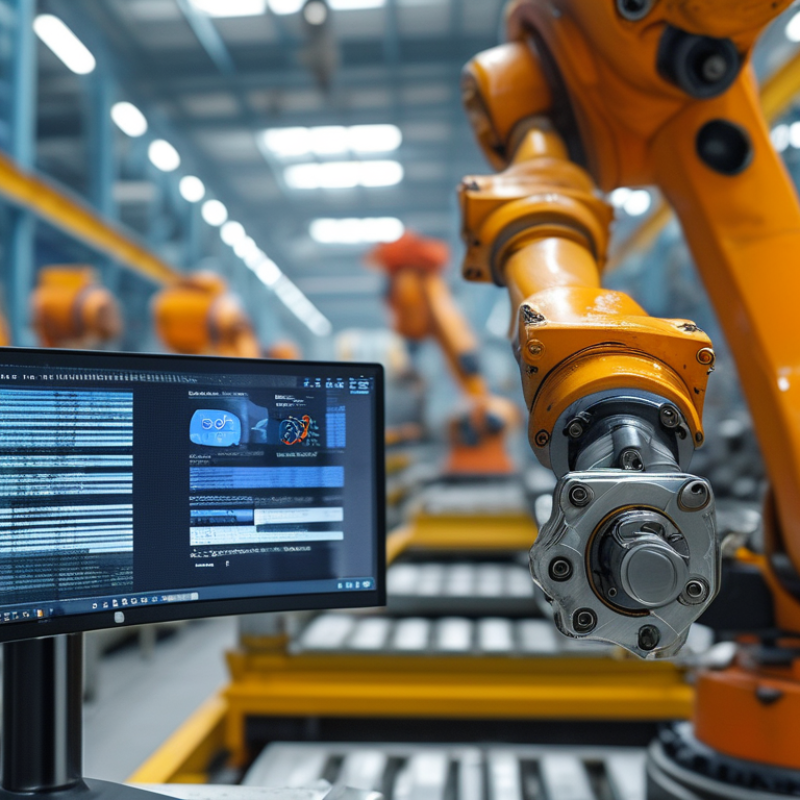
Optimize Data Monitoring and Intelligent Control for Production Lines?

Understanding the Importance of Data Monitoring in Production Lines

In modern production lines, data monitoring is crucial. A recent industry report indicates that 70% of manufacturers report significant downtime due to lack of real-time data. Effective monitoring systems can reduce this downtime by up to 25%. This emphasizes the role of timely information in optimizing production efficiency.


Data monitoring offers insights into machinery performance. For example, vibration analysis can indicate wear and tear in equipment. Companies utilizing advanced analytics have reported a 30% decrease in maintenance costs. However, many still rely on outdated methods, leading to inefficiencies. Companies must embrace digital solutions to stay competitive.


Intelligent control complements data monitoring. It allows production adjustments based on real-time data. For instance, if a machine operates outside designated parameters, control systems can automatically adjust settings or alert technicians. According to a study, businesses implementing intelligent control systems saw a 20% increase in production capacity. Adopting these systems can be challenging, especially for legacy systems, but the benefits are significant.

Key Technologies for Intelligent Control in Manufacturing Processes

In today's manufacturing landscape, enhancing production efficiency is paramount. Intelligent control technologies play a crucial role in this optimization. One key approach is using real-time data monitoring. This allows for immediate adjustments in the production line. Sensors collect data on machine performance and product quality. This data can identify bottlenecks, leading to proactive solutions.

Another important technology is the integration of machine learning algorithms. These algorithms analyze historical data, helping predict equipment failures. By leveraging predictive maintenance strategies, manufacturers can reduce downtime. Employees can focus on more complex tasks rather than mundane monitoring. However, relying solely on automated systems can sometimes overlook specific nuances of human intuition.

The human element remains essential in intelligent control. Skilled workers possess insights that machines may miss. Combining human expertise with intelligent systems may result in the best outcomes. Striking this balance is not easy, but it is necessary for long-term success. Embracing continuous improvement means remaining open to feedback and adapting strategies. In the end, the journey of optimizing intelligent control in manufacturing is ongoing.

Optimize Data Monitoring and Intelligent Control for Production Lines - Key Technologies for Intelligent Control in Manufacturing Processes

Technology Description Benefits Implementation Challenges
IoT Sensors Devices that collect data from machines in real-time. Enhanced visibility of operations, predictive maintenance. Integration with legacy systems, data privacy concerns.
Machine Learning Algorithms Algorithms that learn from historical data to optimize processes. Increased efficiency, reduced downtime. Data quality, model accuracy, and complexity of tuning.
Cloud Computing Storage and processing of large amounts of data over the internet. Scalable resources, cost efficiency. Dependence on internet connectivity, potential security risks.
Automated Control Systems Systems that automate machine operations based on data inputs. Consistency in production, reduced labor costs. High initial investment, need for skilled personnel.
Big Data Analytics Analysis of large datasets to reveal trends and patterns. Better decision making based on data-driven insights. Complex data management, skilled workforce required.

Implementing Real-Time Data Analysis for Production Efficiency

In today's manufacturing landscape, real-time data analysis plays a crucial role in enhancing production efficiency. By integrating intelligent control systems, production lines can now monitor operations continuously. This constant monitoring helps identify bottlenecks and reduce waste effectively. Moreover, using advanced analytics can predict maintenance needs, minimizing downtime.

Establishing a culture of data-driven decision-making is essential. Employees must understand how to interpret data. Training staff to recognize patterns creates an empowered team. It leads to more informed choices and improved processes. Consider utilizing visual dashboards. These tools can help present data clearly and concisely.

Tips: Start small. Implement real-time monitoring in one section before expanding. Regularly review performance metrics. This can lead to better adaptability in operations. Remember, not all data is useful. Focus on key performance indicators that truly drive efficiency. Engage with teams to gather feedback. Continuous improvement is a journey, not a destination.

Strategies for Improving Data Accuracy and Reliability in Monitoring

Data accuracy is crucial for effective monitoring in production lines. Implementing robust data collection methods can significantly enhance reliability. Use sensors that transmit real-time data, ensuring that any anomalies are detected immediately. Regular calibration is essential. Even small errors can lead to larger issues down the line.

Tips: Utilize redundancy in data collection. This means having multiple sources to verify important metrics. It can minimize the risk of data loss or corruption.

Data visualization tools play a vital role in identifying trends and patterns. Choose tools that allow for easy interpretation of complex data. Ensure that your team is trained in these tools for maximum efficiency. Review the data regularly to spot inconsistencies early.

Tips: Schedule periodic reviews of the data and control systems. Engaging team members in this process can unveil hidden insights. A fresh perspective may reveal overlooked problems. This practice not only improves data accuracy but also fosters a culture of continuous improvement.

Production Line Data Monitoring - Accuracy and Reliability

Future Trends in Smart Manufacturing and Data Intelligence

The transition towards smart manufacturing is reshaping production lines. Data intelligence plays a crucial role in this shift. With advanced analytics, manufacturers can monitor processes in real-time. This capability helps identify inefficiencies quickly. However, data streams can be overwhelming. Many organizations struggle to synthesize actionable insights from large datasets.

Incorporating intelligent control systems can streamline operations. These systems automatically adjust processes based on data feedback. For instance, if a machine shows signs of wear, the system can initiate maintenance. Yet, reliance on automation raises concerns. What happens if the system fails? Human oversight remains essential.

Future trends suggest that adaptive learning will enhance data monitoring. Machines will learn from past performance to predict outcomes. This could improve quality and reduce waste. While promising, this intricate balance of technology and human intervention requires careful consideration. Investing in workforce training is crucial for effective integration.

FAQS

: What is the role of real-time data monitoring in manufacturing?

: Real-time data monitoring enhances production efficiency by allowing immediate adjustments. It helps identify bottlenecks through collected machine performance data.

How do machine learning algorithms contribute to manufacturing?

These algorithms analyze historical data to predict equipment failures. They help reduce downtime, enabling employees to focus on complex tasks.

Why is human intuition important in intelligent control systems?

The human element provides insights that machines may overlook. Combining human expertise with intelligent systems leads to better outcomes.

What challenges do organizations face with data streams?

Organizations often struggle to synthesize actionable insights from large datasets. This can hinder effective decision-making.

How do intelligent control systems improve operations?

Intelligent control systems adjust processes automatically based on data feedback. They initiate maintenance when machines show signs of wear.

What concerns arise from relying solely on automation?

If the automated system fails, it raises significant concerns. Human oversight is crucial for addressing unexpected issues.

What future trends are expected in smart manufacturing?

Trends suggest adaptive learning will enhance data monitoring. Machines will learn from past performance to improve quality and reduce waste.

Why is workforce training important in smart manufacturing?

Investing in workforce training is crucial for properly integrating new technologies. Skilled workers are essential for balancing technology with human insights.

What is the importance of continuous improvement in manufacturing?

Continuous improvement means being open to feedback and adapting strategies. It supports long-term success in optimizing intelligent control.

Conclusion

In today's rapidly evolving manufacturing landscape, it is crucial to optimize data monitoring and intelligent control of production lines to enhance efficiency and productivity. Understanding the importance of data monitoring enables manufacturers to gather essential insights, thereby improving decision-making processes. Key technologies such as IoT devices and advanced analytics play a significant role in facilitating intelligent control, allowing for real-time adjustments to manufacturing processes.

Implementing real-time data analysis not only boosts production efficiency but also helps in identifying bottlenecks and improving overall workflow. Strategies aimed at enhancing data accuracy and reliability in monitoring are vital for creating a responsive and resilient production environment. As smart manufacturing continues to evolve, staying informed about future trends in data intelligence will be essential for organizations striving to maintain a competitive edge.

Madeline

Madeline

Madeline is a dedicated marketing professional with a wealth of expertise in our company's core offerings. With a keen understanding of the industry, she brings a unique perspective to her role, consistently delivering high-quality content that highlights the superior aspects of our products. As......