Top 10 Ways to Optimize Drying Efficiency After Glass Washing

Time:2026-06-16 Author:Liam
0%

Efficient drying after glass washing is crucial for both quality and productivity. To truly optimize drying efficiency after glass washing processes, every detail matters. It's not just about faster drying; it’s about reducing costs and ensuring crystal-clear results.

Many industries rely on spotless glass for various applications. Inefficient drying can lead to streaks, spots, or even damages, which may require re-washing. This could waste time and resources. Thus, focusing on innovative methods to enhance drying efficiency becomes essential.

Adopting best practices can make a significant difference. For instance, the choice of drying equipment, airflow management, and humidity control are pivotal factors. Understanding the unique challenges in your operation is vital. Reflecting on past drying issues can also provide insights for future improvements.
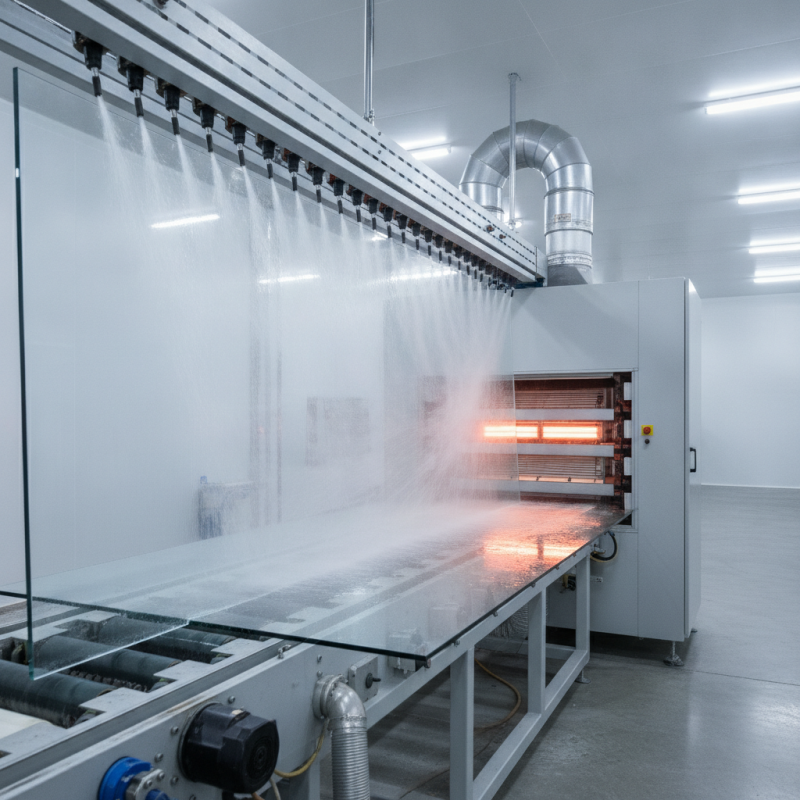
Top 10 Ways to Optimize Drying Efficiency After Glass Washing

Top 10 Ways to Optimize Drying Efficiency After Glass Washing

After washing glass, optimizing drying efficiency is crucial. Many face challenges like streaks and spots. A common mistake is using improper drying techniques. Instead of just air drying, employ a combination of methods to achieve better results.

Consider using microfiber cloths. These can absorb moisture effectively without scratching. Their effectiveness can be underestimated. Another approach is to position glass in a well-ventilated area. This helps speed up evaporation. Yet, many overlook airflow. A fan or open window can make a significant difference.

Lastly, explore temperature settings. Warm air tends to hold more moisture. Using a heat source can enhance the drying process. Be cautious, though; high heat may cause warping. Experiment with different techniques to find what works best for your situation. Each method requires careful observation and adjustment for optimal outcomes.

Understanding the Importance of Drying Efficiency in Glass Production

In glass production, drying efficiency plays a crucial role. Efficient drying processes reduce water spots and streaks, ensuring high-quality output. When glass is washed, moisture can compromise its appearance and functionality. Manufacturers need to understand how drying impacts the overall quality of glass products.


Optimizing drying methods can save time and energy. Efficient drying prevents excessive moisture which might lead to defects like bubble formation. Workers in glass production find that improved drying techniques can also minimize labor costs. Exploring advanced drying technologies or adjusting existing systems can yield better results.


Challenges exist in optimizing these processes. Variations in climate and production volume can affect drying times. Regular assessments of drying performance are necessary but often overlooked. Organizations should consider employee training, as skilled workers can implement more effective drying strategies. This creates a culture of continuous improvement, fostering better quality glass products.

Evaluating Different Drying Methods and Their Impact on Energy Consumption

When it comes to optimizing drying efficiency after glass washing, energy consumption is a critical factor. Various drying methods can impact not only the drying speed but also the energy used in the process. Understanding these methods is essential for improving efficiency.

Air drying is a common technique, but it can be inconsistent. Factors like humidity and airflow affect drying times. Consider using fans to enhance airflow. This can lead to faster evaporation. However, be aware that increased equipment usage also raises energy consumption.

Infrared drying is another method worth exploring. It uses radiant heat to dry surfaces quickly. It's often more energy-efficient than traditional heating methods. This approach can shorten drying times significantly. Nonetheless, it may require a higher initial investment in equipment.

Tips: Experiment with various drying times and methods to find the best fit. Monitor energy usage after implementing changes. Inconsistent results may indicate a need for adjustments. Keep a record of what works best for your setup. Adjust as necessary to improve efficiency over time.

Top 10 Ways to Optimize Drying Efficiency After Glass Washing

Drying Method Energy Consumption (kWh) Drying Time (minutes) Efficiency Rating (%) Cost per Use ($)
Hot Air Blower 1.5 20 85 0.10
Infrared Dryer 2.0 15 90 0.15
Forced Air System 1.8 18 88 0.12
Spin Dryer 2.5 10 92 0.18
Drying Tunnel 3.0 12 89 0.20
Water Repellent Coating 0.5 30 75 0.05
Natural Air Drying 0.2 60 70 0.01
Compressor Dryer 2.2 14 91 0.17
Heat Pump Dryer 2.8 11 94 0.19

Utilizing Advanced Technology: Infrared vs. Conventional Heating Techniques

In glass washing, choosing the right drying technique can greatly impact efficiency. Infrared heating, for example, uses radiant heat to quickly evaporate water. This method reduces drying time. It directly heats the glass surface, ensuring a thorough drying process. In contrast, conventional heating relies on convection methods, which can take longer. Air must circulate before it warms the glass.

However, infrared technology may not be suitable for all situations. Its effectiveness can depend on the type of glass or contaminants present. Some operators notice uneven drying in certain conditions. Finding the right balance between efficiency and finish can be challenging. Each facility must assess its unique needs and limitations. Decision-makers should carefully evaluate the costs and benefits of each method before implementing.

Understanding the benefits and drawbacks of both techniques is essential. Knowledge of humidity levels and glass types can enhance the decision-making process. Technology evolves, and procedures must adapt to optimize outcomes. Exploratory testing of both heating methods can lead to better insights. Continuous improvement in drying processes often stems from reflection and adjustment based on results.

Implementing Best Practices in Airflow Management for Enhanced Drying

Efficient airflow management is crucial in enhancing drying processes after glass washing. According to industry reports, over 30% of drying energy can be wasted without proper airflow. Optimizing airflow can significantly reduce this waste, leading to better drying times and lower operational costs.

Creating zones of directed airflow can help. Hot air must reach every area of the glass surface. Studies show that concentrated airflow reduces drying times by up to 20%. Adjusting the angle of air nozzles can further increase efficiency, facilitating evaporation. However, not all configurations yield desirable results, and testing different setups is vital.

Monitoring humidity levels improves airflow strategies. High humidity can slow drying significantly. A glass washing facility should ideally function at around 50% humidity for optimal results. Employing dehumidifiers can aid in this aspect. Regular audits of the drying process can pinpoint inefficiencies. Small adjustments can lead to substantial improvements. Each facility should be prepared to adapt their methods based on ongoing performance data.

Top 10 Ways to Optimize Drying Efficiency After Glass Washing

This chart illustrates the effectiveness rating of various best practices in optimizing drying efficiency after glass washing. Strategies such as increasing airflow speed and temperature control have the highest impact, while maintaining appropriate humidity levels and using fans also contribute positively to the drying process.

Measuring and Analyzing Drying Performance with Industry-standard Metrics

Drying performance in glass washing is crucial to overall efficiency. Industry reports highlight that inadequate drying can increase subsequent handling costs by up to 20%. Measuring drying efficiency with key industry-standard metrics, such as drying time and moisture content, helps in identifying areas for improvement.

For instance, using moisture meters can provide precise data on residual water levels. This tools ensure that the drying process is meeting quality standards. According to a recent survey, 75% of industry professionals reported that optimizing drying methods reduced their operational costs. Yet, many facilities still underestimate the impact of drying performance on overall productivity.

Analyzing drying performance reveals potential inefficiencies in systems. For example, inconsistent air flow can lead to uneven results. Reflecting on this gap is essential. Many companies invest in better equipment, overlooking the importance of airflow management. Ignoring airflow dynamics can result in longer drying times and higher energy costs.

FAQS

: What is a common drying mistake after washing glass?

: Many use improper drying techniques, relying solely on air drying instead of combining methods.

How can microfiber cloths improve drying efficiency?

Microfiber cloths absorb moisture well without scratching. Their effectiveness is sometimes underestimated.

Why is airflow important in the drying process?

Proper airflow speeds up evaporation. Fans or open windows can enhance the drying outcome significantly.

What should I be cautious about when using heat for drying?

High heat may warp the glass. It’s essential to experiment with temperature settings for safety.

How does air drying affect energy consumption?

While common, air drying can be inconsistent. Factors like humidity influence energy use during drying.

What benefits does infrared drying offer?

Infrared drying uses radiant heat for faster drying. It's often more energy-efficient than traditional methods.

When might infrared drying not be effective?

Its performance can vary depending on glass type and contaminants, leading to uneven results.

What should I monitor after changing drying techniques?

Keep track of energy usage and the results. Adjustments may be needed if results are inconsistent.

How can I ensure a balanced approach to drying?

Assess your specific needs and limitations. Continuously reflect on methods and be open to adjustments.

Why is it important to assess energy use in drying methods?

Understanding energy consumption helps in improving efficiency. Adjustments based on monitoring can lead to better outcomes.

Conclusion

In the glass production industry, optimizing drying efficiency after glass washing processes is crucial for enhancing overall productivity and reducing energy costs. Understanding the significance of efficient drying can help manufacturers make informed decisions about their operations. Different drying methods have varying impacts on energy consumption, and evaluating these methods is essential for identifying the most sustainable practices.

Advanced technologies, such as infrared heating, offer innovative alternatives to conventional techniques, potentially leading to better moisture removal without excessive energy use. Additionally, implementing best practices in airflow management can significantly improve the drying process. It’s important for organizations to measure and analyze their drying performance using industry-standard metrics to ensure continuous improvement. By focusing on these aspects, manufacturers can effectively optimize drying efficiency after glass washing processes.

Liam

Liam

Liam is a dedicated marketing professional with a profound expertise in the industry, where he excels at highlighting the unique advantages of our core products. With a keen understanding of market trends and consumer needs, Liam frequently updates our company’s professional blog, providing......