In today's fast-paced manufacturing environment, optimizing workflow integration between different processing stations is crucial. According to a report by McKinsey, companies that enhance their integration processes can save up to 30% in operational costs. This significant saving is possible through streamlined communication and data sharing between stations. Yet, many organizations struggle to achieve this integration effectively.
Inefficiencies often arise from poor coordination, leading to delays and increased overhead. For example, a lack of real-time data flow can result in bottlenecks, impacting overall productivity. Research shows that 50% of manufacturers report difficulties related to inter-station collaboration. These challenges highlight the need for systematic and adaptable solutions to optimize workflow integration between different processing stations.
Moreover, adopting advanced technologies such as IoT and AI can facilitate smoother operations. However, the implementation of these technologies requires careful planning and training. Companies must reflect on their current processes to identify gaps and opportunities. Embracing a holistic approach can lead to better integration and improved performance across all processing stations.
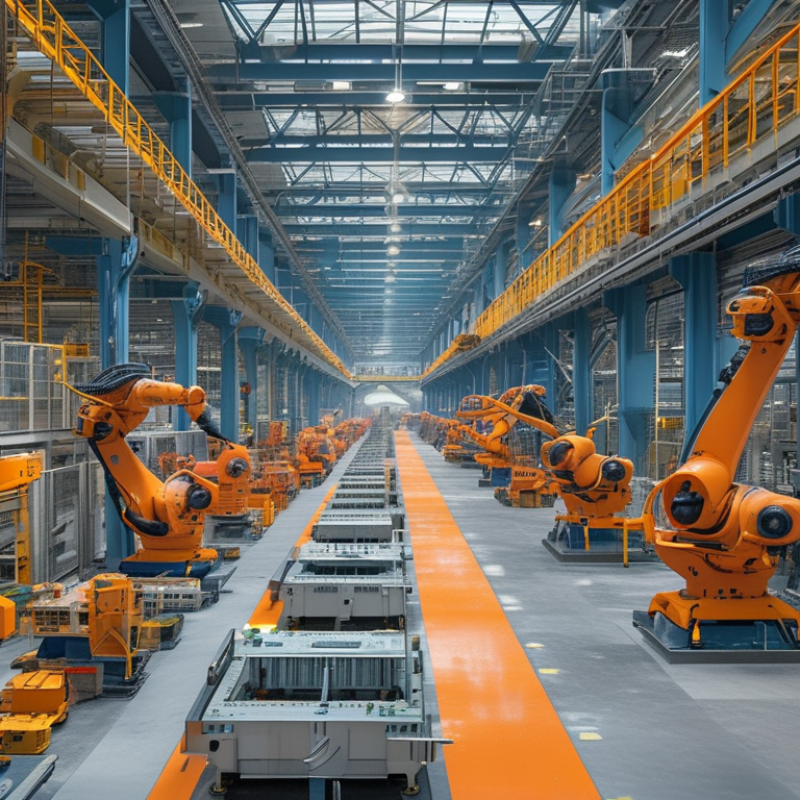
Workflow integration is essential for processing stations aiming to enhance efficiency. Each station often operates in isolation, leading to delays and communication gaps. An integrated workflow allows for real-time updates and streamlined processes, fostering collaboration among teams. When each station shares information, it minimizes redundancy and makes operations more agile.
However, achieving seamless integration is challenging. Many organizations struggle with inconsistent data formats and legacy systems that do not communicate well. It’s crucial to invest in solutions that bridge these gaps. Training staff to adapt to new technologies is another hurdle. People may resist change, creating friction in the integration process. Reflecting on these challenges can help improve integration efforts; identifying pain points is key to finding robust solutions.
Moreover, monitoring the performance of integrated workflows is vital. Metrics should focus on efficiency, productivity, and employee satisfaction. Regular feedback loops will highlight ongoing issues. Continuous improvement is necessary, as the integration process will always have room for enhancement. Adapting to feedback encourages a culture of growth within processing stations.
Efficient workflow integration is crucial for modern processing stations. Identifying key components can significantly enhance productivity. According to a recent report by the Institute of Industry Efficiency, companies with optimized workflows saw a 30% increase in output. This underscores the importance of analyzing workflows critically.
One critical component is communication. Effective communication tools can reduce delays. Ensuring that teams are aligned fosters a smoother process. Data from the Workflow Optimization Network reveals that teams who employed integrated communication systems decreased turnaround times by 25%. This suggests that investing in the right tools can lead to substantial improvements, though many companies overlook this aspect.
Another important factor is automation. While automation can streamline operations, its implementation isn’t always straightforward. A survey by the Center for Workflow Analysis showed that 45% of organizations struggle with integration complexities. Understanding these challenges is vital. Continuous assessment of workflow systems is necessary to uncover bottlenecks. This ensures a more agile processing environment. Engaging employees in feedback loops adds value, yet not all organizations prioritize this practice.
Effective communication between processing stations is vital for optimizing workflow integration. When information flows smoothly, teams can coordinate effectively and meet production goals. Often, communication gaps create delays and misunderstandings. Regular check-ins can bridge these gaps. These brief discussions keep everyone on the same page and address issues promptly.
Tips: Encourage open dialogue among team members. Create an environment where everyone feels comfortable voicing concerns. This builds trust and improves collaboration. Invest in communication tools that simplify sharing updates. Digital platforms can enhance transparency and accountability.
Another challenge is ensuring that all stations have access to the same information. Sometimes, outdated processes hinder data sharing. This can lead to errors and inefficiencies. One suggestion is to standardize procedures across stations. This ensures consistency and clarity.
Tips: Make it easy to access key metrics. Visual dashboards can provide immediate insights. Regular training sessions can help keep staff up to date. Monitor the effectiveness of these strategies and adjust them regularly. Embrace feedback and strive for continuous improvement in communication practices.
| Processing Station | Communication Method | Average Response Time (mins) | Frequency of Updates (daily) | Integration Tool Used | Challenges Faced |
|---|---|---|---|---|---|
| Station A | 5 | 3 | Tool X | Delayed Responses | |
| Station B | Instant Messaging | 2 | 8 | Tool Y | Network Issues |
| Station C | Dashboard | 1 | 5 | Tool Z | Data Overload |
| Station D | Video Calls | 15 | 2 | Tool W | Time Zone Differences |
| Station E | Workflow Software | 3 | 10 | Tool V | Integration Issues |
In today's fast-paced industries, optimizing workflow across processing stations is crucial. Implementing the right technology solutions can significantly enhance productivity. Start by assessing each station’s current workflow. Identify bottlenecks and inefficiencies. Each step should be evaluated for time consumption and resource utilization.
Automation tools can streamline repetitive tasks. This not only reduces human error but also allows staff to focus on critical activities. Look into data analytics to gather insights on workflow performance. Staff involvement is vital here; their feedback can highlight issues that data alone might miss.
Tip: Engage workers in brainstorming sessions. Their practical experience often leads to actionable ideas.
Consider integrating cloud-based solutions for improved communication. Real-time updates enable faster decision-making. However, remember that technology alone won't resolve all issues. Change management is essential. Train staff to adapt to new systems smoothly.
Tip: Regular training sessions can mitigate resistance and enhance skills.
Balancing technology and human touch creates a resilient workflow. It’s an ongoing process, demanding continuous reflection and adjustment. Embrace the imperfections as learning opportunities for the future.
Integrating workflows across processing stations can significantly impact productivity. A study by the Workflow Institute found that businesses that adopted workflow integration saw a 25% increase in operational efficiency. This highlights how alignment between stations enhances collaboration. When departments communicate in real time, decisions become faster and tasks more streamlined.
Yet, not all implementations yield success. Many companies face challenges in standardizing processes across teams. According to data from the Productivity Research Group, 30% of integration attempts fail due to inadequate training and unclear communication. As a result, teams may remain siloed, leading to missed deadlines and reduced output. A thoughtful strategy is crucial for overcoming these barriers.
Measuring the outcome of workflow integration is essential. Metrics such as time saved in processing and error rates can provide insight. The average error rate can drop by 40% with effective integration, according to the Efficiency Analysis Report. However, companies should continually assess their integration strategies and be open to making adjustments based on real-world feedback. This ongoing reflection can uncover areas for further improvement, ensuring a dynamic and responsive workflow.
: It enhances productivity significantly, with optimized workflows yielding a 30% increase in output.
Effective communication reduces delays and aligns teams, improving overall process smoothness.
Automation streamlines operations but can be complex to integrate; 45% of organizations report struggles.
It uncovers bottlenecks, ensuring a more agile and efficient processing environment.
Engaging employees in feedback loops can provide insights that data alone might miss.
Technology can optimize processes and reduce human errors, enhancing productivity significantly.
It helps staff adapt effectively, reducing resistance and ensuring smooth transitions.
By evaluating each step for time consumption and resource utilization.
Their practical experience can lead to actionable ideas for workflow improvements.
Technology alone won't solve all problems; a balance with human touch is essential.
The article "Optimize Workflow Integration Across Processing Stations?" explores the critical aspects of improving workflow integration in various processing environments. It begins by analyzing the fundamental concepts of workflow integration in processing stations, highlighting the importance of identifying key components that contribute to efficient workflow systems. Effective communication between processing stations is emphasized as a vital strategy for enhancing overall efficiency.
Furthermore, the article discusses the role of technology solutions in optimizing workflow integration between different processing stations. By implementing the right technological tools, organizations can streamline operations and improve productivity. Finally, it addresses how to measure the impact of optimized workflow integration on overall productivity, ensuring that organizations can track improvements and make informed decisions moving forward.

Yabo CNC