In the double glazing industry, optimizing gas filling efficiency and uniformity is vital. According to the National Fenestration Rating Council, windows can lose 30% of a building's energy if not properly sealed. This highlights the need for precise gas filling in insulated glass units. Optimizing this process can significantly enhance thermal performance, minimizing energy loss.
Recent research shows that the right gas fill can enhance insulation by up to 50%. However, many manufacturers still face challenges with gas distribution. Inconsistent filling can lead to performance disparities. Achieving uniformity in gas filling can reduce these discrepancies and ensure consistent insulation properties across all units.
Experts recommend regular audits of gas filling processes. This helps identify areas for improvement. By embracing advanced technology and best practices, manufacturers can enhance efficiency. Ultimately, focusing on optimization helps meet consumers’ energy efficiency expectations. It also supports sustainability efforts within the industry.
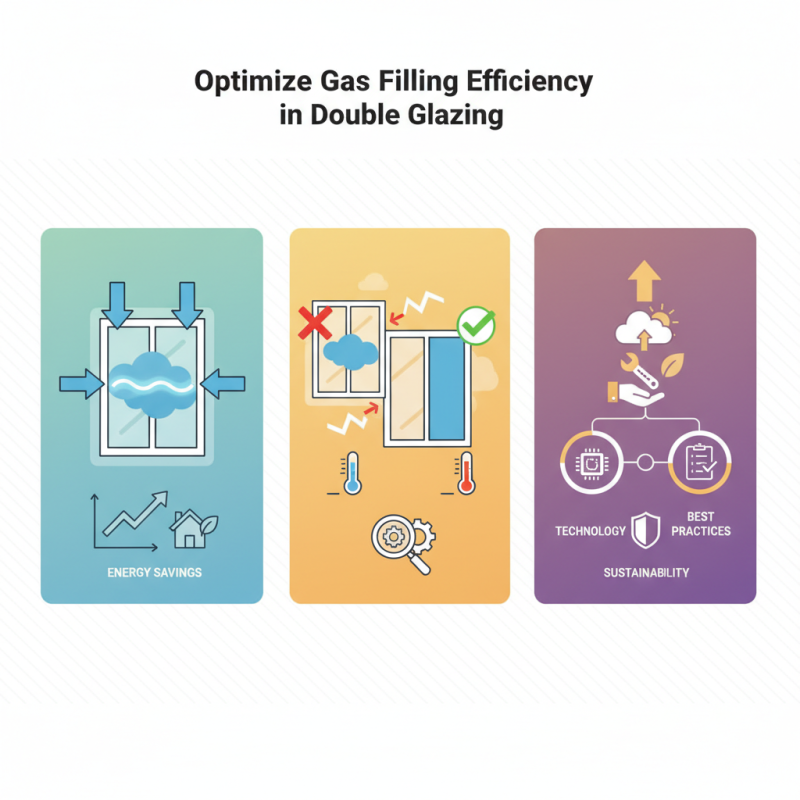
Gas filling efficiency plays a vital role in the effectiveness of double glazing. When insulated glass units are filled with inert gases like Argon or Krypton, they reduce heat transfer significantly. This efficiency helps maintain indoor temperatures and lowers energy costs. In regions with extreme weather, the benefits are even more pronounced. Inefficient gas filling can lead to condensation and moisture, undermining the performance of double glazing.
One key tip is to ensure proper sealing of the units. A well-sealed unit prevents gas escape. Look for any gaps or cracks in the frame. Even small openings can create issues. Regular maintenance can identify potential weaknesses. This guards against moisture infiltration, which can compromise the insulation.
Another suggestion is to assess the gas filling process. Proper techniques and equipment are essential for achieving optimal efficiency. If gas is filled improperly, it may not last long. Consider professional inspections to monitor gas levels in aging units. Addressing issues early can help extend the lifespan of double glazing. Remember, even slight inefficiencies can add up over time and increase costs.
Optimizing gas filling efficiency in double glazing is vital as it directly impacts thermal insulation performance. This chart illustrates the thermal conductivity of different gases used in double glazing, highlighting argon gas as the most efficient in reducing heat transfer.
In double glazing, the choice of gas plays a vital role in thermal efficiency. Commonly used gases include argon, krypton, and xenon. Argon is affordable and widely available, offering good insulation properties. It has about 67% of the thermal conductivity of air, making it a popular choice in energy-efficient windows. Krypton, while more expensive, provides even better insulation due to its superior density. It can reduce heat loss significantly, making it an ideal option for high-performance glazing systems.
The importance of filling gas efficiency cannot be overstated. A report from the National Fenestration Rating Council highlights that well-sealed double-glazed units filled with argon can improve energy efficiency by up to 30%. However, achieving optimal gas fill can be tricky. Any tiny leak can compromise thermal performance. In some cases, a poor fill might lead to condensation, which can damage the glass unit over time.
In addition to thermal properties, weight and visibility also matter. Heavy gases like xenon are less common in standard installations. They can provide high insulation but require careful handling due to their weight. As the industry evolves, new gas mixtures are being researched to optimize performance. This ongoing quest for better gases reflects a need for continuous improvements in energy efficiency standards.
Gas filling efficiency in double glazing is pivotal for several reasons. It impacts thermal performance and sound insulation. Argon and krypton gases are commonly used due to their lower thermal conductivity compared to air. According to the Glass and Glazing Federation, using these gases increases energy efficiency by up to 30% compared to standard dual-pane windows. However, achieving optimal gas filling is not straightforward.
Several factors influence the gas filling efficiency in glazing units. The quality of the sealant plays a key role. A robust seal minimizes gas leakage. A report from the National Fenestration Rating Council highlights that poor seals can lead to a gas loss of up to 10% within five years. Furthermore, the filling process itself is critical. Uncontrolled temperatures during filling can create pockets of air, reducing efficiency.
Installation techniques also matter. Improper handling during installation can compromise the unit’s integrity. Research indicates that around 20% of double glazing units installed incorrectly experience significant efficiency losses over time. Addressing these complexities requires industry expertise and reliable practices.
Optimizing gas filling efficiency in double glazing is essential for enhancing thermal performance. When the gas fills the space between the glass panes, it creates an insulating barrier. This barrier minimizes heat transfer, ensuring that indoor temperatures remain stable. The type of gas used, whether argon or krypton, impacts efficiency significantly. Each gas has unique thermal properties that contribute to overall performance.
A well-sealed unit prevents heat loss and improves energy efficiency. Poor filling can lead to gaps, allowing thermal bridging. This flaw diminishes the effectiveness of double glazing. Consider an example: a window with optimized gas filling can reduce heating costs by up to 30%. However, if filled incorrectly, it may only provide minimal insulation.
Attention to detail during the filling process is crucial. Operators must ensure that the gas is injected uniformly and that the seals are intact. Even slight inconsistencies can affect thermal performance. Reflecting on this, one might ask if current standards are sufficient. Continuous improvement in techniques and technologies is necessary to achieve the best results in gas filling efficiency.
| Gas Type | Thermal Conductivity (W/m·K) | Filling Efficiency (%) | U-Value (W/m²K) | Impact on Insulation |
|---|---|---|---|---|
| Air | 0.025 | 90 | 2.8 | Baseline insulation |
| Argon | 0.018 | 95 | 1.6 | Improved insulation; cost-effective |
| Krypton | 0.0037 | 98 | 1.0 | High-performance insulation |
| Xenon | 0.0031 | 99 | 0.9 | Top-tier insulation performance |
Optimizing gas filling in double glazing systems is essential for enhancing energy efficiency. Proper gas fills reduce heat transfer and improve insulation. This efficiency directly correlates with lower energy costs and a more comfortable indoor environment. Many professionals recommend using argon or krypton gas, as these are less conductive than air. However, achieving optimal filling levels can be a challenge, often leading to seal failures.
Techniques for improving gas filling include better manufacturing processes. For instance, using automated filling systems can ensure consistency and avoid air intrusion. Additionally, employing proper vacuum sealing techniques can enhance gas retention. The sealing materials themselves also play a crucial role. High-quality sealants can limit gas leakage over time.
It's vital to test the gas filling levels effectively. Regular quality checks help identify potential issues early.
The realities of gas filling often involve imperfections. Many manufacturers experience variability in gas distribution. Even slight fluctuations can impact insulation performance. Continuous innovation is required to improve these techniques. Professionals must stay updated on the latest methods and technology. This dedication to improvement will pave the way for superior double glazing systems.
: Gas filling efficiency reduces heat transfer. It helps maintain indoor temperatures and lowers energy costs.
Common gases include argon, krypton, and xenon. Argon is affordable, while krypton offers better insulation.
Inefficient gas filling can lead to condensation. It undermines insulation and may damage the glass unit over time.
Look for gaps or cracks in the frame. Small openings can cause gas escape and moisture infiltration.
Use proper techniques and equipment for optimal efficiency. Consider professional inspections for aging units.
Well-sealed units filled with argon can improve energy efficiency by up to 30%. This reduces heating costs significantly.
Regular maintenance identifies potential weaknesses early. This guards against moisture that can compromise insulation.
No, xenon is less common in standard installations. It provides high insulation but requires careful handling.
Even slight inconsistencies can diminish thermal performance. Operators must ensure uniform gas injection and intact seals.
One might ask if current gas filling standards are sufficient. Continuous improvement in techniques is necessary for better efficiency.
Optimizing gas filling efficiency and uniformity in double glazing is essential for enhancing the thermal performance of glazing units. The choice of gases used, such as argon or krypton, plays a significant role due to their unique properties, which contribute to better insulation. Various factors impact gas filling efficiency, including the design of the glazing unit and the precision of the filling process.
Improved gas filling efficiency not only minimizes heat transfer but also helps reduce energy costs, making buildings more sustainable. Techniques such as employing advanced filling technology and ensuring airtight seals can significantly optimize gas filling. Ultimately, effective optimization of gas filling can lead to greater energy efficiency and comfort in living spaces, marking it as a critical consideration in double glazing applications.

Yabo CNC