How to Reduce Energy Consumption in Glass Manufacturing Lines?

Time:2026-08-19 Author:Henry
0%

The glass manufacturing industry faces significant challenges due to high energy consumption rates. According to the U.S. Department of Energy, glass production is responsible for about 10% of the total industrial energy use in the country. This highlights the urgent need for effective strategies on how to reduce energy consumption in glass manufacturing lines. Inefficient processes and outdated technology further exacerbate this issue, leading to not only increased costs but also a larger carbon footprint.

Many manufacturers strive to implement energy-saving measures but encounter roadblocks. For instance, a 2021 report from the International Energy Agency showed that only 20% of glass manufacturers successfully adopted innovative energy-efficient technologies. This indicates a broader industry struggle, underscoring the necessity for new approaches and solutions. It is crucial to identify practical methods to minimize energy use while maintaining production quality and safety standards.

Energy efficiency should not be viewed merely as a compliance issue but as a strategic advantage. The competition is steadily increasing in the glass sector, driving the necessity for low-energy production methods. Understanding how to reduce energy consumption in glass manufacturing lines is essential for improving long-term sustainability and profitability. The potential for industry-wide transformation is significant, but it requires a committed effort from all stakeholders.
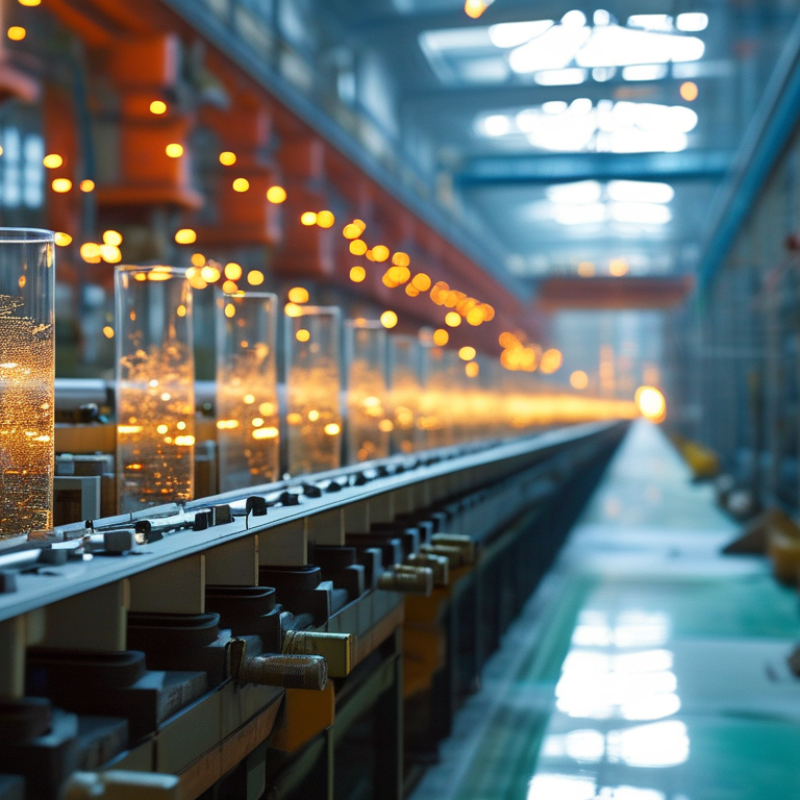
How to Reduce Energy Consumption in Glass Manufacturing Lines?

Strategies for Optimizing Melting Processes in Glass Production

Optimizing melting processes in glass production is crucial for reducing energy consumption. The melting phase is typically energy-intensive. An average furnace may consume between 10 to 15% of plant energy. To address this, manufacturers can adopt advanced glass melting technologies. These methods improve energy efficiency while maintaining glass quality.

One approach is optimizing furnace design. A well-designed furnace ensures uniform heat distribution. It minimizes temperature variations, leading to more efficient melting. Another consideration is the raw materials used. Preheating batch materials can decrease energy demand. In doing so, manufacturers can save substantial energy during production.

Continuous assessment of melting processes is vital. Monitoring energy consumption can highlight areas for improvement. Regular maintenance of equipment helps maintain optimal performance. While these strategies can lead to significant savings, challenges may arise. For instance, transitioning to new technologies requires initial capital. However, the long-term benefits often outweigh these upfront costs. Continuous innovation is necessary to stay competitive in a challenging market.

How to Reduce Energy Consumption in Glass Manufacturing Lines? - Strategies for Optimizing Melting Processes in Glass Production

Strategy Description Estimated Energy Savings (%) Implementation Cost ($)
Batch Optimization Adjusting the mix of raw materials to reduce melting temperatures. 10-15% 5,000
Furnace Efficiency Upgrades Upgrading to high-efficiency burners and insulation. 20-30% 50,000
Heat Recovery Systems Implementing systems to recover waste heat from the furnace. 15-25% 75,000
Process Control Systems Using advanced control systems for optimized furnace operations. 10-20% 30,000
Alternative Fuels Exploring the use of solar or biomass for heating. 15-35% 100,000

Implementing Advanced Monitoring Systems to Track Energy Use

Implementing advanced monitoring systems can significantly impact energy consumption in glass manufacturing. These systems use sensors to gather real-time data on energy usage. By continuously monitoring energy patterns, manufacturers can identify inefficiencies in their processes. This allows teams to take immediate action to optimize usage.

The data collected can be analyzed to highlight areas needing improvement. For example, unexpected spikes in energy use could indicate equipment malfunctions or process inefficiencies. Addressing these issues promptly can prevent energy waste and reduce costs.

However, adopting these systems presents challenges. Workers may need training to understand new technologies. Some team members may resist changes in routine. These obstacles require thoughtful strategies for smooth implementation. Continuous feedback can help increase acceptance and improve energy management efforts.

Utilizing Waste Heat Recovery Techniques in Glass Manufacturing

In glass manufacturing, energy consumption is a significant concern. Waste heat recovery techniques can greatly enhance efficiency. These methods capture and reuse the heat generated during production. This approach reduces the overall energy demand. It can also lower operational costs in the long run.

One effective tip is to install heat exchangers. These systems transfer waste heat from exhaust gases to preheat raw materials. This process can lead to substantial energy savings. Regular maintenance of these systems is crucial to ensure optimal performance. Neglecting maintenance can lead to efficiency losses.

Consider integrating heat recovery with other energy-saving measures. For instance, using improved insulation can minimize heat loss. Transitioning to a smart energy management system can provide real-time data. However, implementation can be complex and requires training. Careful planning and execution are essential.

Adopting Energy-Efficient Equipment and Technologies in the Facility

Energy-efficient equipment and technologies are crucial for reducing energy consumption in glass manufacturing. According to the Department of Energy, nearly 25% of the energy used in glass production is wasted. Implementing advanced furnace technologies and optimizing melting processes can significantly lower these figures. For instance, regenerative burners can improve energy efficiency by up to 30%, while electric boosting solutions enhance productivity.

Regular maintenance of machinery is vital. Energy loss often stems from poorly maintained equipment. Scheduled inspections can uncover issues that lead to inefficiencies. Furthermore, integrating real-time monitoring systems allows facilities to track energy usage closely. Such systems can provide actionable insights, identifying peak times for energy use and highlighting areas needing improvement.

Renewable energy adoption is another avenue. According to a 2021 report by the International Energy Agency, incorporating solar and wind power can offset a considerable portion of conventional energy use. Transitioning to alternative energy sources, though initially challenging, offers long-term benefits. It fosters resilience against fluctuating energy prices and regulatory changes. As the industry evolves, the integration of these technologies will play a pivotal role in reshaping energy consumption paradigms.

Enhancing Workforce Training and Awareness on Energy Conservation Practices

Training and awareness among employees is crucial in reducing energy consumption in glass manufacturing. According to the U.S. Department of Energy, implementing effective training programs can lead to a 10-20% reduction in energy use on the production floor. When workers understand energy-saving practices, they become more engaged and proactive in their roles. Many employees may not realize simple actions, such as turning off idle machines or optimizing furnace temperatures, can make a significant difference.

Glass manufacturing is energy-intensive, consuming about 6.5 million Btu per ton. By integrating energy conservation training into hiring practices and ongoing development, companies can empower their workforce. Utilizing energy audits and hands-on workshops creates awareness of how individual actions impact overall energy use. However, some companies face challenges. They may lack adequate resources or commitment to prioritize such training. Overcoming these barriers is essential for long-term efficiency gains.

Additionally, fostering a culture of sustainability within the workforce can sustain momentum. Employing regular feedback sessions encourages workers to share their experiences. This feedback loop can highlight both successes and areas requiring improvement. Continuous engagement on energy conservation can manifest in various ways, yet companies often struggle with consistent implementation. Addressing these issues could unlock further potential in energy savings that remains untapped in the industry.

Energy Consumption in Glass Manufacturing Lines

This bar chart displays the energy consumption across different stages of glass manufacturing. Focused training and awareness on energy conservation practices can significantly reduce overall energy usage, particularly in the melting process, which shows the highest consumption.

FAQS

: Why is optimizing melting processes important in glass production?

: It reduces energy consumption, which is crucial since melting is energy-intensive.

How can manufacturers improve furnace efficiency?

By optimizing furnace design for uniform heat distribution and minimal temperature variations.

What role do raw materials play in energy efficiency?

Preheating batch materials can significantly reduce energy demand during glass production.

Why is continuous assessment of melting processes essential?

It highlights inefficiencies and helps identify areas needing improvement for better energy use.

What is the benefit of advanced monitoring systems?

They provide real-time data on energy usage, enabling immediate adjustments to optimize processes.

What challenges come with adopting advanced monitoring technologies?

Workers may resist training, and adapting to new systems can disrupt established routines.

How do waste heat recovery techniques work?

They capture waste heat from production and reuse it, lowering overall energy demand.

Why is regular maintenance of waste heat recovery systems necessary?

Neglecting maintenance can lead to efficiency losses, impacting energy savings.

What additional energy-saving measures can be integrated with heat recovery?

Improved insulation can help minimize heat loss, enhancing overall efficiency.

Is implementing a smart energy management system easy?

It can be complex and typically requires careful planning and staff training for success.

Conclusion

Reducing energy consumption in glass manufacturing lines is crucial for enhancing sustainability and operational efficiency. One effective approach is to optimize the melting processes, which can significantly lower energy use by improving temperature control and reducing heat loss. Additionally, implementing advanced monitoring systems allows manufacturers to track energy consumption in real-time, leading to more informed decision-making.

Furthermore, utilizing waste heat recovery techniques can capitalize on residual heat from the production process, converting it into usable energy. Adopting energy-efficient equipment and technologies also plays a vital role in minimizing energy demands. Lastly, enhancing workforce training on energy conservation practices ensures that all employees are engaged in energy-saving initiatives, fostering a culture of efficiency within the facility. By integrating these strategies, glass manufacturers can effectively address the challenge of how to reduce energy consumption in glass manufacturing lines.

Henry

Henry

Henry is a dedicated marketing professional with a profound expertise in the company's offerings. With years of experience in the industry, he possesses an impressive understanding of the market dynamics and consumer behaviors that drive success. Henry is committed to sharing his insights through......