How to Reduce Operational Difficulty for Automated Glass Equipment?

Time:2026-06-24 Author:Henry
0%

In today's fast-paced manufacturing industry, efficiency is paramount. Automated glass equipment plays a crucial role in this sector. However, many manufacturers face challenges that complicate operations. The objective is to reduce operational difficulty for automated glass equipment. This not only enhances productivity but also ensures quality control.

Many factors contribute to operational difficulty. Outdated technology can hinder effectiveness. Staff training is often insufficient, creating a gap in expertise. Maintenance issues can also shift focus away from production goals. Each obstacle can lead to downtime and increased costs. Addressing these challenges is essential for a smooth workflow.

Implementing advanced solutions can be beneficial. Investing in user-friendly interfaces can simplify operation. Regular training sessions bolster staff confidence and capability. Furthermore, proactive maintenance schedules can prevent malfunctions. Reflecting on these strategies is vital. Continuous improvement will lead to more efficient automated glass operations.
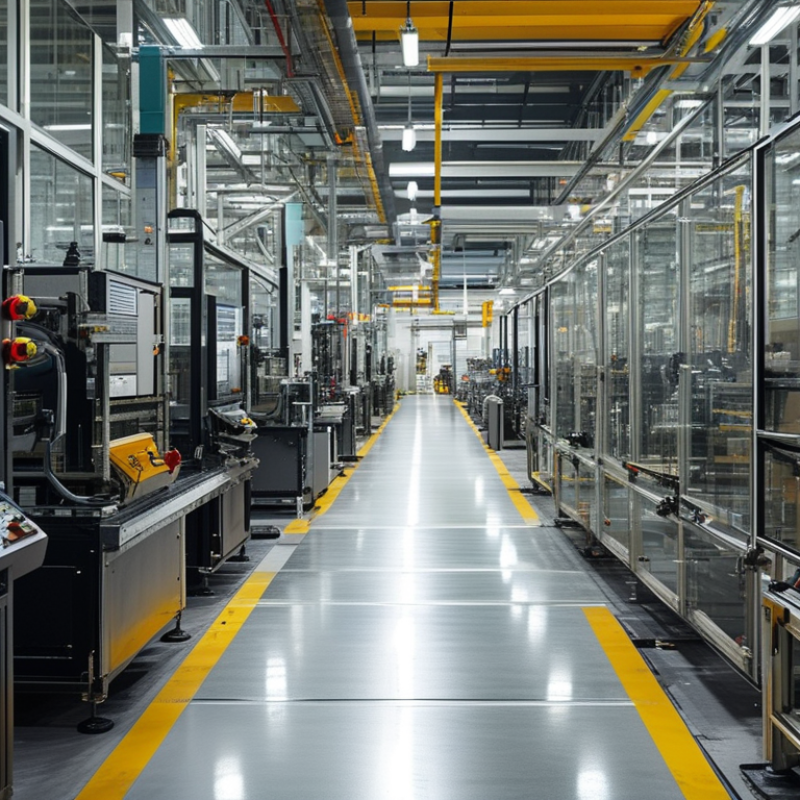
How to Reduce Operational Difficulty for Automated Glass Equipment?

Identifying Common Operational Challenges in Automated Glass Equipment

Automated glass equipment has made significant strides in efficiency. However, operational challenges remain. Common issues include equipment misalignment, software glitches, and maintenance delays. According to industry experts, about 30% of production downtime is due to such operational hurdles. Quick identification of these challenges is crucial.

Tip: Regularly train staff on equipment operation. Knowledgeable employees can quickly troubleshoot minor issues. This proactive approach can reduce downtime significantly.

Another significant challenge involves integrating new technology. Many facilities face compatibility issues with existing systems. A report from the Glass Manufacturing Association indicates that nearly 50% of manufacturers struggle with this integration.

Tip: Consider phase-wise technology upgrades. Gradual changes can help reduce operational stress and streamline the transition process. This method allows for better assessment of how new technologies will fit into existing workflows.

Moreover, maintenance is often overlooked. Routine checks can prevent major failures. According to a recent study, predictive maintenance can decrease equipment failure rates by 25%. The impact of regular maintenance is profound in overcoming operational difficulties.

How to Reduce Operational Difficulty for Automated Glass Equipment? - Identifying Common Operational Challenges in Automated Glass Equipment

Challenge Description Impact Level Potential Solutions
Equipment Malfunction Frequent breakdowns of automated systems can halt production. High Regular maintenance and real-time monitoring systems
Integration Issues Difficulty in integrating new automation with existing systems. Medium Use standardized interfaces and protocols
Operator Training Inadequate training can lead to improper equipment use. Medium Implement comprehensive training programs and simulations
Data Overload Excessive data can overwhelm operators and cloud decision-making. High Utilize data analytics tools to streamline relevant information
Supply Chain Disruptions Materials shortages can delay automation workflows. High Develop diversified supplier relationships

Implementing User-Friendly Interfaces for Enhanced Usability

User-friendly interfaces are crucial for automated glass equipment. Simplifying these interfaces can significantly reduce operational difficulties. When operators can easily navigate the equipment, their confidence and efficiency increase. A clean design with clear buttons and icons is essential. This reduces confusion and enhances productivity on the factory floor.

Tips: Focus on minimizing clutter. Operators should not be overwhelmed by unnecessary options. Instead, prioritize essential features that streamline the workflow. Incorporating touchscreens can improve interaction. These screens should respond quickly and provide immediate feedback. Engaging visuals can guide users through processes.

It's important to gather feedback regularly. Operators know the challenges best. Their insights can illuminate areas needing improvement, allowing for enhancements that truly make a difference. Consider conducting usability tests to identify common pain points. Understanding these issues helps in developing better solutions for everyone involved.

Training and Support Strategies for Operators of Glass Equipment

Training operators of automated glass equipment is crucial for reducing operational difficulty. A recent industry report indicated that improper training can lead to up to a 30% increase in error rates. Ensuring that workers are adequately trained can hugely impact productivity. On-the-job training sessions, complemented by detailed manuals, provide a strong foundation for operators.

Support strategies play a significant role in operator confidence. Implementing a mentorship program, where experienced operators guide newcomers, enhances skills effectively. Data shows that 45% of operators feel more competent with dedicated support. Regular feedback sessions help to identify gaps in knowledge and give operators the chance to ask questions.

Reflecting on these strategies brings new challenges. Not all operators will have the same learning pace or style. Inconsistent training quality can lead to a mixed level of expertise among staff. Companies must implement continuous improvement methods to refine their training protocols. The key is to create an adaptable environment that evolves with both technology and operator needs.

Regular Maintenance Practices to Ensure Reliability in Operations

Regular maintenance is crucial for automated glass equipment. Without it, the risk of operational failures increases. Consistent upkeep not only extends the machinery’s lifespan but also enhances efficiency. Technicians should perform routine checks on key components to catch minor issues before they escalate.

Tips for maintenance include scheduling regular inspections every few weeks. Look for wear and tear on belts and motors. A scheduled maintenance log helps in tracking these activities. Replace any worn-out parts immediately. This proactive approach reduces unexpected downtimes significantly.

Operators must be attentive during daily operations. Listening for unusual sounds is vital. Small changes can signal underlying problems. Encourage team members to report suspicious behavior. Implementing a feedback loop ensures everyone is engaged in maintenance. Regular training on equipment handling can also boost confidence and reduce errors.

Leveraging Technology to Automate Troubleshooting and Diagnostics

In the realm of automated glass equipment, troubleshooting can present significant challenges. The complexity of modern machinery often leads to unexpected issues that can halt production lines. Leveraging advanced technology can greatly enhance the diagnostic process. Automated systems equipped with smart sensors can collect data in real time, identifying discrepancies before they escalate into major problems.

Integrating artificial intelligence into these systems can streamline troubleshooting efforts. AI algorithms learn from historical data, providing insightful recommendations for maintenance. This approach minimizes downtime and reduces the need for manual interventions. However, relying heavily on technology has its pitfalls. There can be a steep learning curve for employees, and over-dependence could lead to lapses in hands-on skills.

Moreover, not all issues can be detected promptly. Some problems manifest only under specific conditions, which may not activate automated alerts. Regular training and a balance between technology use and traditional skills are crucial. Companies should encourage a culture of continuous improvement, allowing for reflection on both successes and setbacks in the automation journey. Emphasizing a proactive stance can create a resilient operational environment.

FAQS

: What are common challenges in automated glass equipment operations?

: Common issues include equipment misalignment, software glitches, and maintenance delays.

How much production downtime is caused by operational challenges?

About 30% of production downtime is due to operational hurdles in automated glass equipment.

What can reduce downtime significantly?

Regular training for staff on equipment operation can help quickly troubleshoot minor issues.

What difficulties arise when integrating new technology?

Many facilities face compatibility problems with their existing systems during technology integration.

How can companies approach technology upgrades?

Phase-wise technology upgrades can reduce operational stress and streamline the transition process.

Why is maintenance important for automated glass equipment?

Routine checks can prevent major failures; predictive maintenance can decrease equipment failure rates by 25%.

How does operator training affect error rates?

Improper training can lead to up to a 30% increase in error rates among operators.

What role do support strategies play for operators?

Mentorship programs and regular feedback sessions enhance operator confidence and skills.

What challenges exist in operator training?

Inconsistent training quality and varied learning styles can create a mixed level of expertise.

How can companies improve training protocols?

Continuous improvement methods should be implemented to refine training and adapt to evolving needs.

Conclusion

To reduce operational difficulty for automated glass equipment, it is essential to first identify and understand the common challenges operators face. These can range from complex control systems to equipment malfunctions. By implementing user-friendly interfaces, operators can navigate the technology with ease, reducing frustration and errors during operation.

Additionally, effective training and support strategies are crucial for equipping personnel with the skills necessary to manage the equipment confidently. Regular maintenance practices help ensure equipment reliability, preventing downtime and costly repairs. Finally, leveraging advanced technology for automated troubleshooting and diagnostics can streamline operations, allowing for quicker resolutions to issues that arise. Collectively, these strategies contribute to a more efficient and user-friendly environment for automated glass equipment, ultimately enhancing productivity and minimizing operational difficulties.

Henry

Henry

Henry is a dedicated marketing professional with a profound expertise in the company's offerings. With years of experience in the industry, he possesses an impressive understanding of the market dynamics and consumer behaviors that drive success. Henry is committed to sharing his insights through......