What Safety Standards Should Glass Production Equipment Meet?

Time:2026-08-14 Author:Sienna
0%

In the glass production industry, safety is paramount. Experts emphasize the importance of adhering to strict safety guidelines. According to Dr. Emily Hart, a leading expert in material safety, "What safety standards should glass production equipment meet? This is a crucial question for manufacturers." Her insights reflect the industry's responsibility to protect workers and consumers.

Glass production involves diverse processes, from melting to molding. Each stage carries potential hazards. Equipment must meet specific safety criteria to reduce risks. For instance, machinery should have emergency shut-off systems. Regular maintenance checks can prevent accidents. Yet, many facilities overlook these crucial details, risking safety and productivity.

Furthermore, proper training for staff is essential. A well-informed team can spot potential dangers early. However, gaps in training often occur, leading to unsafe practices. Manufacturers must constantly evaluate their safety measures. Addressing these challenges is vital for a secure working environment. The discussion around "What safety standards should glass production equipment meet" is ongoing and critical.
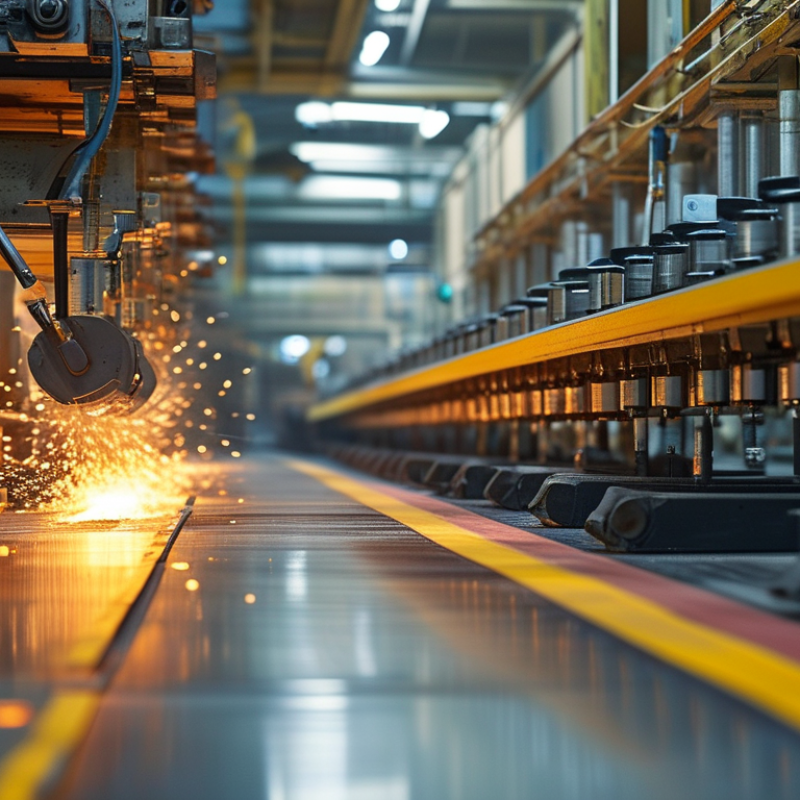
What Safety Standards Should Glass Production Equipment Meet?

Overview of Glass Production Equipment Safety Standards

Glass production equipment must adhere to stringent safety standards to protect workers and the environment. These standards encompass a range of aspects such as mechanical integrity, thermal resilience, and operational safety. For example, equipment must be designed to withstand high temperatures without compromising structural integrity. Regular maintenance checks are essential, but they are often overlooked due to operational pressures.

Moreover, equipment should include safety features like emergency shut-offs and protective barriers. Workers need proper training on these safety features. However, many facilities fail to prioritize continuous education. This gap in training can lead to accidents and injuries. It’s important for management to foster a culture of safety and encourage open communication about risks.

Compliance with international and local safety regulations is crucial. Yet, many manufacturers struggle with these requirements. Documentation of safety protocols is often incomplete or outdated. Regular audits can help address this issue, ensuring that glass production remains safe for everyone involved. Acknowledging these weaknesses can greatly enhance overall safety standards.

Key Regulatory Bodies and Their Roles in Glass Production Safety

In the realm of glass production, safety standards are crucial. Various regulatory bodies oversee compliance to ensure worker safety and product integrity. Notable organizations include the Occupational Safety and Health Administration (OSHA) and the American National Standards Institute (ANSI). They establish guidelines that manufacturers must follow. These regulations cover everything from equipment design to operational protocols.

Ensuring adherence to these guidelines can be challenging. Manufacturers must stay updated on evolving safety standards. Regular audits and inspections are essential. They provide an opportunity for improvements. Communication between regulatory bodies and producers often highlights areas needing attention. For example, outdated machinery can pose risks. Companies must invest in modernizing equipment to enhance safety.

Training workers is equally vital. Employees should understand the risks associated with glass production. Regular workshops can help reinforce safety protocols. However, not all workers may engage fully. Addressing this gap is imperative. Fostering a culture of safety is crucial for reducing accidents. Open discussions about safety can uncover hidden issues and lead to better practices.

Essential Safety Features for Glass Production Machinery

When considering glass production equipment, essential safety standards are vital. Machinery involved in glass production poses unique hazards. Ensuring safety features are in place can mitigate risks effectively.

Essential safety features include emergency shut-off systems. These systems allow for immediate cessation of operations during a crisis. Moreover, adequate shielding around hot surfaces prevents burns. Training employees on the use of safety gear is also crucial.

Tips: Regular maintenance checks can identify potential safety flaws. Ensure equipment meets all regional safety standards. Foster a culture of safety awareness within the team—it's a continuous process.

In glass production, a focus on safety can never be too strong. Often, businesses overlook routine checks, leading to accidents. Implementing a robust safety protocol helps avoid these scenarios, promoting a secure work environment.

What Safety Standards Should Glass Production Equipment Meet? - Essential Safety Features for Glass Production Machinery

Safety Feature Importance Compliance Standards Regular Maintenance Frequency
Protective Guards Prevents accidental contact with moving parts ISO 14120 Monthly
Emergency Stop Buttons Allows instant shutdown in emergencies EN 60204-1 Weekly
Safety Training Programs Ensures workers are aware of hazards OSHA Standards Annually
Ventilation Systems Reduces exposure to harmful fumes ANSI/AIHA Z9.5 Quarterly
Fire Safety Systems Prevents and manages fire hazards NFPA 70 Monthly

Common Hazards in Glass Manufacturing and Prevention Strategies

Glass manufacturing presents various hazards that must be managed effectively. One of the main dangers involves handling raw materials. Fine glass powder can easily become airborne. Inhalation could lead to respiratory issues. Workers should use appropriate masks and ventilated spaces. Regular checks on air quality in work areas can prevent long-term health effects.

Another significant risk is related to the high-temperature environments in glass production. Burns are common if safety protocols are not followed. Employees should wear protective gear and follow proper handling procedures. Training should emphasize the importance of reporting any unsafe conditions. Reactive surfaces and spills can create slip hazards. Routine cleaning protocols are essential to minimize these risks.

Machinery in the glassmaking process also poses hazards. Workers can sustain injuries from moving parts. Safeguards should be installed to prevent accidental contact. Clear signage about equipment can alert personnel to dangers. Regular maintenance of machines prevents unexpected failures, which could lead to injuries. Continuous education on safety practices increases awareness among employees. This proactive approach can significantly reduce accidents in the workplace.

Best Practices for Compliance and Safety Audits in Glass Production

In glass production, adhering to safety standards is crucial. Companies must prioritize safety audits to ensure compliance with industry regulations. Research indicates that about 15% of glass manufacturing plants do not meet basic safety guidelines. This gap can lead to accidents, affecting worker health and productivity.

Implementing regular safety audits is essential. These audits should evaluate equipment condition, employee training, and emergency procedures. Experts recommend conducting audits at least twice a year. This frequency helps identify potential hazards and non-compliance issues early. A focus on employee safety education can drastically reduce workplace incidents.

Tips for compliance include establishing a clear protocol for reporting safety concerns. Equipment maintenance schedules must be followed strictly. Encourage open communication about safety practices among staff. Regularly reviewing safety data reports can aid in adjusting practices as needed. Addressing weaknesses promptly fosters a culture of safety, ultimately benefiting everyone in the glass production environment.

Compliance with Safety Standards in Glass Production

FAQS

: What are the main regulatory bodies in glass production safety?

: Key organizations overseeing safety include the Occupational Safety and Health Administration and the American National Standards Institute.

Why is it important for manufacturers to follow safety guidelines?

Compliance ensures worker safety and product integrity, reducing risks in glass production.

How can companies stay updated on safety standards?

Regular audits and inspections are essential for staying current with evolving regulations.

What role does machinery maintenance play in safety?

Regular maintenance checks can identify risks and prevent accidents effectively.

How should workers be trained for safety in glass production?

Training should cover risks and safety protocols, with regular workshops for reinforcement.

What can hinder effective employee training?

Not all workers may engage fully in training, highlighting a need for improved communication.

How often should safety audits be conducted?

Experts recommend conducting safety audits at least twice a year for optimal compliance.

What safety feature is critical for glass production machinery?

Emergency shut-off systems are vital for immediate cessation of operations during crises.

How can a culture of safety be fostered within the team?

Encouraging open discussions about safety can uncover hidden issues and improve practices.

What happens if safety standards are overlooked?

Overlooking routine checks can lead to accidents, affecting worker health and productivity.

Conclusion

In the glass production industry, ensuring the safety of machinery is paramount. The question of "What safety standards should glass production equipment meet" is critical for protecting workers and maintaining operational efficiency. This involves a comprehensive overview of existing safety standards that govern the design and function of glass production equipment. Key regulatory bodies play a significant role in establishing these standards, providing guidelines that manufacturers must follow to ensure compliance and safety.

Essential safety features in glass production machinery include protective guards, emergency shutdown systems, and proper ventilation to mitigate common hazards such as high temperatures, sharp edges, and potential equipment malfunctions. In addition, implementing best practices for compliance and conducting regular safety audits can significantly reduce risks. Through these strategies, companies not only adhere to safety regulations but also foster a safer working environment for all employees involved in the glass manufacturing process.

Sienna

Sienna

Sienna is a skilled marketing professional with a deep expertise in our company’s core products and services. With a passion for innovation and detail, she plays a pivotal role in crafting insightful blog posts that not only highlight the unique features of our offerings but also provide valuable......