Starting a glass recycling line on a tight budget is less about buying the largest machines and more about matching equipment to the glass available. A small plant may begin with a covered sorting area, a sturdy conveyor, a magnet, and a crusher sized for its expected daily volume. Clear bottles, mixed-colour containers, and window glass do not behave identically. That matters. Dirt, labels, ceramics, and metal caps can lower cullet quality and add costly rework.
The central question is “How to start a glass recycling production line with low cost” without creating expensive bottlenecks. For transparency, Daniel Mercer, a fictional composite glass-processing engineer, offers this illustrative line—not a verified quotation: “Measure the incoming glass first; the right low-cost line starts with feedstock, not machinery.” Before requesting equipment prices, record supply volume, contamination, particle-size needs, labour, power use, and space. Ask suppliers for processing tests using representative samples, plus clear information about wear parts and maintenance. A compact line can still need reliable dust control, noise management, safe access, and trained operators. Do not overlook these costs.
A practical layout leaves room for sorting and storage beside the conveyor, with bins clearly marked for rejects and finished cullet. Begin with a realistic capacity target, then expand when supply and buyers are dependable. I would still challenge one assumption: the cheapest purchase price is not always the lowest operating cost. Belts, screens, downtime, and transport can quietly change the calculation. Start with measurements. Refine the plan.
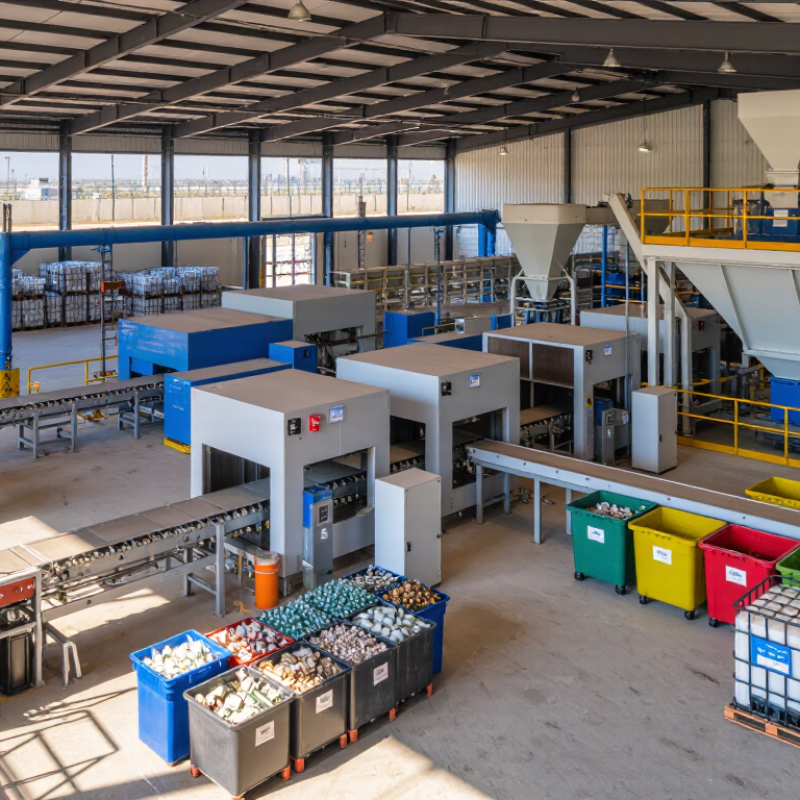
A low-cost glass recycling line should begin with a clear picture of local waste, not equipment prices. Visit nearby collection points, restaurants, window contractors, and packaging users. Record how much glass arrives each week, its colors, and common contaminants. Ceramics, stones, metal caps, and labels can reduce the value of recovered glass. Keep a simple sample log for several weeks. One busy week can mislead you.
Then check who may buy processed glass and what they actually require. Ask about acceptable particle sizes, color mixes, contamination limits, delivery schedules, and minimum quantities. Compare those requirements with your available supply and transport distance. A nearby buyer may be more useful than a larger, distant market. Estimate collection, sorting, power, maintenance, and rejected-load costs before choosing a line capacity. Start with a conservative target; demand forecasts are often less certain than they look.
Tips: Weigh incoming loads and inspect samples before signing supply agreements. Ask potential buyers to assess a small trial batch. Keep notes on rejected material and sorting time. If the numbers do not work yet, improve collection routes or sorting first. Buying a larger machine will not fix weak local supply.
A low-cost glass recycling line should match the material you actually receive. Check the daily volume, average piece size, and contamination before choosing equipment. A small hopper, belt conveyor, crusher, and vibrating screen can form a practical starting configuration. Keep it simple. Magnets can remove ferrous pieces, while manual sorting may handle occasional ceramics or plastic. These steps often cost less than installing optical sorting before you know it is needed.
Leave space for dust collection and safe access around moving parts. Fine glass dust can affect visibility and equipment upkeep, so extraction should not be treated as an optional extra. Ask suppliers for a test using your own sample; clean demonstration glass may behave differently from mixed collection material. That assumption is easy to make, and it can be wrong. Compare power use, screen replacement, and expected output quality, not just the purchase price. A basic line may need more labor or deliver uneven sizing. Plan for those limits, then add capacity or sorting stages when operating records justify the cost.
A practical starter setup for processing sorted container glass into reusable cullet. The figures below are indicative planning ranges, not supplier quotations.
| Stage or Item | Suggested Low-Cost Configuration | Typical Range | Indicative Equipment Budget (USD) | Cost-Control Tip |
|---|---|---|---|---|
| Feedstock | Pre-sorted container glass; remove large stones, ceramics, mirrors, and other non-glass materials before feeding. | Input size: mixed container glass | — | Buy locally available, consistent feedstock and reject heavily contaminated loads. |
| Receiving hopper and feeder | Basic steel hopper with a belt or vibrating feeder to provide a steady flow to the crusher. | Approx. 1–2 tonnes/hour; 2–5 kW | $2,000–$6,000 | Use a simple feeder first; avoid oversized automated loading equipment at startup. |
| Manual sorting belt | Short conveyor with work positions for removing visible contaminants by hand. | Approx. 2–4 kW; 2–4 operators per shift | $2,000–$5,000 | Manual sorting can be a lower-capital alternative to optical sorting when volume and purity requirements allow. |
| Glass crusher | Enclosed hammer crusher or suitable glass crusher with replaceable wear parts and guarded access. | Approx. 1–2 tonnes/hour; 15–30 kW | $5,000–$12,000 | Match the crusher to the required cullet size; excessive crushing increases fines and wear. |
| Screening unit | Vibrating screen with interchangeable mesh to separate the target size from oversize material and fines. | Approx. 3–7.5 kW; one or two screen decks | $3,000–$8,000 | Start with the screen sizes requested by local buyers rather than adding several grading stages. |
| Magnetic separator | Overband or suspended magnet on the conveyor to remove ferrous metal. | Approx. 1–3 kW | $1,500–$4,000 | Position the magnet after crushing so that exposed ferrous pieces can be captured. |
| Dust control | Enclosed transfer points with a dust collector and ducting; select filtration appropriate to the site and local requirements. | Approx. 5.5–11 kW | $3,000–$8,000 | Budget for dust control from the outset; do not rely on open-air processing to reduce costs. |
| Conveyors and basic controls | Short belt conveyors, guards, emergency stops, and a basic electrical control panel. | Combined line power commonly about 35–70 kW | $4,000–$10,000 | Keep the layout compact and limit transfer points to reduce conveyor length and dust leakage. |
| Indicative machinery total | Starter dry-process line with manual pre-sorting, crushing, screening, magnetic separation, and dust collection. | Nominal capacity: 1–2 tonnes/hour | Approximately $20,500–$53,000 | Request a complete equipment list and confirm what is included before comparing offers. |
| Optional upgrade | Optical sorting equipment for color or contaminant separation, subject to feedstock quality and buyer specifications. | Capacity and performance depend on material and configuration | Often adds $20,000 or more | Consider only after testing samples and confirming that the product premium justifies the additional investment. |
Comparing Chinese suppliers starts with matching the feedstock, not the headline price. The US EPA’s 2018 materials report recorded a 25% recycling rate for glass containers, showing how much usable material can be lost before processing. Ask each supplier to quote the same hourly input, target cullet size, and contamination limit. Request a test using your own mixed-color bottles; clean sample glass can hide sorting problems.
A lean line may include a feed hopper, conveyor, crusher, magnetic separator, screens, and dust control. Add optical sorting or washing only when the feedstock and buyer specifications justify them. FEVE reported an 80.1% glass packaging recycling rate in Europe for 2022, but that figure reflects collection systems as well as equipment—not a machine guarantee. Compare installed power, water use, spare-part lead times, commissioning, and output quality. Get these in writing. One quote may exclude foundations, wiring, or operator training. That is easy to miss. For a low-cost start, price a basic line with space and electrical capacity reserved for later upgrades; I would still verify local service before choosing the lowest bid.
How cullet can support lower operating costs: A commonly used industry rule of thumb is that every 10-percentage-point increase in glass cullet in the batch can reduce melting energy use by approximately 2–3%. The chart uses the midpoint estimate of 2.5%; actual savings vary with furnace design, cullet quality, and operating conditions.
Before buying equipment, map the available floor area and mark clear routes for loaders, workers, and finished glass. Choose a firm, level surface with drainage that keeps rainwater away from stored material. Leave space for a covered receiving area, sorting stations, the crusher, and product storage. Measure twice. A cramped layout can slow daily work and create avoidable handling risks.
Set up the process around the glass you can reliably collect. Start with manual sorting to remove ceramics, stones, metal, and other unwanted materials before crushing. These items can reduce product quality or damage machinery. Match the crusher and screening stages to your target particle sizes, and confirm their power needs before installation. Keep dust controls and guards in place, and train operators on shutdown procedures. A small trial run helps reveal bottlenecks, though my first layout would not be perfect; adjust it after observing actual material flow.
Tips: Keep stockpiles separated and labeled. Record incoming weights, rejected material, and electricity use each shift. This simple log can show where costs rise. Keep it dry. Check drainage after heavy rain, not only during installation.
A low-cost glass recycling line works best when the operating plan is simple. Before buying equipment, estimate incoming tonnage, electricity use, labor hours, and reject rates. A small weigh scale and daily log can reveal where money leaks. Do not overlook water, screen wear, or loader fuel. They add up.
Quality starts at the feed. Separate ceramics, stones, metals, and mixed waste before crushing; even a few contaminants can spoil a batch. Set screen sizes around the buyer’s specification, then test samples for particle size and visible impurities. Keep a retained sample from each shift. It helps. If output varies, slow the feed and inspect worn screens before adding machinery. Cheap fixes sometimes cost more.
Compliance belongs in the budget, not at the end. Confirm local requirements for permits, dust extraction, noise, wastewater, and safe machine guarding before installation. Keep inspection records, maintenance notes, and staff training logs together. They matter later. Dust at transfer points may seem minor, yet it can affect workers and trigger complaints. A covered conveyor and routine housekeeping are often less costly than repeated downtime. A hard lesson: throughput is not profit. Leave room in the budget for spare screens and repairs; the right allowance depends on feed quality and operating hours.
Measure local glass supply, colors, piece sizes, and contamination. Track several weeks, not one busy day.
Ceramics, stones, metal caps, and labels can cause problems. Even a small amount may affect a buyer’s acceptance.
Ask about particle size, color mix, contamination limits, delivery timing, and minimum quantities. Test a small batch.
Include collection, sorting labor, electricity, maintenance, transport, and rejected loads. The first estimate may be too optimistic.
A small hopper, belt conveyor, crusher, and vibrating screen can be a practical start. Keep it simple.
Not always. Magnets and manual sorting may handle ferrous pieces and occasional contaminants at lower cost.
Mixed collection glass may behave differently from clean samples. Ask for a trial using your material.
Check power use, screen replacement, labor, dust collection, and output quality. Leave safe access around moving parts.
Keep records of volume, sorting time, rejected material, and output quality. Add capacity only when the records support it.
Starting a glass recycling business on a limited budget begins with understanding the materials available and the needs of local buyers. Assess the volume, color, and condition of nearby glass waste, then identify potential customers and the product specifications they require. Set clear production goals before choosing a line, so equipment capacity matches realistic supply and demand. How to start a glass recycling production line with low cost? Begin with a practical configuration that covers essential stages such as sorting, crushing, screening, and conveying, and add optional equipment only when it supports a clear operational need.
Compare suppliers by equipment suitability, service, energy use, and total ownership cost rather than purchase price alone. Prepare a safe, accessible site with suitable utilities and space for material flow and storage. Establish consistent operating procedures, monitor product quality, and track labor, maintenance, and energy expenses. Following applicable environmental, workplace, and product requirements helps maintain reliable operations while controlling costs.

Yabo CNC