Laminated glass is essential in modern architecture and safety. Renowned glass expert Dr. Robert Miller once stated, “The key to quality laminated glass lies in precision at every step.” This emphasizes the importance of understanding the process.
So, what is the process for making laminated glass step by step? It involves various stages, each requiring attention to detail. First, two or more glass sheets are selected based on thickness and size. A polyvinyl butyral (PVB) interlayer is placed between them. This layer is crucial as it adds strength and flexibility.
Next, the glass is exposed to heat and pressure in an autoclave. This step ensures proper bonding and transparency. Many factors affect the outcome—temperature, time, and pressure must be monitored closely. Errors at this stage can weaken the final product. Achieving perfect laminated glass requires practice and ongoing refinement of techniques. Each step plays a role in ensuring strength and clarity.
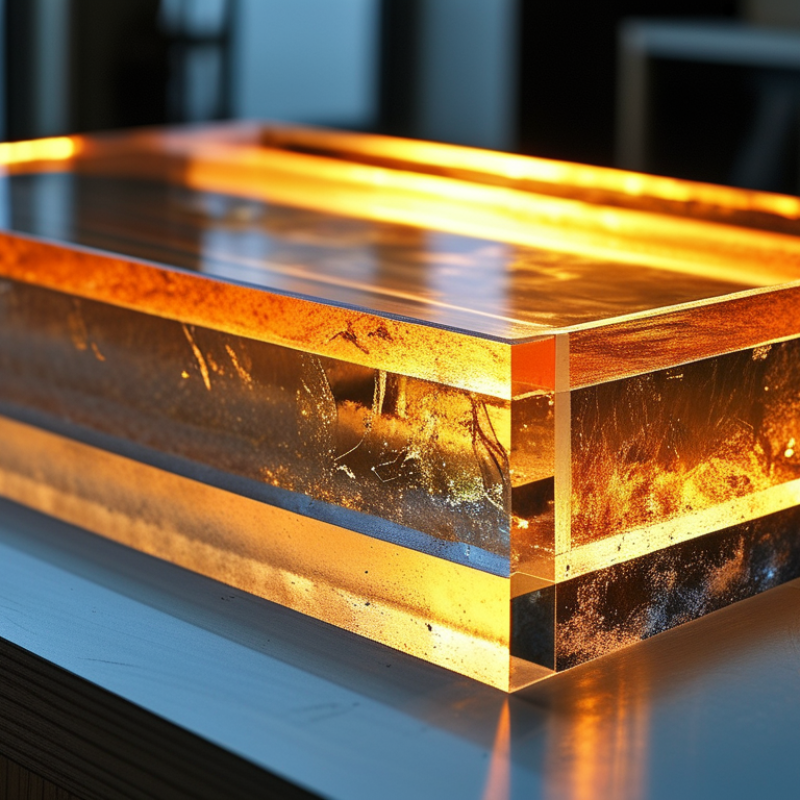
Understanding Laminated Glass: Definition and Uses
Laminated glass is a remarkable construction material. It consists of two or more layers of glass bonded together with an interlayer. This interlayer is often made of polyvinyl butyral (PVB) or ethylene-vinyl acetate (EVA). Such layers provide enhanced durability and safety. The glass remains intact when shattered, reducing the risk of injury. According to a report from the Glass Association, laminated glass has grown in usage by 27% over the past five years.
The applications of laminated glass are extensive. It is widely used in automotive windshields, providing both structural integrity and safety. In buildings, it enhances security against break-ins and acts as a sound barrier. The glass also offers UV protection, which is crucial in preserving interior furnishings. Data indicates that laminated glass can block up to 99% of harmful UV rays.
Despite its advantages, laminated glass is not without challenges. The manufacturing process requires precise control of temperature and pressure. Any defect can lead to delamination or reduced clarity, which can compromise its intended use. Industry professionals continually seek improvements in production techniques to enhance quality. The evolving market adapts to feedback and aims to refine the laminated glass specifications further.
Materials Needed for Laminated Glass Production
Creating laminated glass requires several essential materials to ensure both safety and quality. The primary components are two sheets of glass and a plastic interlayer, often made from polyvinyl butyral (PVB) or ethylene vinyl acetate (EVA). These interlayers bond the glass layers together, adding strength and flexibility. During assembly, it’s crucial to handle all materials carefully, as any dirt or scratches can jeopardize the final product’s integrity.
In addition to glass and interlayers, you'll need a vacuum bag or autoclave for the lamination process. The vacuum bag eliminates air pockets, which could lead to weak points. An autoclave applies pressure and heat to properly bond the layers. The equipment must be correctly calibrated; any misconfiguration might result in compromised glass. Safety equipment, like gloves and goggles, is also necessary. While gathering these materials, consider the environment; proper disposal of waste is essential for sustainability. This thoughtfulness in material selection and process can help ensure high-quality laminated glass that meets safety standards.
Step-by-Step Process for Making Laminated Glass
Laminated glass is known for its strength and safety features. The process of making it involves several key steps. Start by selecting high-quality glass sheets. Ensure they are free of imperfections. Next, prepare a plastic interlayer, usually made of polyvinyl butyral (PVB). This layer will bond the glass sheets together.
Once you have the materials ready, sandwich the interlayer between the glass pieces. This is where precision matters. After layering, the glass is placed in a vacuum bag to remove air bubbles. This step is crucial to prevent defects. Heat and pressure are then applied in an autoclave, allowing the layers to bond seamlessly.
Tips for success include maintaining a clean workspace. Dust can compromise the final product. Also, monitor temperature closely during the heating process. Inconsistent heat can create weak points. Allow yourself room for experimentation and learning. Sometimes, initial attempts may not meet expectations. Reflect on what can be improved, and adjust your method accordingly. With practice, you'll get better at creating high-quality laminated glass.
Safety Precautions When Working with Laminated Glass
When working with laminated glass, safety should be your top priority. This type of glass can shatter, leading to sharp fragments. Always wear appropriate protective gear, including safety glasses, gloves, and steel-toed boots. Ensure your working environment is organized and free of unnecessary clutter. This minimizes the risk of accidents.
Handling laminated glass requires care. Use proper lifting techniques to avoid injury. If the sheets are large or heavy, have someone assist you. Additionally, secure the workspace to prevent slipping or falling objects. It’s easy to overlook these details, but they are critical for your safety and the safety of others.
Remember that proper tools can make a difference. Invest in high-quality cutting tools designed for laminated materials. Dull or unsuitable tools can lead to accidents and poor results. Pay attention to how you handle these tools. Take a moment to think before you act, as hasty actions can lead to mistakes. Always prioritize clear communication if you’re working with a team, as misunderstandings can also create hazards.
Common Applications and Benefits of Laminated Glass
Laminated glass is known for its safety and durability. It consists of two or more layers of glass bonded with a plastic interlayer. This unique structure provides several benefits, making it ideal for various applications. It is commonly used in buildings, vehicles, and even safety glass.
One primary benefit is its ability to enhance safety. When broken, laminated glass holds together. This prevents shards from scattering, reducing the risk of injury. Therefore, it's a preferred choice for places like schools and hospitals. Additionally, it offers sound insulation. The interlayer dampens noise effectively, making environments quieter.
Energy efficiency is another plus. Laminated glass can block harmful UV rays, protecting furniture from fading. It also enhances thermal insulation, contributing to energy savings. Companies and homeowners alike find this beneficial for reducing energy costs. However, achieving the right thickness and material combination is important for maximum effectiveness. Careful consideration and testing are needed for optimal results. Despite its advantages, laminated glass can be more expensive than regular glass. Evaluating your specific needs is essential before making a decision.
FAQS
: You need two sheets of glass and a plastic interlayer, often made of PVB or EVA.
The interlayer adds strength and flexibility, bonding the glass layers together securely.
A vacuum bag or an autoclave is essential to eliminate air pockets and bond layers properly.
Always wear safety glasses, gloves, and steel-toed boots to protect against sharp fragments.
Keep your workspace organized and use proper lifting techniques to prevent injuries.
It enhances safety by holding together when broken, reduces noise, and provides thermal insulation.
It blocks UV rays and improves insulation, which helps lower energy costs for buildings and vehicles.
Yes, despite its benefits, laminated glass usually comes with a higher price tag, so evaluate your needs.
The right thickness is crucial for achieving maximum effectiveness and safety. Testing may be needed.
Use high-quality cutting tools; dull or improper tools can cause accidents and poor results.
Conclusion
Laminated glass is a type of safety glass made by bonding two or more layers of glass with an interlayer, offering enhanced durability and sound insulation. To create laminated glass, one must first gather essential materials such as glass sheets and a suitable interlayer. The process for making laminated glass step by step involves cleaning the glass, positioning the interlayer between the glass sheets, applying heat and pressure in an autoclave, and cooling the assembled layers to form a strong bond.
Safety precautions are crucial during the production process to prevent injuries from glass shards and to manage the materials involved safely. Laminated glass is commonly used in various applications, including automotive windshields, building facades, and protective barriers, due to its ability to withstand impact and reduce noise, making it a valuable choice in modern architecture and design.

 Yabo CNC