10 Tips to Boost Efficiency in Glass Cutting and Edging Machines?

Time:2026-07-30 Author:Amelia
0%

In the competitive landscape of glass manufacturing, efficiency is paramount. Every millisecond saved in glass cutting and edging processes can lead to invaluable cost reductions and increased profits. This article explores effective methods on how to improve efficiency of glass cutting and edging machines.

Modern glass cutting techniques leverage advanced technology, yet many operations still succumb to inefficiencies. Workers often face the challenge of manual adjustments and equipment downtime. To navigate these hurdles, understanding operational workflows is crucial. Streamlined processes not only enhance productivity but also reduce the chances of human error. Practical insights can transform how workers interact with machinery and materials, creating a more seamless operation.

Implementing specific strategies can lead to substantial improvements. Regular maintenance of machines ensures optimal performance and minimizes unexpected breakdowns. Training staff on the latest techniques enhances their skills, which can directly impact outputs. Investing time to identify bottlenecks and rethink workflows will reveal new opportunities for efficiency. Even small changes can yield significant benefits, driving your glass operations to new heights.
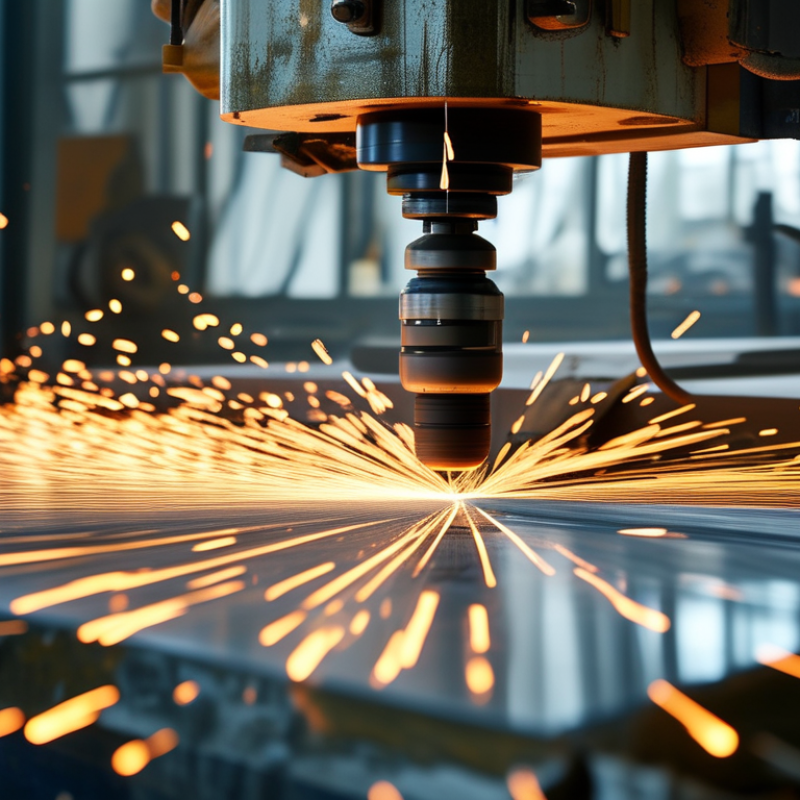
10 Tips to Boost Efficiency in Glass Cutting and Edging Machines?

Optimizing Blade Speed for Enhanced Glass Cutting Accuracy

Optimizing blade speed is crucial for achieving greater accuracy in glass cutting. The right speed enhances precision and reduces material waste. A faster blade can make cleaner cuts, but it might also lead to overheating. Find a balance that works for your specific needs.

Tip 1: Test different speeds. Adjust the blade speed according to the thickness of the glass. Thin glass often requires slower speeds to prevent chipping. Too much speed may result in a rough edge.

Tip 2: Maintain your blades. Dull blades can decrease accuracy and lead to errors. Regular inspection is essential. If a blade shows signs of wear, replace or sharpen it promptly.

Tip 3: Monitor the cutting pressure. Excessive pressure can compromise the glass. Aim for consistent pressure to ensure uniform cuts. This attention to detail often separates quality work from mediocre results.

10 Tips to Boost Efficiency in Glass Cutting and Edging Machines

Understanding the Impact of Temperature on Glass Edge Quality

Temperature plays a crucial role in determining the quality of glass edges. High temperatures can cause thermal stress, leading to cracks. Conversely, lower temperatures may result in incomplete cuts. Thus, maintaining optimal temperature levels is essential for achieving precise edges.


To enhance efficiency in glass cutting, ensure your machines are calibrated correctly. Regularly check the cutting tools for wear. Sharp tools reduce friction and heat buildup, assisting in smoother operations. Moreover, monitor the cooling systems carefully. Effective cooling minimizes thermal expansion and maintains glass integrity.


Another important point is the environmental control in your workshop. Consistent ambient temperature helps stabilize glass during processing. Avoid exposing cut pieces to extreme temperature changes. This practice lowers the risk of defects. Adopting these tips can greatly improve edge quality and lead to more reliable finished products. The small details matter significantly in glass processing.

Utilizing CNC Technology for Precision in Glass Edging Processes

CNC technology revolutionizes the glass edging process, enhancing precision and efficiency. These machines use computer numerical control to determine the exact cutting paths. This automation minimizes human error, resulting in better consistency in shapes and edges. Operators can easily adjust settings for various glass types, ensuring each cut maintains superior quality.

Moreover, the integration of CNC technology allows for intricate designs that manual cutting cannot achieve. Operators can create complex patterns with less effort. However, the learning curve associated with these machines can be steep. Familiarity with CNC programming is essential, as mistakes in the setup may lead to wasted materials.

Efficient training programs are crucial for operators. Regular maintenance of the machines is also vital to sustain precision over time. Without adequate care, even the best technology can falter. Balancing high-tech advantages with hands-on experience can enhance overall productivity. Investing time in understanding CNC technology is important for optimizing the glass cutting process.

Maintaining Equipment Regularly to Maximize Production Uptime

Regular maintenance of glass cutting and edging machines is essential for maximizing production uptime. According to industry reports, well-maintained equipment can reduce downtime by up to 30%. This reduction lowers production costs and enhances overall efficiency. Regular checks on machine components help identify potential issues before they escalate, ensuring smooth operations.

One effective strategy includes setting a maintenance schedule based on usage. For example, machines that operate daily may require weekly inspections. These inspections should focus on critical parts such as blades and motors. Neglecting these components can lead to mechanical failures, which disrupt workflow and result in costly repairs. An analysis revealed that 25% of production losses were due to unexpected machine breakdowns.

Data from manufacturing studies indicates that training staff on preventive maintenance can improve performance. Employees who understand equipment needs are more likely to spot irregularities. However, not all maintenance practices are implemented consistently, and this inconsistency can lead to reduced machine lifespan. Establishing clear protocols and accountability can bridge this gap. Regularly auditing machinery condition further ensures that best practices are followed, fostering a reliable production environment.

Implementing Automated Systems to Streamline Glass Handling and Processing

Automating glass handling is crucial for boosting efficiency in glass cutting and edging machines. Implementing automated systems can significantly streamline processes. It reduces manual errors and enhances precision, allowing for better control over production flow. This means fewer damaged pieces and faster turnaround times.

When considering automation, integrating sensors and robotic arms can optimize workflows. These tools handle heavy glass with care, minimizing the risk of accidents. Such technology can lead to real-time monitoring of glass thickness and quality, ensuring every cut is perfect. However, transition risks exist. Workers may feel overwhelmed by new technologies.

Training is essential to create a seamless shift. Encourage team members to give feedback on automated processes. This helps fine-tune the system further, addressing potential challenges early on.

Effective tip: Regular maintenance of equipment is vital. It ensures machines operate smoothly, reducing downtime. Keeping machinery updated extends its lifespan and improves overall productivity. Consider this advice as you navigate automation in glass production.

10 Tips to Boost Efficiency in Glass Cutting and Edging Machines

Tip Number Tip Description Expected Outcome Implementation Cost
1 Invest in high-quality glass cutting blades. Improved cut quality and reduced material wastage. $200
2 Implement automated glass handling systems. Increased speed and reduced manual labor. $10,000
3 Regularly maintain and service cutting machines. Longer equipment lifespan and fewer breakdowns. $500 annually
4 Train staff on best practices for glass handling. Reduced accidents and damage to glass. $1,000
5 Optimize layout for better workflow. Increased production speed and efficiency. $800
6 Use software for cutting pattern optimization. Maximized material usage and reduced waste. $2,500
7 Invest in edge polishing machinery. Enhanced product quality and customer satisfaction. $15,000
8 Implement a waste recycling process. Cost savings and environmental benefits. $1,500
9 Establish clear communication protocols. Reduced errors during production. $300
10 Monitor production metrics regularly. Improved decision making and adjustments. $200 annually

FAQS

: How does temperature affect glass edge quality?

: High temperatures can cause cracks due to thermal stress. Low temperatures may lead to incomplete cuts.

What steps can improve glass cutting efficiency?

Ensure machines are well-calibrated and tools are sharp to reduce friction. Regular maintenance is key.

Why is environmental control important in glass processing?

Consistent ambient temperature stabilizes glass and reduces defects from extreme temperature changes.

How does CNC technology enhance glass edging?

CNC machines provide precise cutting paths, reducing human error and improving consistency in edges and shapes.

What are the challenges associated with CNC technology?

The steep learning curve can hinder effectiveness. Mistakes in setup may result in wasted materials.

Why is training crucial for CNC operators?

Efficient training helps operators understand programming, preventing costly errors in glass cutting.

How does automation streamline glass handling?

Automated systems reduce manual errors and enhance precision, leading to fewer damaged pieces during production.

What tools can optimize workflows in glass production?

Integrating sensors and robotic arms helps monitor thickness and quality, ensuring perfect cuts.

What risks come with transitioning to automated systems?

Workers may feel overwhelmed, making training and feedback essential to smooth the shift.

What maintenance tips should be considered for glass machinery?

Regular maintenance prevents downtime and extends machinery lifespan, improving overall productivity.

Conclusion

To improve efficiency of glass cutting and edging machines, it is essential to focus on several key areas. First, optimizing blade speed can significantly enhance cutting accuracy, leading to cleaner edges and reduced material waste. Additionally, understanding the temperature's impact on glass edge quality can help mitigate issues such as chipping and cracking, thereby improving overall production quality.

Moreover, the integration of CNC technology ensures precision in the edging processes, allowing for intricate designs and consistent results. Regular maintenance of equipment is also critical to maximize production uptime, preventing unexpected breakdowns and ensuring smooth operations. Lastly, implementing automated systems can streamline glass handling and processing, further boosting efficiency in workflows. By addressing these aspects, manufacturers can achieve greater productivity and better quality in glass cutting and edging operations.

Amelia

Amelia

Amelia is a seasoned marketing professional with a wealth of expertise in our company’s core offerings. With an unwavering passion for driving growth and innovation, she plays a pivotal role in shaping our marketing strategies and enhancing brand visibility. A key aspect of her responsibilities......