Choosing the right glass production line for your factory is crucial. Industry expert Dr. Emily Carter highlights, "Selecting the right equipment can define your production success." This emphasizes the importance of making an informed decision.
When thinking about how to choose the right glass production line for my factory, several factors can come into play. The technology, production capacity, and energy efficiency must be considered. Equipment that doesn’t match production needs can lead to inefficiencies. You might invest a lot initially, but if it fails to meet demand, those costs rise.
Additionally, understanding the maintenance requirements is vital. Some lines may require frequent upkeep, which can be time-consuming. It's essential to weigh both short-term costs and long-term reliability. Reflecting on these aspects will not only guide your choice but also help ensure sustainable production in the future.
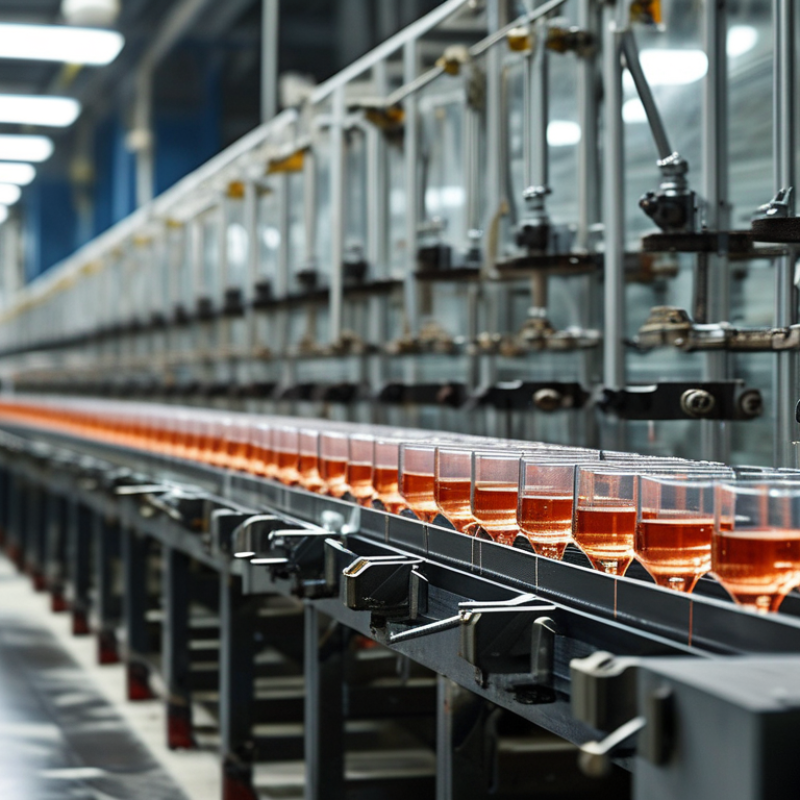
Choosing the right glass production line requires a deep understanding of your factory's unique needs. Each factory has different outputs, materials, and technologies. Evaluating these specifics ensures you invest in equipment that truly fits your operations. Assess your production volume. A line that can handle high demand may be unnecessary if your needs are modest.
Consider your product range. Are you manufacturing flat glass, containers, or specialty items? Each product type may require distinct production line features. Consult with experts to identify technological advancements suitable for your output. Don't overlook flexibility. A versatile production line can adapt when you expand your product offerings. This capability might lead to better long-term investments.
You might face challenges. Maybe you overestimate your capacity or select equipment that lacks support or service. It's essential to research thoroughly. Read case studies and seek testimonials. This will help avoid common pitfalls and ensure you choose the right solution for your factory's specific glass production needs.
In evaluating technology and machinery options for glass production, understanding the specific needs of your factory is crucial. According to a report by the Glass Manufacturers Industry Association, efficient production lines can boost output by 30%. This increase often stems from selecting the right machinery that aligns with your production goals.
Consider the energy efficiency of equipment. A recent study noted that energy consumption can account for up to 40% of production costs. Investing in advanced technologies can lead to substantial savings. For example, using electric furnaces rather than traditional gas ones can reduce emissions significantly while optimizing energy use.
Another aspect to reflect on is the flexibility of your production line. Machines that offer quick changeovers can adapt to varying product demands. This flexibility is vital in today's fast-paced market where customization is increasingly in demand. A rigid production system may limit your ability to respond effectively. Assessing these factors ensures that your glass production line remains competitive and resilient.
| Tip Number | Tip | Key Considerations | Expected Benefits |
|---|---|---|---|
| 1 | Assess Production Volume | Evaluate daily production requirements. | Ensures the line can meet demand. |
| 2 | Analyze Equipment Flexibility | Consider the ability to produce different glass types. | Increases product range and market adaptability. |
| 3 | Evaluate Energy Efficiency | Review energy consumption rates. | Reduces operational costs. |
| 4 | Assess Technology Integration | Look for compatibility with existing systems. | Streamlines production processes. |
| 5 | Consider After-Sales Support | Review the support services offered. | Ensures continuous operation with less downtime. |
When considering a glass production line for your factory, budget constraints play a crucial role. Assessing your finances early can prevent unexpected issues. Take the time to create a detailed cost analysis. Include not only equipment prices but also installation and maintenance costs. Some manufacturers might offer lower upfront costs but can lead to higher long-term expenses.
One tip is to evaluate the total cost of ownership. This includes energy consumption, labor costs, and service expenses. A seemingly affordable option can become costly over time. Carefully compare different lines, noting hidden fees. Investing in the right technology may seem expensive initially, but it could yield better efficiency and lower costs in the long run.
Another important factor is flexibility. Your production line should adapt to changing demands. Ask yourself: Is the setup capable of scaling production quickly? Will it accommodate new designs or glass types? This flexibility can save money and time as production needs evolve. Balancing immediate costs with long-term benefits is essential for making informed decisions.
Choosing the right glass production line is crucial for any factory. Energy efficiency and sustainability should be at the forefront of your decision-making. Many production lines waste energy through outdated machines. Upgrading to newer technology can drastically cut down energy consumption.
Consider the impact of production waste on the environment. Selecting a line that minimizes glass breakage can reduce waste and improve efficiency. Efficient recycling systems integrated into your production line can also contribute significantly to sustainability.
It's important to evaluate the overall lifecycle of the equipment. Does it require excessive maintenance? How long will it last? Some lines may promise efficiency but deliver only short-term benefits. Balancing cost and sustainability is challenging, yet necessary for long-term success. Every choice impacts your factory's green footprint. Being mindful of these factors will lead to a more responsible production process.
When selecting a glass production line, understanding supplier reputation is crucial. Research is key to identifying reliable manufacturers. Look for suppliers with a solid track record. Examine customer reviews and case studies to gauge their credibility. Focus on companies with positive feedback from previous clients. This kind of insight can highlight the supplier's commitment to quality.
After-sales support should be prioritized as well. Check what kind of services are offered post-purchase. Is there a dedicated team for troubleshooting? What about replacement parts? Timely support can prevent extended downtime in production. Consider suppliers who provide regular maintenance. Their expertise can save you from costly repairs down the line.
It’s also worth noting that not all suppliers maintain high standards. Sometimes, promising offers can mask underlying issues. Investigate any red flags in their customer service history. Gathering comprehensive information reduces potential risks. Ultimately, finding the right production line begins with a foundation of trust and reliable partners.
: The right machinery can boost output by 30%, maximizing efficiency and aligning with production goals.
Energy consumption may account for up to 40% of production costs. Efficient machinery can reduce these expenses.
Electric furnaces offer significant emissions reductions compared to traditional gas furnaces. They optimize energy use effectively.
Quick changeover machines adapt to product demand. A rigid system may limit your ability to respond to market changes.
Look for suppliers with a solid track record and positive customer feedback. Reviews and case studies help assess credibility.
Verify if the supplier offers troubleshooting and maintenance. Timely support prevents costly downtime during production.
No, not all suppliers maintain high standards. Promising offers might hide issues. Investigate their customer service history.
Gather comprehensive information and look for red flags in customer feedback to avoid unreliable partnerships.
Yes, investing in advanced technologies can lead to substantial savings and improve overall production efficiency.
Focusing solely on initial costs can limit long-term gains. Rigid systems can stifle future adaptability as market demands change.
Choosing the right glass production line for your factory requires careful consideration of several key factors. First, identify your factory's specific glass production needs to ensure that the chosen line aligns with your product requirements. Next, evaluate the available technology and machinery options, as different setups can greatly impact production efficiency and product quality.
It's also crucial to assess cost and budget constraints when planning your production line setup, ensuring that you balance investment with potential returns. Additionally, considering energy efficiency and sustainability will not only help reduce operational costs but also enhance your factory's environmental responsibility. Finally, researching supplier reputation and after-sales support options will provide you with peace of mind, knowing you have reliable assistance when needed. By following these guidelines on how to choose the right glass production line for my factory, you can make an informed decision that meets your operational goals.

Yabo CNC