Why Should Glass Factories Embrace Intelligent Digital Upgrading?

Time:2026-07-15 Author:Sienna
0%

The glass manufacturing industry is on the verge of a significant transformation. As companies face rising production costs and competition, it becomes crucial to embrace innovation. According to a report by the Global Glass Industry Association, implementing digital technologies can enhance efficiency by up to 30%. This data highlights an urgent need to promote intelligent and digital upgrading of glass factories.

Industry expert Dr. Emily Johnson emphasizes that “digital transformation is not a choice; it's a necessity.” Her insights reflect a growing consensus among leaders in the field. Many glass factories struggle to adapt to rapid changes. Ignoring this trend could result in lost market share and decreased profitability.

The transition to digital solutions may seem daunting. Companies must invest in new technologies and training for their workforce. An ongoing commitment is essential. While challenges exist, the potential rewards can surpass the difficulties. Embracing this shift allows for superior quality, reduced waste, and improved customer satisfaction. The future of glass manufacturing lies in intelligence and strategic digital upgrades.
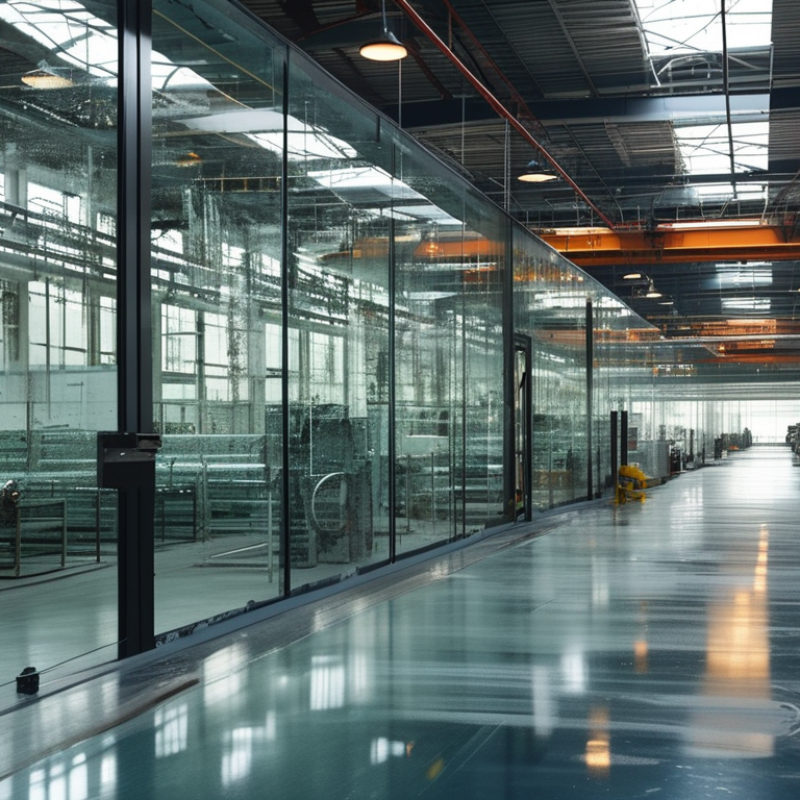
Why Should Glass Factories Embrace Intelligent Digital Upgrading?

The Importance of Intelligent Digital Upgrading in Glass Manufacturing

Intelligent digital upgrading is crucial for the glass manufacturing industry. With advancements in technology, factories can optimize their operations. This results in increased efficiency and reduced waste. Digital solutions provide real-time data analytics. This helps managers make informed decisions quickly. Moreover, these upgrades lead to better quality control, which is essential for maintaining competitive advantage.

Embracing intelligent systems is not just about automation. It involves integrating smart sensors and artificial intelligence in production lines. This allows for predictive maintenance and reduces downtime. However, many factories struggle with this transition. There may be a lack of skilled personnel or resistance to change from management. These challenges highlight the need for tailored training programs. Educating workers is vital for smoothing the upgrade process.

Moreover, sustainability is increasingly important. Smart technologies can help reduce energy consumption and emissions. For instance, implementing energy-efficient processes can minimize the carbon footprint. However, companies must navigate the complexities of such transformations. Balancing cost and benefit is essential. Overcoming these hurdles can pave the way for a more sustainable future in glass manufacturing.

Key Benefits of Adopting Intelligent Technologies in Glass Factories

The glass industry is facing challenges that require intelligent digital upgrading. Embracing intelligent technologies can drastically enhance operational efficiency. Factories that implement real-time data analytics improve decision-making speed. By using sensors and AI, production processes can be monitored continuously. This leads to reduced waste and optimized resource usage.

Automation also plays a crucial role. Robots can handle repetitive tasks, freeing up skilled workers for complex roles. However, this transition needs careful planning. Resistance from staff is common. Training programs can ease this shift. Workforce involvement is essential to ensure successful adoption. Not all factories will see immediate results, and some may struggle.

Data security is another aspect to consider. As factories go digital, they become targets for cyber threats. Implementing robust cybersecurity measures is vital. Upgrading technology does not guarantee success but opens doors to new opportunities. Continuous evaluation and adaptation are necessary for long-term benefits. The journey is complex, yet rewarding for those willing to navigate it.

Challenges Faced by Glass Manufacturers in the Digital Transformation Process

Digital transformation in glass manufacturing is fraught with unique challenges. A recent report by McKinsey reveals that 70% of digital transformation efforts fail. Many manufacturers struggle with a lack of skilled personnel who understand advanced technologies. This skills gap can hinder the implementation of smart technologies like AI and machine learning in production lines.

Another key challenge is the integration of systems. Many glass factories operate with outdated machinery. Upgrading to more intelligent systems requires substantial investment in both equipment and training. This can be daunting, particularly for smaller manufacturers. They often face limited financial resources and operational disruptions during the transition phase.

Furthermore, adapting to new technologies demands cultural shifts within organizations. Employees may resist change due to fear of job loss or additional responsibilities. According to a Deloitte study, 42% of employees express concerns about automation. Addressing these concerns through effective communication and training is critical. Manufacturers must foster a culture of innovation to succeed in digital transformation efforts.

Challenges Faced by Glass Manufacturers in Digital Transformation

Case Studies: Success Stories of Glass Factories Embracing Digital Upgrading

In recent years, glass factories have started to embrace digital upgrading, and the results are promising. A notable case is a facility that adopted IoT sensors. By doing so, they reduced energy consumption by 15%. This cut both costs and environmental impact. The factory also improved production efficiency by 10%. Real-time data led to better decision-making and reduced machine downtime.

Another success story comes from a company that implemented AI-based quality control. With this approach, the factory saw a 20% decrease in defects. Automated inspections were faster and more accurate than manual checks. In the glass industry, defects can lead to significant loss, making this innovation crucial. A report by the Glass Manufacturing Industry Association highlighted that up to 30% of production costs are related to quality failures.

However, the transition to digital processes is not without challenges. Many factories face resistance to change from employees. Training workers to adapt to new technologies requires time and resources. Initial investments can also be a barrier, especially for small to mid-sized companies. Balancing costs with potential long-term benefits is essential for success in digital transformation.

Why Should Glass Factories Embrace Intelligent Digital Upgrading? - Case Studies: Success Stories of Glass Factories Embracing Digital Upgrading

Factory Location Technology Implemented Operational Efficiency (%) Cost Reduction (%) Increased Production Output (%) Time Saved (hours/week)
North America IoT Sensors & Automation 25 15 30 10
Europe AI-Powered Analytics 30 20 25 8
Asia ERP System Integration 20 10 15 5
South America Cloud Computing & Data Management 27 18 33 12
Africa Digital Twin Technology 22 12 20 7

Future Trends in Intelligent Digital Solutions for the Glass Industry

The glass industry is on the brink of a digital transformation. Intelligent digital solutions promise improved efficiency and reduced waste. Automation can streamline production processes, from melting to packaging. Real-time data analytics offers insights into operational performance. This shift requires investment but holds potential rewards.

Future trends indicate a growing reliance on artificial intelligence and machine learning. Predictive maintenance can help prevent costly downtimes. By analyzing equipment data, factories can address issues before they escalate. This proactive approach not only enhances productivity but also fosters safer working environments.

However, challenges remain. The integration of new technologies can be complex and costly. Staff may require retraining to adapt to automated systems. Resistance to change could hinder progress. It’s vital for factories to create a supportive culture. Embracing these innovations is essential for staying competitive in a changing market.

FAQS

: Why is intelligent digital upgrading important in glass manufacturing?

: It optimizes operations, increases efficiency, and reduces waste in production processes.

What role do smart technologies play in glass manufacturing?

They integrate sensors and AI, allowing for predictive maintenance and minimizing machine downtime.

What challenges do manufacturers face during digital transformation?

Many struggle with skilled labor shortages and resistance to change from management and employees.

How do outdated systems affect digital upgrades?

Upgrading requires significant investment and can lead to operational disruptions, especially for smaller manufacturers.

Why is sustainability a focus in glass manufacturing?

Smart technologies can reduce energy consumption and emissions, helping to minimize environmental impact.

How can companies address employee concerns about automation?

Effective communication and tailored training are vital to alleviate fears of job loss or increased responsibilities.

What successes have been achieved with digital upgrades?

Some factories have reduced energy consumption by 15% and improved production efficiency by 10%.

How does AI influence quality control in glass manufacturing?

AI can lead to a 20% decrease in defects by enabling faster and more accurate automated inspections.

What is a significant barrier to digital transformation?

The initial costs of technology and training can hinder many small to mid-sized companies from moving forward.

Why is a culture of innovation necessary for digital transformation?

It encourages acceptance of change and helps overcome resistance from employees during the transition.

Conclusion

The article "Why Should Glass Factories Embrace Intelligent Digital Upgrading?" highlights the critical need for intelligent digital transformation in the glass manufacturing sector. It emphasizes that promoting intelligent and digital upgrading of glass factories leads to enhanced operational efficiency, reduced costs, and improved product quality. As the industry faces various challenges during the digital transformation process, the article explores how intelligent technologies can provide solutions to streamline operations and boost competitiveness.

Moreover, it presents success stories of glass manufacturers who have effectively embraced digital upgrading, showcasing the tangible benefits achieved. Looking ahead, the article discusses future trends in intelligent digital solutions poised to revolutionize the glass industry, thus reinforcing the importance of adopting these innovative technologies in fostering sustainable growth and staying ahead in a rapidly evolving market.

Sienna

Sienna

Sienna is a skilled marketing professional with a deep expertise in our company’s core products and services. With a passion for innovation and detail, she plays a pivotal role in crafting insightful blog posts that not only highlight the unique features of our offerings but also provide valuable......