In the modern scientific landscape, the integrity of research results is inextricably linked to the cleanliness of the laboratory glassware used. From pharmaceutical R&D to clinical diagnostics, the Laboratory Glass Washing Machine has evolved from a luxury to a critical infrastructure component. This whitepaper explores the current state of the market, which is projected to grow significantly as automation and stringent regulatory standards (like FDA 21 CFR Part 11) become global norms.
Historically, laboratory glassware was cleaned manually—a process prone to human error, inconsistent results, and safety risks. Today, the global trend leans heavily toward automated laboratory glassware washers. These machines offer "Information Gain" by providing validated cleaning cycles that guarantee the removal of microscopic residues that could cross-contaminate experiments. High-efficiency machines now utilize PLC (Programmable Logic Controller) systems to monitor water temperature, conductivity, and detergent concentration in real-time.
The market is currently dominated by high-precision manufacturers in Europe and North America, with a rapidly growing manufacturing base in Asia. Key drivers include the rise of biotechnology, the expansion of the chemical industry, and the increasing complexity of "lab-on-a-chip" and microfluidic devices that require specialized cleaning protocols. Regionally, the European market focuses on sustainability and water conservation, while the North American market prioritizes high-throughput and integration with Laboratory Information Management Systems (LIMS).
Years of Technical Expertise in CNC and Glass Processing Machinery
Patents for Hardware and Software Innovation in Glass Deep Processing
Days of Global Support through our Reliable Service Chain
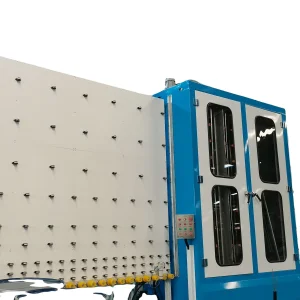
Standard Precision Production with Advanced Vertical Washing Technology
Choosing the right manufacturer requires evaluating their E-E-A-T (Experience, Expertise, Authoritativeness, and Trustworthiness). Below are the industry leaders shaping the future of laboratory decontamination.
The undisputed leader in laboratory washing technology. Known for their "System4Lab" approach, Miele offers modular racks and validated cleaning programs for everything from beakers to complex pipettes.
Specializing in large-scale decontamination, Getinge's Lancer series is the gold standard for high-throughput pharmaceutical labs requiring GMP compliance.
A giant in infection prevention, Steris provides industrial-grade washers that integrate seamlessly into aseptic processing lines.
Famous for the FlaskScrubber® and SteamScrubber® lines, Labconco focuses on ergonomic design and specialized racks for narrow-neck glassware.
Part of the Miele Group, Steelco excels in combining AI-driven automation with eco-friendly water consumption technologies.
Offering sleek designs with professional-grade performance, Smeg is the go-to for mid-sized clinical and academic laboratories.
Focuses on high-end medical and life science washing solutions with a heavy emphasis on digital connectivity and "Smart Cleaning" data tracking.
Renowned for their PennTech rotary washers, they provide unique solutions for vial and bottle cleaning in pharmaceutical manufacturing.
A key European player focused on compact, high-efficiency washers for healthcare and laboratory sectors.
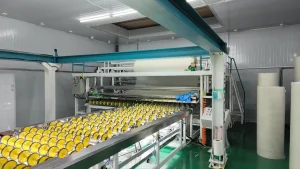
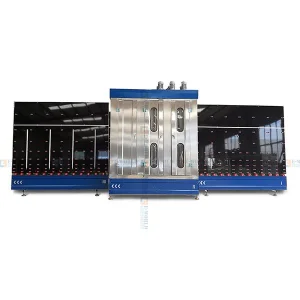
An emerging powerhouse in industrial glass washing. With 18 years of experience and 22 patents, Yabo CNC provides high-speed vertical glass washing machines that are essential for large-scale glass deep processing and laboratory glass production lines.
The industry is moving toward Industry 4.0. The next generation of lab washers will feature:
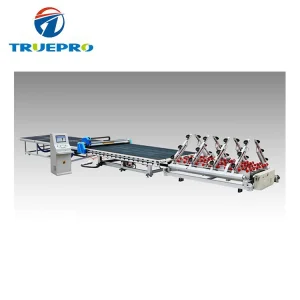
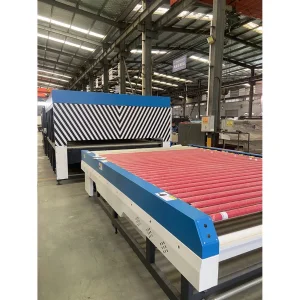
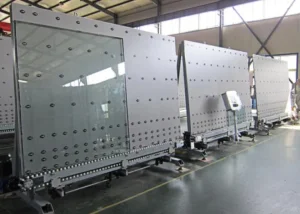
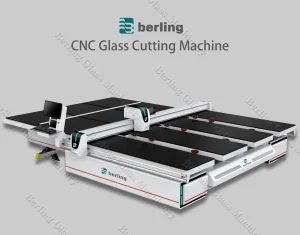
For large-scale glass manufacturers, washing is not an isolated step but a critical part of the Insulating Glass Machine or CNC Glass Cutting Line. A clean surface is paramount for successful tempering, coating, and lamination. Our company, Shangdong Yabo CNC Machinery Co., Ltd, has pioneered the integration of high-speed vertical washing units that ensure zero-residue surfaces before the glass enters the sealing or tempering phase. This holistic approach prevents delamination and optical defects in the final product.
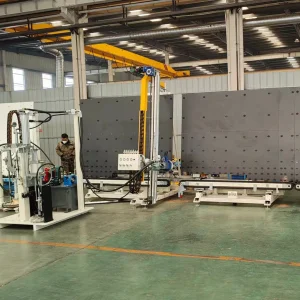
Shangdong Yabo CNC Machinery Co., Ltd is a professional manufacturer of Insulating Glass Machine and lines for already 18 years, and now based on the strong technical support and strong after-sell services, we develop rapidly. We are focusing on the high quality machines producing and supplying includes the focuses on the design, R&D, manufacture and after-sell service.

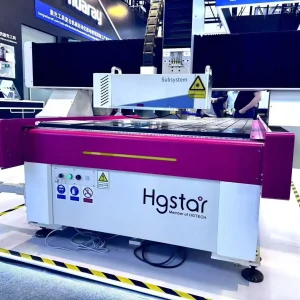
Our key machines include the Automatic Insulating Glass Machine, Insulating Glass Line with Argon Gas Filling Function, Automatic Glass Sealing Machine, High Speed Glass Washing Machine, and Glass Cutting Machine. We have already secured 22 patents for our products, proving our commitment to innovation and engineering excellence.

Service Time: 7*24 Hours, 365 Days; Special Design for Your Special Requirement; We Use the Latest Equipment and Technology.

Standard Precision Produce; Orders tracking Report or Videos; Orders finished Report or Testing Videos.

On-line Service: 7*24 Hours; Can Come for Installation if necessary; Spare Parts Supply for the Whole Machine Life.

Supply Reliable Local Service System; Machine Lifetime Maintenance; Looking for Global Agent Partners.
Laboratory washers utilize high-purity water (DI or RO water) for final rinsing to ensure no mineral deposits are left behind. They also feature specialized racks for different types of glassware and programmable cycles that reach much higher temperatures (up to 95°C) for thermal disinfection.
To maintain E-E-A-T standards and compliance, calibration of temperature sensors and detergent dosing systems should be performed at least once a year, or according to your lab's specific SOPs and regulatory requirements.
Typically, the initial wash can use potable water, but the final rinse cycles must use Grade 1 or Grade 2 water (with conductivity < 1 µS/cm) to prevent ionic contamination that could interfere with analytical results like HPLC or mass spectrometry.
Yes, most modern washers have specific "Plasticware" cycles that operate at lower temperatures to prevent deformation while still ensuring chemical decontamination.
 Yabo CNC