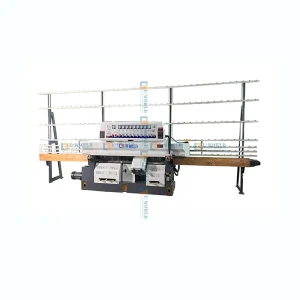
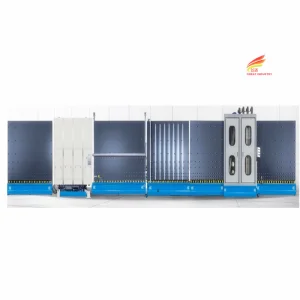
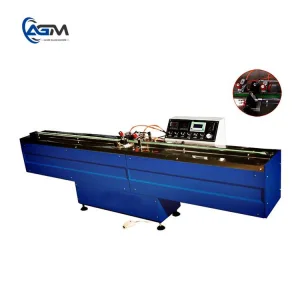
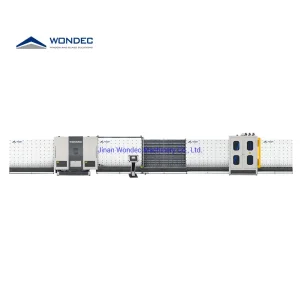
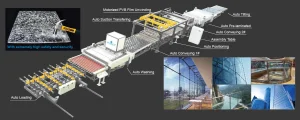
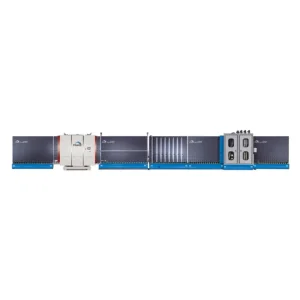
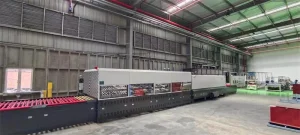
In the contemporary landscape of high-performance architectural glazing and solar energy infrastructure, glass silvering machinery represents a vital component in manufacturing high-reflectivity optics, commercial mirrors, and functional low-emissivity (Low-E) coatings. The global procurement vector for these specialized chemical-deposition lines is driven by two main elements: architectural sustainability metrics and solar thermal installations. Standard manufacturing platforms no longer satisfy modern quality criteria. Tier-1 glass processors now seek systems engineered with closed-loop chemical monitoring, high-efficiency spray mechanics, and optimized environmental mitigation components.
"Procurement directors in Europe, North America, and parts of Asia are actively transitioning away from legacy batch processing toward fully integrated, continuous-flow glass silvering systems that ensure chemical uniformity, zero-defect optical properties, and strict compliance with local volatile organic compound (VOC) emissions laws."
A key focus in industrial sourcing operations is total ownership economics. Buying a glass silvering production line involves analyzing complex capital expenditure (CAPEX) versus long-term operating cost (OPEX). Key indicators such as silver nitrate conversion efficiency, automated water recovery rates, energy utilization in paint curing ovens, and throughput speed are critical factors. Additionally, integration capabilities with upstream processes—such as high-speed glass washing machinery and downstream insulating glass lines—influence overall plant ROI.
Shandong Yabo CNC Machinery Co., Ltd stands as a premier authority in the development, design, and manufacturing of professional Insulating Glass Machinery and deep processing lines. For 18 years, Yabo has built a reputation for robust technical innovation, advanced CNC precision, and reliable customer service. We focus on high-efficiency equipment engineering that covers the complete lifecycle of structural glass fabrication, from design and dedicated R&D to complete assembly and global post-sale integration.
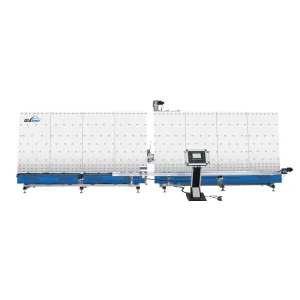
Our core technical portfolio includes Automatic Insulating Glass Production Lines, advanced Insulating Glass Lines with inline Argon Gas Filling Functions, high-performance Automatic Glass Sealing Robots, High-Speed Glass Washing and Drying Systems, and precision CNC Glass Cutting Equipment. Our commitment to ongoing technical development is supported by 22 independent patents, proving our dedication to engineering and performance in the glass deep-processing market.
Modern mirror fabrication is a precise chemical and mechanical process. To achieve high optical clarity, uniformity, and resistance to environmental wear, the glass substrate passes through a multi-stage linear chemical deposition line. Understanding these critical processing stages is essential for technical managers seeking to optimize quality:
| Line Phase | Process Step | Technical Operation & Chemistry | Quality Target |
|---|---|---|---|
| Phase 1 | Pre-treatment & Polishing | Cerium oxide mechanical scrub and demineralized water rinse. | Removes surface impurities and organic residues down to micro-levels. |
| Phase 2 | Sensitization & Activation | Spray deposition of stannous chloride (SnCl2) solution. | Creates an active chemical bonding layer on the glass surface. |
| Phase 3 | Silver Deposition | Dual-nozzle spray of silver nitrate (AgNO3) and reduction chemicals. | Forms a highly reflective metallic silver layer. |
| Phase 4 | Copper Coated / Passivation | Deposition of copper barrier or copper-free passivating agent. | Protects the delicate silver film from oxidation and degradation. |
| Phase 5 | Back Paint Application | Double coat of protective lead-free alkyd or epoxy paint with curing. | Provides physical protection and chemical resistance against moisture. |
In response to global environmental regulations, modern processing lines have moved away from traditional copper-based processes. Today's systems use copper-free mirror technologies, replacing the copper barrier with advanced organo-silane passivating agents. This change eliminates hazardous heavy metals from factory wastewater while improving the finished glass's resistance to salt spray tests and edge oxidation. Advanced silvering lines feature highly automated chemical dosing systems that minimize raw material waste and ensure consistent mirror quality across large production runs.
With over 20 years of experience, our technical team combines proprietary hardware and software patents with an active after-sales network to support your operation at every step.

Available 24/7/365. Custom systems engineering designed to meet your specific factory layouts and throughput targets. We integrate the latest design technologies for optimal performance.

Standardized precision manufacturing processes. Regular order tracking with detailed reports and testing videos to keep you informed of production progress.

On-line diagnostics are active 24/7/365. On-site installation and maintenance support by qualified field technicians. Continuous supply of genuine replacement parts for the service life of the machine.

Reliable localized support programs. Lifecycle service plans for long-term machine stability. We actively welcome global agent partnerships and distribution networks.
Operating complex machinery requires adherence to international industrial safety standards. All systems manufactured by Shandong Yabo, from standalone CNC cutting machines to integrated vertical insulating glass production lines, meet rigorous safety and efficiency standards. Our equipment carries full CE certification, complying with all relevant machinery directives, low-voltage regulations, and electromagnetic compatibility standards required for operation in the European Union and other regulated global markets.
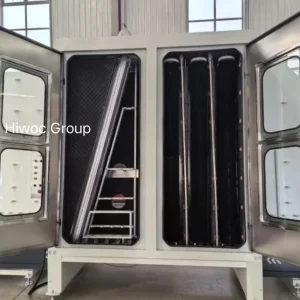
Compliance also extends to environmental protection. Our modern glass processing and washing lines are designed with built-in wastewater filtration and closed-loop water recirculation systems. This helps facilities reduce water usage and meet strict environmental runoff laws. Additionally, our high-speed drying tunnels are insulated to prevent heat loss, helping factories reduce overall energy consumption and support lower carbon footprints in their operations.
 Yabo CNC