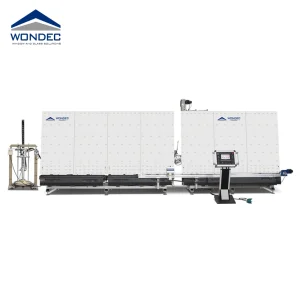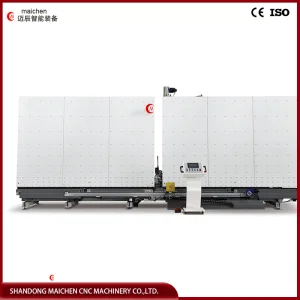
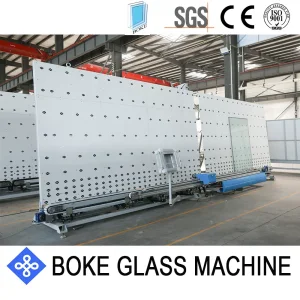
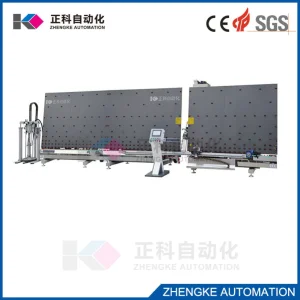
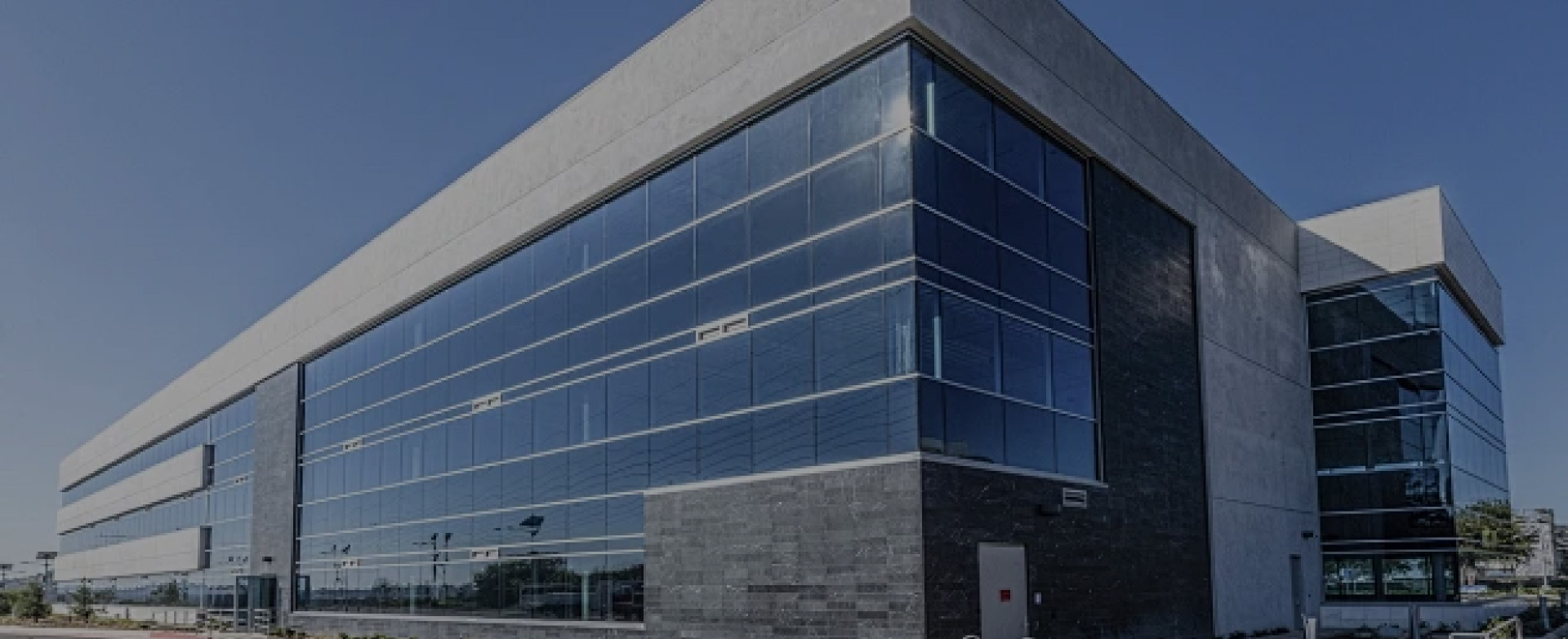
The Democratic Republic of the Congo (DRC) is currently experiencing unprecedented urban reconstruction and commercial infrastructure development. In major metropolitan areas like Kinshasa (specifically the business district of Gombe), Lubumbashi, and Kolwezi, the architectural demand has shifted significantly toward modern, high-rise buildings that incorporate glass curtain walls. However, the tropical climate of Central Africa poses challenges for building temperature regulation, creating an urgent need for double-glazed insulating glass units (IGUs) that optimize thermal insulation and minimize cooling costs.
Unlike temperate zones, insulating glass manufactured for the DRC must withstand persistent solar radiation and high relative humidity. If secondary sealing is done manually, human error often leads to uneven thickness, air bubbles, and weak corner adhesion. Over time, these imperfections allow moisture to enter the gas cavity, causing condensation inside the double-glazed unit and leading to premature failure of the insulation properties. Transitioning to automatic, robotic sealing systems ensures airtightness, prolongs the lifespan of glass panels, and complies with international green building certification standards.
Furthermore, local glass processors in DR Congo are looking for ways to scale up their production capacities. As regional trade agreements like the African Continental Free Trade Area (AfCFTA) open up cross-border trade, DRC-based manufacturers who invest in high-efficiency CNC equipment can position themselves to supply high-quality glass products to neighboring markets like Angola, the Republic of the Congo, Zambia, and Rwanda. Modernizing with automatic insulating glass sealing robots is a vital step toward long-term competitiveness.
In structural glazing applications, the secondary seal of an insulating glass unit serves as the primary structural support, holding the glass panels together against wind loads, thermal expansion, and mechanical stresses. Globally, the industry uses either silicone, polysulfide, or polyurethane sealants. Applying these materials requires exact mixing ratios, temperature regulation, and uniform extrusion. Our automatic vertical sealing robots address these requirements through several key integrated subsystems:
Before the glass enters the extrusion zone, the robot's laser sensors scan the dimensions and joint depth of the double-glazed unit. This real-time data allows the controller to adjust the sealant extrusion volume dynamically. Even if the spacer is slightly misaligned during manual assembly, the robot adjusts its speed to ensure the sealant cavity is filled completely without spilling.
Many architectural specifications require different sealants depending on where the glass is installed (e.g., silicone for structural curtain walls to resist UV exposure, and polysulfide for standard windows to minimize gas permeation). Our machines feature dual dosing systems, allowing operators to switch between sealant types quickly without having to flush the lines, reducing downtime and material waste.
Corners are the most common failure points in manual glass sealing. An automated robot uses a rotating head assembly to maintain a 90-degree angle to the glass edge. The PLC slows the nozzle speed around corners, increasing the extrusion pressure to ensure a clean, continuous seal without voids or excess build-up.
Understanding the local operating environment is essential when exporting heavy machinery to the DRC. Fluctuating voltage levels and high ambient temperatures can affect both the machine's electronics and the sealant's curing properties. Our export-grade sealing robots feature built-in voltage stabilization modules, tropicalized electrical cabinets with active cooling, and temperature-controlled piping to keep sealants at their optimal viscosity during operation.
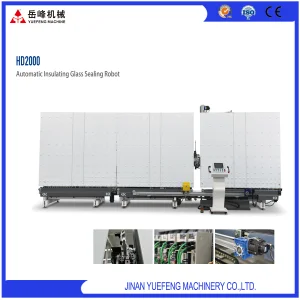
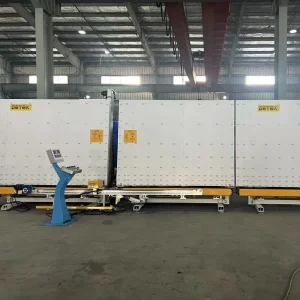
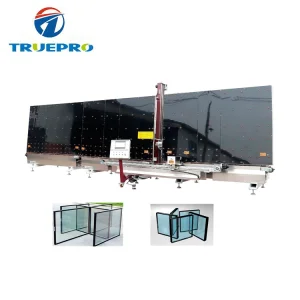
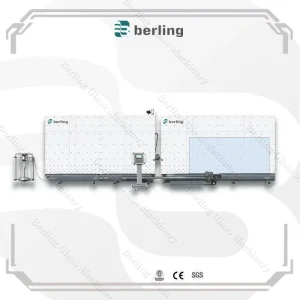
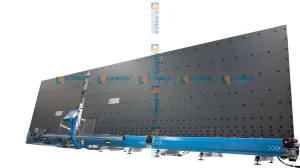
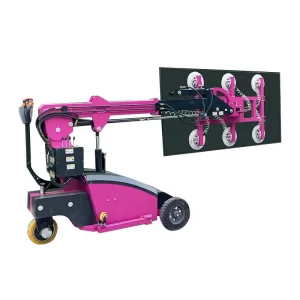
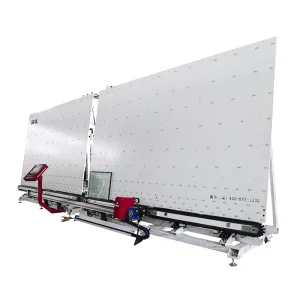
Shandong Yabo CNC Machinery Co., Ltd is an established, professional manufacturer of Insulating Glass Machines and automated production lines. Over the past 18 years, our focus has remained on high-quality machine design, robust R&D, manufacturing excellence, and dedicated after-sales support.
Our key machinery lines include Automatic Insulating Glass Machines, Insulating Glass Lines with Argon Gas Filling Functionality, Automatic Glass Sealing Machines, High-Speed Glass Washing Machines, and Glass Cutting Machines. We offer complete solutions for glass deep processing plants worldwide.
Innovation at Our Core: Backed by 22 national patents for our proprietary hardware design, sensor calibration algorithms, and sealant extrusion software, we continue to innovate, ensuring our machinery meets the demands of high-precision structural glazing.
We provide full-lifecycle technical support to ensure your production lines operate smoothly, backed by a technical team with over 20 years of experience, unique hardware and software patents, and a professional after-sales service network.

24/7/365 availability. We provide custom configurations and machinery designs tailored to your factory layout, power constraints, and output requirements.

High-precision manufacturing with transparent progress tracking, including regular progress videos and final factory test reports before dispatch.

Remote diagnostic support and on-site engineering for installation, commissioning, and training, along with guaranteed spare parts availability.

Reliable regional support, structured lifetime maintenance contracts, and global partnerships to ensure prompt technical assistance in Central Africa.
Get in touch with our technical sales engineers for a tailored configuration plan, plant layout design, and a detailed quotation for your glass manufacturing plant.
Send Inquiry Now Yabo CNC