📋 Basic Information
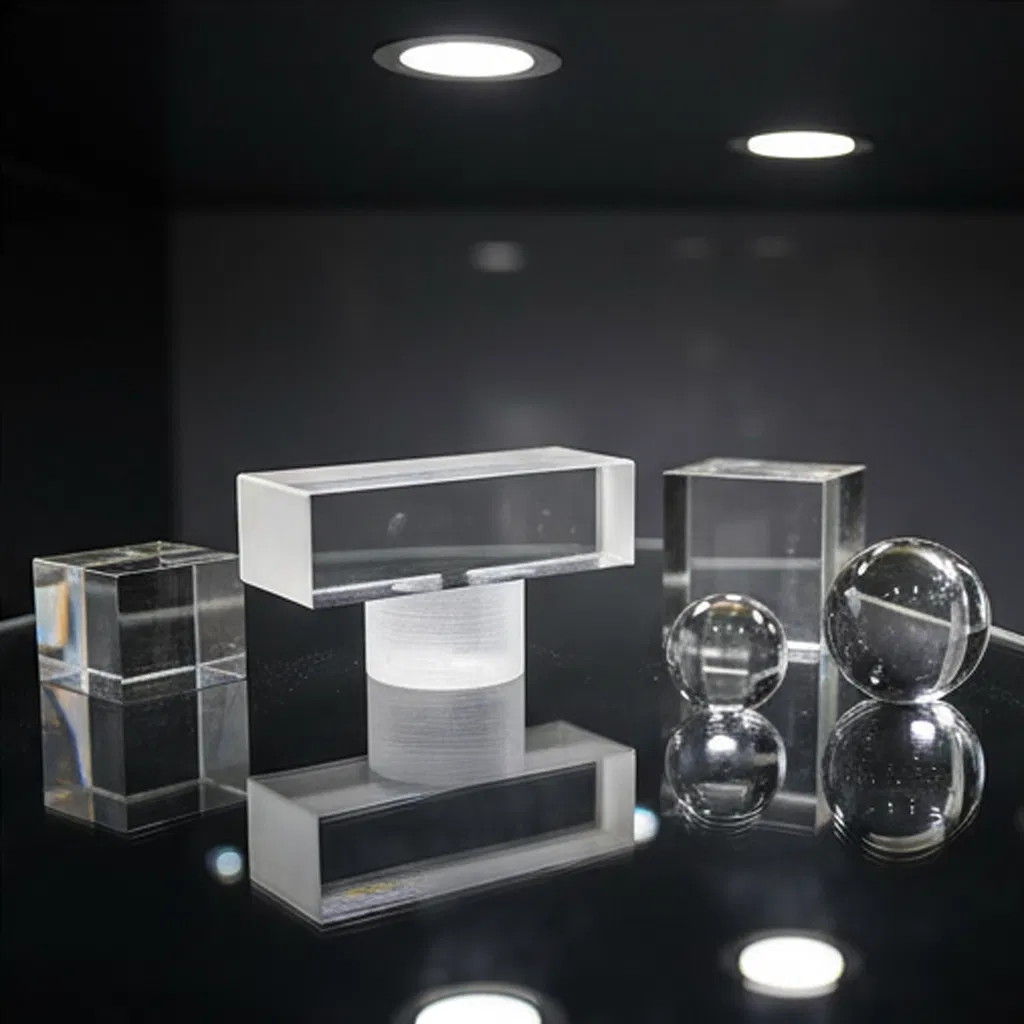
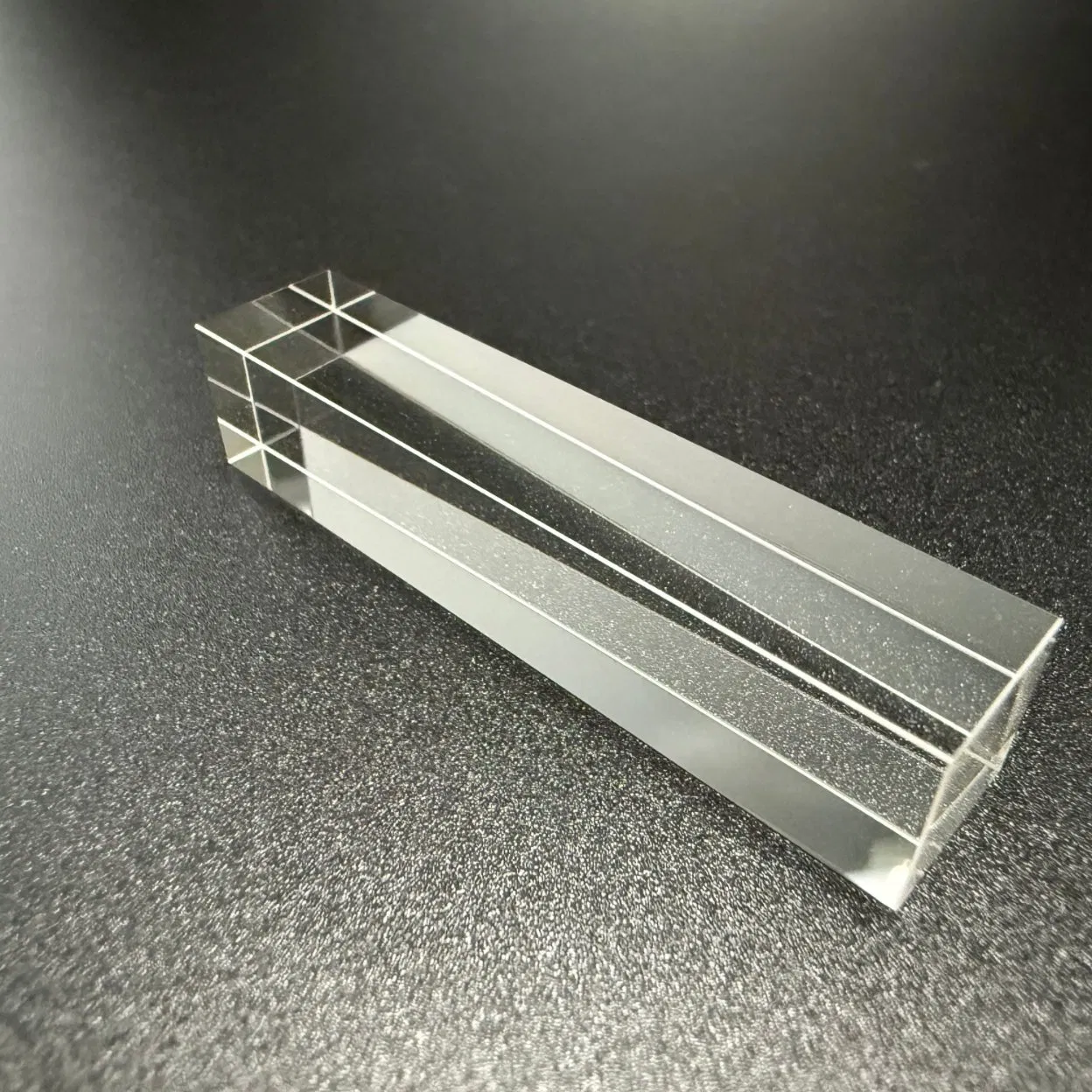
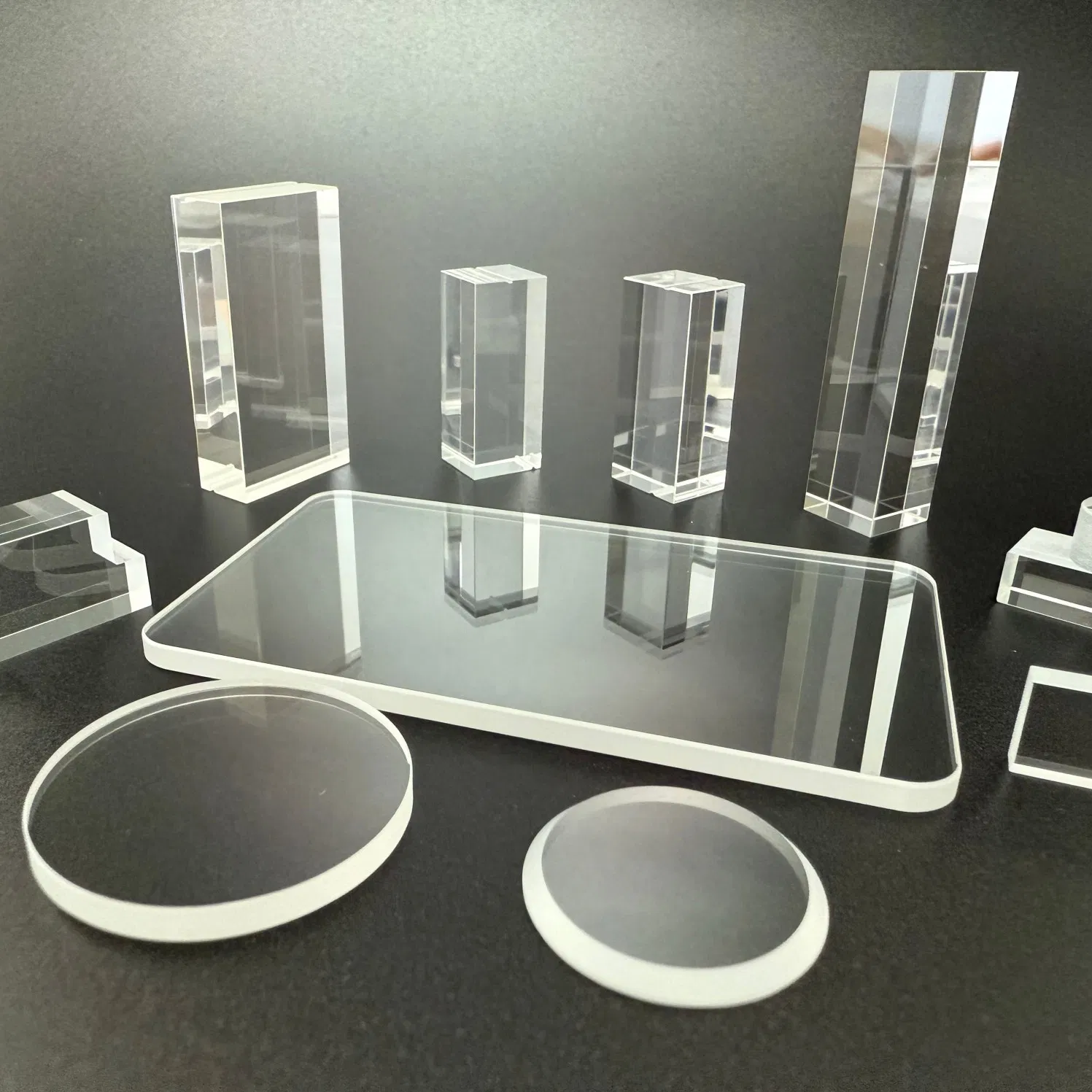
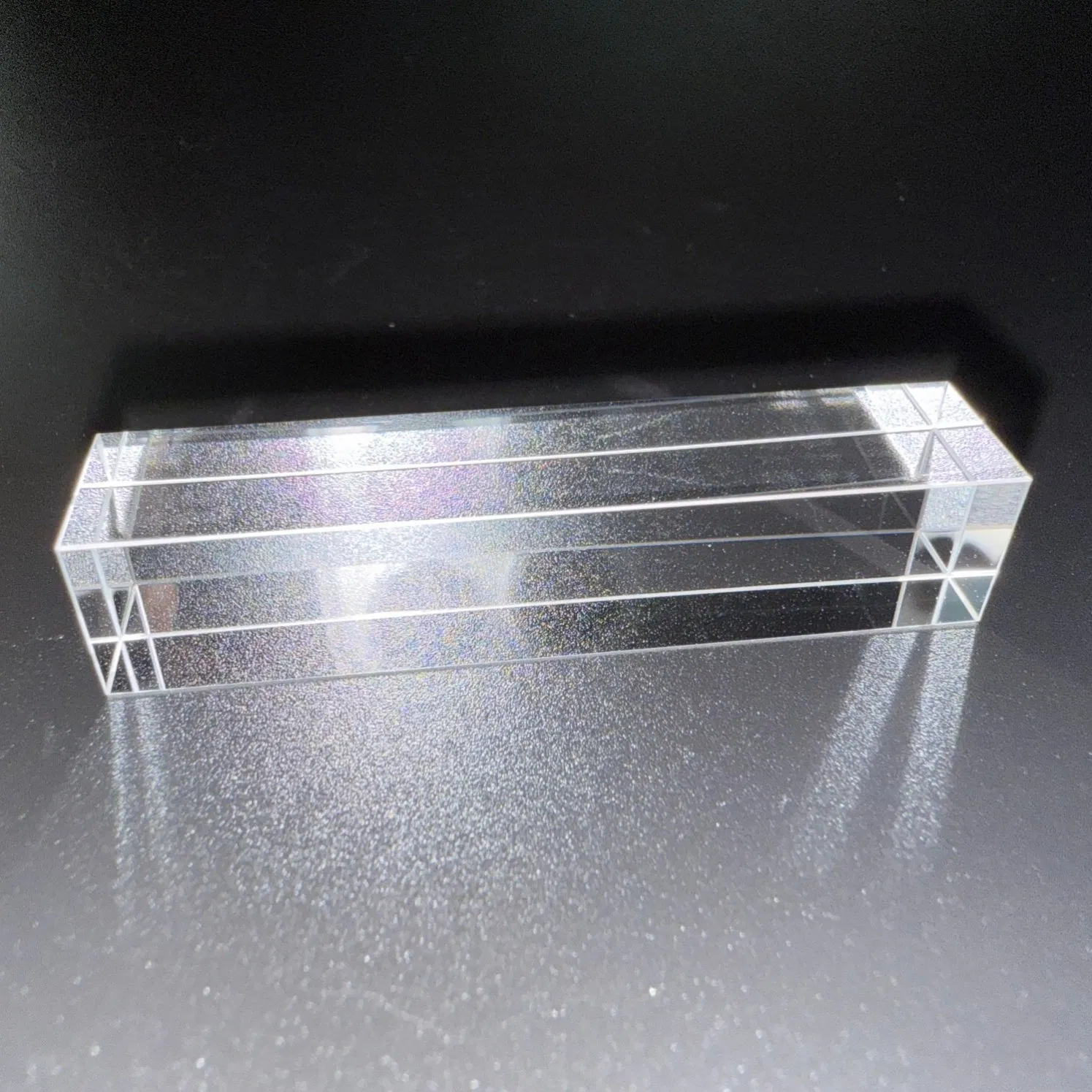
Model NO.:1-1000mm
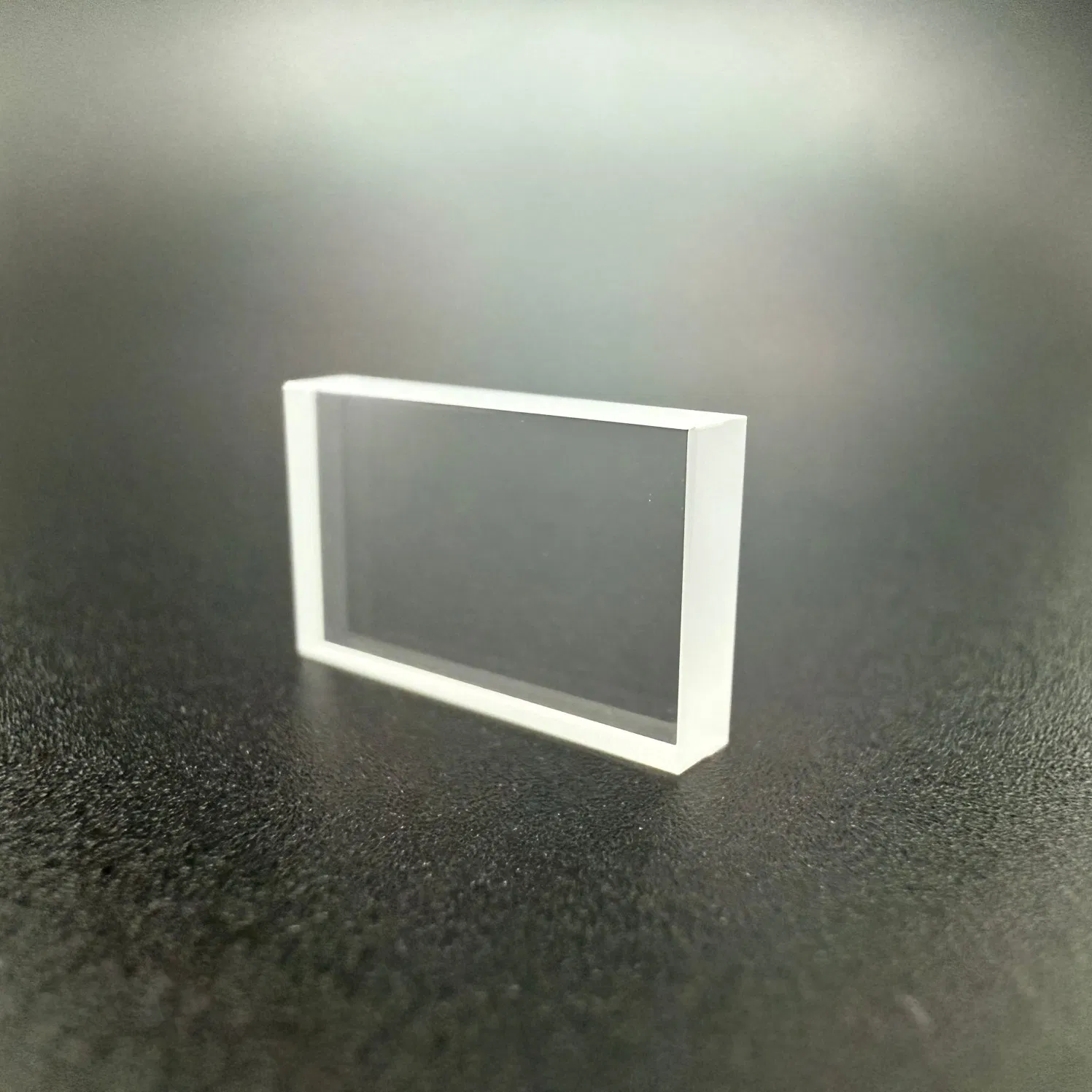
Type:Rectangular Prism
Usage:Beam Dispersion, Split, Medical, Optical
Shape:Cube Corner Prism
Material:Synthetic Sapphire Glass
Transmittance:>95%
Hardness:Mohs Hardness of 9
Refractive Index:1.76-1.77 (@589nm)
Density:3.98 G/Cm³
Certification:RoHS, ISO9001
❓ Frequently Asked Questions
Q1: What are the main advantages of Sapphire Glass over regular glass?
A1: Sapphire glass features an extremely high hardness (Mohs 9), making it virtually scratch-proof except by diamond. It also offers a wider transmission range from UV to Mid-Infrared and superior thermal stability.
Q2: What is the maximum operating temperature for sapphire windows?
A2: Sapphire glass has a melting point of 2040°C. It can safely operate up to 1900°C in vacuum or inert gas environments, and approximately 1000°C in air.
Q3: Can sapphire windows be customized with coatings?
A3: Yes, we provide various coating options including Anti-Reflection (AR) to increase transmittance, High Reflection (HR) for laser applications, and conductive ITO coatings.
Q4: Is the material resistant to chemical corrosion?
A4: Sapphire is highly chemically stable and insoluble in water. It is resistant to almost all strong acids and bases, except for Hydrofluoric Acid (HF) and hot phosphoric acid.
Q5: What industries typically use sapphire optical windows?
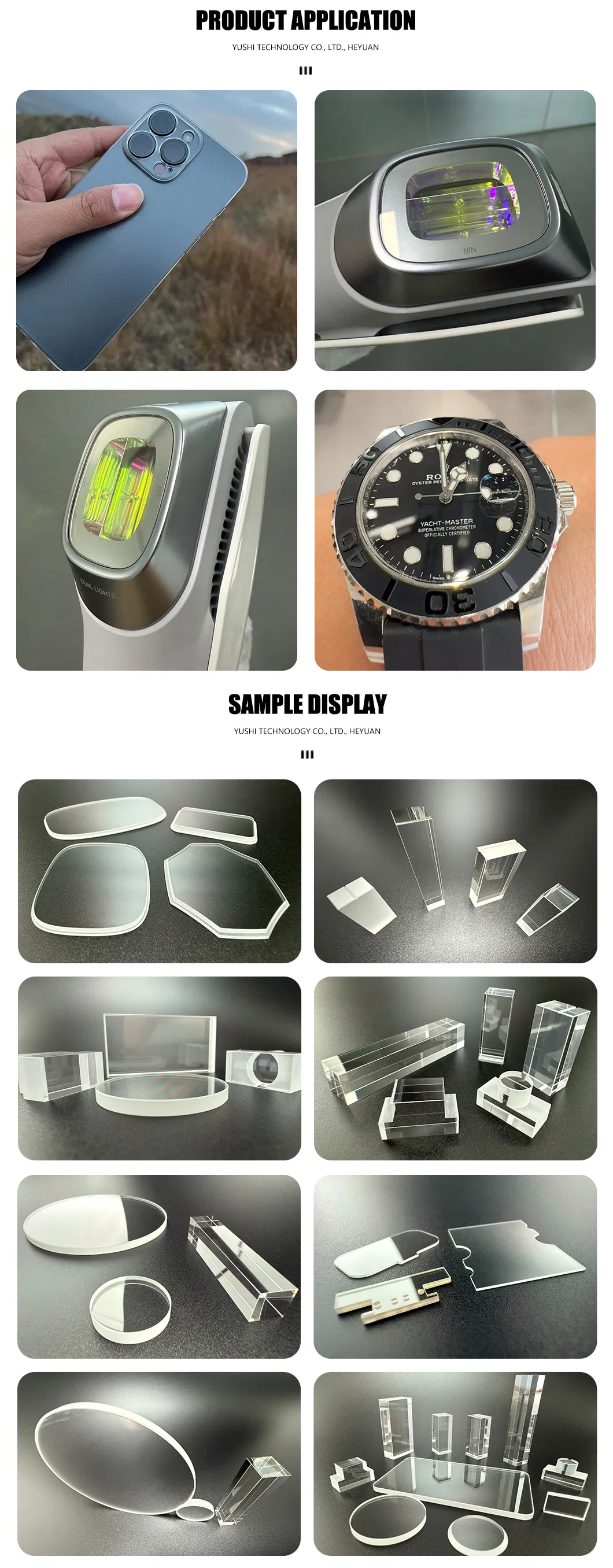
A5: Major applications include medical instruments (endoscopes), aerospace (missile domes), high-power laser systems, high-pressure viewports, and high-end consumer electronics like smartwatch crystals.
Q6: What surface quality standards do you follow?
A6: Our standard surface finish follows MIL-PRF-13830B, typically reaching 10-5 or 20-10 Scratch-Dig for high-grade optical requirements.
 Yabo CNC