The global demand for high-performance architectural glass has transitioned from a structural requirement to a cornerstone of green building engineering. Innovations in energy-efficient curtain walls, structural double/triple glazing, and smart electrochromic structures have forced processing plants to seek next-generation precision tools. Advanced machinery is crucial to meeting tight environmental regulations and architectural tolerances.
B2B Buyers Guide: Industrial glass processing requires extreme control over variables. Low-emissivity (Low-E) surface protection, precise argon gas retention inside Double Glazing Units (DGU), and millimeter-perfect CNC cutting are vital elements to limit thermal bridge failures and seal breakage.
This whitepaper reviews the leading architectural glass machinery suppliers, mapping out core equipment parameters, localized application strategies, and procurement requirements. When planning a greenfield processing facility or upgrading current automatic sealing systems, selecting a machine builder is a primary strategic decision that directly impacts operational yield and structural durability.
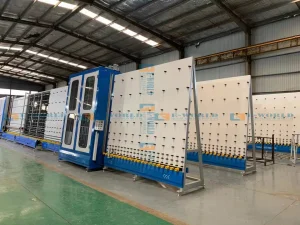
Operating dynamically as a professional developer and designer in the glass field, Shandong Yabo CNC Machinery Co., Ltd (LINGBO CNC) has focused on engineering high-efficiency Insulating Glass Machinery for over 18 years. The company maintains an integrated focus on the custom design, manufacture, and deployment of vertical double-glazing production systems.
By investing in targeted technology research, Shandong Yabo CNC has built a portfolio of 22 active patents. These innovations address issues like edge deletion, gas-press filling losses, and automated butyl distribution. The company's engineering team provides global support to keep factories operating with minimal downtime.

Enterprise buyers evaluate glass processing factories based on regional specialization, mechanical execution speed, and software integration depth. Here is how leading global suppliers fit together:
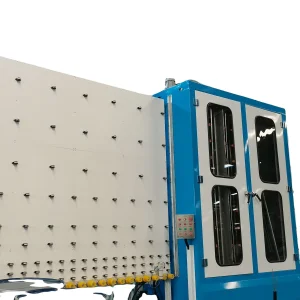
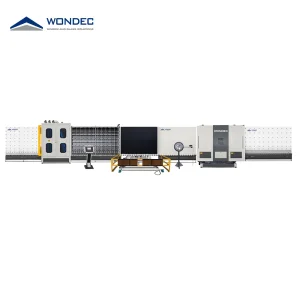
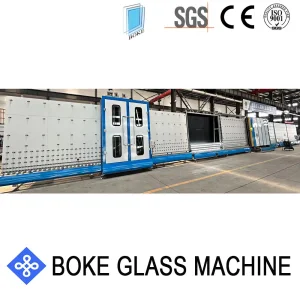
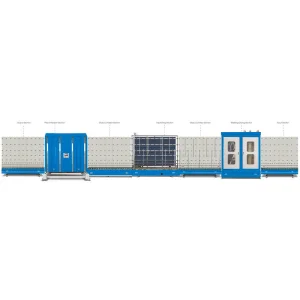
Suppliers in this tier focus on high-throughput, integrated lines where raw sheets are processed into completed IGUs with minimal manual handling. Key components include automated horizontal flipping, high-speed vertical washing, and inline gas presses.
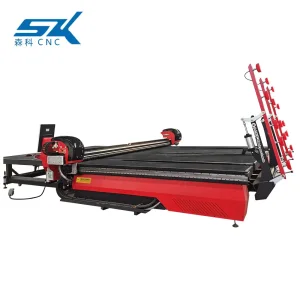
Specialists in 3-in-1 loading, breaking, and cutting tables prioritize high cutting speeds, optimized optimization algorithms, and stable mechanical structures. These systems handle complex shapes and thick structural architectural glass.
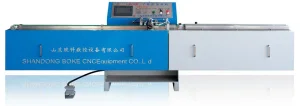
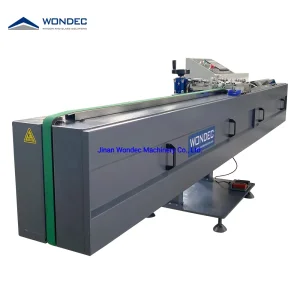
This category focuses on critical sealing points, including automatic butyl extruders and dual-component sealant application robots. These machines ensure tight seals to prevent condensation inside double-glazed windows.
Chinese machinery manufacturers have transitioned from manufacturing basic components to delivering advanced, integrated production systems. Companies like Shandong Yabo CNC combine cost-effective manufacturing with reliable mechanical design.
Chinese factories are located within industrial hubs that offer direct access to structural steel, precision machining, and electrical controls. This integration allows for faster production times and more stable build quality.
Unlike suppliers with rigid machine designs, Chinese manufacturers regularly customize physical sizes, process workflows, and control configurations to meet the space constraints of global processing plants.
Modern Chinese glass processing lines use globally recognized brands for key components, including Yaskawa servo drives, Siemens PLCs, SMC pneumatics, and Schneider contactors. This makes sourcing replacement parts simple and reliable.
Architectural specifications are demanding higher performance from glass units. To meet these standards, machinery builders are implementing several key technologies:
To meet low U-value thermal requirements, insulating glass must maintain an argon gas concentration above 90%. Modern vertical gas presses monitor chamber sealing pressure dynamically, adjusting inert gas injection flows to minimize gas wastage while maintaining high retention levels over time.
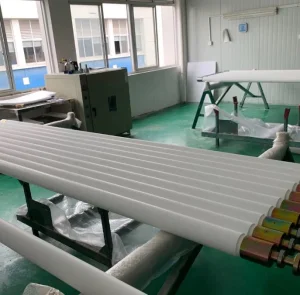
Low-emissivity coatings are delicate and easily damaged. Washing machinery must feature specialized low-coaxial runout brushes, variable-frequency speed controls, and multi-stage water treatment systems. These features clean the glass surface without scratching or degrading the conductive coating.
Modern processing lines connect directly with ERP glass optimization systems. Optical sensors and barcode scanners track each sheet of glass through cutting, edge deletion, washing, spacer application, and final pressing. This tracking reduces handling errors and improves overall production yields.
Every processing market faces unique architectural demands. Sourcing the correct machinery configuration depends on the local structural and environmental requirements:
Heavy structural facades require oversized glass units, step glazing configurations, and robust structural silicone sealing. Advanced vertical lines with step-glass auto-alignment and double-press functionality are built specifically to handle these large-scale products.
Residential products require fast cycle times, thin glass handling, and consistent quality. Flexible warm-edge spacer lines and high-speed vertical washing machines provide the throughput needed for high-volume residential DGU orders.
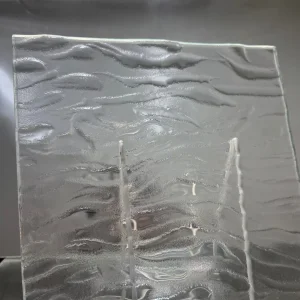
Specialty projects use fused elements, custom shapes, and laminated security layers. Flexible horizontal flip-tables and customizable cutting tables let operators handle architectural art glass projects without bottlenecking the main production lines.
Purchasing high-capacity industrial machinery requires careful evaluation. Use this technical checklist to review potential glass processing machinery partners:
| Evaluation Parameter | Minimum Industry Standard | Premium Technical Target |
|---|---|---|
| Washing Water Quality | Conductivity < 20 μS/cm | Conductivity < 5 μS/cm (2-stage DI) |
| Gas Filling Ratio | ≥ 85% Initial Fill | ≥ 92% (Dynamic pressure sensors) |
| Sealing Accuracy | ± 1.0mm depth deviation | ± 0.3mm (Servo-synchronized nozzle control) |
| PLC Platform | Proprietary micro-controller | EtherCAT-capable PLC (Siemens/Omron/Beckhoff) |
Our 20+ years of technical experience, unique software patents, and professional service teams support your operations through every phase of the machinery lifecycle.

Service Time: 24/7/365 availability. We design customized line layouts based on your facility footprint and throughput requirements, utilizing the latest machinery platforms.

Every machine is built to standard tolerances. We provide regular order tracking reports and testing videos prior to shipment to ensure clear communication.

Online diagnostic support is available 24/7/365. When required, field engineers deploy for onsite installation and maintenance, backed by lifetime spare parts availability.

We supply local service support through a network of distribution partners, providing maintenance and training resources worldwide.
Internal condensation occurs when the primary butyl seal fails or moisture penetrates the secondary structural sealant. Sourcing a butyl extruder that applies a uniform adhesive bead is critical. Additionally, the automatic pressing system must apply consistent, perpendicular pressure across the perimeter to ensure a secure seal.
Manual filling can lead to gas losses and inconsistent concentration levels. Online vertical gas pressing injects argon from the bottom of the chamber while sealed under vacuum. This replaces ambient air uniformly, achieving concentration levels above 90% in less time and with less gas waste.
Low-E coatings react with minerals present in hard water, which can lead to white haze or oxidation spots after tempering. Using a de-ionized water treatment system with real-time conductivity monitoring ensures the glass surfaces are clean and free of residues before the assembly process.
Manual application often results in uneven seal depths and excess material waste at glass corners. Servo-controlled sealing robots adjust nozzle depth and rotation speed dynamically. This ensures consistent sealant coverage, clean corners, and minimized material waste, even on heavy triple-glazed panels.
Yes. Modern insulating glass production lines feature auto-shifting positioning sections and step-alignment software. These systems position the trailing glass sheet precisely, matching the specified offset dimensions for structural silicone applications.
 Yabo CNC