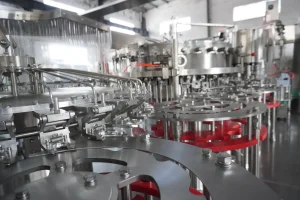
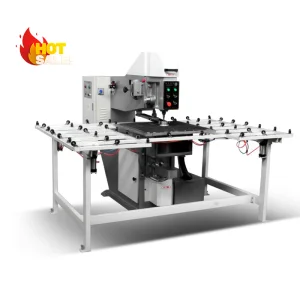
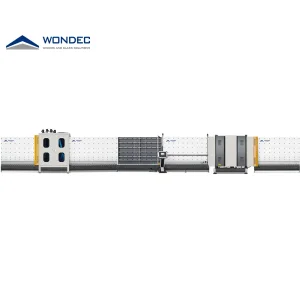
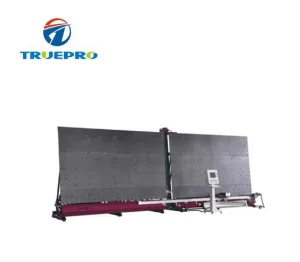
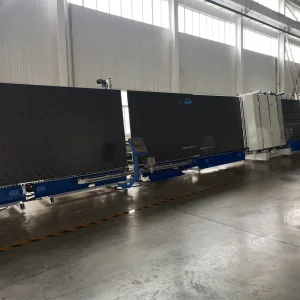
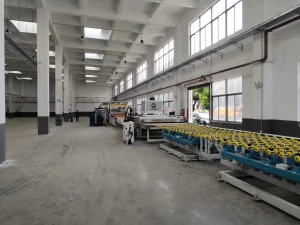
High-efficiency production units designed for complete manufacturing systems, delivering extreme precision and water optimization.
In modern flat glass processing, architectural glazing production, and CNC cutting fields, water is not just a coolant—it is a critical process variable. High-speed grinding, double-edging, drilling, and polishing systems demand millions of liters of water daily to remove glass fines (silica dust), lubricate diamond-tipped spindles, and maintain thermal equilibrium. However, untreated glass process water filled with abrasive microscopic glass particles ruins tooling precision, clouds glass surfaces before washing, and causes severe mechanical wear on expensive CNC machines.
As environmental regulations grow stricter globally, glass factories face massive pressure to eliminate liquid discharges and minimize fresh water intake. The following trends define the next generation of industrial glass water systems:
Global regulatory bodies are enforcing Zero Liquid Discharge guidelines, forcing factories to cycle process water infinitely without discharging effluents into local sewers. Closed-loop flocculant systems are crucial to meet these standards.
Advanced Low-E coatings and super-fine tempering require glass surfaces to be absolutely free of microscopic sub-micron particles. Traditional sedimentation systems are giving way to high-speed polymer-assisted centrifuges.
Modern plants utilize real-time turbidity sensors and automated dosing pumps to adjust flocculant quantities on the fly, preventing human errors and reducing chemical costs by up to 30%.
To understand why proper water management is crucial, we must examine the typical process flow within a factory. The wastewater contains suspended solids consisting of extremely fine silica particles. When left untreated, these particles act as an abrasive paste.
1. Collection & Flocculation: Process wastewater from grinding and drilling machines flows into a centralized pit. Polymeric flocculants are added to bind the microscopic glass particles into larger agglomerates, known as "flocs."
2. Sedimentation & Clarification: The flocculated water is pumped into a lamella clarifier or vertical silo. The heavy sludge settles rapidly to the bottom, while clean water overflows from the top into a storage tank for reuse in cutting and washing lines.
3. Sludge Dewatering: The concentrated slurry is fed into a chamber filter press or centrifuge. The machine squeezes out remaining water, leaving dry "glass cakes" that are easy to discard or recycle into building insulations, such as foam glass panels.
Industrial buyers and factory operations directors should evaluate several critical criteria before choosing a partner for glass water filtration plants:
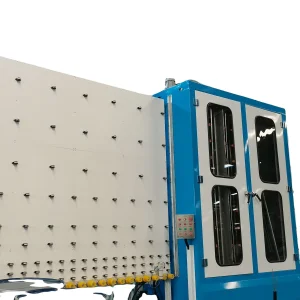
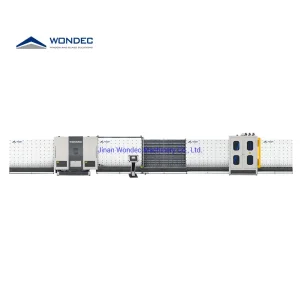
Seamlessly integrate your CNC glass processing lines with heavy-duty machinery for enhanced operational efficiency.
Integrating glass manufacturing machines with automated water purification systems is crucial for meeting global green factory standard certifications. High-speed glass washing machines demand water with exceptionally low electrical conductivity (often filtered through Reverse Osmosis systems) to prevent chemical reactions with Low-E coatings.
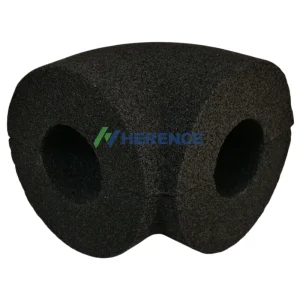
Additionally, the waste generated from grinding and edge polishing contains raw glass particles, which cannot be dumped directly into municipal sewers. A modern water treatment plant transforms this waste slurry into clean recycled water and solid, dry glass cakes. These cakes can be repurposed to make insulation products like foam glass panel systems. This approach allows factories to build a waste-free, circular manufacturing cycle.
Shangdong Yabo CNC Machinery Co., Ltd (LINGBO CNC) is a professional manufacturer of Insulating Glass Machines and production lines with 18 years of industry experience. Backed by strong technical support and robust after-sales services, we have achieved rapid growth. We focus on designing, developing, manufacturing, and supporting high-quality systems, including Automatic Insulating Glass Machines, Insulating Glass Lines with Argon Gas Filling, Automatic Glass Sealing Machines, High-Speed Glass Washing Machines, and Glass Cutting Machines. We hold 22 product patents and continue to drive innovation forward.
With an experienced technical team of over 20 years, unique hardware and software patents, and a professional global service network, we ensure reliable support for your production lines.

Service Time: 24/7/365;
Custom designs tailored to your specific requirements;
Built using the latest equipment and technologies.

High-precision manufacturing standards;
Regular progress reports and production videos;
Complete test reports and quality inspection videos.

Online support: 24/7/365;
On-site installation and commission assistance;
On-site maintenance services;
Lifetime spare parts availability.

Dependable local service solutions;
Comprehensive lifecycle machinery maintenance;
Currently seeking global agent partnerships.
 Yabo CNC