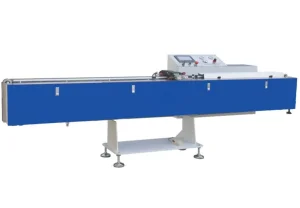
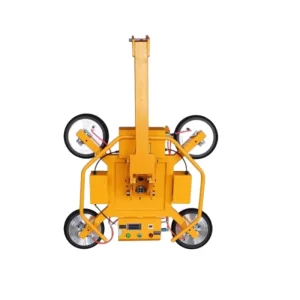
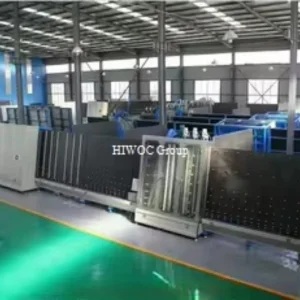
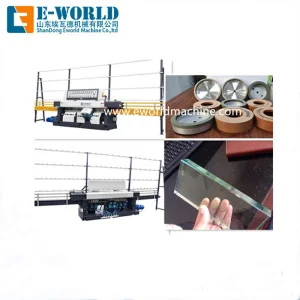
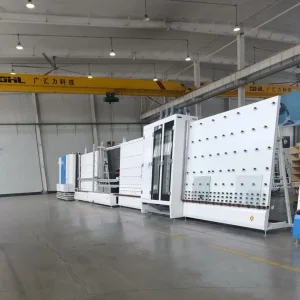
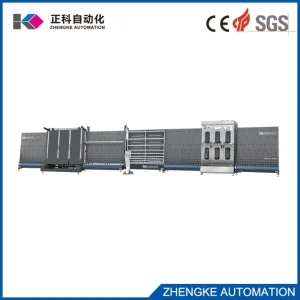
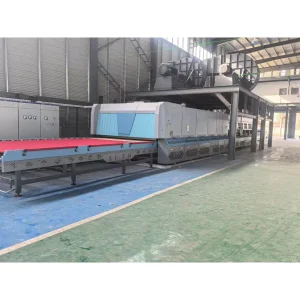
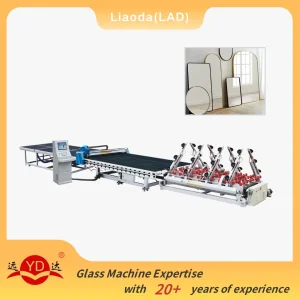
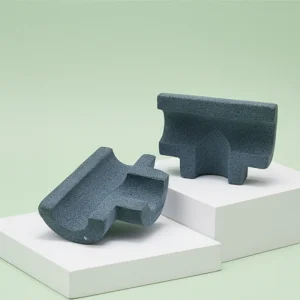
Highly robust processing modules optimized for architectural glazing, coating operations, and heavy-duty industrial washing workflows.
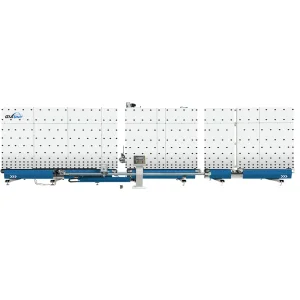
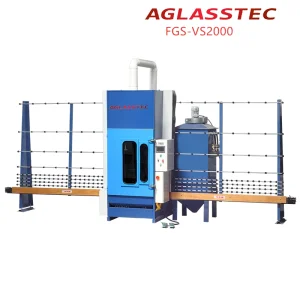
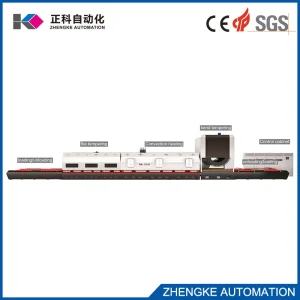
Shandong Yabo CNC Machinery Co., Ltd is a professional manufacturer of Insulating Glass Machine and lines for already 18 years, and now based on the strong technical support and strong after-sell services, we develop rapidly. We are focusing on the high quality machines producing and supplying includes the focuses on the design, R&D, manufacture and after-sell service.
Our key machines is Automatic Insulating Glass Machine, Insulating Glass Line with Argon Gas Filling Function, Automatic Glass Sealing Machine, High Speed Glass Washing Machine, Glass Cutting Machine etc the complete glass deep processing machines. We have already 22 patents for our products, and now still keep in moving.

An in-depth chemical and physical analysis of glass surface preparation for modern insulating glazing units (IGU).
The manufacturing of double-glazed and triple-glazed insulating glass units demands absolute surface cleanliness. Organic residues, sodium ions, and glass dust act as microscopic release agents, compromising the structural bond of primary (butyl) and secondary sealants. Furthermore, modern Low-Emissivity (Low-E) coatings consist of nanometer-thick metallic layers (typically silver and metal oxides) that are highly susceptible to chemical oxidation and mechanical abrasion.
Standard carbon steel glass washers quickly degrade when exposed to municipal water, releasing iron oxides that settle back onto the glass surfaces as abrasive particles. This process induces microscopic scratches and accelerates the degradation of the Low-E coating. A dedicated stainless steel (primarily grade SUS304 or SUS316) structure is non-corrosive and prevents the introduction of particulate iron contamination. By using corrosion-resistant materials throughout the water basins, shaft rollers, and structural framing, modern glass washers maintain a clean environment for both soft and hard-coated Low-E glass processing.
The efficiency of gas-filled insulating glass lines relies entirely on the perimeter seal integrity. A glass washer that fails to achieve a water-free surface edge will result in moisture trapment under the butyl coating. Over time, UV radiation and thermal cycling vaporize this trapped moisture, causing micro-voids in the sealant. These voids allow argon gas to escape and enable external moisture to penetrate the cavity, resulting in seal failure, condensation, and fogging.
High-end stainless steel glass washers utilize multi-stage water filtration systems—incorporating deionization (DI) and reverse osmosis (RO) modules—to control water conductivity. Clean water with low mineral content leaves zero salt deposits upon drying. When combined with advanced air knife drying modules, the machine removes all water residues from the glass surfaces and edges. This optimization ensures a high-strength molecular bond between the glass and the butyl spacer, preserving the seal integrity of the insulating glass unit for its 20- to 30-year lifetime.
More than 20 years experienced technical team, unique hardware and software patents, professional after-sales service team

Service Time: 7*24 Hours, 365 Days;
Special Design for Your Special Requirement;
We Use the Latest Equipment and Technology;

Standard Precision Produce;
Orders tracking Report or Videos;
Orders finished Report or Testing Videos.

On-line Service: 7*24 Hours, 365 Days;
Can Come for Installation if necessary;
Can Come for Maintenance if necessary;
Spare Parts Supply for the Whole Machine Life.

Supply Reliable Local Service System
Machine Lifetime Service and Maintenance
Looking for Global Agent Partners
Analyzing procurement standards, integration strategies, and the technological roadmap for industrial glass washing lines.
Industrial glass washing machines are no longer procured as standalone machinery. Today's global buyers seek comprehensive, integrated solutions. Across key markets such as Western Europe, North America, and parts of the Asia-Pacific region, procurement teams prioritize several operational factors:
A stainless steel glass washer is the processing link between glass shaping and assembly. Its positioning determines downstream product quality:
In high-throughput fabrication, glass sheets move from vertical CNC grinding/cutting tables, through the high-speed stainless steel washer, and into the assembly and gas-filling line. If the washer operates at a slower speed or lacks speed synchronization, it creates a processing bottleneck. Modern Shandong Yabo CNC configurations utilize digital variable frequency controllers (VFCs) that synchronize the washer's conveyor speed with the automatic sealing robot and the main double-glazing line, ensuring continuous glass movement without surface contact damage.
How we are developing the next generation of smart, eco-friendly glass processing machinery.
Continuous monitoring of wash water quality via embedded pH and conductivity sensors. The system automatically triggers fresh DI water injection when contaminant levels exceed preset thresholds, ensuring consistent glass surface quality.
Integrated electromagnetic sensors identify the presence and position of soft-coated Low-E layers. The machine automatically lifts the front brushes to prevent scratching the coating, utilizing gentle bristles only on the coated face.
Intelligent, variable-speed blowers match drying air volume and pressure to the glass thickness. When no glass sheets are detected, the blowers switch to standby mode, saving up to 45% of idling energy consumption.
Global glass exporters must adhere to regional safety and quality certifications. Equipment manufactured by Shandong Yabo CNC Machinery meets these standards through rigorous engineering controls:
To maximize the operational life of stainless steel washing lines, operators should implement standard maintenance procedures:
Daily checks must verify water tank conductivity levels, ensuring they remain under 20 μS/cm (or under 5 μS/cm for soft-coated Low-E processing). Clean the sediment filtration mesh once per shift to prevent nozzle clogging. Additionally, the conveyor rollers and soft brushes require monthly inspections for signs of wear. Worn rollers can introduce glass slippage, leading to surface scratches and edge-quality defects in the final IGUs.
Expert answers regarding industrial stainless steel glass washers, operational setups, and maintenance best practices.
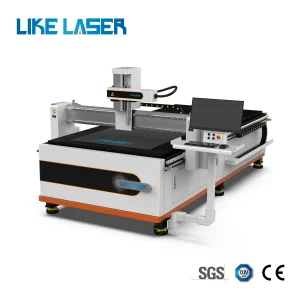
Support your full production line with our patented, high-precision processing equipment, from vertical press units to tempering systems.
 Yabo CNC