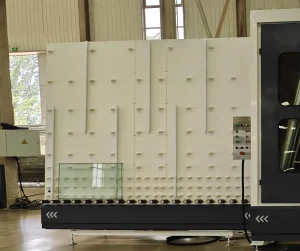
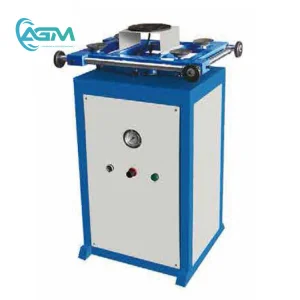
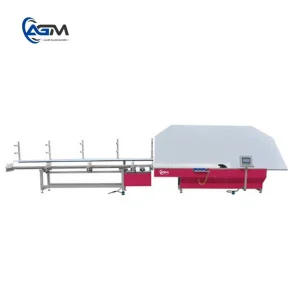
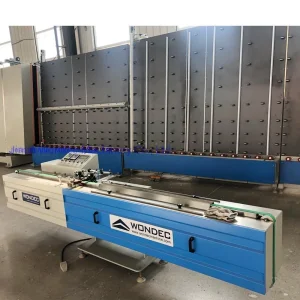
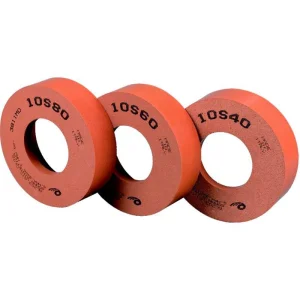
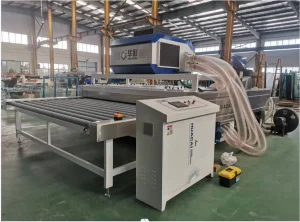
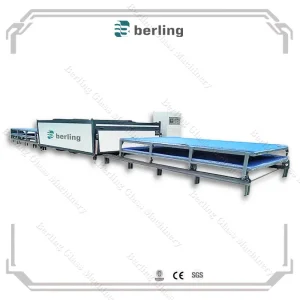
Discover our primary heavy-duty automated manufacturing systems engineered for global safety, resilience, and maximum precision.
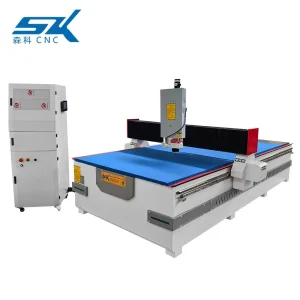
In modern architectural design, the integration of extensive structural glazing systems has redefined urban landscapes. High-performance curtain walls, structural silicone sealant applications, and massive insulated glass units (IGUs) are crucial in realizing iconic high-rise envelopes that meet strict thermal, acoustic, and safety criteria. Historically, applying structural sealants to oversized glass panels was a slow, labor-intensive process highly prone to human error, including uneven dispensing, bubble formation, and inconsistent bonding thickness.
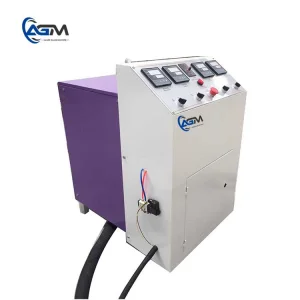
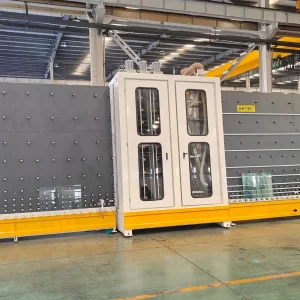
To address these challenges, the industry has transitioned to automation, led by Structural Glazing Robots and Automatic Insulating Glass Sealing Robots. These advanced systems combine heavy CNC precision engineering with real-time sensors, enabling uniform extrusion of multi-component sealants across complex glass dimensions and shapes. This transition to automation reduces production times, saves material, and guarantees that every IGU adheres to global structural load requirements.
Today's architectural landscape is shaped by the demand for larger glass formats, triple-glazed energy-efficient units, and dynamic shapes. Manual handling and sealing of these oversized components carry high risks of panel breakage and compromised seals. Advanced sealing robots feature automated depth sensors, auto-adaptive dynamic mixing nozzles, and laser-guided glass-edge trackers. These technologies ensure that the silicone bead is applied precisely to the joint configuration, securing the long-term structural integrity of the curtain wall under high wind and thermal stress.
Shandong Yabo CNC Machinery Co., Ltd is a professional manufacturer of Insulating Glass Machines and lines for already 18 years. Driven by strong technical support and robust after-sales services, we have developed rapidly to become a leading exporter of heavy glass processing solutions.
Our core mission focuses on high-quality machine design, intensive R&D, precision manufacturing, and comprehensive lifecycle after-sales support. We specialize in producing complete glass deep processing configurations, including Automatic Insulating Glass Machines, Insulating Glass Lines with Argon Gas Filling Function, Automatic Glass Sealing Robots, and High-Speed Glass Washing Machines.
"With 22 national patents and a strong commitment to continuous innovation, Shandong Yabo CNC guarantees exceptional reliability and structural safety for every machine delivered globally."
Global glass processing factories, structural engineers, and facade builders face growing pressure to balance throughput, cost, and strict quality certifications. When investing in automated sealing systems, procurement officers look beyond price to evaluate total cost of ownership (TCO), mechanical durability, and software integration capabilities. Key procurement criteria include:
High-end structural silicones are expensive. Standard manual application often leads to over-application, resulting in significant material waste, or under-application, which can compromise structural integrity. Automated sealing robots address this by using volumetric dosing pumps and closed-loop feedback systems to adjust extrusion speeds in real-time, matching the speed of the sealing head. This ensures a consistent, flat finish with minimal waste, saving up to 15% on sealant costs annually.
Modern architectural facades frequently incorporate trapezoidal, triangular, circular, and stepped glass elements. A high-performance sealing robot must identify these shapes automatically using optical sensors or CAD data imports, adjusting its toolpath without manual reprogramming. Features like auto-centering suction boards and multi-axis articulation are essential for maintaining production speeds across diverse product lines.
Moisture or air pockets in structural joints can cause premature seal failure. High-volume manufacturing lines require continuous degassing pumps, dual-drum supply systems for uninterrupted material changes, and automated nozzle purging systems. These features prevent sealant curing inside the mixing chamber during short halts, ensuring consistent output and reducing downtime.
Laser edge scanning and auto-depth measurements adjust sealant application to variations in spacer depth and panel thickness.
Dynamic dosing valves ensure precise mixing ratios of base polymer and catalyst, guaranteeing reliable sealant curing times.
Standard Ethernet interfaces connect our equipment to plant MES and ERP software, enabling real-time data tracking and diagnostics.
As global supply chains face challenges, Chinese CNC machinery manufacturers have transitioned from high-volume production to advanced precision engineering. Companies like Shandong Yabo CNC Machinery lead this shift, utilizing China's industrial ecosystem to deliver reliable, high-performance machinery.
Our manufacturing facility integrates modern Factory 4.0 standards. Critical mechanical steps, including steel frame aging, high-precision guide rail milling, and mechanical arm balancing, are processed in-house on heavy-duty CNC gantries. This keeps structural tolerances within microns, preventing mechanical deflection over decades of high-speed glass transport.
Our supply chain model minimizes reliance on third-party sub-contractors, protecting buyers from shipping and component delays. By sourcing premium electrical and pneumatic components from globally recognized brands (like Siemens, Schneider, and SMC) and manufacturing structural components in-house, we guarantee long-term parts availability and consistent build quality.
Combining our 20+ years of technical experience, proprietary software patents, and global service network to support your operation.

7*24 Hours, 365 Days availability. Customized layouts and equipment configurations designed for your factory's specific throughput needs.

Standardized precision manufacturing with transparent orders tracking reports, testing videos, and quality sign-off processes.

Online support, on-site installation, maintenance, and lifetime spare parts supply to minimize operation downtime.

Developing local service networks and support structures. We are actively seeking global agent partners to expand our reach.
Automated sealing and glass processing systems are applied across various industrial sectors, each with unique requirements:
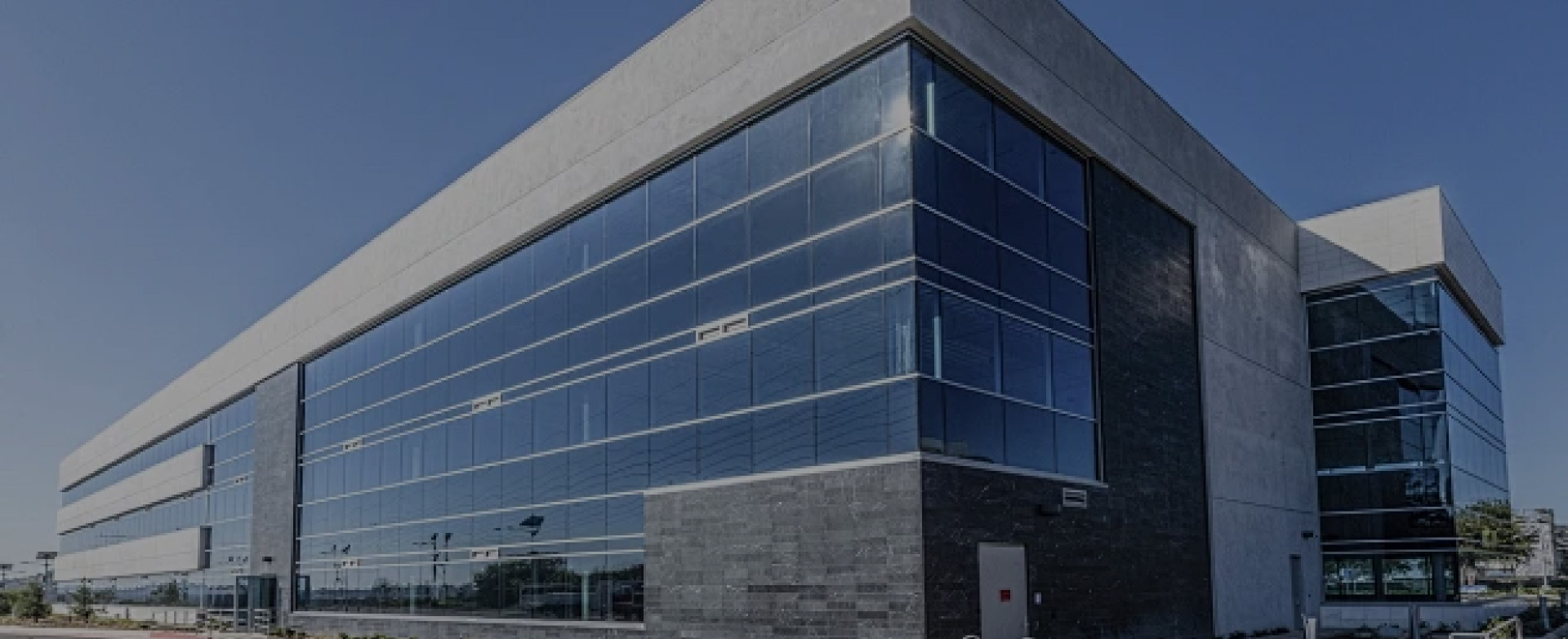
Modern architectural designs call for double-skin glass facades to optimize thermal insulation. These projects require massive IGUs, often filled with Argon gas and sealed with high-density structural silicone. Automated sealing robots apply sealant to these large units with consistent depth and width, ensuring the panels can withstand high wind loads and pressure differentials at high altitudes.
Skylight installations are subject to constant UV exposure and pooling water. The sealing joints on these sloped units must be flawless, with zero voids or unevenness that could trap moisture. Automated butyl extruders and sealing robots provide the precise seal needed to ensure long-term weatherproofing in challenging environments.
Point-supported structural glass systems use thick glass fins to support main facade panels. The structural silicone joints must transfer loads reliably between these heavy elements. Robotic sealing ensures consistent, defect-free bonding along the entire length of the joint, meeting structural engineers' safety requirements.
Review detailed technical specifications, operational insights, and installation guidelines for our machinery.
Explore our range of glass washing, laminating, bending, and grinding systems designed for factory integration.
 Yabo CNC