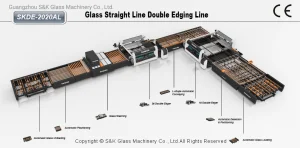
Engineered for high thermal performance and structural integrity to support major reconstruction projects in Kabul, Herat, and Mazar-i-Sharif.
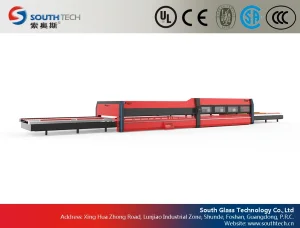
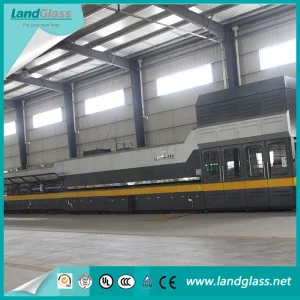
An in-depth whitepaper on structural safety, energy-efficient building requirements, and localized processing solutions for the Afghan market.
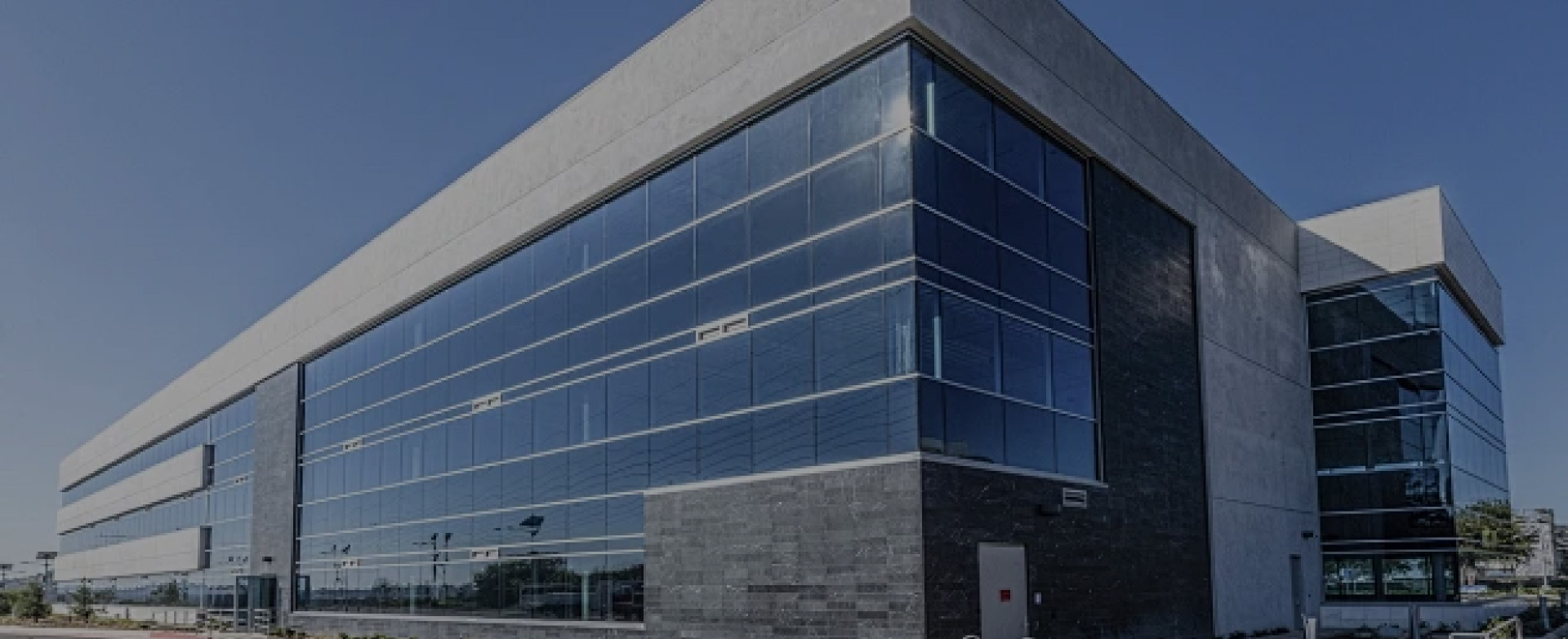
As Afghanistan undertakes large-scale urban reconstruction and commercial development, the demand for modern, high-performance safety glass is surging. Cities like Kabul, Kandahar, Herat, and Mazar-i-Sharif are witnessing a transition from traditional mud and basic brick structures to multi-story commercial plazas, modern residential complexes, and public administrative offices. In these urban environments, traditional annealed glass is no longer viable due to severe structural safety concerns, extreme temperature shifts, and the critical need for acoustic and thermal insulation.
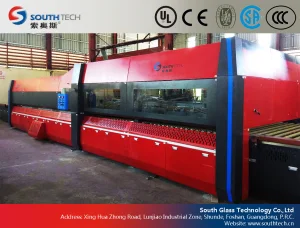
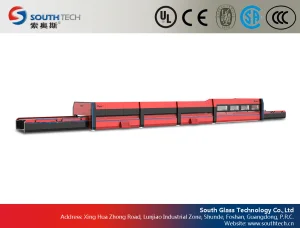
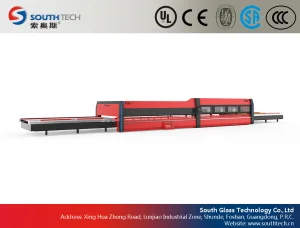
The regional climate of Afghanistan is characterized by harsh temperature variations—semi-arid with cold winters and scorching summers. This makes thermal stress resilience a critical requirement for architectural glass. Furthermore, standard architectural codes now mandate the use of toughened (tempered) glass and laminated triplex glass for structural glazing, storefronts, balustrades, and high-security installations. Historically, finished tempered glass was imported from neighboring regions, incurring high freight costs, risk of breakage during transit over mountainous terrains (such as the Salang Pass), and lengthy lead times. Localizing production through heavy-duty, highly efficient Toughened Glass Production Lines has become the most profitable pivot for local industrial entrepreneurs and distributors looking to control quality and secure high margins.
Setting up an industrial glass plant in Afghanistan requires specialized engineering due to unique infrastructure challenges, particularly regarding power grid instability and dust management. Shandong Yabo CNC Machinery and our technology partners have engineered dedicated solutions:
Combining structural robustness, cost-efficiency, and comprehensive field engineering support.
Over 22 active patents in automatic glass processing, sealing, and high-velocity washing technology.
Designed with voltage stabilizers and variable frequency drives (VFD) to handle rugged industrial power grids.
Experienced technical teams capable of traveling to major commercial centers in Afghanistan for setup and commissioning.
Direct supply routes from Shandong factories guaranteeing replacement parts availability for the entire machine lifespan.
Expanding capabilities into laminated high-security glass, double chamber high-volume flat glass, and automotive windshield manufacturing.
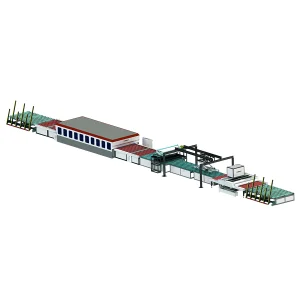
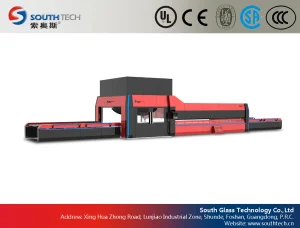
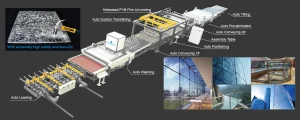
A successful glass processing business in Afghanistan does not rely on a tempering furnace alone. It requires an integrated ecosystem of machinery that ensures zero-defect output and high manufacturing speed. Shandong Yabo CNC Machinery specialized solutions present a turnkey pipeline layout optimized for local factories:
By linking these processes with our advanced insulating glass lines—incorporating automated Argon Gas Filling—manufacturers in Kabul can deliver premium triple-glazed structural units that meet international LEED standards, directly serving high-end administrative complexes, embassies, and premium commercial malls.
Transporting highly heavy, high-volume precision machinery (including massive steel convection chambers and tempering blower systems) into landlocked Afghanistan requires professional supply chain management. At Shandong Yabo CNC Machinery, we regularly facilitate secure shipping routes to the region:
Route A (Via Karachi Port): Shipping from Qingdao/Tianjin ports directly to Karachi, Pakistan, followed by cross-border trucking through the Khyber Pass to Kabul or via Chaman to Kandahar.
Route B (Central Asian Rail Network): Utilizing direct freight lines traveling through northwestern China, across Uzbekistan, and crossing the Friendship Bridge border at Hairatan directly into Mazar-i-Sharif. This route bypasses maritime bottlenecks and minimizes heavy road transit risk.
All sensitive electronic panels, computer cabinets (containing PLC touch controllers), and delicate heating coils are packaged in custom vacuum-sealed, waterproof, and heavy-duty steel-reinforced wooden crates to survive long-distance logistics and varying climatic regions.
A trusted global leader in CNC insulating glass machines and complete glass deep-processing solutions for over 18 years.
Shandong Yabo CNC Machinery Co., Ltd is a highly professional manufacturer of Insulating Glass Machines and lines for already 18 years. Based on robust technical support and responsive after-sales service, we have expanded rapidly to become a leading global supplier. We are focusing on high-quality machine engineering, R&D, fabrication, and after-sale support.
Our core product offerings include Automatic Insulating Glass Machines, Insulating Glass Lines with Argon Gas Filling Function, Automatic Glass Sealing Machines, High-Speed Glass Washing Machines, Glass Cutting Machines, and complete glass deep-processing plants. With already 22 active engineering patents, we continuously innovate to deliver high-yield machinery configured for standard and challenging industrial environments globally.
More than 20 years experienced technical team, unique hardware and software patents, professional after-sales service team.
Service Time: 7*24 Hours, 365 Days. Custom layouts designed for your factory footprint and regional power specifications. We implement the latest automation technology.
Precision assembly tracking. Clients receive full progress reports, design adjustments, and initial testing videos prior to shipment.
On-line troubleshooting: 7*24 Hours. Factory-trained engineers available for on-site machinery assembly, calibration, operator training, and lifetime spare parts provision.

Custom designs, 7*24 service support, and technical site evaluation.

Standard precision fabrication, tracking reports, and live test run videos.

Expert commissioning, direct technical training, and lifetime spare components.

Robust regional agency support, servicing machinery over decades.
Crucial guidelines and technical advice on establishing and operating glass processing plants within Afghanistan.
Select from our complete range of high-efficiency flat tempering chambers, automotive windshield units, and traditional physical ovens.
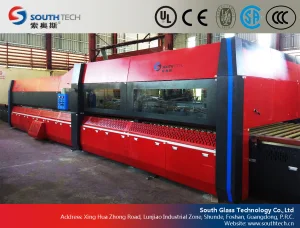

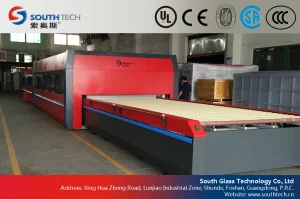
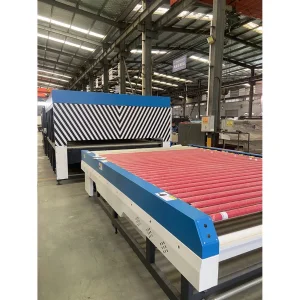
Speak to our senior engineering directors to design your floor layout, customize voltage stabilization setups, and configure machinery configurations tailored to your regional budget and production demands.
Send Inquiry Now Yabo CNC