High-precision double glazing sealing machines engineered for automated manufacturing lines.
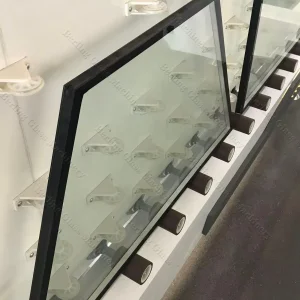
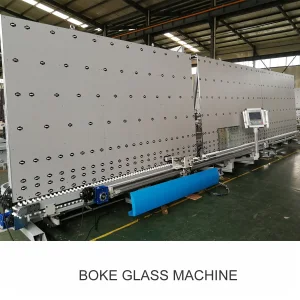
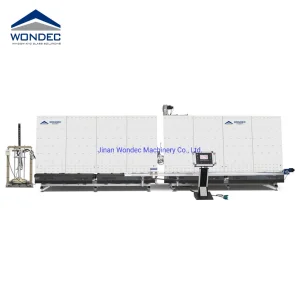
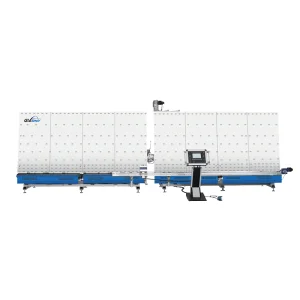
Equatorial Guinea is currently undergoing structural modernization, visible in both the capital, Malabo on Bioko Island, and main mainland commercial hubs like Bata. To support sustainable infrastructure development under the country's national growth plans, structural engineering mandates are prioritizing thermal efficiency. Buildings in tropical regions face intense solar radiation and high ambient temperatures, making double glazing (Insulated Glass Units - IGUs) crucial for limiting indoor HVAC energy consumption.
Local glass processing factories in Malabo and Bata face distinct challenges. High ambient relative humidity, coastal air salinity, and fluctuating temperatures demand that the primary and secondary seals of IGUs are manufactured to exact standards. Any manual error in sealant application leads to seal failure, resulting in interior condensation (fogging) and loss of thermal insulation properties. This is why local glass fabricators are transitioning to CNC Automatic Sealing Robots.

Shandong Yabo CNC Machinery Co., Ltd is a professional manufacturer of Insulating Glass Machines and automated production lines with over 18 years of technical expertise. Our rapid development is driven by a deep focus on design, research & development, state-of-the-art manufacturing, and comprehensive global after-sales services.
Our catalog includes high-efficiency Automatic Insulating Glass Lines, Insulating Glass Lines with Argon Gas Filling functionality, Automatic Glass Sealing Robots, High-Speed Glass Washing Machines, and advanced Glass Cutting Machines. With 22 national patents, we deliver robust machinery tailored to meet international quality and performance standards.
Manual sealant application is slow, labor-intensive, and prone to inconsistency at the corners of the glass unit. Modern architectural requirements demand high precision. CNC sealing robots handle varying glass dimensions in real-time, adjusting the volume of the extruded sealant (silicone, polyurethane, or polysulfide) dynamically based on the spacer depth and glass thickness.
For double glazing factories operating in Central Africa, automation translates to lower labor costs, minimized sealant waste, and 100% compliance with international energy standards, paving the way for export opportunities to neighboring CEMAC countries.
From initial design consultancy to local commissioning in Equatorial Guinea, we support your operations 24/7.

Service Time: 7*24 Hours, 365 Days. Customized machine designs configured to your factory footprint and voltage requirements (e.g. 380V 50Hz configured for Malabo/Bata electrical grids).

Precision-engineered manufacturing processes accompanied by regular order tracking reports, factory testing videos, and quality validation records before shipment.

Online remote support coupled with physical on-site installation and commission technicians when required. Continuous spare parts supply guaranteed for the equipment's operational lifespan.

A global network delivering localization support. We partner with glass factories worldwide to establish local maintenance support and supply channels.
A CNC Sealing Robot operates at the terminal end of an Insulating Glass Production Line. When designing a factory line for Equatorial Guinea, the entire production workflow must be synchronized. Below is an overview of the typical system integration required for a high-output double glazing plant.
| Production Module | Core Functionality | Integration Priority for Equatorial Guinea Factories |
|---|---|---|
| 1. High-Speed Glass Washing Machine | Removes glass dust, oil, and mineral residues using demineralized water and specialized brushes. | Critical. Coastal salt air must be completely washed off the glass surface to ensure perfect sealant adhesion. |
| 2. Spacer Bar Bending & Desiccant Filling | Fills the spacer frame with molecular sieve desiccant to absorb moisture inside the double glazing cavity. | High. In high-humidity environments, automatic filling prevents moisture absorption before sealing. |
| 3. Insulating Glass Assembly & Argon Gas Filling | Combines the glass panes, applies the primary PIB seal, and fills the interior cavity with Argon gas for thermal insulation. | Essential. High-performance windows require argon gas to combat severe solar heat gains. |
| 4. CNC Sealing Robot (Secondary Seal) | Applies the secondary seal (structural silicone or polysulfide) automatically with auto-adaptive corner turning. | Crucial. Provides structural integrity and long-term protection against ambient humidity penetration. |
Industrial machinery deployed in Equatorial Guinea must be customized to handle specific local factors. The electrical power grid can experience voltage fluctuations. Our machines are built with integrated voltage stabilizers, surge protectors, and Schneider or Siemens PLC control units to protect against electrical inconsistencies. Additionally, the robot's control cabinets are tropicalized, featuring dust-sealed cooling fans or air conditioning units to maintain safe operating temperatures in tropical climates.
Explore our full line of automatic vertical glass sealing robots and deep processing equipment.
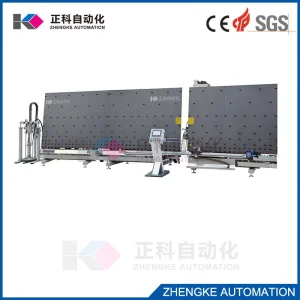
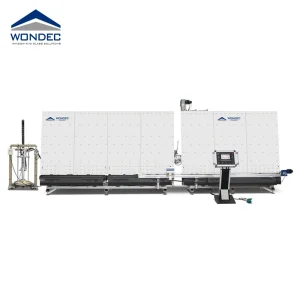
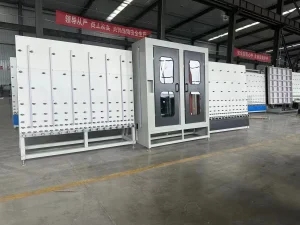
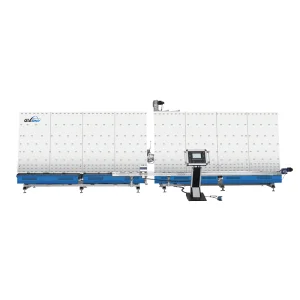
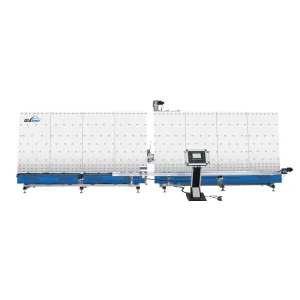
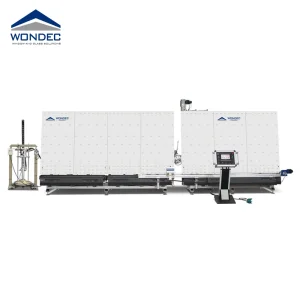
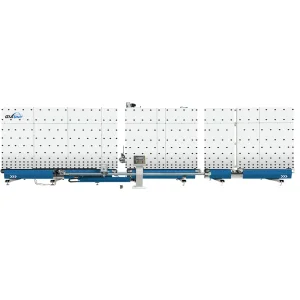
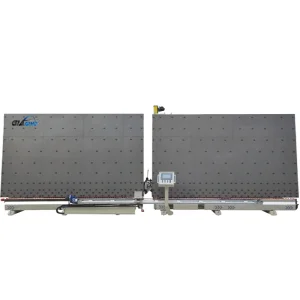
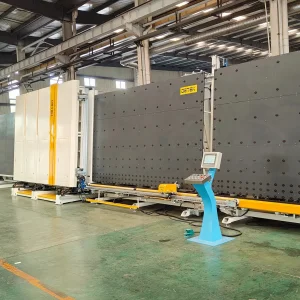
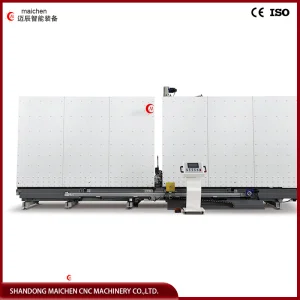
Our engineering team can customize the entire layout to match your production space and budget.
Request Layout PlanPurchasing large-scale industrial machinery requires safe handling during transit. Shipping to major West-Central African ports, such as the Port of Malabo (Bioko Island) or the Port of Bata (mainland), involves specific transport considerations. We package all equipment in heavy-duty, moisture-resistant seaworthy wooden cases. Before packing, key mechanical components are treated with anti-corrosion protection, and electrical cabinets are vacuum-sealed with silica gel desiccant packs to prevent humidity exposure during sea transit.
We supply complete customs documentation, certificates of origin, and compliance certifications required under Equatorial Guinea import regulations. Our team coordinates with your logistics agents to facilitate smooth port clearance and deliver the machinery directly to your facility.
The glass processing industry is shifting toward digitalization and remote connectivity. Future product developments focus on the integration of AI-assisted vision systems and smart diagnostics:
Real-time depth sensors scan the spacer channel depth and width dynamically, adjusting the sealant flow rate to avoid waste and ensure consistent fill levels.
Built-in 4G/5G remote access modules allow our engineers in China to access the PLC dashboard directly, diagnosing sensor errors and adjusting machine parameters remotely.
Variable frequency drives (VFDs) reduce power usage during loading and unloading standby phases, optimizing energy consumption for local operations.
Technical answers from our engineering experts regarding installation, operation, and maintenance.
Optimize your factory line for peak efficiency, reduce material waste, and ensure maximum seal durability for tropical building environments. Contact our engineering team for a customized layout quote today.
Send Inquiry Now Yabo CNC