In today's rapidly evolving glass processing industry, the importance of safety cannot be overstated. Many facilities still operate with outdated equipment and safety measures. This poses significant risks to workers. The need to improve safety standards for glass processing equipment is urgent. Accidents can lead to serious injuries and financial losses.
Modern glass processing involves complex machinery that must adhere to stringent safety protocols. Yet, many companies overlook these crucial aspects. Task-specific training and regular maintenance are often neglected. This reflects a larger trend of complacency within the industry. Without diligent efforts, the safety of workers remains compromised.
Advancements in technology offer new opportunities to enhance safety practices. Investing in updated equipment is essential, but it must go hand in hand with training and policy enforcement. Improving safety standards for glass processing equipment requires a comprehensive approach. Reflection on current practices reveals gaps that need immediate attention. The industry has the potential to change, ensuring a safer working environment for all.
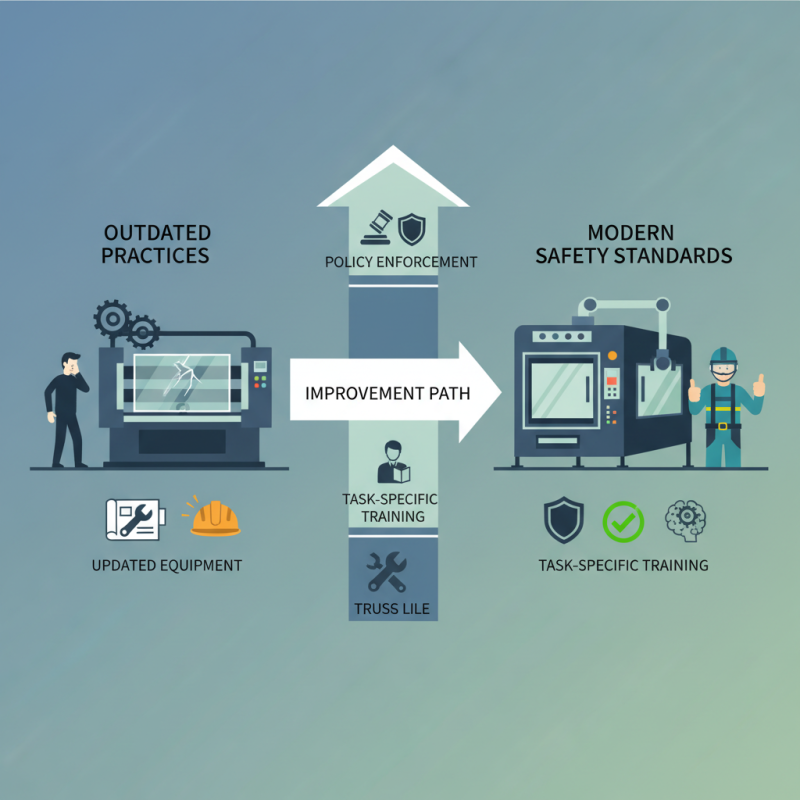
The glass processing industry plays a vital role in construction and manufacturing. Yet, the risks associated with glass handling and processing cannot be overlooked. Safety standards are essential for minimizing accidents. Proper equipment and protocols can significantly lower injury rates. Equipment such as cutting machines and tempering furnaces must adhere to strict safety guidelines. This ensures the protection of workers and prevents costly downtime.
Implementing safety standards requires ongoing training and awareness. Workers should know the hazards linked to glass processing. Regular safety audits can identify potential risks. Many operators might overlook small details, like ensuring that safety guards are in place. Even common tools can pose dangers if not used correctly.
It's also essential to foster an environment where safety concerns are shared. Employees may hesitate to report flaws in safety protocols. Encouraging open communication can create a culture of vigilance. As technology advances, so too must our understanding of safe practices. Continuous improvement and adaptation are crucial in this sector.
The glass processing industry faces ongoing challenges related to safety. Recent data from the Occupational Safety and Health Administration (OSHA) indicates that approximately 35% of workplace injuries are linked to inadequate safety practices in this sector. Compliance with current regulations is crucial for minimizing risks associated with glass handling and processing.
To enhance safety, companies must prioritize adherence to the latest standards outlined in the ANSI Z97.1 and ASTM C1036 guidelines. These regulations emphasize the importance of protective equipment and proper training. Investing in employee education can significantly reduce incident rates. In fact, businesses reporting regular training saw a 25% decrease in accidents, according to a 2022 industry safety report.
Tip: Ensure all employees are familiar with emergency procedures and safety gear. Regular drills can reinforce their importance.
Monitoring compliance is another essential aspect. Regular safety audits can help identify potential hazards. Many organizations fail to conduct these audits consistently, leading to increased risk. A proactive approach can foster a culture of safety, making the workplace safer for everyone involved.
Tip: Create a safety committee to address compliance issues and encourage team participation in safety conversations.
In the glass processing industry, safety hazards are prevalent. Workers often face risks from sharp glass shards, heavy machinery, and high temperatures. These dangers can lead to serious injuries if not properly managed. Implementing effective prevention strategies is crucial for maintaining a safe work environment.
Training is essential for workers. It helps them recognize hazards and understand safety protocols. Regular safety drills can reinforce these skills. Providing personal protective equipment (PPE) such as gloves and safety goggles is also vital. Yet, despite training, accidents can occur. This highlights the need for continuous improvement in safety practices.
Regular maintenance of glass processing equipment is another area that requires focus. Faulty machinery can create unsafe conditions. Scheduled inspections can identify potential issues before they lead to accidents. However, many facilities overlook this aspect due to time constraints or budget cuts. Addressing these gaps can significantly enhance workplace safety and protect employees from harm.
| Hazard | Description | Prevention Strategy | Safety Equipment |
|---|---|---|---|
| Cutting Injuries | Risk of laceration from sharp glass edges. | Provide proper training and handling procedures. | Cut-resistant gloves. |
| Chemical Exposure | Exposure to toxic chemicals used in glass manufacturing. | Use of proper ventilation and PPE. | Respirators and safety goggles. |
| Falling Objects | Glass sheets or materials may fall, causing injury. | Ensure proper stacking and securing of materials. | Safety helmets and sturdy footwear. |
| Equipment Malfunction | Malfunctioning machinery can lead to accidents. | Regular maintenance and inspection protocols. | Emergency stop buttons and safety guards. |
| Noise Exposure | High noise levels can lead to hearing loss. | Hearing conservation programs and signage. | Earplugs or earmuffs. |
Innovation in glass processing equipment is enhancing safety standards significantly. New technologies are addressing the common hazards associated with glass handling and processing. For instance, advanced sensor technologies are now able to detect risk levels in real-time, providing alerts for potential accidents before they happen. This proactive approach can prevent injuries and enhance overall workplace safety.
Additionally, automated systems are reducing human interaction with dangerous machinery. These systems can manage heavy lifting and complex cutting tasks, minimizing the risk of accidents. Training programs incorporating virtual reality simulations allow workers to experience potential hazards in a controlled environment. This immersive learning fosters a deeper understanding of safety protocols and encourages critical thinking about personal safety practices.
Despite these advancements, challenges remain. Workers may feel overconfident in their safety due to reliance on technology. Miscommunication during equipment operation also poses risks. Regular assessments are necessary to ensure that safety measures keep pace with technological changes. Continuous feedback from employees can identify shortcomings in safety protocols. Engaging workers in safety discussions is key to maintaining a culture of awareness and vigilance.
Safety in glass processing is crucial. Workers need thorough training to handle equipment properly. Effective training reduces accidents and boosts productivity. This responsibility lies with managers and trainers.
Hands-on training is essential. It's important to let workers practice on the equipment they will use. Observing experienced operators can help them learn the right techniques. Encouraging questions can create a safe environment for discussion. Many workers may feel unsure about their knowledge. Addressing this openly builds confidence.
Regular refresher courses are necessary. Equipment features may change over time. Technologies advance, and workers must stay updated. Mistakes can happen. If training is incomplete, workers may not recognize safety hazards. Regular assessments of training effectiveness help identify gaps. Continuous improvement is key to a safer workplace.
This bar chart displays the percentage of workers trained in various safety practices regarding glass processing equipment. The data indicates areas that require improvement to enhance overall safety standards.
: Workers face risks from sharp glass, heavy machinery, and high temperatures. These hazards can cause severe injuries.
Safety standards minimize accidents and protect workers. Proper equipment and protocols lower injury rates significantly.
Ongoing training helps workers recognize hazards and understand protocols. Regular safety drills reinforce these essential skills.
Open communication encourages workers to report safety flaws. This can foster a culture of vigilance and awareness.
Advanced sensors and automated systems address common hazards, reducing human interaction with dangerous machinery.
Faulty machinery creates unsafe conditions. Scheduled inspections can identify issues before accidents occur, ensuring worker safety.
Workers may feel overconfident due to technology reliance. Miscommunication during equipment operation poses additional risks.
Virtual reality simulations provide controlled environments for experiencing hazards. This fosters a deeper understanding of safety practices.
Small details, like ensuring safety guards are in place, are sometimes neglected. These oversights can lead to serious hazards.
Addressing gaps in safety measures can enhance workplace safety. Feedback from employees is crucial for continuous improvement.
The article emphasizes the critical need to improve safety standards for glass processing equipment to protect workers and enhance operational efficiency. It discusses the importance of adhering to current safety regulations and compliance requirements, which serve as a foundation for minimizing risks in the glass processing industry. Identifying common hazards, such as cuts and exposure to hazardous materials, is essential for implementing effective prevention strategies.
Moreover, the article highlights innovative technologies that significantly enhance safety, such as advanced safety guards and automated systems that reduce human intervention. Best practices for training workers on equipment safety are also examined, emphasizing the need for continuous education and practical training programs to ensure that all employees are well-informed about safety protocols. Ultimately, fostering a culture of safety in glass processing facilities is vital for reducing accidents and improving overall workplace safety.

Yabo CNC