The glass production industry is a major energy consumer, accounting for about 7% of the total industrial energy use globally. To reduce energy consumption in glass production lines, industry leaders are exploring various innovative solutions. Experts indicate that optimizing processes can lead to significant savings. Dr. John Smith, a leading figure in energy efficiency in the glass sector, emphasizes, "Improving energy efficiency is not just an option; it is a necessity for sustainability."
Advanced technologies, such as heat recovery systems and enhanced monitoring tools, help in identifying energy loss points. Despite progress, many glass manufacturers still face challenges in implementing these changes. According to a report by the Glass Manufacturing Industry Council (GMIC), up to 25% of energy could be saved with better practices.
Many companies struggle with the upfront costs of these technologies, creating a barrier to change. Yet, the long-term benefits in energy savings are undeniable. As the industry evolves, the call to reduce energy consumption in glass production lines becomes more urgent. Only through commitment and innovation can we shape a sustainable future for glass production.
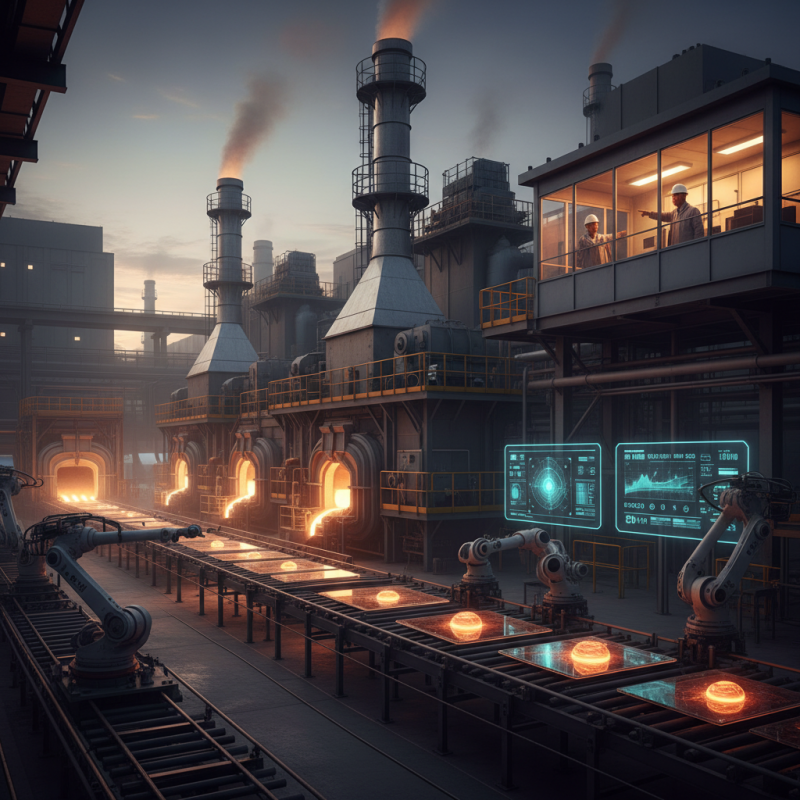
Understanding Energy Consumption in Glass Production
Energy consumption in glass production is a crucial issue. The process requires high temperatures and significant power, impacting both cost and environment. Understanding the main contributors to energy use helps identify areas for improvement.
The melting stage is particularly energy-intensive. Using efficient furnaces can significantly cut energy use. Regular maintenance of these furnaces is essential. An unmaintained furnace will waste energy and lead to higher costs. Additionally, implementing waste heat recovery systems can harness excess energy, converting it into usable power.
Moreover, optimizing the cooling process can save energy. It is vital to monitor the cooling rates. Inefficient cooling can result in higher energy usage. Adjusting these rates can lead to significant savings. Training staff on energy-efficient practices is important. Involving employees in energy management fosters a culture of sustainability.
How to Reduce Energy Consumption in Glass Production Lines? - Understanding Energy Consumption in Glass Production
| Process Stage |
Energy Consumption (kWh/ton) |
Energy Reduction Techniques |
Expected Savings (%) |
| Melting |
800 |
Use of recuperators, optimized furnace operation |
20 |
| Forming |
400 |
Improved mold designs, heat recovery systems |
15 |
| Cooling |
300 |
Optimized cooling methods, insulation improvements |
10 |
| annealing |
250 |
Efficient control systems, programmable logic controllers (PLCs) |
12 |
| Finishing |
150 |
Advanced polishing technologies, energy-efficient equipment |
8 |
Identifying Key Energy-Intensive Processes in Glass Manufacturing
In glass manufacturing, energy consumption is a significant concern. Identifying key energy-intensive processes is crucial. The melting phase stands out as one of the most energy-consuming steps. An efficient furnace design can significantly reduce energy usage. Poor insulation contributes to heat loss, making furnaces work harder. Regular maintenance can help identify and fix leaks, enhancing efficiency.
Another area demanding attention is the forming process. Equipment used in shaping glass often requires substantial power. Upgrading to more efficient machines could lower energy needs. However, many facilities hesitate due to the initial investment. The return on investment may not seem immediate. A careful analysis of energy savings can provide clarity.
It is also worth examining the cooling process. This stage, while seemingly minor, can be quite energy-intensive. Slow cooling can lead to defects, requiring reheating. Monitoring temperature variations can reveal areas to optimize. Operators sometimes overlook this, focusing solely on production speeds. A balance between efficiency and quality is essential for long-term success.
Implementing Technological Innovations to Enhance Efficiency
The glass production industry faces significant challenges in reducing energy consumption. Embracing technological innovations can greatly enhance efficiency. Automation and advanced sensors are key players in this transformation. They help monitor processes in real time, enabling timely adjustments to optimize energy use.
Tips: Monitor energy usage closely. Regular audits identify areas for improvement.
Implementing renewable energy sources also plays a crucial role. Solar panels or wind turbines can supplement traditional energy sources. This shift not only lowers costs but also promotes sustainability. The integration of energy-efficient machinery further reduces overall consumption while maintaining product quality.
Tips: Invest in training staff on new technologies. Their engagement is vital for successful implementation.
Experimenting with new materials may lead to better insulation and reduced thermal losses. However, adapting to these innovations requires a cultural shift. Organizations must be open to trial and error, understanding that not every change will yield immediate results. The path to sustainable glass production is iterative and demands constant refinement.
Energy Consumption in Glass Production Lines
This bar chart illustrates the energy consumption across different stages of glass production lines. The data represents the average energy required for batch heating, melting, forming, annealing, and finishing processes. By identifying stages with higher energy usage, manufacturers can target innovations to enhance efficiency and reduce energy costs.
Adopting Best Practices for Energy Management in Production Lines
Energy management is critical in glass production lines. Many facilities still rely on outdated practices, leading to excessive energy use. To optimize energy consumption, companies can adopt best practices tailored specifically for their production environment.
Implementing regular energy audits can reveal inefficiencies. For example, outdated furnaces might waste a considerable amount of heat. Upgrading to more efficient equipment can be costly initially, but the long-term savings are substantial.
Staff training is another essential aspect. Employees need to understand their role in energy conservation, from adjusting operating temperatures to minimizing idle time.
Utilizing automation can also enhance efficiency. Automated systems track energy use in real-time. This data enables managers to identify peak energy usage and adjust operations accordingly.
However, relying solely on automation may lead to complacency among staff. It’s vital to maintain a balance between technology and human oversight.
Evaluating the Role of Renewable Energy Sources in Glass Production
The glass production industry is known for its high energy demands. However, integrating renewable energy sources can significantly alleviate these needs. According to a report from the International Energy Agency, glass manufacturing accounts for nearly 2% of global industrial energy consumption. Transitioning to solar, wind, or biomass energy could cut operational costs and carbon emissions.
Solar energy systems are becoming more viable. With a declining cost trend, the price of solar photovoltaic cells dropped by around 89% from 2010 to 2020. This presents an opportunity for manufacturers to harness solar power for operations. Wind energy, too, offers potential. Its rapid deployment has seen a 50% reduction in costs in just a decade, making it an attractive option for factory energy needs.
However, challenges remain in implementation. Not all locations have consistent sunlight or wind. Storage for energy generated during peak production remains a concern. Additionally, the initial setup costs can be daunting for some companies. Data from the Glass Manufacturing Industry Council suggests that companies need to weigh these considerations against long-term benefits. A cautious approach is necessary, as the shift to renewables requires significant commitment and resources.
FAQS
: High temperatures and significant power are needed, impacting costs and the environment.
Using efficient furnaces and maintaining them can cut energy consumption significantly.
Unmaintained furnaces waste energy and lead to increased costs.
They convert excess energy from the process into usable power, improving efficiency.
Monitoring and adjusting cooling rates is vital to avoid higher energy usage.
Training employees fosters a culture of sustainability and helps them conserve energy.
Regular energy audits can reveal inefficiencies, leading to better energy practices.
Excessive reliance on automation may cause complacency; human oversight is essential.
Initial costs can be high, but the long-term savings can be worth it.
Incorporating both automated systems and staff involvement enhances overall energy management.
Conclusion
Reducing energy consumption in glass production lines is critical for improving sustainability and cost-efficiency in the industry. The first step is to gain a clear understanding of energy consumption patterns, which involves identifying key energy-intensive processes such as melting and forming. By pinpointing these areas, manufacturers can implement targeted technological innovations, such as advanced melting technologies and energy recovery systems, to enhance overall efficiency.
In addition, adopting best practices for energy management can significantly contribute to energy savings. This includes regular audits, employee training, and optimizing operational schedules. Moreover, evaluating the potential of renewable energy sources, such as solar or wind, can further support efforts to reduce energy consumption in glass production lines, leading to a more environmentally friendly manufacturing process while also cutting costs.

 Yabo CNC