How to Reduce Material Waste in Glass Cutting and Shaping?

Time:2026-05-22 Author:Ethan
0%

In the glass cutting and shaping industry, reducing material waste is a pressing concern. According to Dr. Emily Thorne, a leading expert in sustainable manufacturing, “Effective glass cutting can save resources and minimize waste.” Her insights emphasize the importance of strategic methods to enhance efficiency.

Reducing material waste in glass cutting and shaping is not just about saving costs; it’s about evolving our practices. Industries often face challenges with leftover scraps that can lead to significant resource loss. Each piece of misplaced glass represents both financial and environmental impact.

Focusing on innovative tools and techniques can help address these issues. Implementing technologies like CNC machines and advanced cutting software can optimize cuts. However, the industry must confront its shortcomings, such as inadequate training and outdated practices. These factors often contribute to excessive waste. By addressing these areas, businesses can take meaningful steps to reduce material waste in glass cutting and shaping.
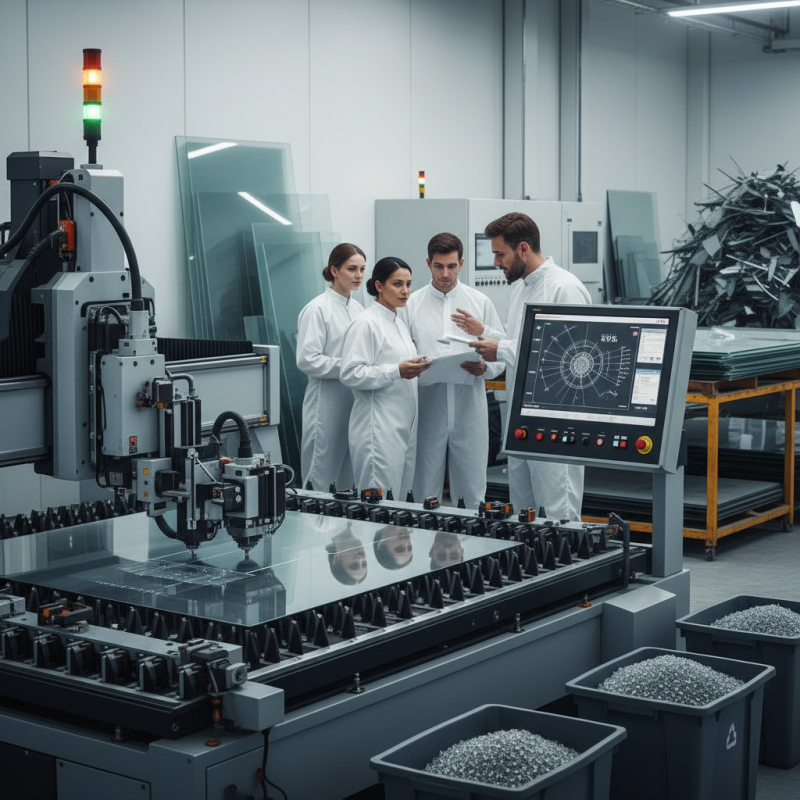
How to Reduce Material Waste in Glass Cutting and Shaping?

Understanding Material Waste in Glass Cutting and Shaping Processes

The glass cutting and shaping industry faces significant challenges regarding material waste. Up to 25% of the glass produced can be lost during these processes. This staggering figure often stems from inefficiencies in cutting techniques, inadequate machinery calibration, and poor layout planning. A precise assessment of material usage is essential to address these issues. For instance, utilizing computer-aided design (CAD) systems can optimize layouts and minimize offcuts.

Industry reports indicate that implementing better training for employees can further reduce waste. Workers need to understand best practices in handling and cutting glass. Surprisingly, even small adjustments in technique can lead to a 15% reduction in surplus materials. Regular audits of production processes can also reveal patterns of waste that need addressing. Identifying these flaws is a continual process of reflection and adjustment.

Not all waste can be eliminated, but the focus should shift towards minimizing it. Recycling waste glass is a viable option. The National Glass Association points out that up to 90% of glass can be recycled at the production stage. Partnering with recycling companies can ensure that wasted glass finds new life. Each step in the cutting and shaping journey deserves scrutiny. Reducing waste is not just a technique; it's a commitment to sustainability.

Analyzing Industry Statistics on Glass Waste Generation and Reduction

In the glass industry, material waste during cutting and shaping is a pressing concern. Industry statistics show that approximately 30% of glass produced is wasted during these processes. This statistic highlights the need for improved techniques to minimize waste and enhance sustainability.

Reducing waste begins with precise cutting techniques. Utilizing automated cutting machines can increase accuracy. Research indicates that advanced CNC technology can reduce waste by up to 20%. Additionally, proper planning is essential. By analyzing designs and determining optimal layouts, companies can further decrease the amount of scrap produced. Employing software for layout optimization can lead to more efficient glass use.

Tip: Educate workers on best practices in glass handling. Simple measures like proper storage and careful cutting can prevent unnecessary breaks.

Data from the Glass Packaging Institute reveals that nearly 50,000 tons of glass could be saved each year by implementing smarter production practices. Yet, many companies still rely on outdated methods, leading to renewed reflection. The industry must embrace innovation to address these inefficiencies while ensuring a commitment to sustainable practices.

How to Reduce Material Waste in Glass Cutting and Shaping?

Waste Type Percentage of Total Waste (%) Reduction Strategy Estimated Waste Reduction Impact (%)
Off-Cuts 45 Optimized Cutting Patterns 20
Glass Scraps 30 Recycling Programs 15
Defective Pieces 10 Quality Control Enhancements 10
Inefficient Cutting Techniques 15 Advanced Cutting Machinery 25

Implementing Effective Cutting Techniques to Minimize Offcuts

Reducing material waste in glass cutting and shaping starts with effective techniques. Accurate measurements are crucial. Using high-precision tools helps minimize errors. Improper measurements often lead to larger offcuts. This results in increased costs and wasted materials.

Another effective technique is optimizing the layout of cuts. Planning the arrangement of pieces can significantly reduce waste. Using software that calculates the most efficient patterns can be very helpful. Even with the best plans, mistakes happen. Occasionally, some pieces may not fit perfectly as intended.

Implementing a recycling program can also mitigate waste. Collection of offcuts for reuse showcases a commitment to sustainability. However, it requires regular checks and evaluations to ensure materials are effectively utilized. Inspecting the quality of recycled glass can be a challenge. Finding ways to improve this process is essential. Each step taken to refine these techniques contributes to less waste and better resource management.

Utilizing Advanced Technology in Glass Shaping to Enhance Precision

When it comes to glass cutting and shaping, advanced technology plays a pivotal role. Precision tools such as CNC machines provide accuracy that manual methods cannot achieve. According to industry reports, using CNC can reduce material waste by up to 30%. This is significant, as waste management is a growing concern in the glass industry.

Investing in laser cutting technology offers even finer precision. It allows for intricate designs while minimizing excess material. Laser cutting reduces kerf loss, optimizing each glass piece's potential. Such innovations lead to higher quality and less rework, contributing to environmental sustainability.

**Tips:**
- Invest in advanced cutting tools for better accuracy.
- Regularly train staff on new technologies.
- Monitor waste levels and adjust methods accordingly.

Despite these advancements, challenges remain. Equipment malfunctions can still lead to material loss. Regular maintenance is essential to prevent these issues. Additionally, technology comes with a learning curve. Employees may initially struggle with new systems, impacting productivity. Balancing technology with skilled labor remains vital for efficiency.

Material Waste Reduction in Glass Cutting and Shaping

This chart illustrates the percentage of material waste associated with different glass cutting methods. As can be seen, traditional manual cutting results in significantly more waste compared to advanced technologies like CNC machining and laser cutting, which utilize more precise techniques to minimize waste.

Developing Best Practices for Recycling and Reusing Glass Scrap Efficiently

Reducing material waste in glass cutting and shaping is crucial for sustainability. Efficient recycling and reusing of glass scrap can significantly lower production costs and environmental impact. According to industry reports, up to 40% of glass used in manufacturing can end up as waste. Implementing best practices for managing this scrap is essential.

One effective strategy is to establish a glass scrap collection system. Collecting shards quickly and efficiently can prevent them from becoming landfill material. For smaller facilities, consider partnering with local glass recyclers. This can simplify the recycling process and reduce transportation costs.

Tips: Use color-coded bins for different types of glass. This minimizes contamination and makes sorting easier. Also, educate employees on the importance of minimizing waste. When everyone is aware, the reduction of scrap increases. Regular audits can help identify areas where improvements are necessary, fostering a culture of continuous enhancement.

Reusing glass scrap in the production cycle is another powerful method. Many facilities report using up to 30% of their recycled glass in new products. However, challenges remain. Not all scrap can be reused effectively, and some may not meet quality standards. Regular quality checks on scrap are vital for maintaining product integrity. In time, developing a reliable recycling plan will enhance both efficiency and credibility in the industry.

FAQS

: What is the percentage of glass waste in the cutting and shaping industry?

: Up to 30% of glass produced can be wasted during these processes.

How can cutting techniques impact material waste?

Precise cutting techniques can significantly reduce waste by improving accuracy.

What role does technology play in reducing glass waste?

Advanced technology, like CNC machines, can reduce waste by up to 30%.

Why is it important to train employees in glass handling?

Staff training on best practices can prevent breaks and reduce overall waste.

Can all waste be eliminated in the glass industry?

Not all waste can be removed, but efforts can focus on minimizing it.

What is a potential benefit of recycling glass?

Up to 90% of waste glass can be recycled at the production stage.

How can layout planning affect glass usage?

Proper layout planning helps decrease the amount of scrap produced significantly.

What challenges does the industry face despite advancements?

Equipment malfunctions and technology learning curves still lead to material loss.

What can regular audits of production processes reveal?

Audits can identify waste patterns that need addressing for improvement.

What can companies do to enhance sustainability?

Embracing innovation and smarter production practices can significantly enhance sustainability.

Conclusion

Reducing material waste in glass cutting and shaping is crucial for enhancing efficiency and sustainability in the glass industry. Understanding the sources of material waste, such as offcuts and scrap during the cutting and shaping processes, is the first step towards significant reductions. Industry statistics highlight the alarming rates of waste generation, emphasizing the need for improved practices.

To effectively minimize waste, implementing advanced cutting techniques that focus on precision can lead to a reduction in offcuts. Additionally, embracing cutting-edge technology in glass shaping not only improves accuracy but also helps in better utilization of materials. Developing best practices for recycling and reusing glass scrap can further enhance overall efficiency, ensuring that every piece of glass is utilized optimally. By adopting these strategies, the industry can contribute to a more sustainable future while also improving cost-effectiveness.

Ethan

Ethan

Ethan is a seasoned marketing professional with a deep expertise in our company's innovative product line. With a passion for sharing knowledge and insights, he takes the lead in regularly updating our corporate blog, where he explores industry trends, product features, and effective marketing......