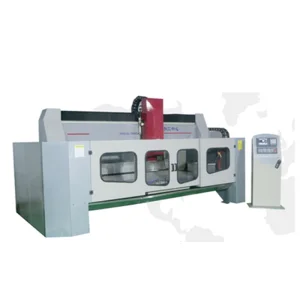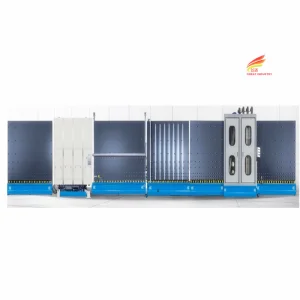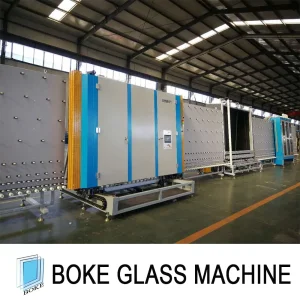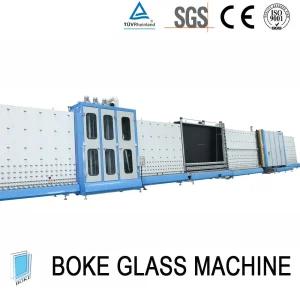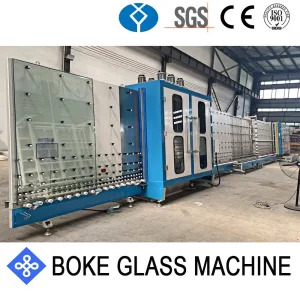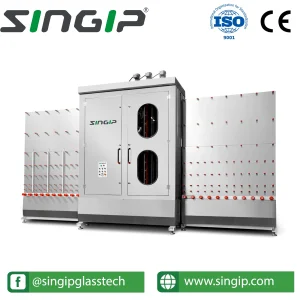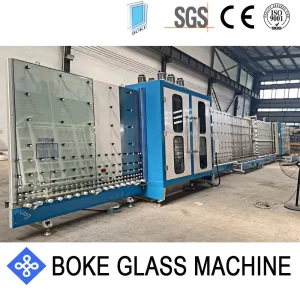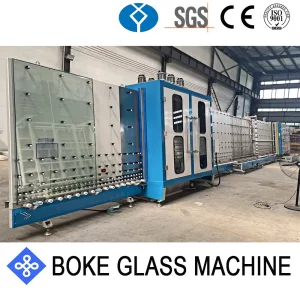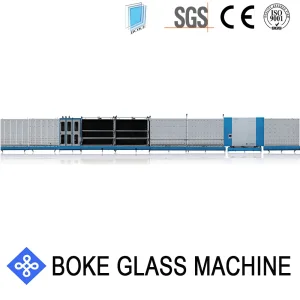
In the contemporary architectural and industrial landscape, Low-E (Low Emissivity) glass has become the cornerstone of energy-efficient building design. However, the production of high-quality Low-E insulating glass units (IGU) hinges on a single, critical process: the precision cleaning of the glass surface. As a Top 10 Low-E Glass Washing Machine Supplier & Exporter, we recognize that any microscopic residue or physical damage to the delicate metallic coating can render an entire production batch useless.
The global demand for high-efficiency glass is skyrocketing, driven by stringent carbon neutrality goals in Europe, North America, and emerging economies in Asia. This shift has transitioned the "glass washer" from a basic utility to a high-tech robotic system capable of handling soft coatings without contact degradation. Industrial processors are no longer just looking for "clean" glass; they are looking for surface integrity that meets ASTM and CE standards.
The market for glass processing machinery is currently undergoing a digital revolution. Industry 4.0 integration is the leading trend, with global purchasers demanding machines that offer real-time data monitoring, automated brush adjustment, and energy-saving "sleep modes." We are seeing a massive shift from horizontal washing systems to vertical lines, which save up to 60% of factory floor space while allowing for the processing of jumbo-sized glass sheets (up to 3000mm x 6000mm).
Sustainability is another major driver. Contemporary washing machines must now incorporate water recycling systems that reduce consumption by up to 80%. As an exporter, we have noted that clients in water-stressed regions like the Middle East and parts of Australia prioritize filtration efficiency over raw speed. This has led to the development of multi-stage filtration units that include quartz sand filters, activated carbon, and UV sterilization.
Procurement officers for large-scale window and door manufacturers are no longer just comparing price tags. The total cost of ownership (TCO) is now the primary metric. Key requirements include:
From the humid coastal factories of Southeast Asia to the high-altitude construction sites in South America, localized environmental factors play a huge role in machine performance. In Europe, the focus is on "Quiet Operations" and noise reduction of air knives to meet strict labor laws. In the US market, there is a heavy emphasis on UL-certified electrical components and the capacity to handle heavy-triple silver Low-E glass used in skyscrapers.
Shangdong Yabo CNC Machinery Co., Ltd is a professional manufacturer of Insulating Glass Machine and lines for already 18 years. Based on strong technical support and robust after-sales services, we develop rapidly.
We focus on high-quality machine production and supply, including design, R&D, manufacture, and after-sales service. Our key offerings include:
With over 22 patents, we remain at the forefront of the glass deep processing industry.
More than 20 years of experienced technical expertise combined with unique hardware and software patents to support your project lifecycle.

7*24 Hours, 365 Days Service. Special designs tailored to your specific glass processing requirements using the latest technology.

Standard precision production with order tracking reports, testing videos, and transparent manufacturing progress.

Global installation and maintenance support. Lifetime spare parts supply and 7*24h online troubleshooting.

Reliable local service systems and a search for global agent partners to ensure machine lifetime maintenance.
Sourcing glass machinery from China, specifically from a technology-focused leader like Yabo CNC, offers unparalleled strategic advantages. First is the Supply Chain Integration. Being located in Shandong, the heart of China’s machinery manufacturing hub, allows us to source high-grade components (like Siemens electronics and Omron sensors) at a speed and cost that European competitors cannot match.
Secondly, our Rapid R&D Cycle means that feedback from a customer in Dubai can be integrated into our next production run within weeks, not years. We combine world-class engineering standards with the cost-efficiency of Chinese manufacturing, providing an ROI that typically sees the machine paying for itself within 12-18 months of operation.
 Yabo CNC