Precision Engineering for Primary and Secondary Sealing
In the modern era of sustainable architecture and high-performance building envelopes, the Hydraulic Sealant Extruder has emerged as a cornerstone technology. As global energy regulations become increasingly stringent—such as the EU's Energy Performance of Buildings Directive and similar green building standards in North America—the demand for high-quality Insulating Glass (IG) units has skyrocketed. This demand places immense pressure on glass processors to ensure absolute hermetic sealing, where even a microscopic failure in sealant application can lead to argon gas leakage and thermal inefficiency.
The global market for sealant extrusion systems is transitioning from traditional pneumatic systems to advanced hydraulic and servo-controlled mechanisms. Hydraulic extruders are favored for their ability to provide unwavering pressure stability, which is critical when processing high-viscosity materials like butyl or two-component silicone. Today, manufacturers in Europe, Asia, and the Americas are seeking suppliers who can bridge the gap between heavy-duty industrial durability and smart, data-driven automation.
Modern extruders are no longer just "pumps." They are integrated with CNC systems that allow for precise gram-per-meter control. Real-time monitoring of temperature and flow rates ensures that every IG unit meets the highest structural standards, reducing material waste by up to 15% through optimized application.
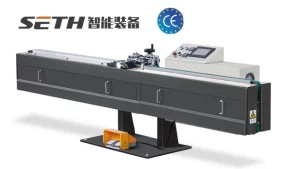
While pneumatic systems are common, hydraulic extruders provide the massive force required for consistent flow of primary sealants like Polyisobutylene (PIB). This consistency is vital for maintaining a continuous moisture barrier, which is the #1 factor in the lifespan of an insulating glass unit.
Suppliers are now focusing on energy-efficient heating systems for butyl extruders. By using intelligent heating zones and thermal insulation within the machine, power consumption is significantly reduced, aligning with the "Green Factory" initiatives of global glass giants.
When international procurement managers look for a Hydraulic Sealant Extruder supplier, they aren't just buying a machine; they are investing in a production lifecycle. In the Middle East, machines must withstand extreme ambient heat while maintaining sealant viscosity. In Northern Europe and Canada, the focus is on triple-pane glass extrusion and argon gas retention. In the rapid urbanization zones of Southeast Asia, speed and throughput are the primary KPIs.
We understand that a factory in Germany has different certification requirements (CE/TÜV) compared to a facility in Brazil or India. Our machines are designed with modular localized adaptations, ensuring that whether you are producing structural glazing for a skyscraper in Dubai or residential windows for a suburb in London, the sealant bond is flawless and enduring.
Combining Cost-Efficiency with World-Class Engineering
Shangdong Yabo CNC Machinery Co., Ltd is a professional manufacturer of Insulating Glass Machine and lines for already 18 years. Our rapid development is built on the bedrock of strong technical support and rigorous after-sales services.
We are not just assemblers; we are innovators. We currently hold 22 patents for our CNC glass machinery, focusing on the R&D of automatic sealing machines and high-speed glass washing systems. We keep moving forward with technology.
Our key machines include Automatic Insulating Glass Lines with Argon Gas Filling, Automatic Glass Sealing Robots, and High-Speed Cutting Machines. We provide a complete ecosystem for glass deep processing.

More than 20 years of technical expertise at your service

7*24 Hours Support
Customized Design Solutions
Latest CNC Technology

Precision Manufacturing
Order Tracking Reports
Testing & Validation Videos

Global Installation Support
Lifetime Maintenance
Quick Spare Parts Supply

Reliable Local Networks
Agent Partnerships
Machine Lifecycle Care
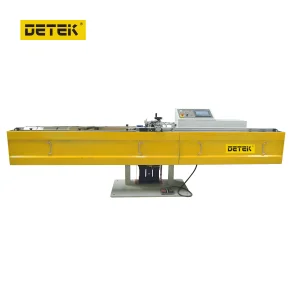
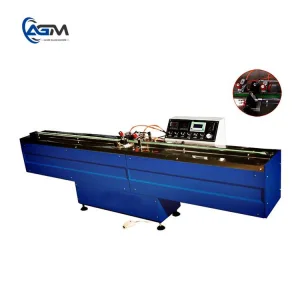
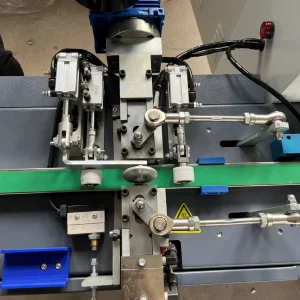
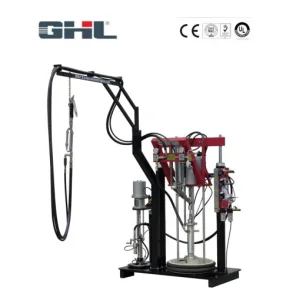
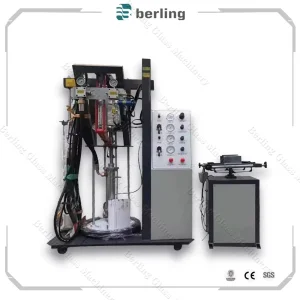
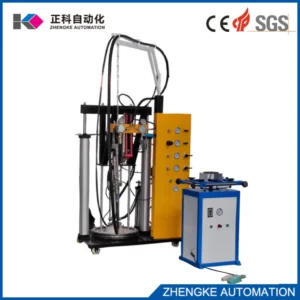
As a leading Hydraulic Sealant Extruder supplier, we recognize that the heart of the machine is its hydraulic power unit (HPU). Unlike pneumatic extruders that can suffer from "pressure flutter" when air compressors cycle, our hydraulic systems provide a perfectly linear material flow. This is essential for the Primary Sealant Spreading process, where a consistent 0.5mm to 1.0mm thickness of butyl must be applied to the spacer bar to ensure an airtight bond.
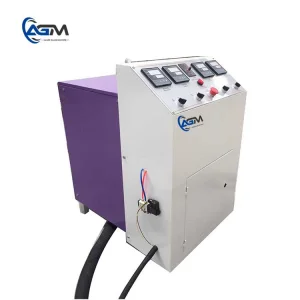
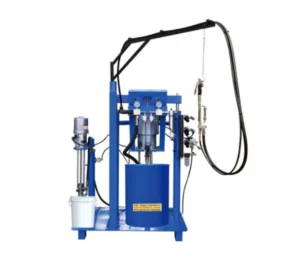
Our Automatic Insulating Glass Hot Melt Adhesive Sealant Coating Machines utilize PID temperature control loops. This ensures that the thermoplastic material reaches its optimal liquid state without overheating, which can degrade the polymer chains and weaken the final bond. For Two-Component Silicone Sealants, our machines feature high-precision mixing ratios (typically 10:1 or 12:1), controlled by synchronized hydraulic cylinders to prevent "soft spots" in the structural seal of the glass.
For large-scale industrial buyers, reliability is non-negotiable. Our machines are built with reinforced frames and use world-class components from brands like Siemens and Schneider. This authoritative approach to engineering is why Shangdong Yabo CNC has become a trusted partner for glass factories worldwide, from high-output production facilities in China to specialized boutique glazing shops in the United States and Europe.
Engineered for Longevity and Performance
 Yabo CNC