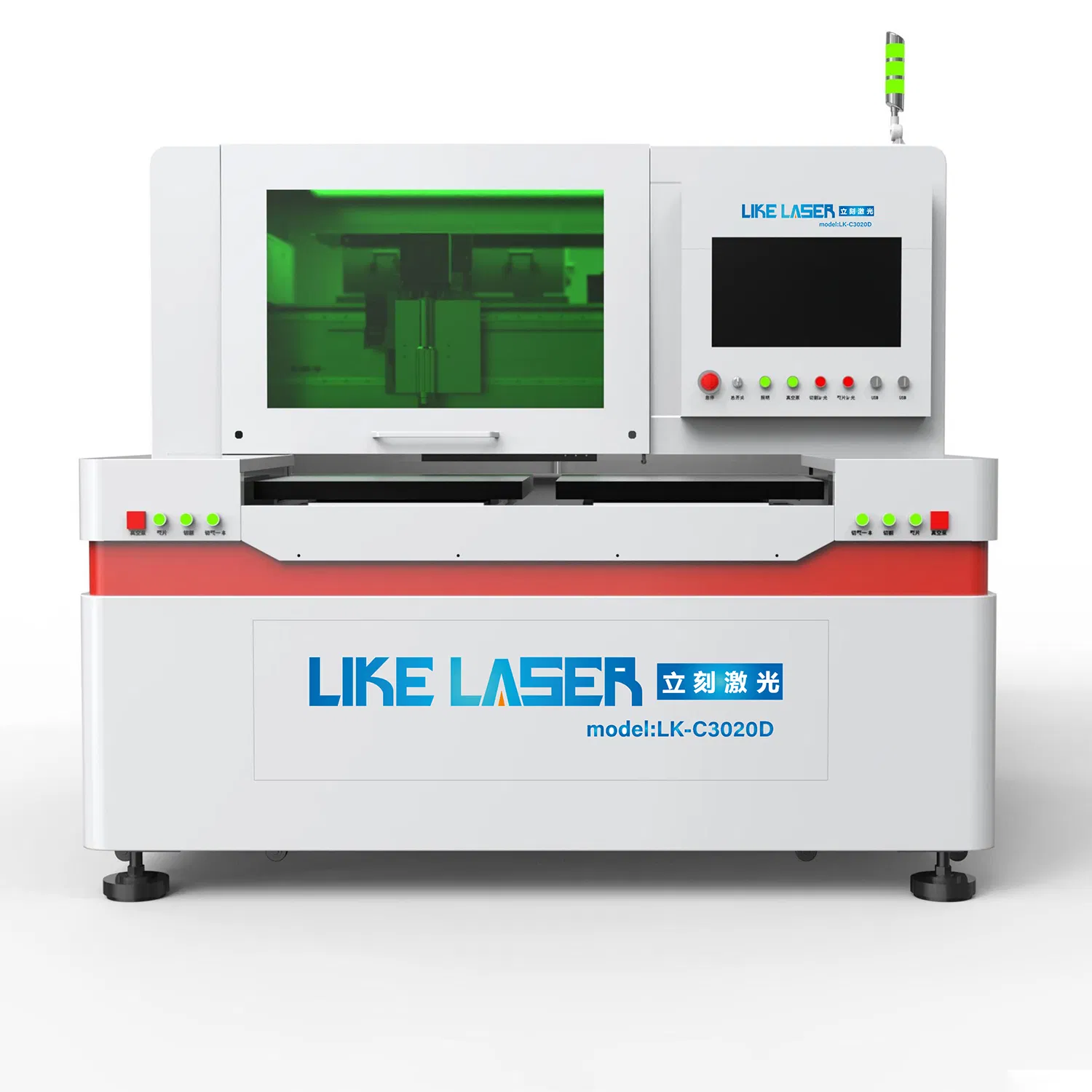
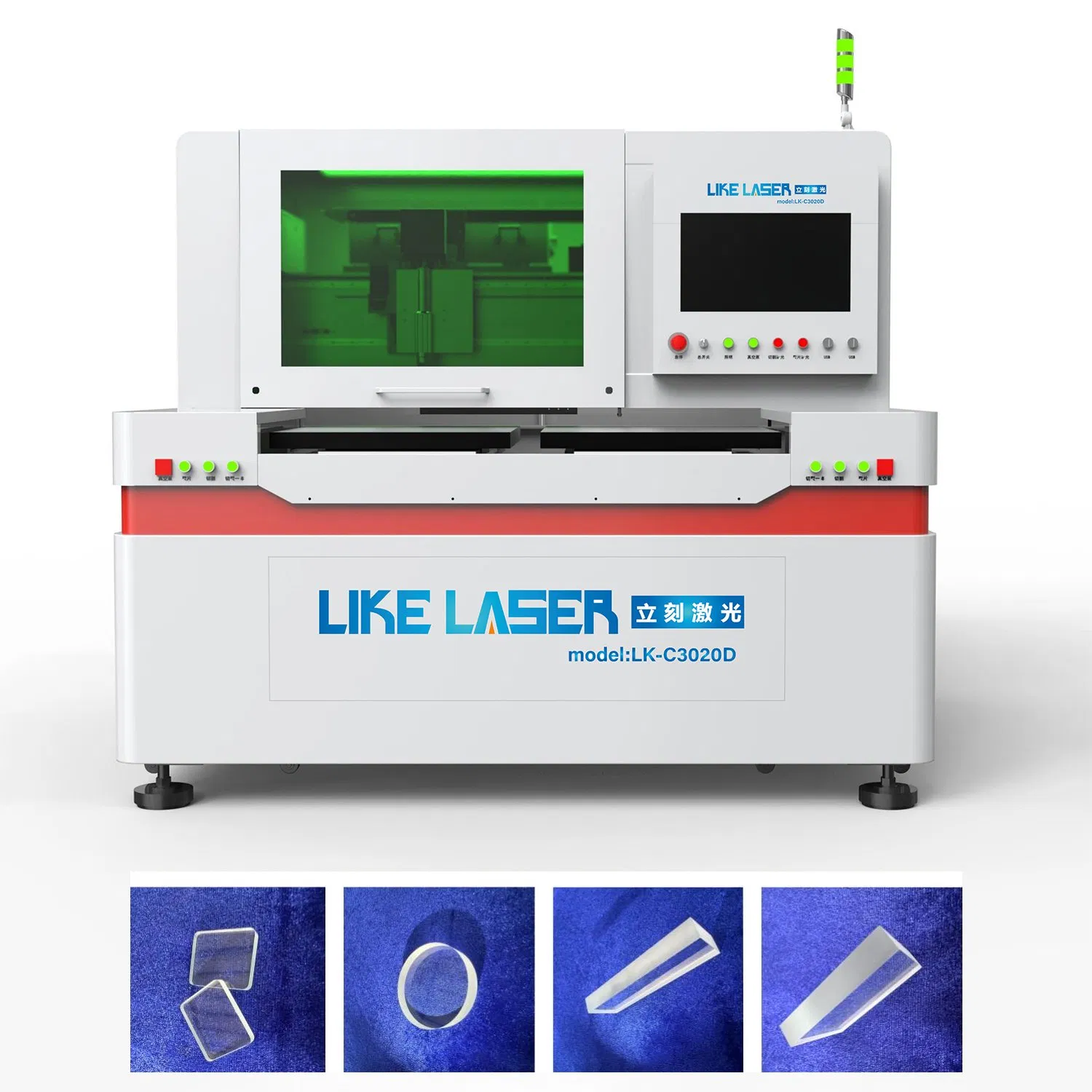
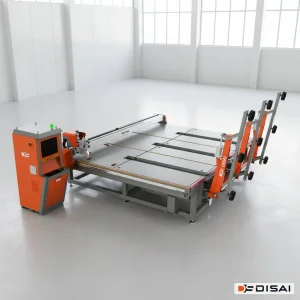
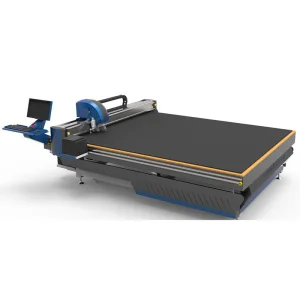
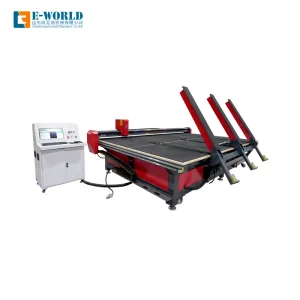
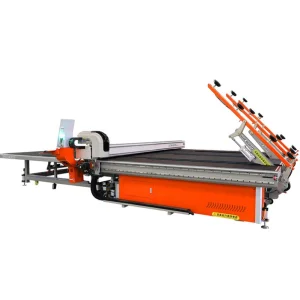
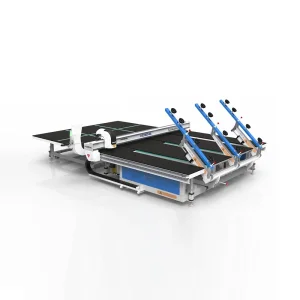
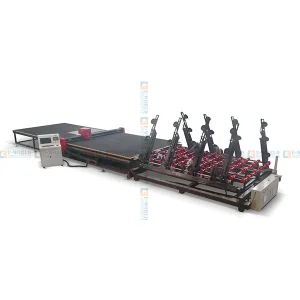
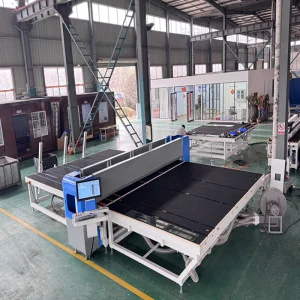
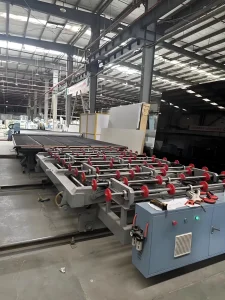
LK-C3020D Laser Glass Cutting Machine
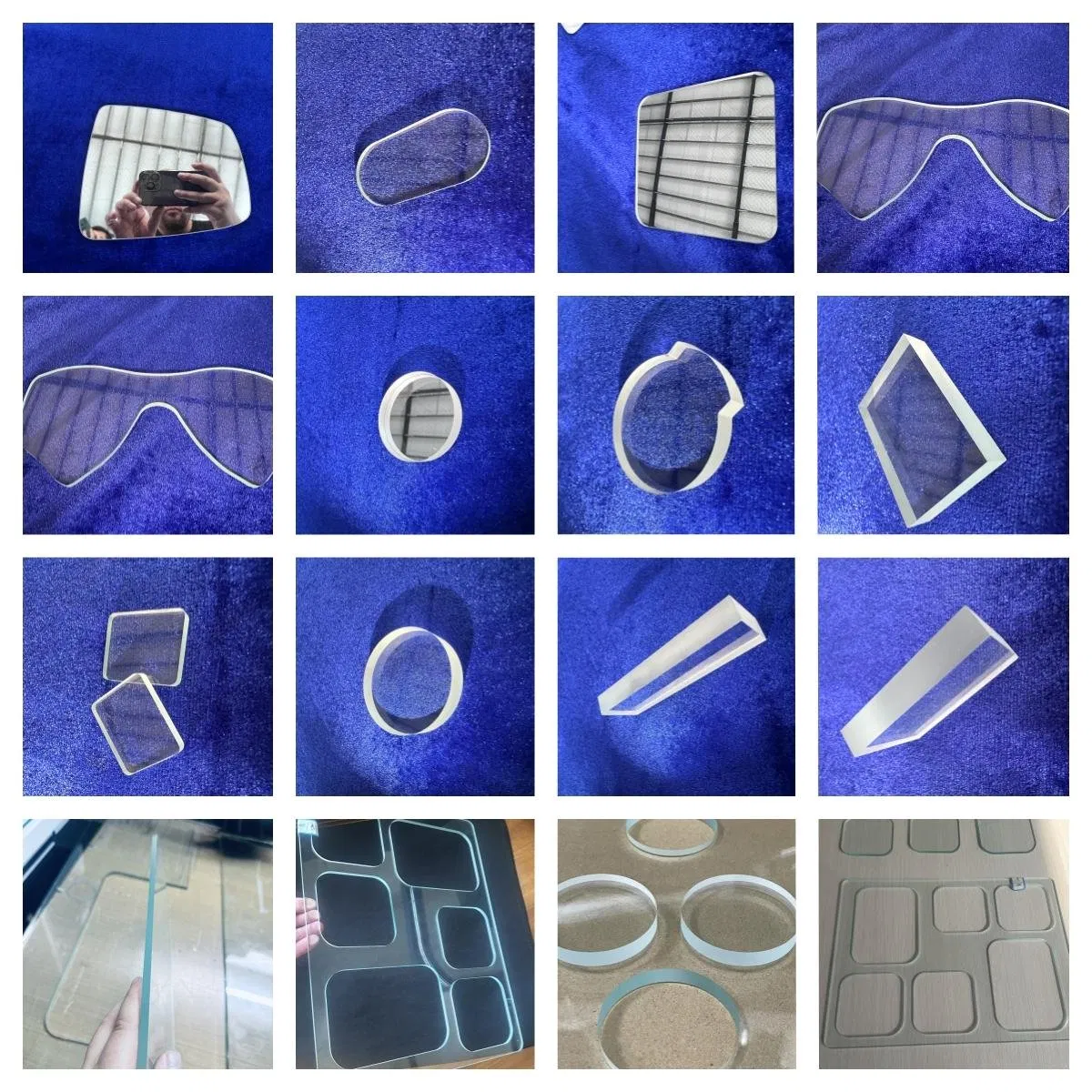
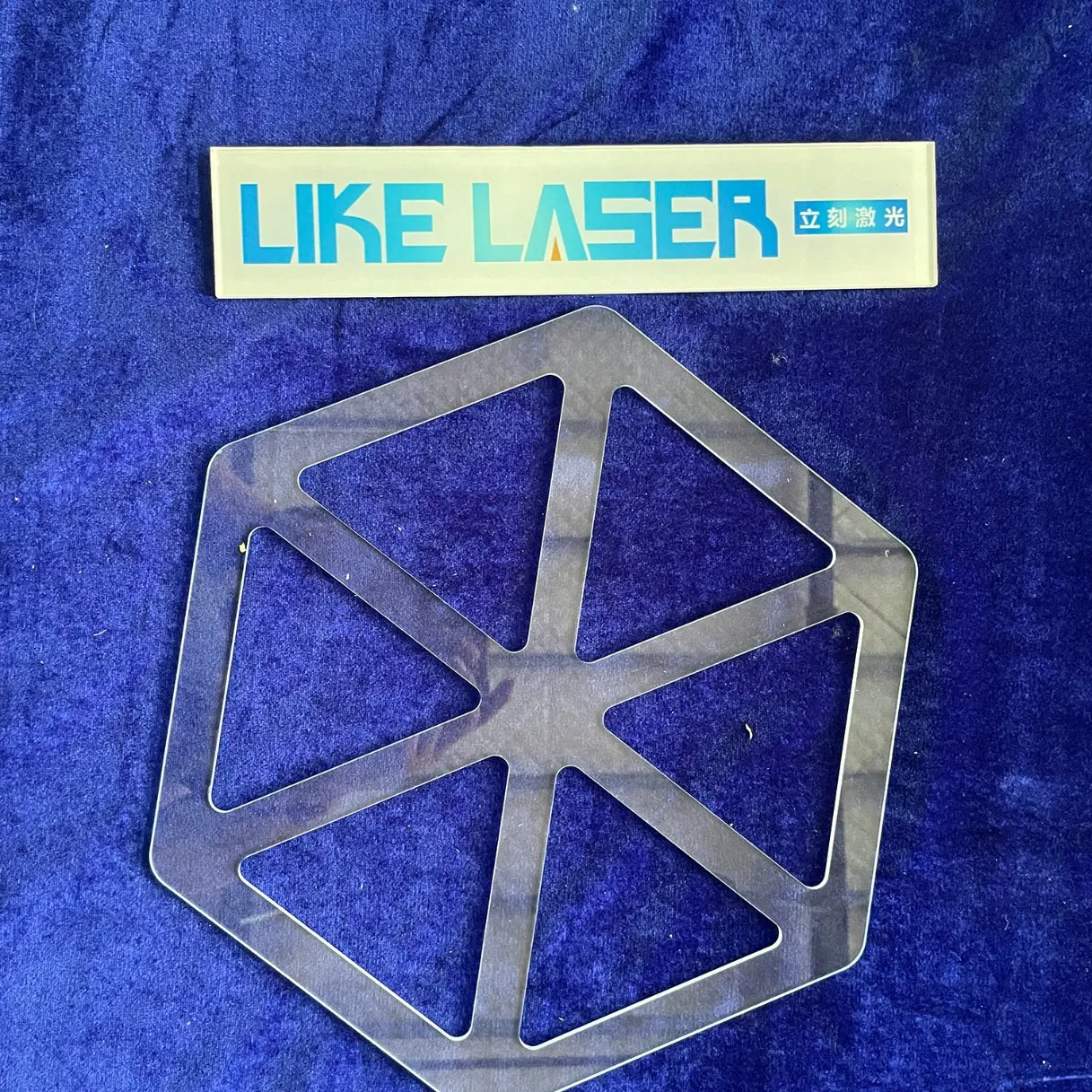
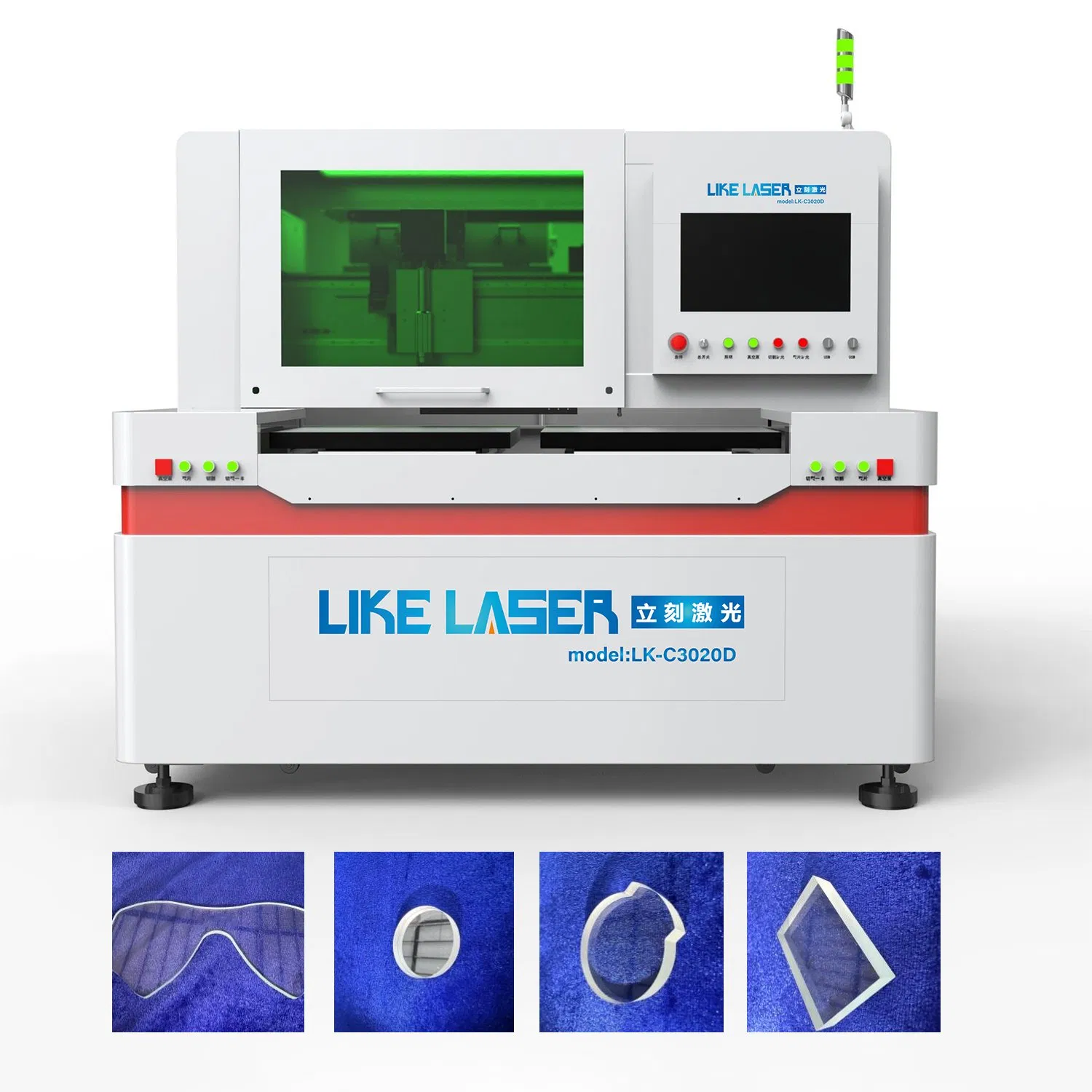
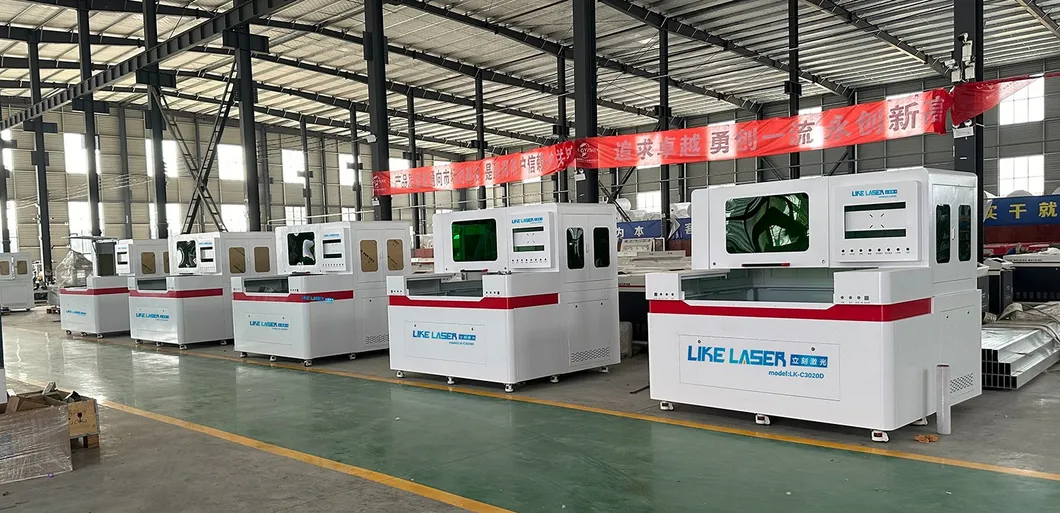
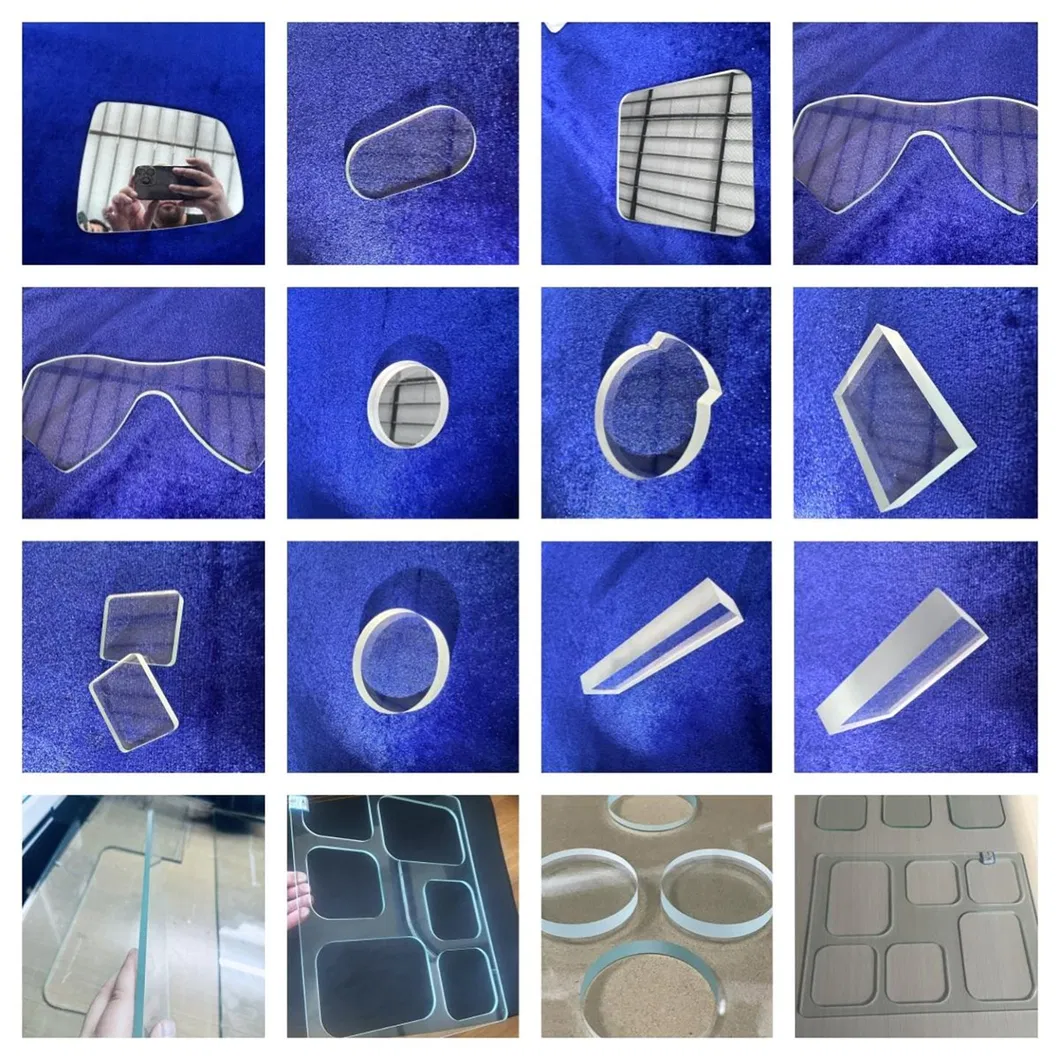
This picosecond laser glass cutting machine is a high-efficiency, automatic solution. It integrates picosecond laser technology with RF CO2 laser sources to optimize glass cutting processes. It is widely utilized in lens manufacturing, camera optics, medical instruments, smart wearables, and the automotive industry for rear-view mirrors and cosmetic lenses.
1
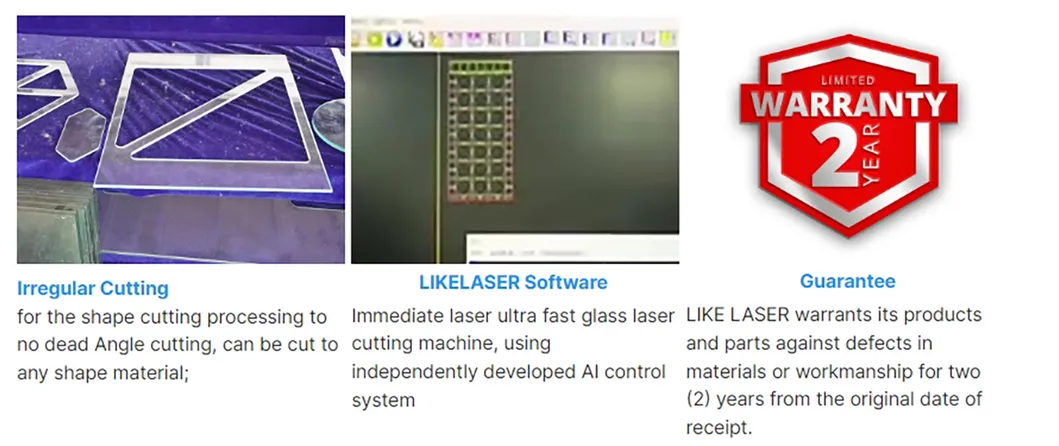
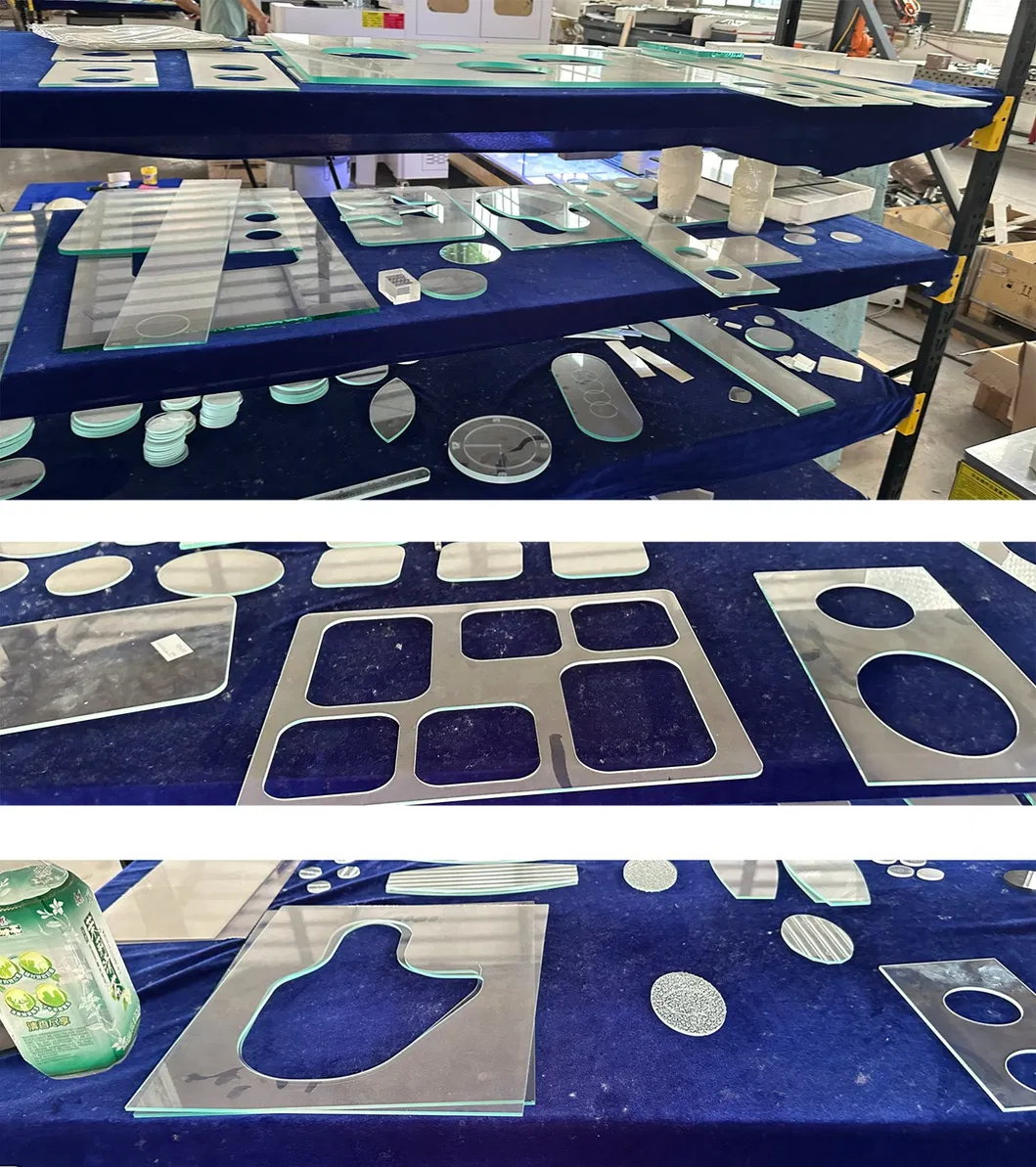
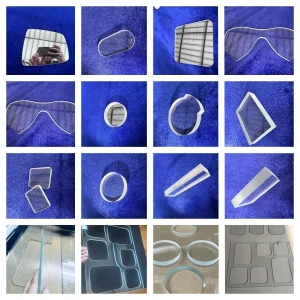
Reinforced and non-reinforced glass cutting: mobile phone cover plates, car glass, and camera covers.
2
Sapphire glass cutting: mobile cover plates, sapphire light strips (LED).
3
LCD glass cutting: shaped LCD screens (inverted R/U/C Angles).
4
Optical glass cutting: filters and mirrors.
5
Ordinary glass: high borosilicate, quartz, white glass, and bathroom mirrors.
6
Surface screen cutting: single-sided curve (1200-2000) and double-sided curve (400-2000).
★
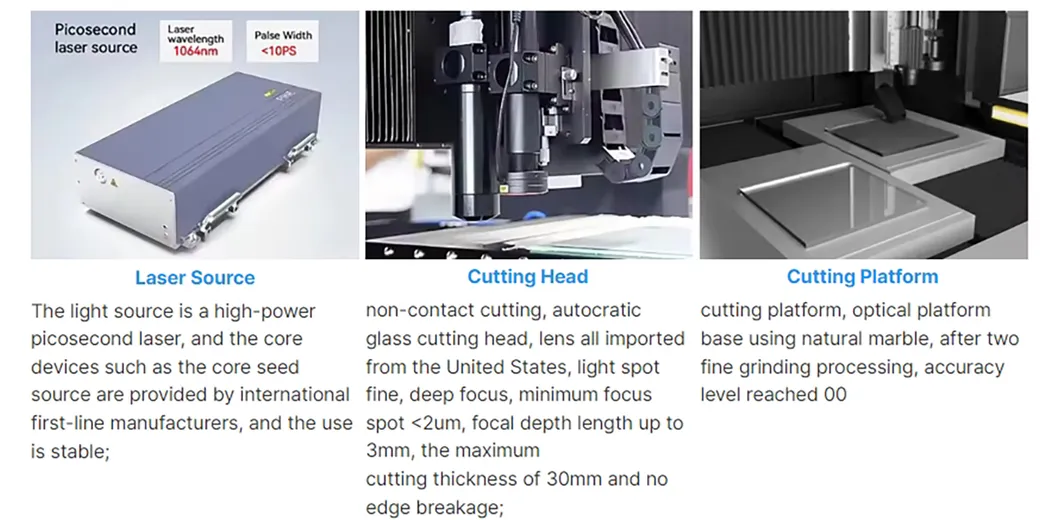
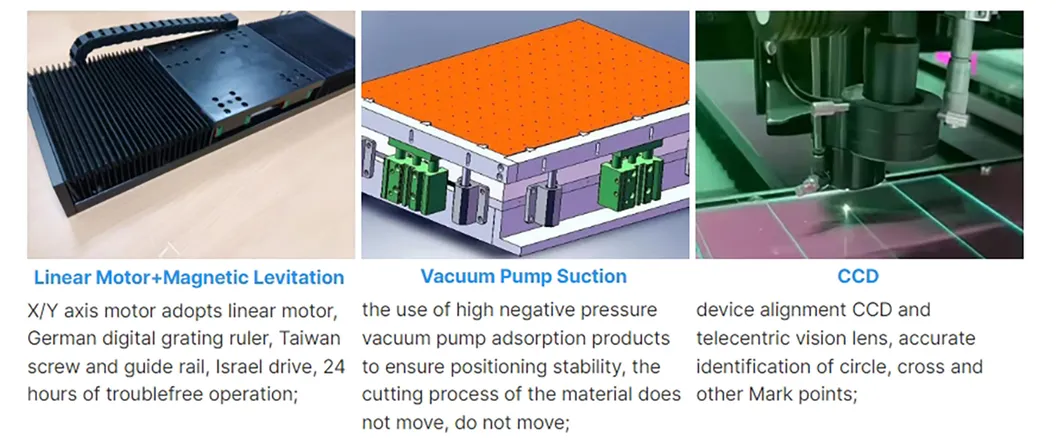
High Precision: Self-developed AI control system with accuracy up to ±2 microns.
★
Non-Contact: Non-destructive cutting with no degree, no edge, and low power consumption.
★
Efficiency: Cutting speeds reaching up to 15m/min.
★
Clean Process: No consumables, no pollution, and low scrap rate compared to traditional CNC or water knife processing.
Frequently Asked Questions
What types of glass can this machine cut?
The equipment handles a wide variety of materials including reinforced/non-reinforced glass, sapphire, LCD screens, high borosilicate, quartz, and automotive mirrors.
What is the processing accuracy of the laser system?
By utilizing a self-developed AI control system and high-end picosecond light sources, the machine achieves a cutting accuracy of up to ±2 microns.
Does the machine support curved surface cutting?
Yes, it features an optional capability for single-sided curve (1200-2000) and double-sided curve (400-2000) glass cutting.
How fast can the machine cut glass?
The machine is highly efficient, with cutting speeds reaching up to 15 meters per minute, significantly faster than traditional CNC methods.
Is the cutting process environmentally friendly?
Absolutely. As a non-contact laser process, it requires no consumables, produces no pollution, and eliminates issues like bit loss and edge collapse.
What cooling method does the system use?
The system is equipped with a professional water cooling mode for both the picosecond pulse laser and the segmented CO2 light sources to ensure stable operation.
 Yabo CNC