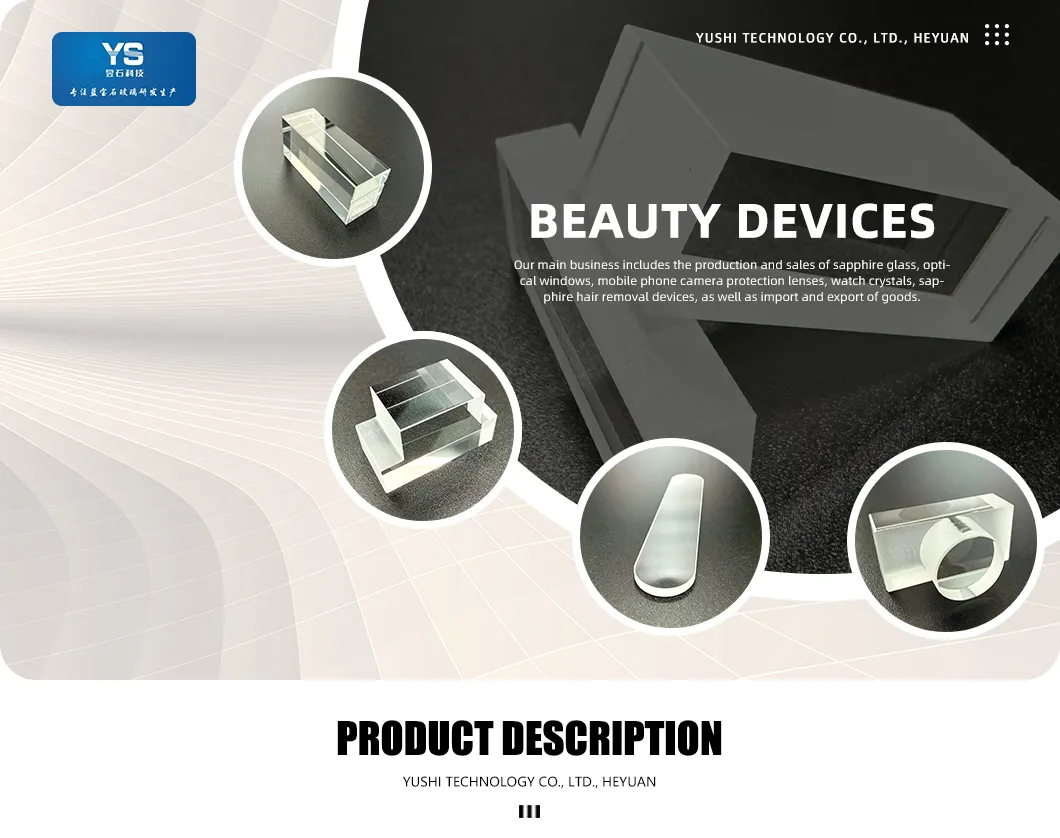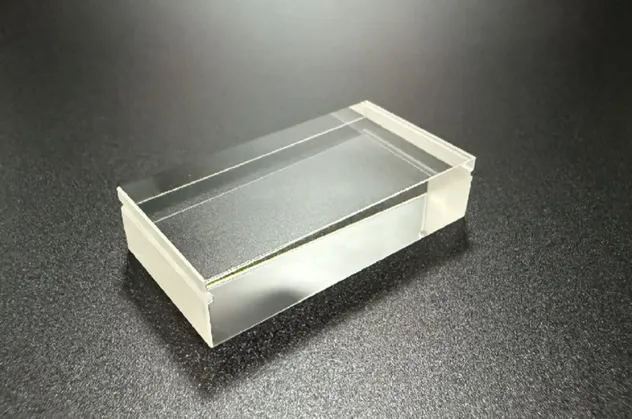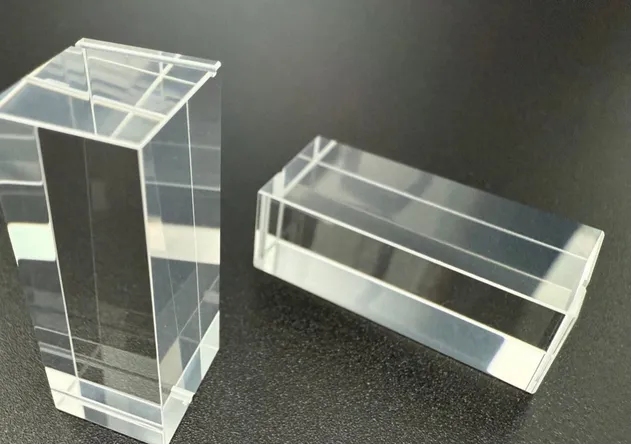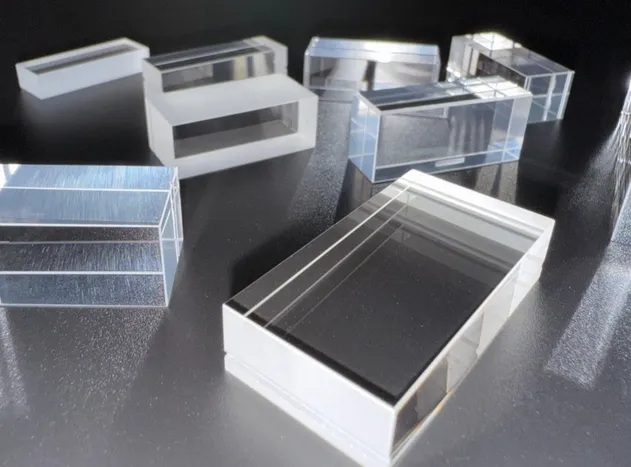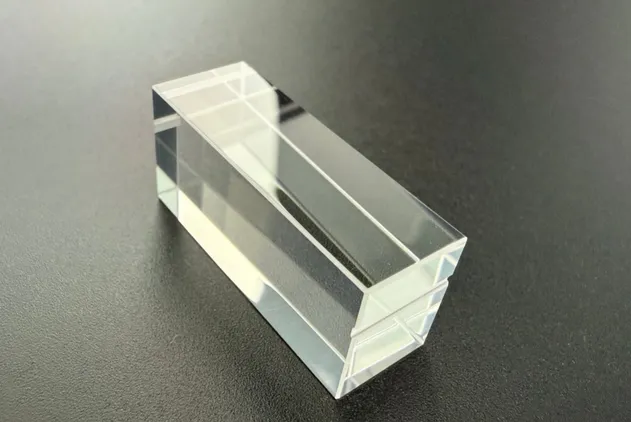
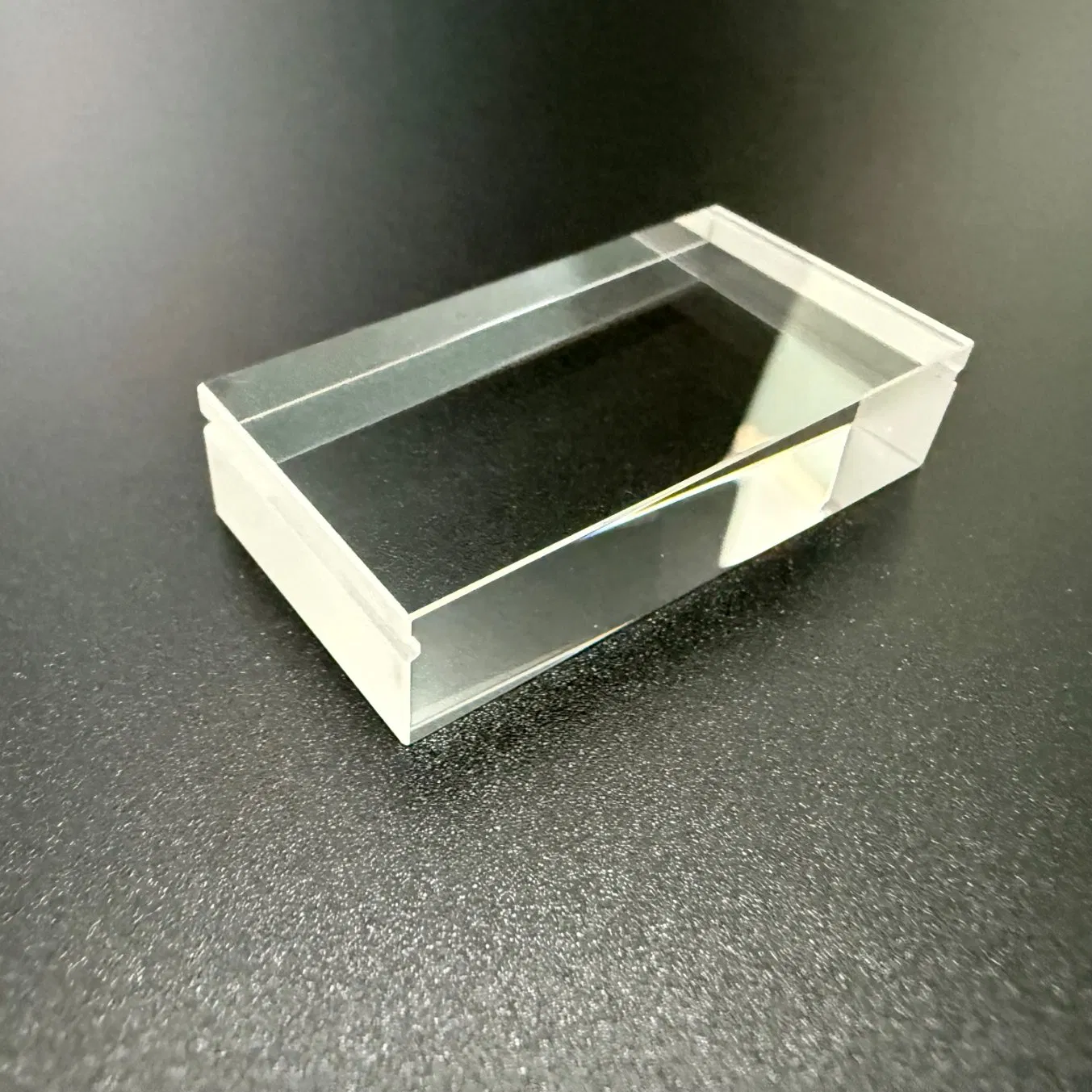
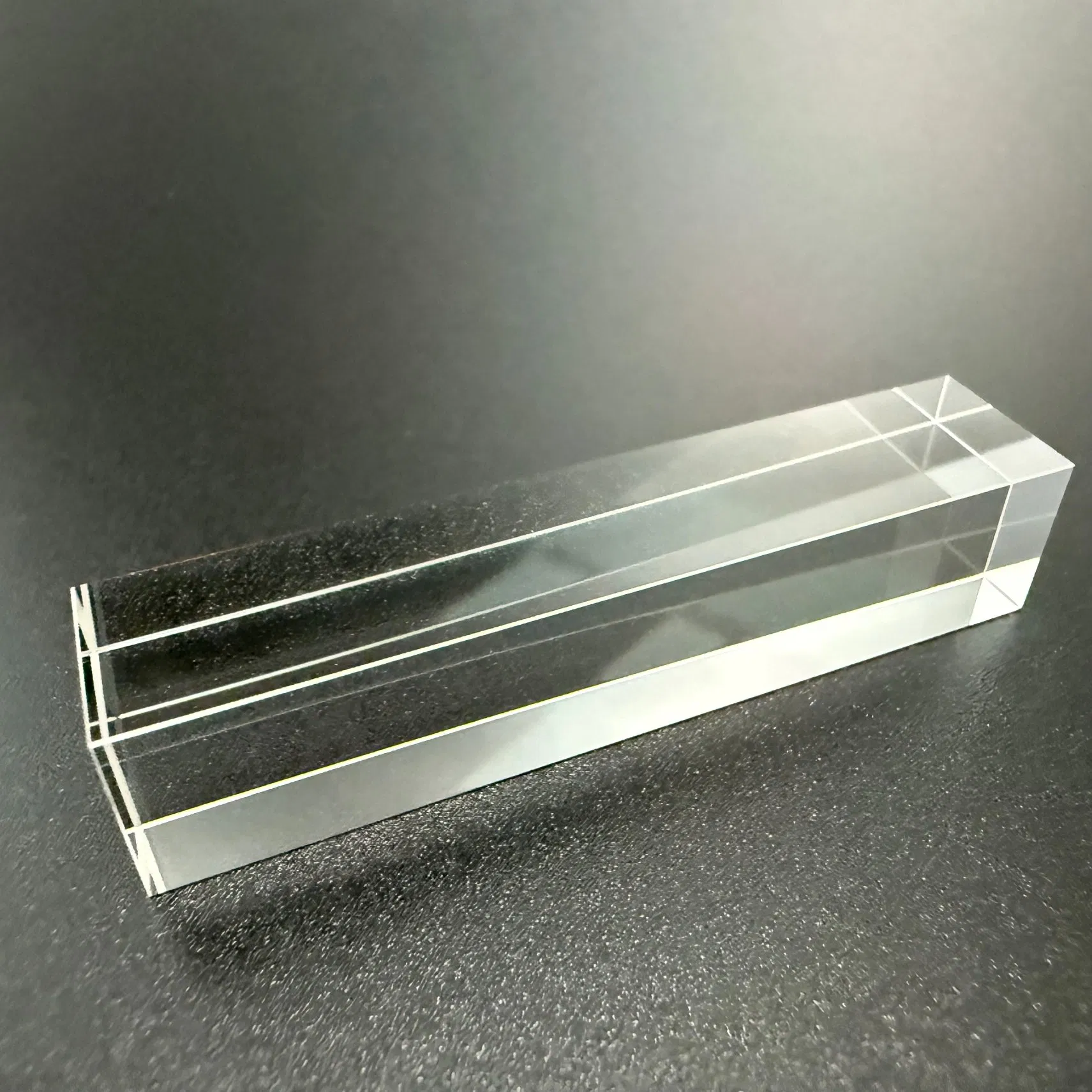
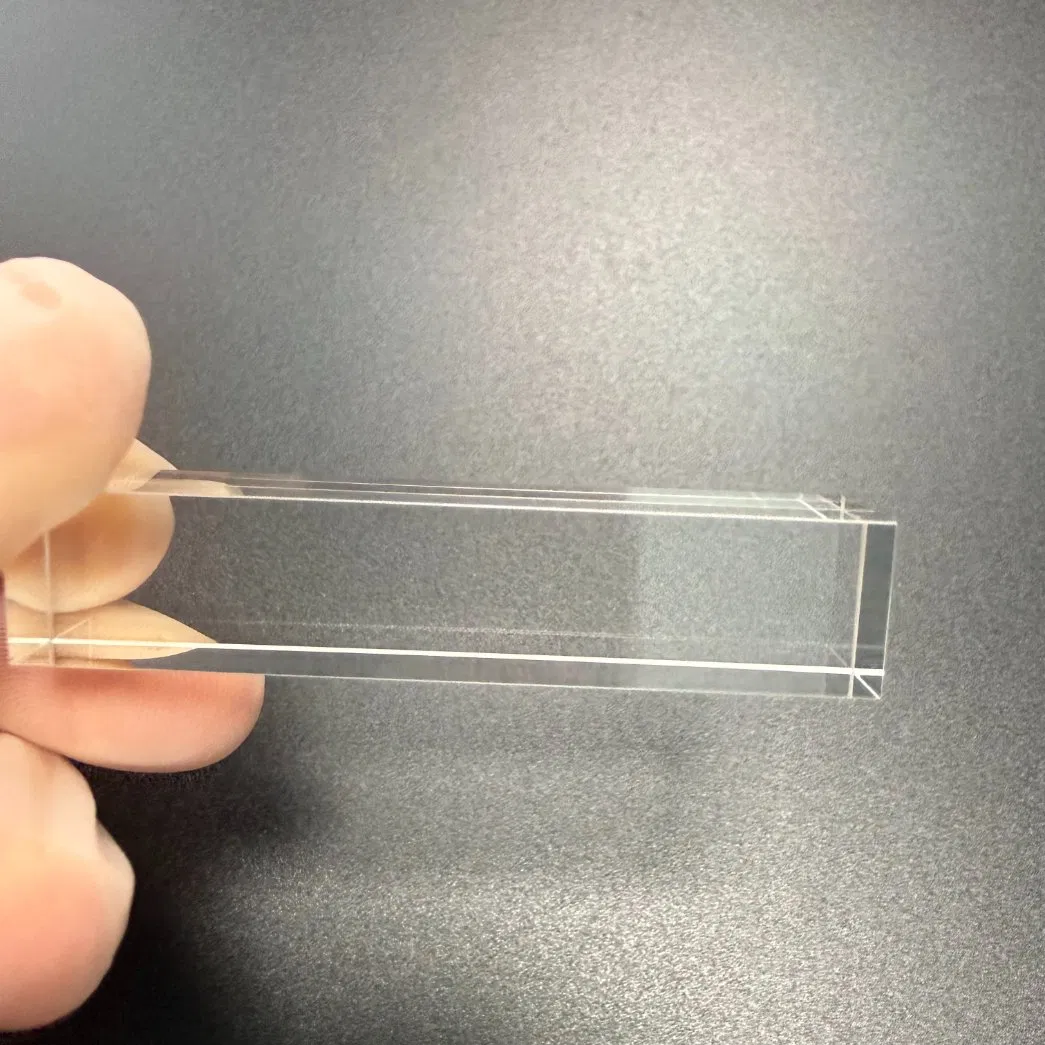
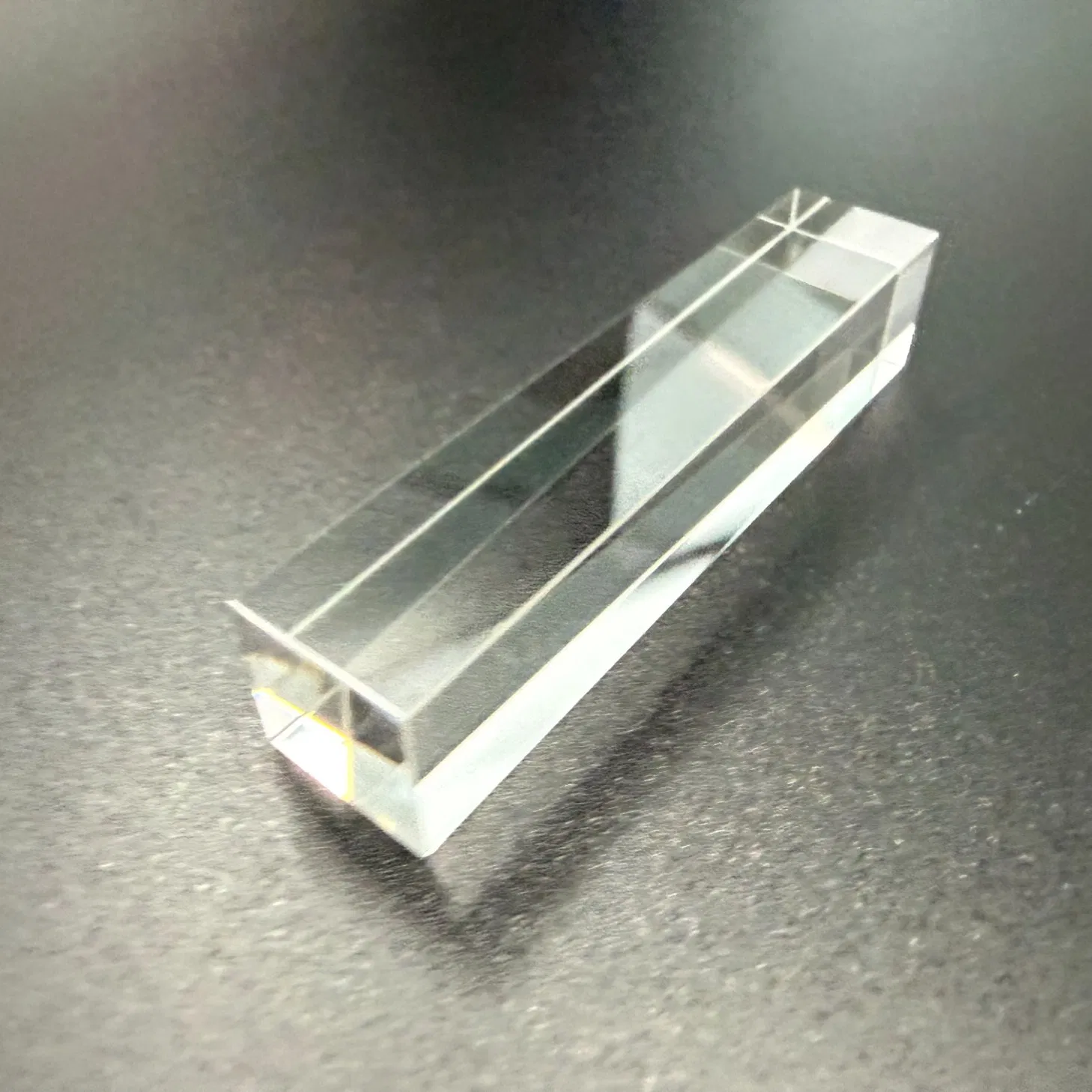
Innovative Textured-Grip Sapphire Glass for Improved Device Handling and Safety

Still deciding? Get samples of $ !
Order Sample

Product Description

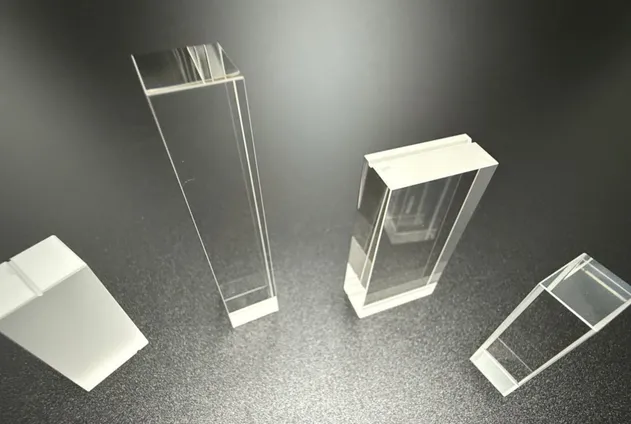
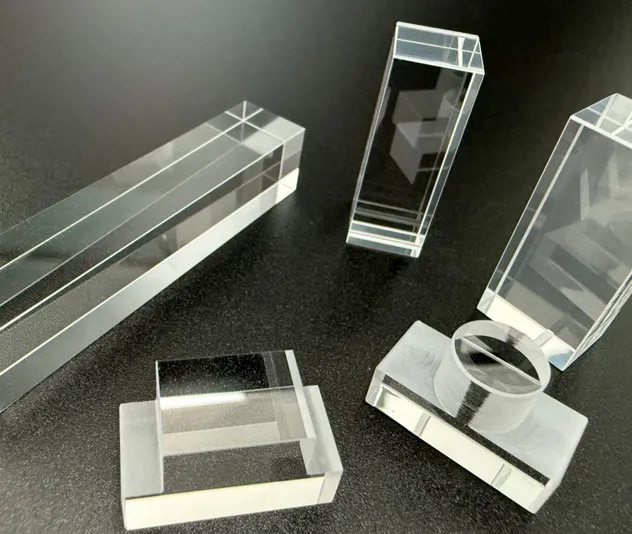
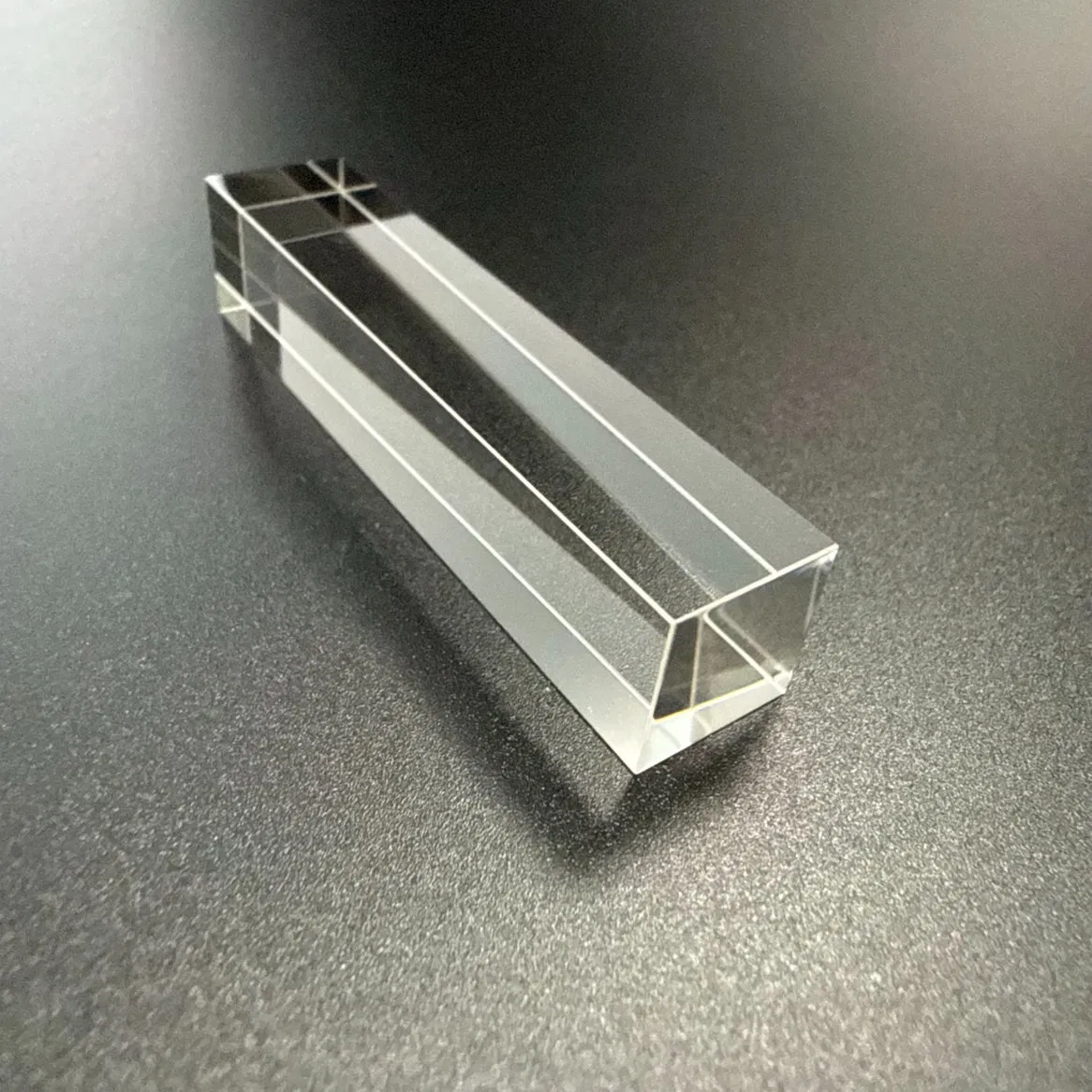
Sapphire Glass Optical Window Header

Basic Information

Model NO.
1-1000mm
Usage
Medical, Optical
Type
Flat Lens
Transmittance
>95%
Shape
Single-lens
Material
Synthetic Sapphire Glass
Lenses Color
Clear
Certification
RoHS, ISO9001
Coating
UV
Hardness
Mohs Hardness of 9
Melting Point
2040 °C
Production Capacity
1,000,000/Year
Sapphire Glass Technical Details

Technical Specifications

Category Parameter Value / Description Notes
Basic InfoProduct NameSapphire Glass Optical Window-
MaterialSingle Crystal α-Aluminium Oxide-
Crystal StructureHexagonal Crystal SystemAnisotropic
Product FormFlat, Spherical, AsphericCustomizable
PhysicalDensity3.97 - 3.99 g/cm³-
Mohs Hardness9Second only to diamond
Compressive Strength>2.0 GPa-
ThermalMelting Point2040 °C-
Operating Temp1900 °C (Vacuum) / ~1000°C (Air)-
Thermal Conductivity25 - 35 W/(m·K)30x higher than glass
OpticalRefractive Indexno = 1.768 / ne = 1.760@587.6 nm
Transmission Range0.15 μm - 5.5 μmDeep UV to Mid-IR
Internal Transmittance>85% @ 0.3μm1mm thick
SurfaceParallelism< 3 arcsec to < 1 arcminHigh Precision
Flatnessλ/10 to λ/4 @ 632.8nmMIL-O-13830
Surface Finish10-5 to 20-10 Scratch-DigMIL-PRF-13830B
Sapphire Glass Material Properties

Certifications

Quality Certifications RoHS ISO9001

Packing & Delivery

Package Size
20.00cm * 20.00cm * 20.00cm
Gross Weight
1.000kg
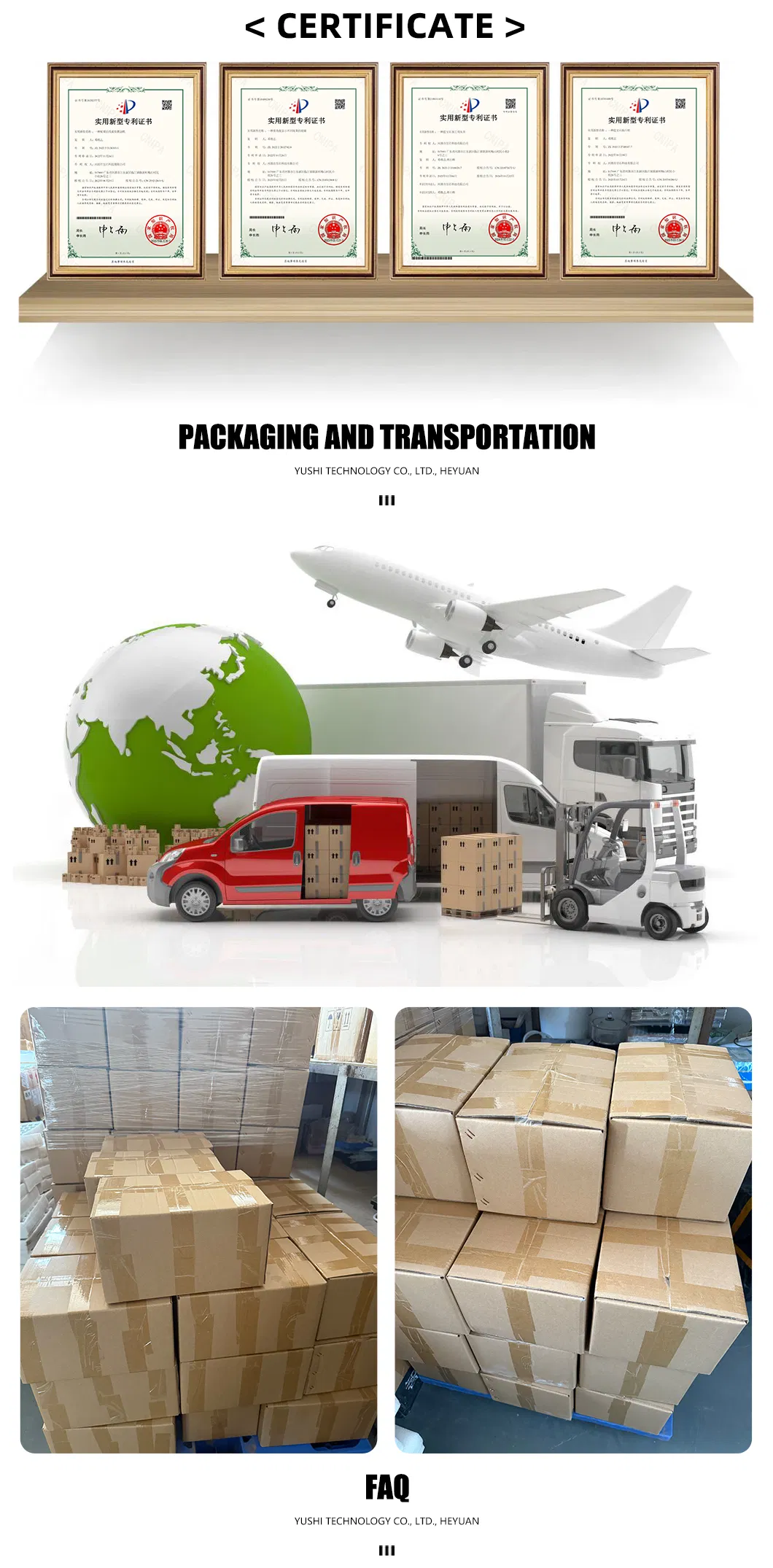
Packing Process 1
Packing Process 2
Packing Process 3
Delivery 1
Delivery 2
Delivery 3

Frequently Asked Questions

What are the main advantages of using sapphire glass over standard optical glass?
Sapphire glass offers extreme surface hardness (Mohs 9), high thermal conductivity (30x more than glass), and a broad transmission range from UV to Mid-IR, making it ideal for harsh environments and high-precision optics.
What is the maximum operating temperature for these sapphire windows?
In a vacuum or inert gas environment, it can withstand up to 1900 °C. In standard air, it is recommended for use up to approximately 1000 °C to avoid surface devitrification.
Can the sapphire windows be customized with different coatings?
Yes, we offer various coating options including Anti-Reflection (AR), High Reflection (HR), Oleophobic/Hydrophobic (anti-fingerprint), and conductive coatings like ITO.
What industries typically use these sapphire optical windows?
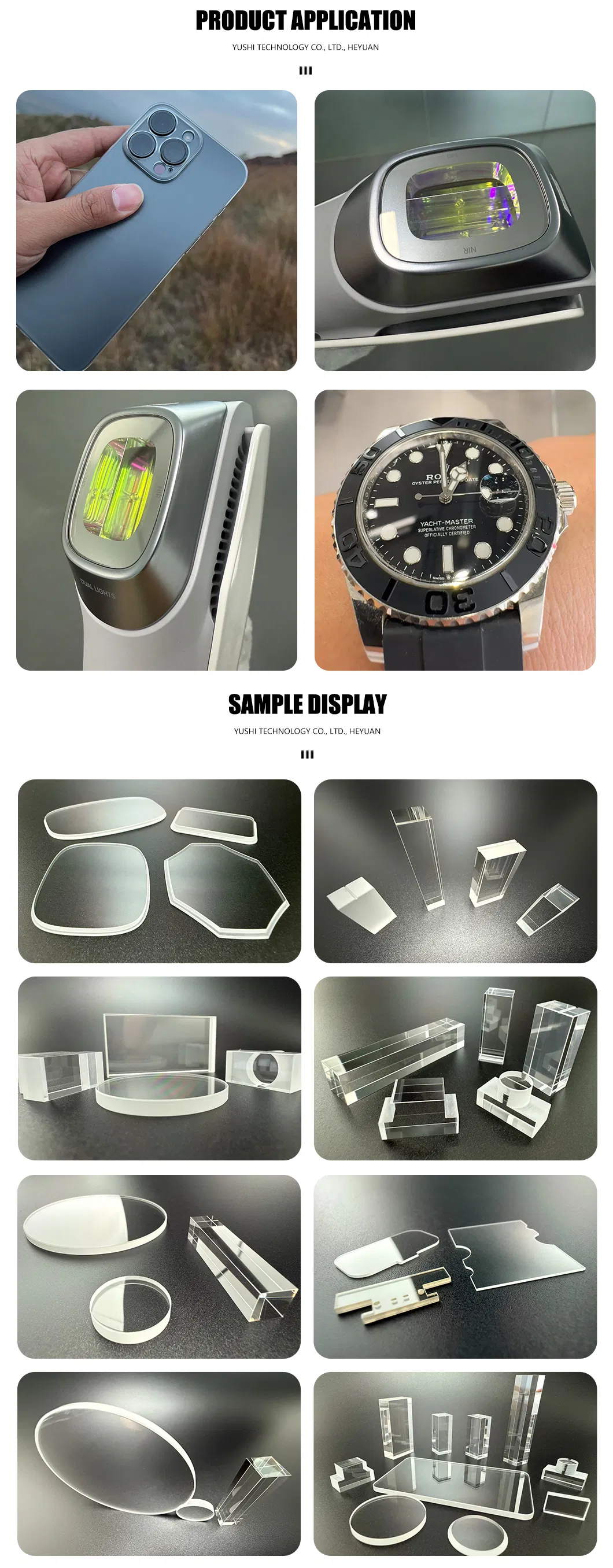
They are widely used in aerospace (missile domes), medical (endoscopes), industrial (high-pressure viewports), and consumer electronics (smartwatch crystals and camera covers).
What surface finishes are available?
We provide standard 10-5 Scratch-Dig finishes according to MIL-PRF-13830B, and can provide high-grade finishes up to 20-10 depending on the application requirements.
How is the chemical stability of synthetic sapphire glass?
Sapphire is highly resistant to chemical corrosion. It is insoluble in water and resistant to most strong acids and bases, though it can be affected by HF and hot phosphoric acid.

Related Products