Warranty
5-Year Quality Warranty
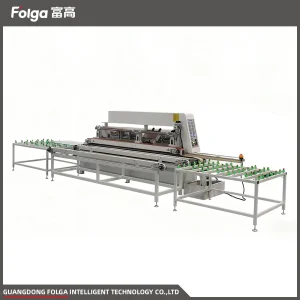
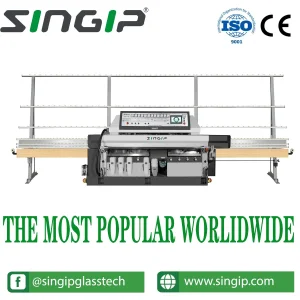
Chamfering Materials
Glass, Quartz, Zerodur, CCZ, Ceramic
Automatic Mode
Full Automatically Feeding and Taking up
Capacity
10,000 PCS Per Year
Package Size
2000cm * 1050cm * 1105cm
Transport Package
Wooden Cases
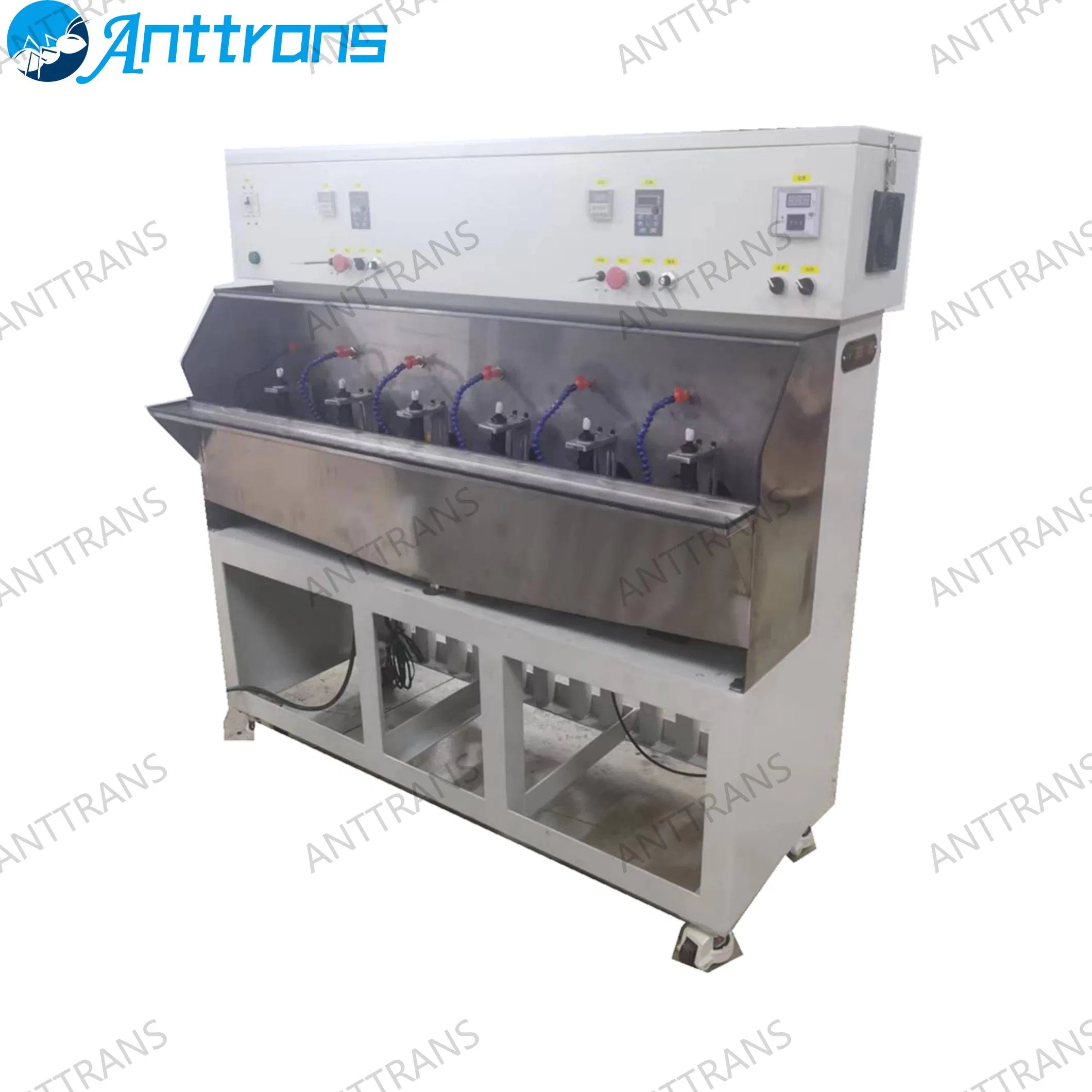
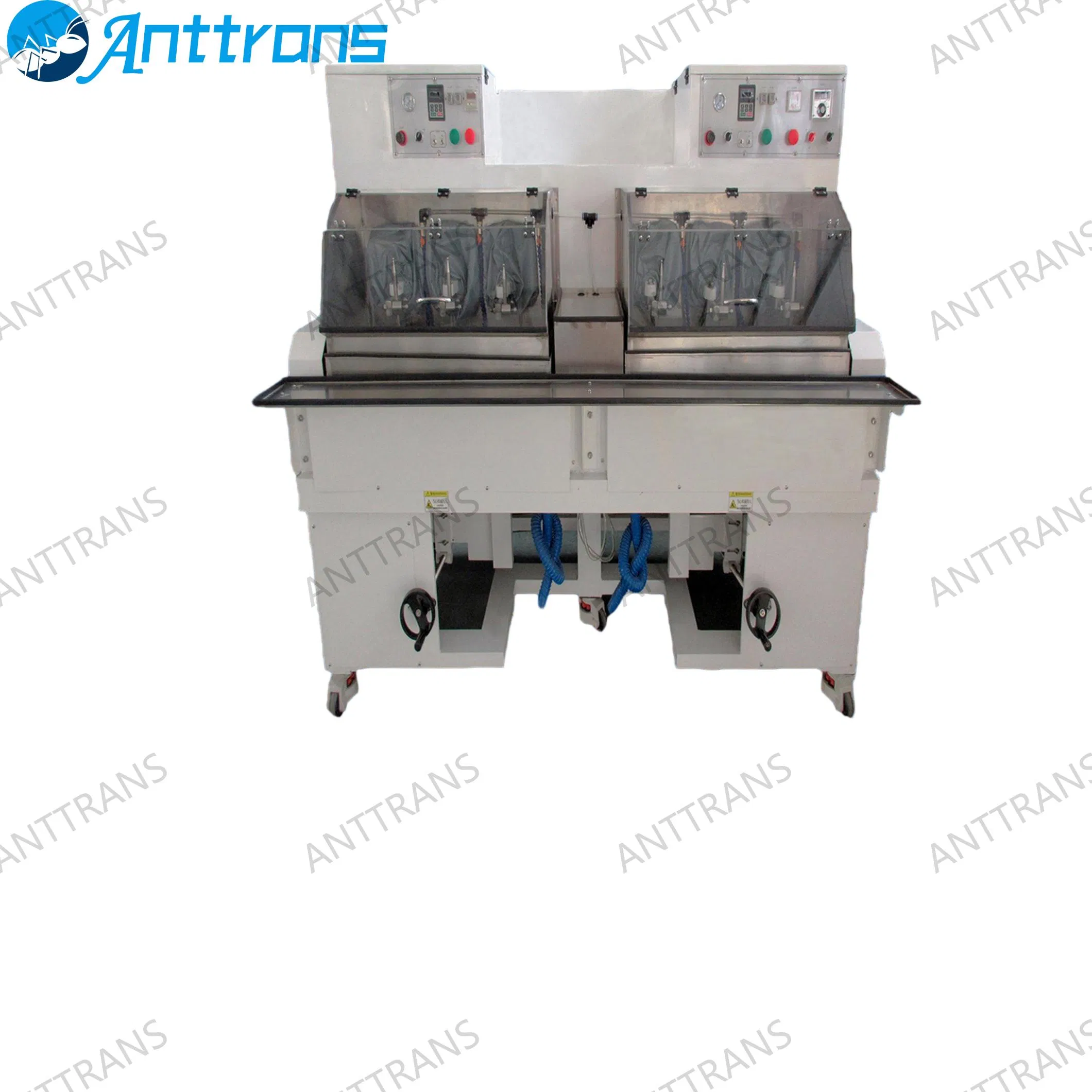
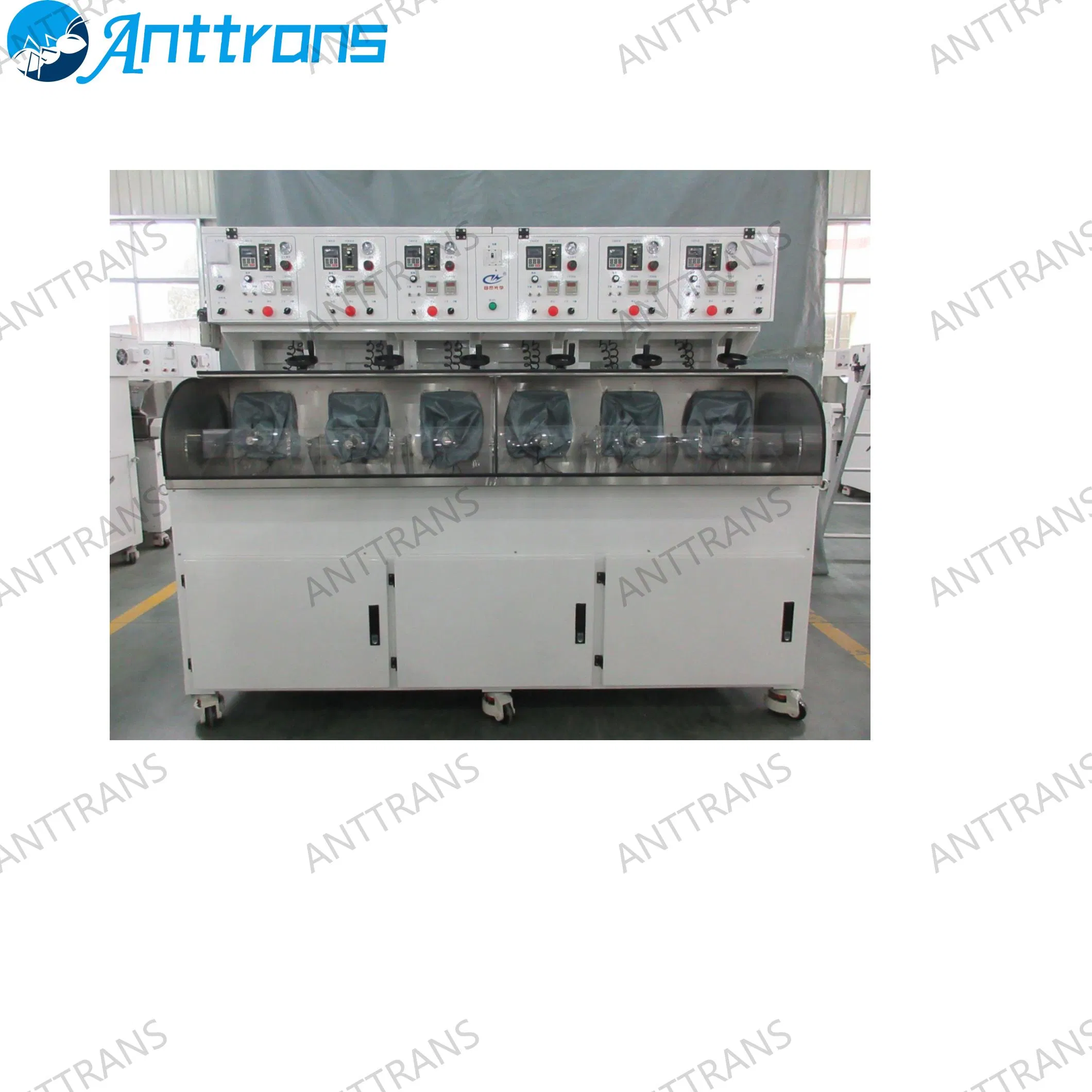
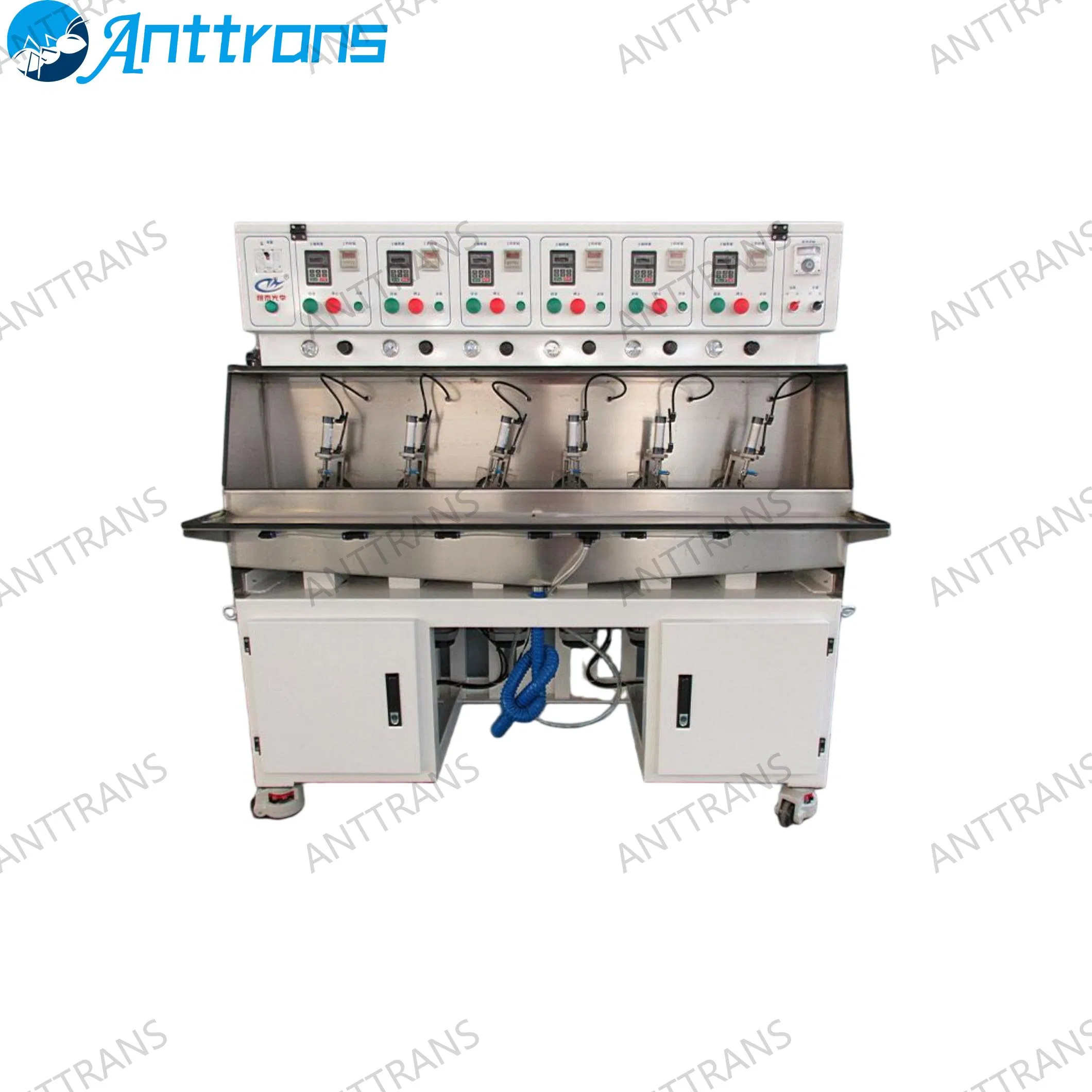
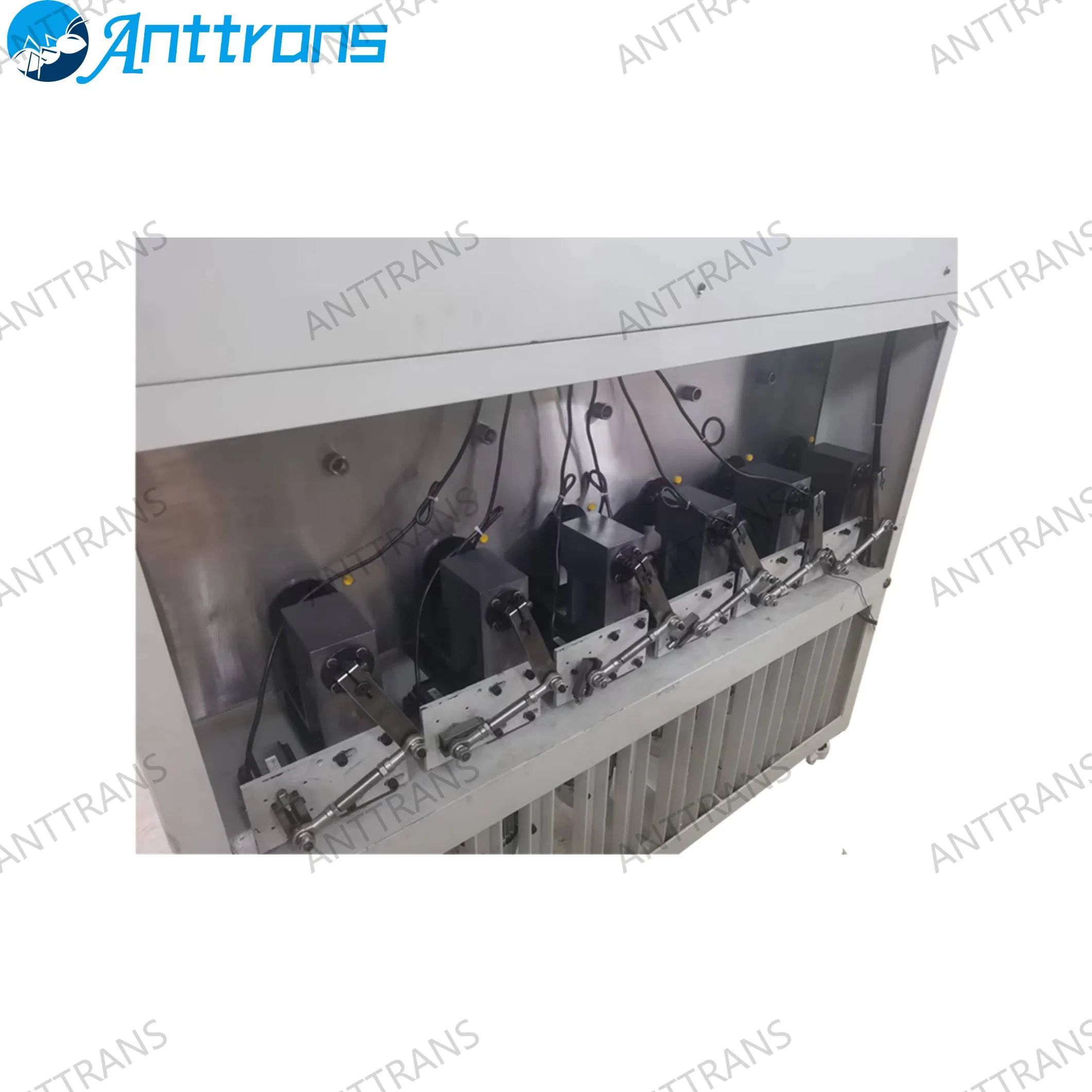
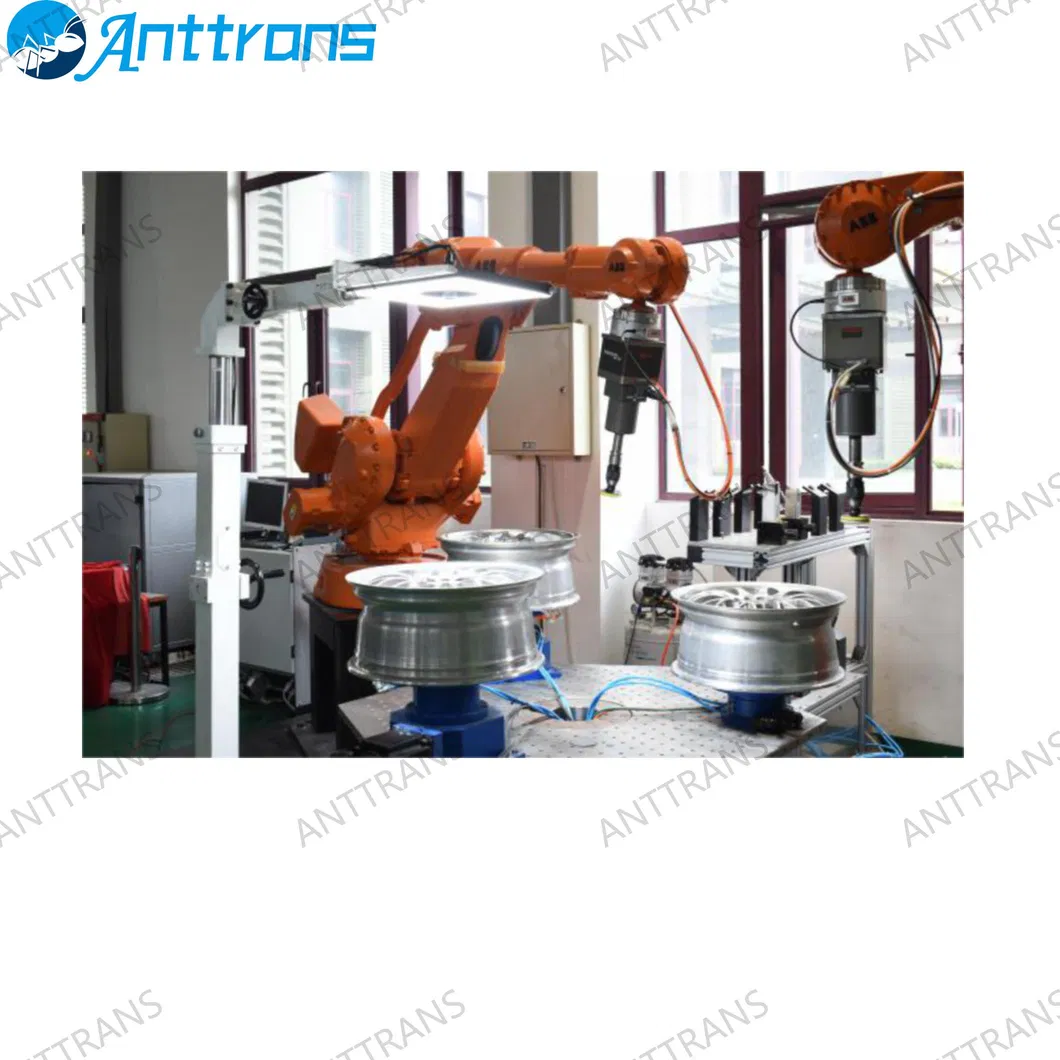
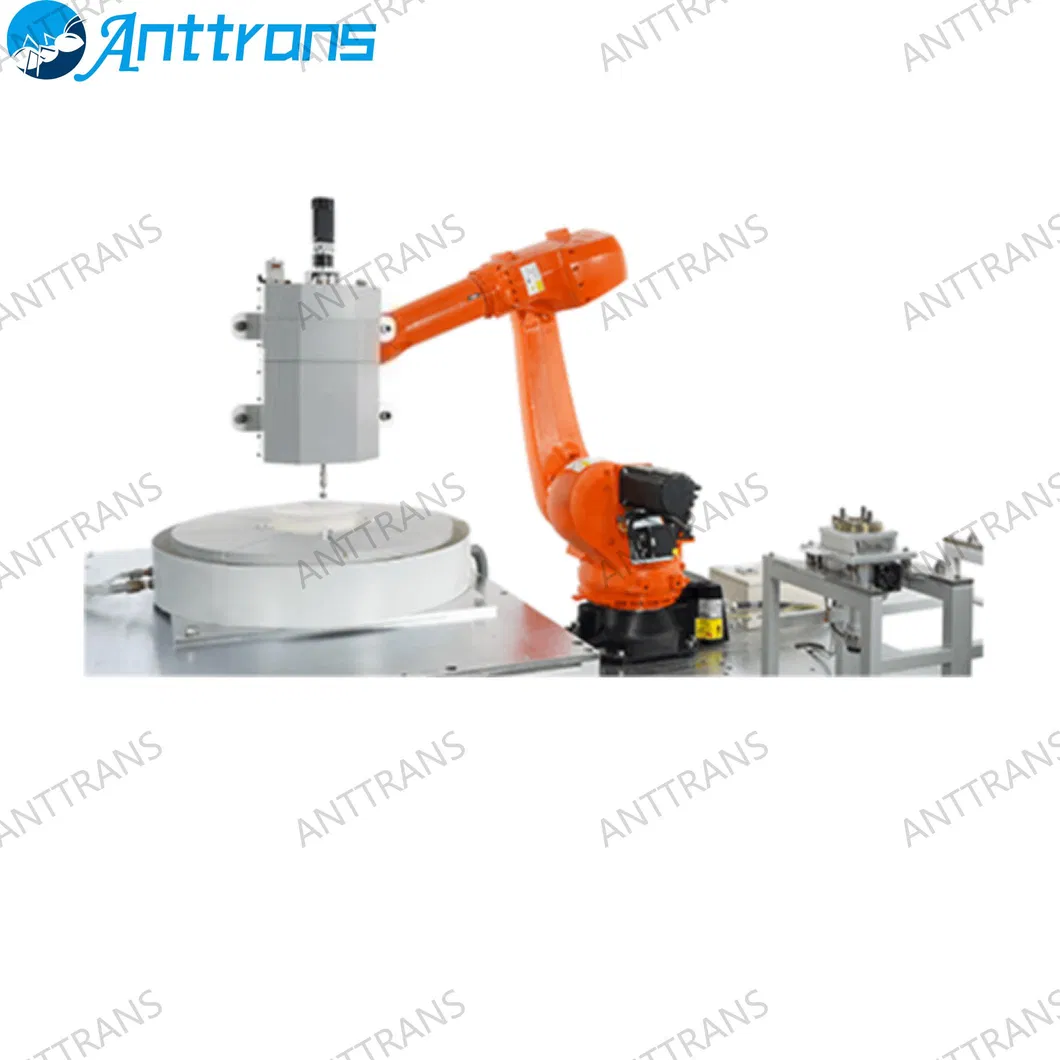
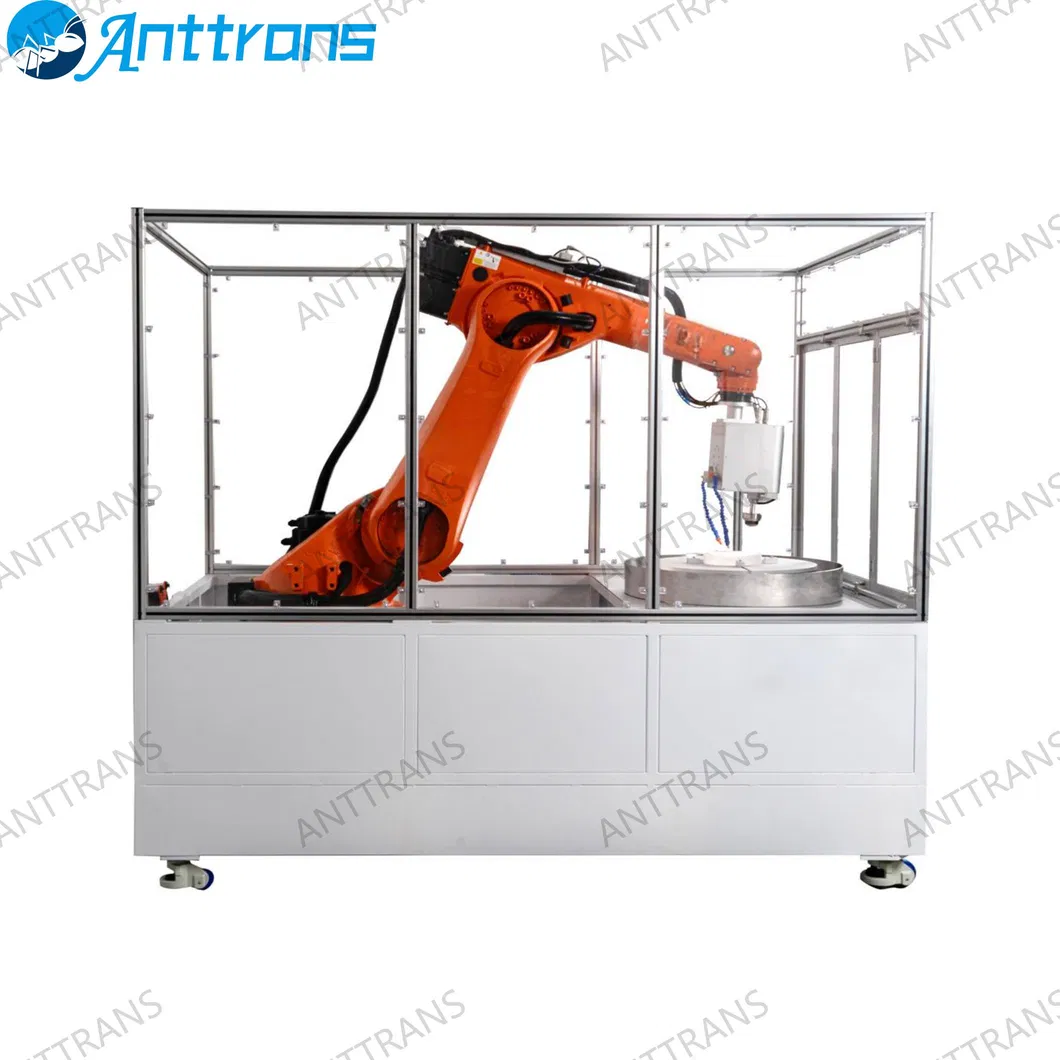
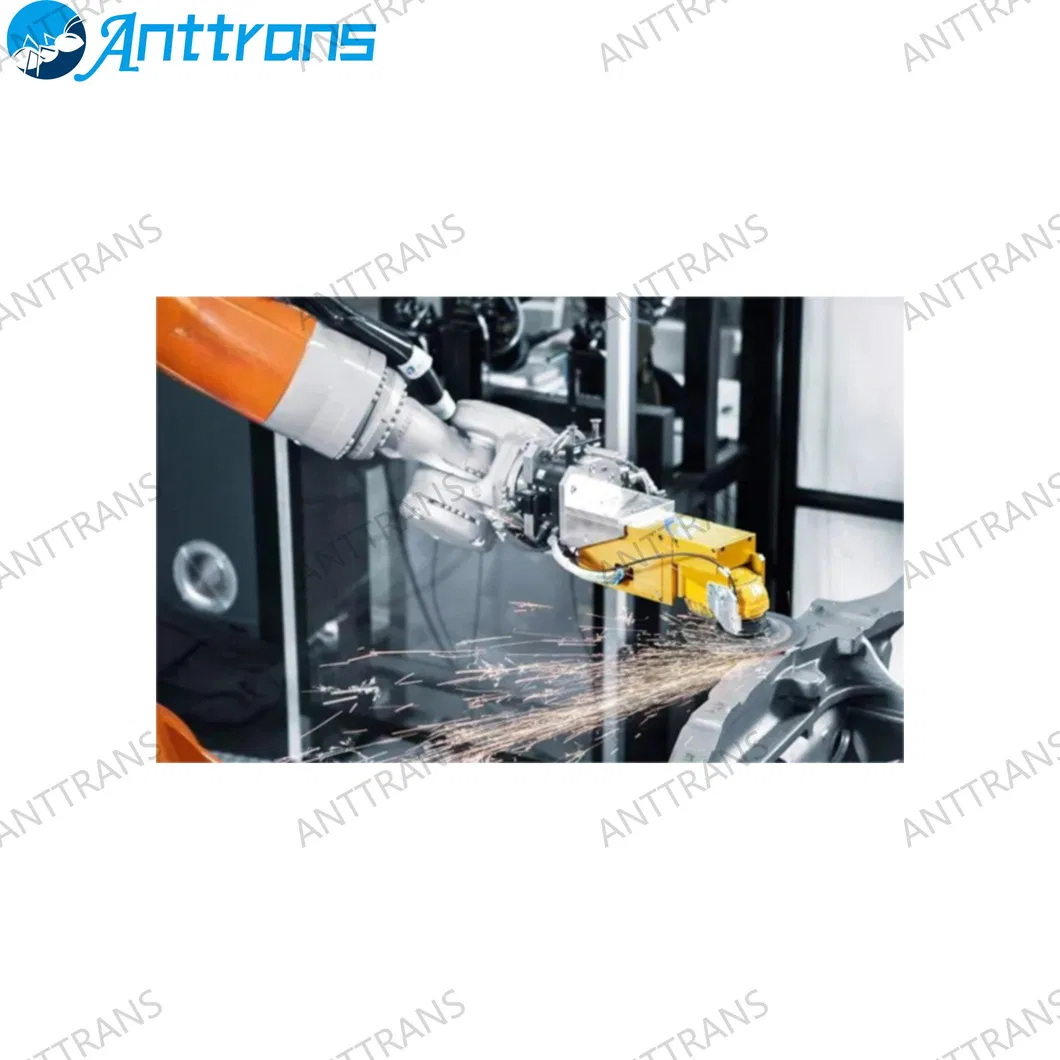
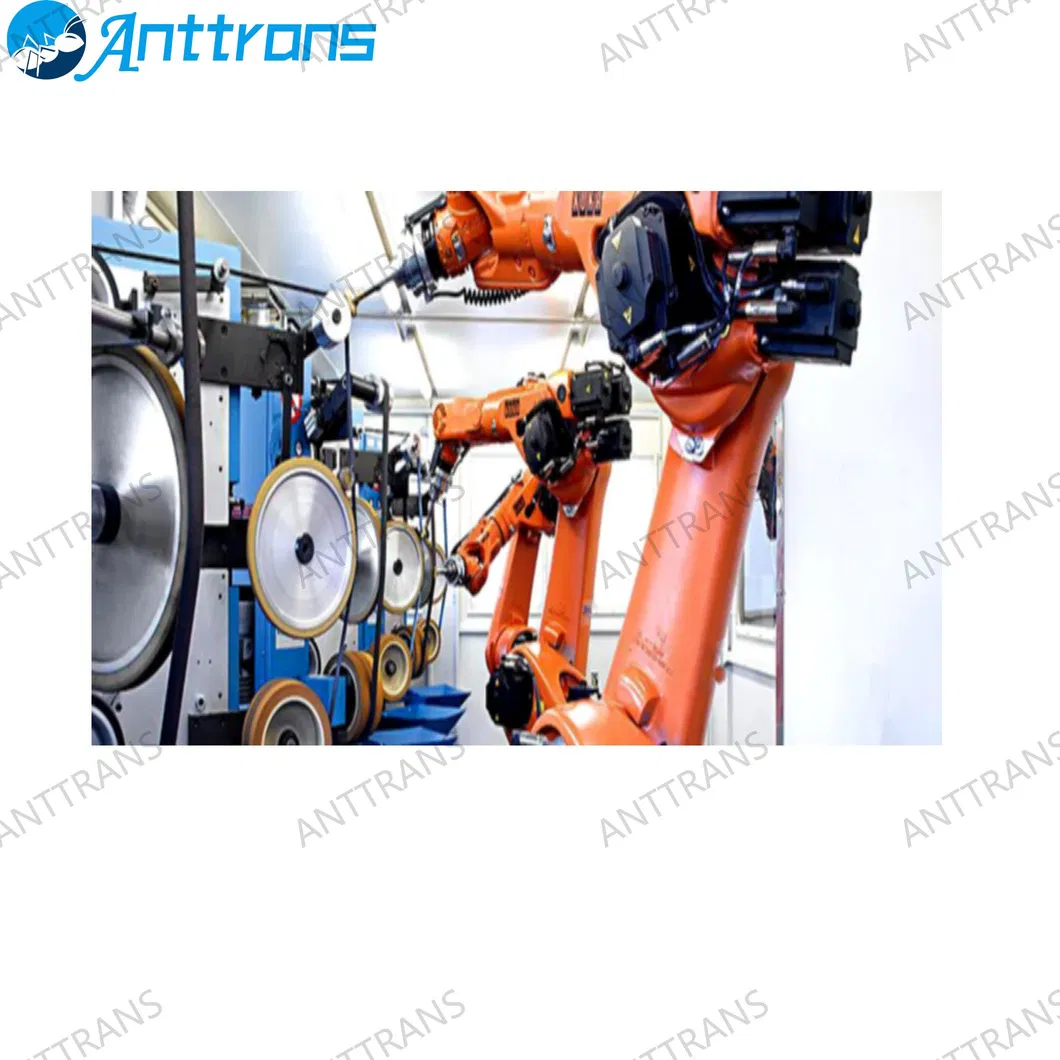
The Intelligent Robot Polishing System is an integrated precision machining solution that combines industrial robot technology, visual perception technology, adaptive force control technology, and digital programming technology. Designed specifically to address the pain points of traditional manual polishing, such as "low efficiency, poor consistency, high safety risks, and severe material waste," this system enables automated, high-precision, and standardized polishing operations for various workpieces made of metals, plastics, and composite materials.
Equipped with high-precision industrial robots, achieving a repeat positioning accuracy of ±0.02mm. Built-in adaptive force control module with a polishing pressure accuracy of ±0.1N ensures a surface roughness (Ra) deviation of ≤0.05μm.
A single robot can perform the workload equivalent to 6-8 skilled workers, improving polishing efficiency by over 300% and reducing material costs by 20%-40% through intelligent algorithms.
Supports stainless steel, aluminum, copper, titanium alloys, and more. Features built-in 2D/3D visual detection modules that automatically identify workpiece size and positioning deviations.
Equipped with dust covers, safety light curtains, and collision detection sensors (ISO 10218 compliant). Core components support 7x24-hour continuous operation with a failure rate below 1%.
Supports data traceability, remote monitoring via computer/mobile terminals, and seamless integration with enterprise MES and ERP systems.
The system processes optical components with various surface shapes, including large-aperture planar, spherical, aspherical, and freeform surfaces. Applicable materials include quartz, glass, ULE, monocrystalline silicon, silicon carbide, sapphire, ceramics, copper, aluminum, and nickel.
| Technical Parameter |
AT-600 |
AT-1000 |
| Processing Element Type | Planar/Spherical/Aspherical/Freeform | Planar/Spherical/Aspherical/Freeform |
| Max Element Diameter | 50mm~600mm | 50mm~1000mm |
| Max Element Thickness | ≤500mm | ≤500mm |
| Polishing Head Rated Speed | 3000rpm | 3000rpm |
| Worktable Diameter | 700mm | 1100mm |
| Pressure Setting Range | 0~125N | 0~125N |
| Processing Accuracy | Planar RMS≤7nm / Aspherical RMS≤10nm | Planar RMS≤7nm / Aspherical RMS≤10nm |
| Surface Roughness | Ra≤1nm | Ra≤1nm |
| Positional Repeatability | ±0.05mm | ±0.05mm |
| Max Load Capacity | 20Kg | 45Kg |
| Dimensions | 2300×1900×2500mm | 2800×1250×2300mm |
Expertise in technical development, consulting, and promotion for industrial automation. Specialized in CNC machine tools, optical instruments, semiconductor device equipment, experimental analysis instruments, and high-performance glass/optical materials sales.
Frequently Asked Questions
Q1: What materials can the Intelligent Robot Polishing System handle?
The system is compatible with a wide range of materials including stainless steel, aluminum, copper, titanium alloys, engineering plastics, carbon fiber, and optical materials like quartz and sapphire.
Q2: How does the system ensure high consistency in batch production?
By utilizing digital programming to solidify parameters such as rotation speed, pressure, and path, the system maintains a surface roughness deviation of ≤0.05μm across entire production batches.
Q3: Is the system suitable for complex shapes?
Yes, the system is designed to process planar, spherical, aspherical, and freeform surfaces, as well as irregular internal hole shapes using its 3D visual scanning and adaptive path generation.
Q4: What is the benefit of adaptive force control technology?
It allows the robot to dynamically adjust polishing pressure in real-time (accuracy of ±0.1N) based on surface undulations, preventing over-polishing or under-polishing and increasing pass rates to over 99%.
Q5: Can the equipment be integrated into an Industry 4.0 factory?
Absolutely. The system provides open API interfaces for seamless integration with MES and ERP systems, and supports remote monitoring and IIoT data traceability.
Q6: What safety standards does the polishing system comply with?
The system complies with ISO 10218 industrial safety standards and features dust covers, safety light curtains, and automatic collision detection to ensure a safe working environment.
 Yabo CNC